

Pain does not follow a universal scale. Medicine has never found a ranking that fits every patient. The International Association for the Study of Pain says pain is always personal. It also says biological, psychological, and social factors influence it. One patient may call a procedure manageable. Another may describe the same event as overwhelming. Fear, inflammation, prior trauma, nerve sensitivity, and recovery demands all change the experience. Even so, certain procedures return in the same grim conversations. They disturb bones, enter the spine, stretch tissue, or force early movement. For many patients, the hardest part begins after the procedure ends. Breathing, walking, coughing, and bending then become tests of endurance.
Originally talking to UNILAD, consultant primary care physician Dr Dean Eggitt has identified several procedures that patients and clinicians often regard as especially painful. Among them are open chest surgery and total knee replacement, both known for the intensity of their recovery. Other procedures with similarly harsh reputations include bone marrow biopsy, lumbar puncture, and hysteroscopy. These procedures differ in purpose and technique, yet all can involve deep tissue pain, nerve irritation, pressure in sensitive areas, or difficult recovery demands. Although their reputations are severe, each is used because it can provide vital diagnostic information or necessary treatment.
Bone Marrow Biopsy

Bone marrow biopsy earns its reputation because local anesthetics cannot erase every source of discomfort. The test usually targets the back of the hipbone. A clinician passes a needle through skin, tissue, and bone to reach marrow. Cleveland Clinic says patients may notice pressure, pulling, and pushing during the procedure. Mayo Clinic says aspiration may cause “a brief sharp pain or stinging,” a description many patients recognize during the test. The body reacts differently to deep pressure than to a skin procedure. It also reacts differently when suction reaches living marrow. That is where the procedure becomes memorable. Patients do not undergo it for minor concerns. Mayo Clinic says a bone marrow biopsy can help diagnose blood disorders and marrow-related cancers.
The clinical value is therefore very high. However, high value does not make the experience mild. Trouble often begins with expectation and reassurance. Many patients arrive expecting a pinch and brief soreness. Instead, they meet force, internal pressure, and a sensation that seems to come from the frame of the body itself. Skin numbing can reduce some discomfort. It cannot quiet every signal generated deeper inside. That gap between explanation and reality helps explain the procedure’s lasting reputation. Research supports that reputation with uncomfortable clarity. In a 2022 HemaSphere review, Sarah Hibbs and colleagues revisited studies on patient experience. They cited Swedish data showing that 70% of patients reported pain. Within that group, 32% described severe pain, and 3% reported the worst possible pain.
The review also noted lingering discomfort after discharge. Pain persisted for 3 days in 42% of patients. It remained after 1 week in 12%. Earlier work reviewed by Niels Hjortholm and colleagues reached a similarly blunt conclusion. They described bone marrow examination as an “extremely painful and uncomfortable experience” for many patients. A 2012 study by Ylva Lidén and colleagues added another important point. Healthcare professionals often underestimate patient pain and anxiety during the procedure. That mismatch affects care because expectation shapes coping. A better explanation can reduce fear before the biopsy starts. Skilled operators can reduce avoidable distress during the biopsy. Sedation in selected cases can also help. Some studies even suggest music may lower anxiety during the test.
Yet none of those measures changes the core reality. A clinician is still entering the bone to collect tissue from a sensitive internal space. Patients, therefore, remember more than the needle. They remember pressure, suction, soreness, bruising, and the awkward ache that can follow sitting or bending. The procedure itself is often brief. Its effect on memory can last much longer. That contrast helps explain why bone marrow biopsy still appears on lists of the most painful procedures. For many people, the worst part is not the length. It is the depth, the force, and the stubborn ache that lingers after the room goes quiet for days. Even afterward, simple movements can reactivate the site and renew the memory. That lingering soreness gives a short procedure a much larger emotional footprint. That is why these stories linger.
Lumbar Puncture
Lumbar puncture frightens many patients before the procedure begins. The lower back is never an emotionally neutral site. A needle near the spine quickly raises fears about paralysis, nerve injury, and lost control. Cleveland Clinic explains that a lumbar puncture, or spinal tap, removes cerebrospinal fluid from the lower back. Doctors use it to investigate infections, inflammation, bleeding, and some cancers. Patients usually receive a local anesthetic before the needle is advanced. Cleveland Clinic says “you may feel pressure” during the procedure, even when sharp pain is absent. That difference sounds reassuring in theory. It can still be difficult in practice. Patients must curl forward or hold a fixed bent posture. They must remain still while the clinician works between the vertebrae.
Every small sensation can then become amplified by attention and fear. Mayo Clinic notes that a lumbar puncture may help diagnose meningitis, multiple sclerosis, and other neurological conditions. The medical value is therefore substantial. Yet the reputation for pain does not come from purpose alone. It comes from posture, anticipation, vulnerability, and the knowledge that the spine is involved. Even when the puncture itself goes smoothly, many patients remember the room as tense, exposed, and hard to forget. The aftermath is what often hardens that memory. Mayo Clinic says that as many as 25% of people develop a headache afterward. That happens because spinal fluid can leak into nearby tissues after the puncture. The Cleveland Clinic describes spinal headache as intense and often positional.
It may worsen when a person sits or stands. Cleveland Clinic also says these headaches often appear 24 to 48 hours later. Mayo adds that nausea, vomiting, and dizziness may join the headache. It may last hours, up to a week, or longer. That changes the meaning of a short procedure. A patient who tolerated the puncture may still spend the next day flattened by pain. Lifting the head from the pillow can then become a trial. Cleveland Clinic also notes that mild back pain and bruising can occur after the test. Rare but serious complications include bleeding or infection. Those complications are uncommon, yet the symbolic weight of the spine magnifies every story. In practical terms, the body often treats lumbar puncture as more than a test.
It links fear, stillness, spinal pressure, and delayed headache into one continuous experience. That is why patients often describe it in harsher language than clinicians expect. Lumbar puncture remains medically important and usually safe. However, many people judge it by the full arc of discomfort, not by the minutes on the table. The procedure itself ends quickly for most patients. Its consequences can stretch far beyond that short appointment. That wider memory gives lumbar puncture its severe reputation. It also explains why many patients fear the recovery period more than the needle itself. For some, the headache becomes the real story. The puncture simply starts a longer ordeal. That distinction shapes how patients remember the entire experience. The fear begins before the test and may continue well after discharge home.
Open Heart Surgery
Open heart surgery belongs on any serious pain list. The body cannot protect the treated area once the operation ends. Patients wake with a chest incision, healing bone, drainage sites, and stretched muscle. In the UNILAD article, Dr. Dean Eggitt named open chest surgery among the most painful procedures. He also stressed that recovery cannot involve complete immobilisation. That point helps explain the problem clearly. The National Heart, Lung, and Blood Institute says recovery includes “discomfort and some pain” after heart surgery. Cleveland Clinic also tells patients to expect soreness and several days in the hospital after open-heart surgery. The problem is not only the incision itself. The chest must keep moving through breathing, coughing, sitting up, and early walking. Rest helps, yet complete rest is impossible.
The lungs still need clearing after surgery. Circulation still needs movement after surgery. Rehabilitation still needs an early start. That means a painful chest becomes the center of ordinary movement. Even successful surgery, therefore, creates a hard conflict. The body needs motion to heal well. The same motion repeatedly strains fresh surgical pain. That is why open-heart surgery carries such a heavy reputation. Patients do not remember only the operation. They remember the difficult days that follow, while every breath reminds them where surgery took place. Recovery guidance shows why those days can be so demanding. NHLBI says patients may notice pain from the chest incision and muscle pain. It also mentions throat pain, itching, and discomfort where blood vessels were removed for grafts.
NHS guidance on coronary artery bypass surgery says full recovery often takes 2 to 3 months. It also says the first 6 weeks still require caution with lifting, driving, and daily effort. Cleveland Clinic notes that many patients brace their chest with a pillow when coughing or sneezing. That practical detail says a great deal. Ordinary reflexes can provoke serious pain after sternotomy. Guy’s and St Thomas’ NHS Foundation Trust says patients may have pain and stiffness around the chest, back, and shoulders. Those symptoms occur as stretched muscles and ligaments heal. Pain during this phase also intersects with fear. A cough may seem threatening to patients. Turning in bed may raise concern about the sternum. Yet nurses and physiotherapists still push early movement because immobility has risks of its own.
Patients therefore walk hallways while the chest punishes upright posture, deep breathing, and arm motion. Recovery becomes a series of necessary confrontations with the same injured region. Improvement comes, yet it arrives slowly because the chest is involved in almost everything. The operation happens under anesthesia for patients. Recovery happens while the patient is fully awake. It unfolds through movements that nobody can postpone for long. That is why open-heart surgery remains among medicine’s most painful procedures. The long-term result may be lifesaving, yet recovery can still be brutal. Sleep can become difficult during those first weeks. Simple tasks like washing, dressing, and standing up can repeatedly remind patients how much the chest still hurts.
Hysteroscopy
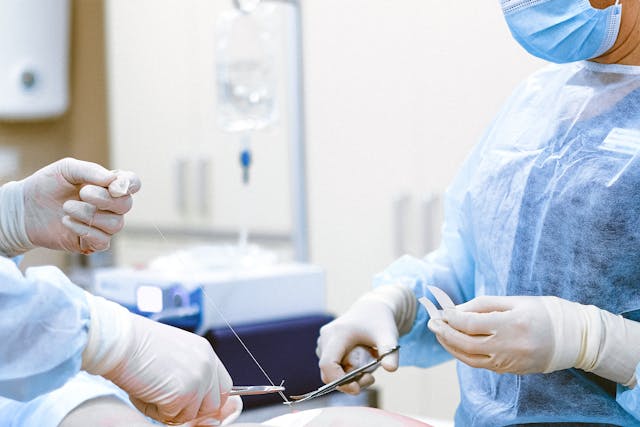
Hysteroscopy sits in a uniquely difficult category. It is often described as a quick outpatient procedure. Yet a substantial number of women report severe pain during it. The procedure uses a thin telescope to examine the inside of the uterus. Sometimes doctors also take a biopsy or perform treatment during the same visit. Cleveland Clinic says hysteroscopy can help identify causes of abnormal uterine bleeding, heavy periods, irregular spotting, and bleeding after menopause. On paper, that sounds controlled and efficient. In practice, the experience can vary sharply. Pain may depend on cervical access, instrument size, treatment needs, and how analgesia is handled. In the UNILAD article, patients described the procedure as unbearable. That language matches formal guidance from specialist bodies.
The Royal College of Obstetricians and Gynaecologists says most women will have some pain during outpatient hysteroscopy. RCOG says some women experience severe pain. It also reports that 1 third rate pain above 7 out of 10. Those numbers have changed the tone of this discussion. They challenge older assumptions that a short office procedure is automatically easy to tolerate. The procedure itself may be brief. Severe cervical pain or uterine cramping can still turn those minutes into a lasting memory. Clinical reviews explain why the issue remains so contentious. In the Cochrane review, Grishma Ahmad and colleagues wrote that pain is the “primary reason” procedures stop early. That finding places pain at the center of care. It cannot be treated as a minor side issue.
RCOG now tells women that the procedure can be stopped straight away if it becomes too painful. It also advises a clear discussion of pain relief options before the appointment. Depending on the case, a local anesthetic or a general anesthetic may be offered. More recent work offers practical improvements. In a 2025 clinical review, Naeun Jeong and colleagues said smaller hysteroscopes generally cause less discomfort. They also noted that the vaginoscopic technique can reduce pain because it may avoid speculum use and reduce cervical dilation. Those improvements matter, yet they do not erase the core problem. A patient remains awake while an instrument enters the cervix and uterus. The body may answer with cramping, pressure, or panic. The mismatch between expectation and reality is often what patients remember most clearly.
Many arrive expecting a quick test. Some leave describing a severe pain event that nobody properly prepared them for. That gap helps explain why hysteroscopy has become such a charged subject in women’s healthcare. The procedure has clear diagnostic value. However, the pain discussion now demands frank consent and better technique. It also demands respect for patients who say the experience was far worse than expected. That is why communication before the appointment matters so much. A woman who receives a clear warning, strong support, and real choice is less likely to feel cornered by the experience. When that preparation is missing, the procedure can damage trust as well as comfort. That is why this supposedly simple procedure now attracts more scrutiny from clinicians, colleges, and patients.
Total Knee Replacement
Total knee replacement is common, yet common never means easy. Many patients discover that during the first days of recovery. In the UNILAD article, Dr. Dean Eggitt called it “hugely traumatic to both bones and nerves,” which captures the operation. Surgeons remove damaged joint surfaces, shape bone, place metal and plastic components, and ask the patient to move early. The American Academy of Orthopaedic Surgeons says surgeons usually consider this operation after other treatments fail. Those treatments include medicines, injections, walking supports, and activity changes. Patients, therefore, often enter surgery after years of limitation. That history can create false hope. Some expect everything to improve immediately once the diseased joint is gone. However, early recovery often proves otherwise. The tissues around the knee are swollen.
Meanwhile, the joint must bend before it wants to bend. The leg must accept weight while the healing is still raw. Because the knee drives standing, walking, sitting, climbing, and sleep comfort, recovery intrudes into nearly every part of the day. A patient cannot simply avoid using it. That is why this operation often earns a harsher reputation than outsiders expect from a procedure performed so often. Research supports that reputation with uncomfortable clarity. In a 2023 review, Chia-Chun Tsai and colleagues reported severe postoperative pain in 60% of patients. Another 30% describe the pain as moderate. The review also said this pain can negatively affect early ambulation and rehabilitation. That is exactly where the struggle becomes most visible. AAOS tells patients they should expect discomfort after surgery.
Read More: Woman Diagnosed With Incurable Condition Described as the ‘Most Painful’ In Medicine
Its recovery guidance also says regular exercise is important for restoring strength and mobility. AAOS recommends exercise for 20 to 30 minutes daily. Some patients may need to exercise 2 to 3 times each day. Walking is also built into early recovery. That advice is medically sound, yet it explains the procedure’s brutal reputation. Progress depends on repeating movements that directly provoke the injured region. A stiff knee improves through bending. A weak leg improves through loading. Swelling settles through time, elevation, and continued rehabilitation, not retreat from movement. AAOS also notes that pain relief helps patients start moving sooner and regain strength faster. That shows how central pain control is to success. Even so, analgesia cannot remove the core contradiction. Surgery aims to relieve long-term joint pain.
It begins by creating a short-term period of intense surgical pain. Patients must work through that pain in therapy, at home, and during ordinary tasks. That opening phase explains the procedure’s reputation. Long-term outcomes may be excellent, yet the first stretch of recovery can be punishing. Pain also reaches beyond the knee itself during early recovery. Sleep often becomes difficult during recovery. Climbing stairs can become difficult quickly. Sitting down and standing up may require planning and support. That constant involvement in daily life is what makes recovery so relentless for many patients. Even getting into bed can require awkward adjustments. That constant negotiation with movement is why patients often describe knee replacement as recovery by repetition.
Disclaimer: This information is not intended to be a substitute for professional medical advice, diagnosis or treatment and is for information only. Always seek the advice of your physician or another qualified health provider with any questions about your medical condition and/or current medication. Do not disregard professional medical advice or delay seeking advice or treatment because of something you have read here.
A.I. Disclaimer: This article was created with AI assistance and edited by a human for accuracy and clarity.
Read More: These Are The Most Common Plastic Surgery Procedures Worldwide