

Reaching 80 is a major human achievement. It means a person has already outlived countless risks. Yet it also marks a stage when the body carries less reserve. Recovery slows after infection, surgery, dehydration, or a hard fall. Muscle loss starts hurting more in daily life. Weight loss can become dangerous much faster. Even mild setbacks can push an older adult off balance. The World Health Organization says healthy aging depends on functional ability and intrinsic capacity. Those capacities include walking, thinking, seeing, hearing, and remembering. When those abilities slip, everyday life gets harder. The American Social Security Administration’s 2022 period life table shows how narrow the margin becomes after 80. An 80-year-old man had an average of 8.11 years remaining, while an 80-year-old woman had 9.49.
That does not mean life after 80 must turn grim. Many people stay active into their late 80s and 90s. What changes is the price of neglect. A smaller social world can harm health faster. Reduced movement can turn caution into weakness. Broken sleep can cloud memory and drain energy. Grief, depression, and lost purpose can shrink appetite, routine, and self-care. These pressures often arrive together, then magnify each other. Families often wait for one dramatic explanation, yet late-life decline usually grows through ordinary losses that accumulate over time. Once those losses are seen clearly, they can be addressed earlier and with better odds of preserving independence.
The Shrinking Social World
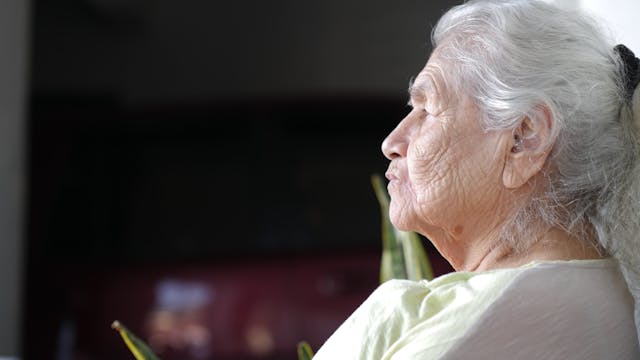
One of the biggest threats after 80 is not always disease. It is often disconnected from ordinary daily contact. Older adults often lose spouses, siblings, neighbors, driving ability, and easy mobility within a short span. Hearing loss also makes conversation harder and more tiring. Many errands now move online for convenience. Family visits may also grow less frequent. The days still look full from the outside, yet the number of human exchanges drops sharply. That decline carries biological weight because the body reads isolation as stress. NIA says, “Everyone needs social connections to survive and thrive.” People who spend long stretches alone also face higher risks of depression, cognitive decline, heart problems, and death. Even a full calendar can hide real social deprivation.
Many families look only at close relationships and miss the smaller contacts that hold daily life together. A chat with a cashier, a wave to a neighbor, or five minutes at a church door can steady the mood. Those contacts also preserve speech, attention, memory, and orientation. When they disappear, people may speak less, move less, and notice fewer reasons to leave home. In 2024, a JAMA Network Open cohort study led by C. Lyu found that increased isolation in older adults was associated with higher risks of mortality, disability, and dementia. That finding matches what clinicians often see before a larger decline becomes obvious. These moments also remind people that others still notice them. They protect confidence in public spaces as well.
Isolation rarely arrives in one dramatic moment. It usually builds through daily friction and small barriers. A hearing aid battery dies before breakfast, a bus route changes near the house, or a daughter moves farther from the neighborhood. Knees start hurting on the stairs. Cold weather can limit walking outside. Each problem seems manageable on its own. Together, they cut off the routines that kept an older adult anchored to the world. Another NIA summary reported a 31 percent higher dementia risk linked to loneliness. That result came from a large analysis of NIA-funded population studies. The finding does not prove loneliness causes every case. It does show that disconnection is not a minor emotional issue. It can track with serious brain and body decline. Late life can narrow quickly when these barriers go unchecked.
The answer is not vague advice about staying social. Older adults need built-in contact that survives bad weather, pain, and fatigue. A standing breakfast date works better than open-ended plans. Senior centers, exercise classes, volunteer shifts, faith groups, and regular family calls give the week shape. Hearing checks and transportation support matter too, because connection depends on access. Even brief contact counts when it happens often. A life with daily touchpoints is usually safer than a life built around occasional visits. After 80, social connection is not a luxury. It acts more like infrastructure, and strong infrastructure often helps people remain stable for longer. Regular contact also gives relatives an earlier warning when health begins slipping. That warning window can prevent a crisis.
Fear Turns Into Frailty
Another reason many adults do not live much past 80 is that movement collapses after a scare. The turning point may look small. A person slips in the bathroom one morning. A curb suddenly looks too high. A dizzy spell creates real fear. From there, many older adults start trimming risk from the day. They stop walking outside to the mailbox, carry less laundry across the home, or may avoid stairs whenever possible. At first, that caution seems sensible. However, the body reads reduced movement as a command to downsize. Muscles start weakening from less use. Balance worsens during routine tasks later. Endurance fades across the week, too. A person who stopped moving to avoid injury can become more easily injured within months. That change often happens before anyone names it as frailty.
The Centers for Disease Control and Prevention warns that fear of falling can start this cycle. That risk can grow even when no serious injury occurs. Its guidance states, “When a person is less active, they become weaker.” That simple line explains a brutal late-life trap. More than 1 in 4 adults age 65 or older report falling each year. Falls also remain a leading cause of injury in that age group. Yet the damage does not begin only with broken bones. It often starts with withdrawal from ordinary movement. Once people stop challenging their legs, lungs, grip, and balance, ordinary tasks become harder. Harder tasks then invite even more sitting. Fear can become more disabling than the first fall.
This is why movement after 80 must be treated like maintenance, not recreation. The NIA says physical activity is essential for healthy aging. The CDC adds that varied physical activity improves physical function and lowers fall risk. Strength work protects independence. Balancing work protects confidence. Walking supports errands, routine, and social contact. In a 2024 JAMA Network Open study led by D. Martinez-Gomez, physical activity was tied to lower mortality across age groups. The reduction was even greater in older adults. It also helps preserve mood, appetite, and social reach. Consistency matters more than speed or intensity.
The practical goal is not extreme fitness. The real goal is retained capacity for everyday life. That may mean chair stands before breakfast, a daily walk with a cane, or supervised balance drills. It may also include gardening or light resistance work. Many people can regain ground after a setback if they restart early. Families should not praise total rest for too long after minor problems. They should ask what movement remains safe today. Caution has value, but overprotection can quietly erase ability. After 80, a body that keeps receiving clear movement signals usually holds on better. The body that stops getting those signals often declines faster than anyone expected. Small, repeated effort usually beats rare heroic effort in late life. Rehabilitation should begin with function, not perfection. Even modest daily movement can preserve confidence, protect balance, and keep ordinary tasks from becoming exhausting barriers in later life.
Sleep Stops Repair Work
Sleep becomes more fragile with age, yet families often treat bad sleep as a nuisance instead of a health issue. That view creates real trouble over time. The NIA says older adults still need about 7 to 9 hours of sleep each night. Sleep supports attention, mood, metabolism, immune function, and physical repair. Poor sleep can blur thinking the next day, worsen irritability, and raise the odds of a fall. It can also interact with pain, medications, nighttime urination, and chronic disease. After 80, one bad night may be manageable. Several bad months can wear down an older adult from multiple directions at once. It can also weaken blood sugar control and pain tolerance. Poor sleep also makes medication side effects harder to tolerate.
Late life often disrupts the body clock in ordinary ways. Many adults get less morning sunlight because they spend more time indoors. They nap longer because they are tired. They watch television late into the evening. Some keep bright lights on at night for safety. Others scroll on a phone when sleep will not come. The central circadian clock in the brain uses light and darkness to time wakefulness and rest. NHLBI explains, “Daylight is key to regulating daily sleep patterns.” When morning light drops and nighttime light rises, the brain receives mixed signals all day. Many homes are dim during the day and bright at night. That reversal pushes the body out of rhythm.
That confusion can steal function in ways families miss. A person may look merely tired, yet poor sleep can worsen memory, slow reaction time, and sap motivation. The CDC notes that good sleep is essential for health and emotional well-being. NHLBI guidance also advises people with trouble sleeping to get morning sunlight and reduce bright light before bed. These steps sound basic because they are basic. However, late-life care often overlooks them while chasing stronger medications. Sleep medicines have a place for some patients, but they can also bring confusion, unsteadiness, and next-day grogginess. A cleaner light routine often helps before riskier solutions appear. The tired person may then withdraw from meals, exercise, and conversation. Families often notice confusion before they notice sleep loss.
Protecting sleep after 80 requires structure. Wake time should remain consistent each day. Curtains should open early every morning. A short walk outdoors can help anchor the day. Daytime naps should be limited when possible. Evening light should drop, and screens should move farther from bedtime. Doctors should also review medications, pain, sleep apnea, depression, and bladder issues when sleep breaks down. Families sometimes accept chronic sleep trouble because it has lasted for years. They should treat it as a real health problem. Broken sleep drains strength slowly, then all at once. Older adults often function better when the body clock gets strong daytime cues and calmer evenings. That improvement can arrive before any new prescription enters the picture. Good sleep often improves mood before it improves strength. Better rest can restore patience and clearer judgment.
Read More: Common Daily Vitamin Linked to Slower Aging Over 4 Years, Harvard Study Finds
Loss Steals Momentum
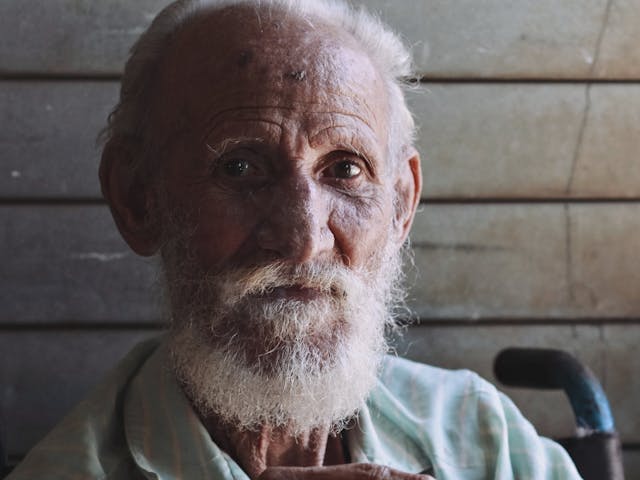
By 80, many adults have buried people who once held their world together. A spouse may die after a long illness. A brother may disappear from Sunday calls. A friend from work may pass away. Sometimes the losses come so often that mourning becomes private and compressed. Older adults may stop bringing it up because they do not want to burden others. That silence can carry a cost. NIA explains that after a loved one dies, “your world changes.” Grief can disrupt appetite, sleep, concentration, and social interest. It can also weaken the desire to manage daily tasks. When grief goes unsupported, it can harden into withdrawal that looks like normal aging from the outside. Many people survive the loss, yet shrink afterward. That shrinking can become hard to reverse.
Depression can also deepen that withdrawal. It should never be waved away as an ordinary feature of late life. The NIA states that depression is common in older adults, but it is not a normal part of aging. Untreated depression can reduce activity and worsen isolation. It can also interfere with medication routines and strip away recovery effort. Bereavement research adds another warning for families and clinicians. A review in The Psychobiology of Bereavement and Health examined spousal loss. It linked that loss with higher risks of illness and death in the following weeks and months. Pain in the mind often spills into the body when support remains thin. The person may look uninterested when they are actually ill.
There is also the issue of purpose, which many people misunderstand. Purpose does not require a grand mission. It can mean rising at 7, watering plants, feeding a dog, calling a neighbor, or folding fresh towels. Small duties help older adults keep time, identity, and self-respect. NIA guidance on meaningful activity notes that social and productive activities people enjoy may help maintain well-being and independence. Research points in the same direction. In a 2019 JAMA Network Open study led by A. Alimujiang, a stronger purpose in life was associated with decreased mortality among American adults older than 50. Purpose does not cure disease, yet it supports the habits that protect life. Purpose also helps organize meals, medication, and movement.
This is why long life after 80 depends on more than good lab results. Older adults need emotional outlets, treatment for depression when it appears, and routines that make tomorrow worth entering. Support groups, counseling, faith practices, volunteer roles, grandchildren, pets, hobbies, and neighborhood rituals can all help. Families should listen for warning signs such as hopelessness, no reason to live, or a sudden collapse in daily structure. They should also stop assuming that sadness is inevitable and untreatable. The will to keep going draws strength from connection, usefulness, and recognition. When those elements shrink, health often follows. When they return, many older adults regain more ground than relatives expect. Recognition from others can strengthen that drive. Older adults need reasons to be expected somewhere. Even small obligations can help restore direction, appetite, and perseverance.
Disclaimer: This information is not intended to be a substitute for professional medical advice, diagnosis or treatment and is for information only. Always seek the advice of your physician or another qualified health provider with any questions about your medical condition and/or current medication. Do not disregard professional medical advice or delay seeking advice or treatment because of something you have read here.
A.I. Disclaimer: This article was created with AI assistance and edited by a human for accuracy and clarity.
Read More: “Granny Pods” Now Allow Your Aging Parents to Live in Your Backyard