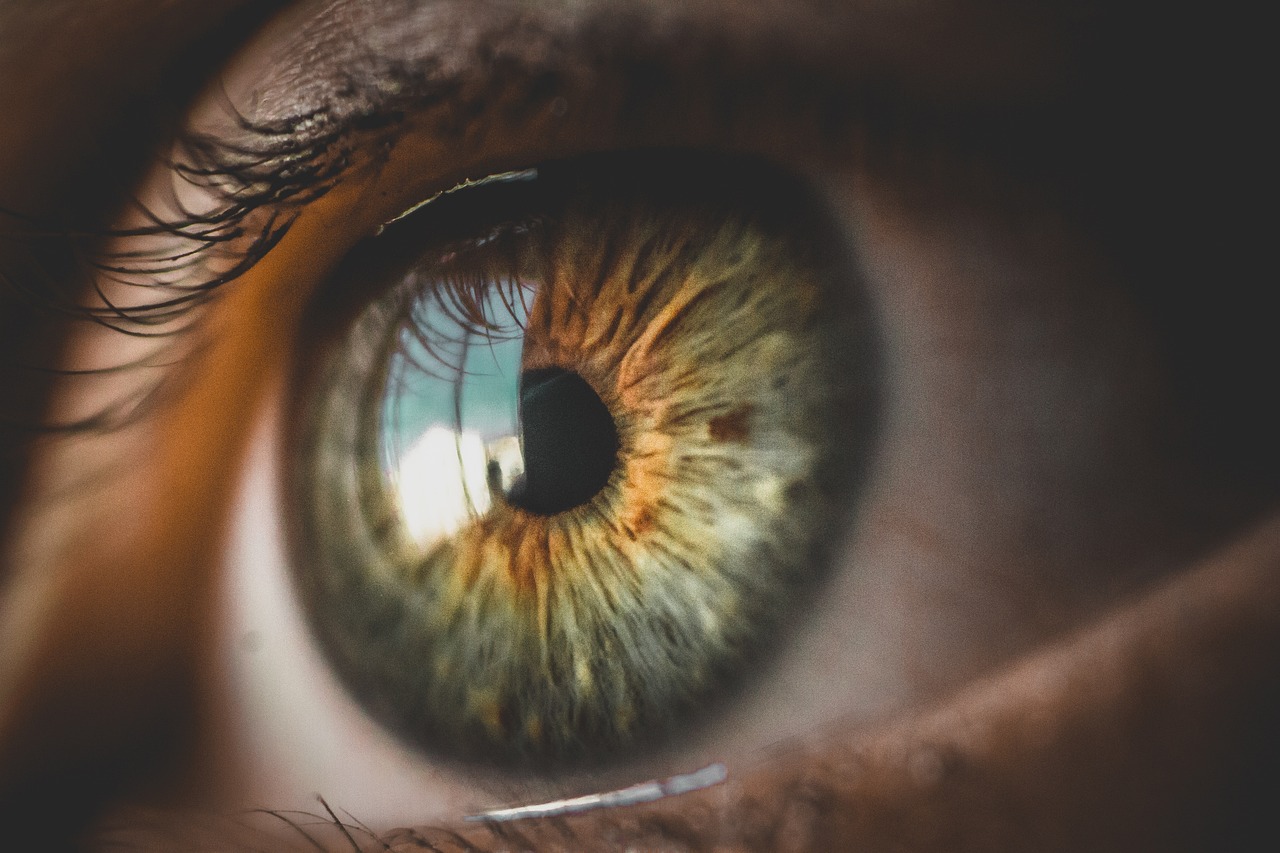

Most people don’t think much about their eye lens until something starts going wrong. Maybe it’s that oncoming headlights seem unusually harsh at night, or the colors in a favorite painting look duller than they used to. Perhaps you keep updating your glasses prescription, and it still doesn’t feel quite right. These are the kinds of small changes that can accumulate over years without obvious cause, until an eye doctor tells you there’s a cataract forming.
Cataracts are so common that they’ve become almost expected as part of getting older. But “common” doesn’t mean harmless. The condition is one of the most serious threats to vision in the world, and across the United States, tens of millions of people are living with it to some degree. What changes lives, though, is whether those people get the treatment they need and how much they actually understand what’s happening to their eyes.
Board-certified ophthalmologist Dr. Jeffrey Levenson has made it his mission to close that information gap. His perspective on cataracts covers what causes them, who faces the greatest risk, and what modern surgery can actually achieve.
How Many Americans Are Affected by Cataracts?
The numbers are striking. According to the CDC, more than 20 million Americans have cataracts, with projections showing the number of cases could rise by 50% to 38.5 million by 2032 as the U.S. population ages.
This isn’t a niche health issue. According to the National Eye Institute, more than half of all Americans age 80 and older either have had cataracts or have had surgery to get rid of them. And the impact isn’t distributed evenly. Research has found that among Medicare beneficiaries, cataract prevalence increased from 36.38% in 2014 to 37.03% in 2021, with the estimated national burden rising from 15.7 million to 19.6 million cases, and Black beneficiaries had the lowest surgical rates of any group tracked.
What Are the Early Signs of Cataracts?
Understanding cataract symptoms early is the fastest path to protecting your vision. The difficulty is that cataracts develop slowly, often over years, so the changes can be easy to dismiss or attribute to normal aging.
You may not notice any changes in your vision in the early stages. Cataracts tend to grow slowly, meaning eyesight worsens gradually. Common symptoms include halos around lights, needing more light to read, reduced clarity of vision, and a reduction in the brightness of colors, according to Johns Hopkins Medicine.
Colors may appear dulled, as though you’re looking through a tinted filter. This happens because the proteins that make a cataract cloudy are brownish in hue and affect color perception, Cedars-Sinai ophthalmologist Dr. Lisa Dang explains. Another easily overlooked signal is a pattern of frequent prescription changes. If your glasses or contact lenses no longer seem to help, or you’re returning for new prescriptions more often than usual, cataracts may be behind it.
Experts note that proteins in the eyes begin breaking down around age 40, though patients typically don’t notice cataract symptoms until age 60 or later. This long, silent phase is exactly why routine eye screening matters so much. The healthiest approach is not to wait for symptoms, because by the time vision changes become noticeable, the cataract may already be well advanced.
What Causes Cataracts, and Who Is Most at Risk?
To understand how cataracts affect vision over time, it helps to understand what’s actually happening inside the eye. A cataract occurs when the protein in the lens of your eye begins to break down and clump together, causing the lens to become cloudy and affecting eyesight. In a healthy eye, the lens is clear and focuses incoming light precisely onto the retina. As thickening and clouding occur, it keeps light rays from passing through the lens and focusing properly.
Age is the dominant driver, but it’s not the only one. Cataracts can be more common in people with diabetes, after eye trauma, or in those taking corticosteroid medications. Major risk factors also include smoking, ultraviolet (UV) exposure, and genetic predisposition, all of which are recognized in clinical ophthalmology guidance.
Adults are generally advised to begin comprehensive eye exams around age 40 to detect early age-related eye disease, including cataracts.
Many of these risks are modifiable or worth discussing with a clinician, particularly smoking and UV exposure, while others (like age and genetics) are non-modifiable but still important for prevention and screening discussions.
Removing a cataract not only improves vision but reduces eye pressure, which can help prevent glaucoma. It also gives doctors a clearer view of the back of the eye, improving their ability to detect diabetic eye disease or macular degeneration, notes Dr. Dang. That secondary benefit of surgery is underappreciated. Treating a cataract often means getting a more complete eye health picture at the same time.
Can Cataracts Cause Permanent Blindness Without Treatment?
This is one of the most pressing questions for anyone newly diagnosed, and the answer is yes. A 2025 peer-reviewed study in the journal Eye found that cataract is the main cause of global blindness, with approximately 15.2 million cases representing 45% of all blindness worldwide, and the second leading cause of moderate-to-severe visual impairment, accounting for 78.8 million cases.
The scale of that figure reflects what happens in parts of the world where access to surgery is limited. But the risk exists everywhere. The number of people who are blind or have moderate-to-severe visual impairment is projected to increase from 338.3 million in 2020 to 535 million by 2050, driven by global population growth, aging, and rates of untreated cataracts.
The key phrase is “untreated.” Cataracts are the world’s leading cause of blindness, accounting for approximately 42% of all cases of blindness across all nations, with the critical caveat that this burden is largely preventable with surgery. When someone asks whether cataracts can cause permanent blindness, the honest answer is that they can, and do, but they don’t have to.
What Happens If Cataracts Are Left Untreated?
Left alone, a cataract will continue to grow. As cataracts worsen, vision becomes increasingly cloudy. The condition is progressive, meaning it only gets worse over time. At advanced stages, it becomes significantly harder to manage. At the most advanced hypermature stage, cataracts become densely opaque, hardened, and may dislocate, causing numerous vision issues. At this stage, the condition is dangerous and should be treated as quickly as possible.
For people with other existing eye conditions, the risks compound. Patients who also have glaucoma, macular degeneration, or diabetic eye disease face more complicated outcomes, both from the untreated cataract and from reduced ability to monitor or treat those conditions when the lens is too clouded to see through.
The practical answer to “when should you get cataract surgery” isn’t a specific vision threshold. It’s a quality-of-life threshold. Surgery is the only way to remove a cataract, but you may not need it right away. Early on, some patients can manage with small adjustments like new glasses or better lighting. Doctors typically recommend surgery when cataracts start interfering with everyday activities like reading, driving, or watching TV. The moment those activities become difficult or unsafe, surgery becomes the conversation to have.
Modern Cataract Surgery: What It Involves
Cataract surgery has come a very long way from what it once was. Approximately 3.8 million cataract surgeries are performed annually in the United States, over 4.3 million in Europe, and more than 20 million internationally, making it one of the most frequently performed surgical procedures on Earth. It is currently the only proven way to treat cataracts in adults. For most people, surgery restores vision with no complications and a fast recovery.
The procedure itself involves removing the clouded natural lens and replacing it with a clear artificial one called an intraocular lens (IOL). The IOL permanently stays in the eye, and providers typically recommend surgery when cataract symptoms interfere with daily life.
When it comes to surgical technique, patients today have more options than ever. Traditional cataract removal, known as phacoemulsification, uses ultrasound energy to break up the cloudy lens. Femtosecond laser-assisted cataract surgery (FLACS) takes a different route. FLACS is a well-established procedure that consistently delivers excellent visual and refractive outcomes and is associated with a low complication rate. A major benefit of the femtosecond approach is a significant reduction in ultrasound energy required to emulsify the lens, which may reduce trauma to delicate intraocular structures.
That matters most for patients with already-vulnerable corneas. FLACS may be particularly well-suited for those with a co-existing eye disease or complexity, such as a corneal dystrophy, complicated cataract, or macular disease. Studies do not show any significant benefit in long-term visual results between FLACS and conventional phacoemulsification for routine cases, a point worth discussing openly with your surgeon.
IOL technology has also become far more sophisticated. Beyond the standard monofocal lens, patients can now choose premium multifocal IOLs designed to deliver clear vision at near, intermediate, and far distances. Light Adjustable Lenses (LALs) go a step further, allowing lens power to be fine-tuned with UV light treatments after surgery until vision reaches the patient’s target. Specialty IOLs can correct astigmatism and presbyopia, and while these aren’t covered by insurance, they may significantly reduce dependence on glasses or contacts after surgery, according to the Cleveland Clinic.
Cataract Surgery Recovery: What to Expect
Recovery from cataract surgery is much faster than most people assume. Cataract surgery is one of the most common and successful surgeries performed in the United States. Most people can resume normal activities within days or weeks, though it can take up to a year for the eyes to feel completely normal, according to the American Academy of Ophthalmology.
Within the first 48 hours, most patients see dramatic vision improvements, though fluctuations are common as the eye adapts to its new IOL. Most people can do very light exercise, including walking, the day after surgery. For the first two weeks, however, bending over, heavy lifting, and strenuous activity should be avoided to prevent pressure building up in the healing eye.
One of the things patients consistently report is surprise at the visual outcome. After years of gradual dimming and color distortion, the world after surgery can look strikingly different. Colors appear more vivid, light feels cleaner, and contrast improves in ways that the slow decline of cataract progression had completely obscured. For patients with otherwise healthy eyes, outcomes are excellent. For those with complicating conditions, an honest pre-surgical conversation with an ophthalmologist helps set realistic expectations.
Read More: How to Naturally Prevent Eye Problems
What This Means for You
If you’re over 40 and haven’t had a comprehensive eye exam recently, that’s the single most useful thing this article can point you toward. Adults should begin screening with a comprehensive eye exam by age 40, not because cataracts are certain at that age, but because baseline data makes every future exam more informative. Many ophthalmologists and optometrists diagnose cataracts through a comprehensive eye exam, and catching changes early gives you far more options.
If you’ve already been told you have a cataract, the most important takeaway is that waiting doesn’t necessarily make things worse. Ignoring symptoms that affect your daily safety, particularly night driving, does carry real risk. Discuss your vision goals with your surgeon. Ask about IOL options. Ask whether you’re a candidate for laser assistance. The conversation about what kind of vision you want after surgery is just as important as the surgery itself. Cataract treatment today is not just about removing what’s clouded. It’s about rebuilding clarity on your own terms.
Disclaimer: This information is not intended to be a substitute for professional medical advice, diagnosis or treatment and is for information only. Always seek the advice of your physician or another qualified health provider with any questions about your medical condition and/or current medication. Do not disregard professional medical advice or delay seeking advice or treatment because of something you have read here.
A.I. Disclaimer: This article was created with AI assistance and edited by a human for accuracy and clarity.
Read More: Can Your Eyes Reveal Diabetes or Cancer? Don’t Miss the Signs