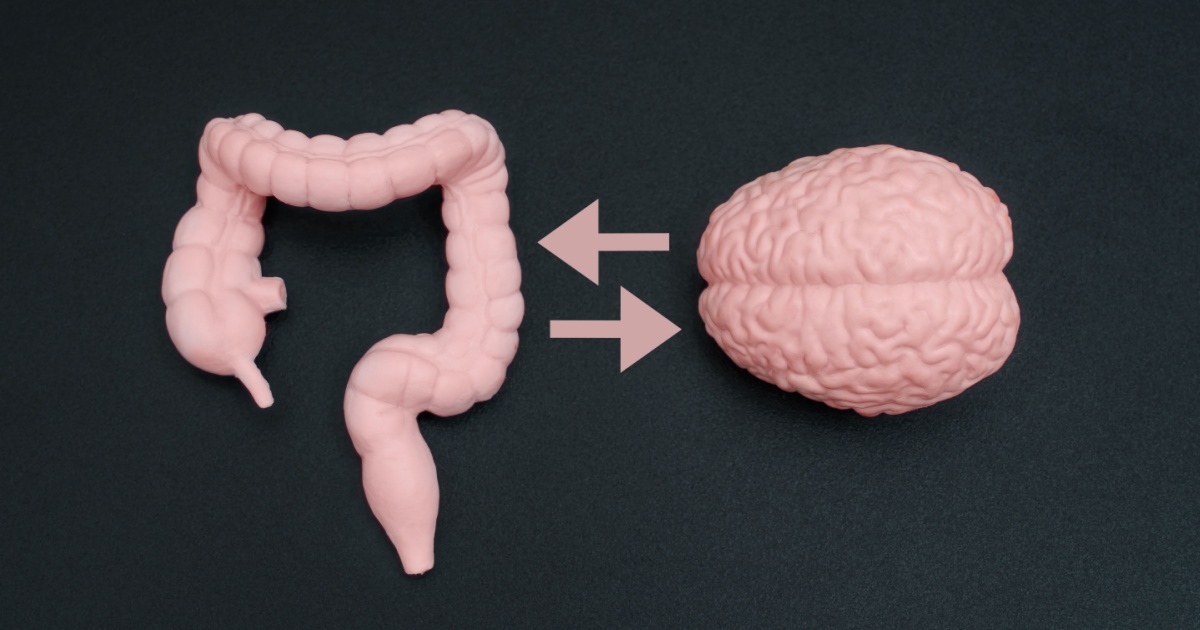

Most people think of the gut as a digestive organ. Something that processes food, absorbs nutrients, and occasionally causes trouble on a stressful morning. But over the past decade, researchers have been quietly assembling a very different picture – one where the trillions of microbes living in your intestines are doing something far more consequential than digestion. They’re talking to your brain. And the science increasingly suggests your brain is listening.
If you’ve noticed your mood shift after a stretch of poor eating, or felt your anxiety tick up after a course of antibiotics, you’re not imagining things. There’s a biological reason that happens. The connection between what’s going on in your gut and how you feel, think, and age is one of the most actively researched areas in medicine right now, and what researchers are finding is compelling enough that it’s changing how many doctors approach conditions ranging from depression to Parkinson’s disease.
This isn’t fringe science or supplement marketing. The underlying mechanism has a name: the gut-brain axis. Understanding it could change how you approach your daily habits.
What the Gut-Brain Axis Actually Is
The gut’s widespread impact on health includes its direct influence on and communication with the brain, a conduit known as the gut-brain axis. Think of it as a two-lane highway running between your digestive system and your central nervous system. Traffic moves both ways. Your brain signals to your gut (which is why nerves and stress cause stomach problems), and your gut signals back to your brain through chemical messengers, immune cells, and your nervous system.
The human gastrointestinal tract is populated with a diverse microbial community, and the vast genetic and metabolic potential of the gut microbiome underpins its role in nearly every aspect of human biology, including health maintenance, development, aging, and disease. The gut contains more than 100 million neurons lining the digestive tract, more than any structure in the body outside the brain, leading some scientists to call it the “second brain” – though that’s a loose analogy. What matters is the sheer density of neural activity happening below your ribcage.
The microbiota-gut-brain axis is increasingly recognized as a critical regulator of brain health, influencing both neurodevelopment and age-related neurological decline. Disruptions in this axis, driven by gut dysbiosis, have been implicated in the pathogenesis of a wide range of neurodegenerative and neuropsychiatric disorders.
Your Gut Makes Most of Your Serotonin
Here’s something that surprises most people. Serotonin is the neurotransmitter (chemical messenger) most associated with mood and well-being. It’s what antidepressants like SSRIs are designed to work on. And most people assume it’s made in the brain. It isn’t – at least, not mostly.
Although serotonin is principally known for its role in the central nervous system, approximately 95% of the body’s serotonin is found in the GI system, where it mediates pain perception and gut secretion and motility. Your gut microbes play a direct role in that production. In animal research, indigenous spore-forming bacteria from the mouse and human microbiota promote serotonin biosynthesis from colonic enterochromaffin cells, and microbiota-dependent effects on gut serotonin significantly impact host physiology, modulating GI motility and platelet function. When germ-free mice – animals raised without any gut bacteria – were recolonized with normal gut microbes, serotonin levels normalized, demonstrating how directly microbial populations regulate this production process.
There’s an important nuance here. Gut-derived peripheral serotonin typically does not cross the blood-brain barrier, so the relationship between gut-produced serotonin and brain mood is indirect. The gut microbiota can modulate host serotonin systems both directly and indirectly. Direct actions of gut microbes, evidenced by studies using germ-free animals or antibiotic administration, alter the expression of key serotonin-related genes to promote serotonin biosynthesis. Indirectly, the gut microbiota produce numerous microbial metabolites whose actions can influence host serotonergic systems in a variety of ways.
What this means practically: the state of your gut microbiome shapes the neurochemical environment your brain operates in through a cascade of biological signals – including immune responses, the vagus nerve (a long nerve running from the brainstem to the abdomen), and hormone-like molecules released into your bloodstream.
When the Gut Microbiome Goes Wrong
A healthy, diverse microbiome operates like a well-run city. Different microbial communities carry out different jobs. Problems arise when that diversity collapses, or when harmful bacteria begin to dominate – a state researchers call dysbiosis (literally, a disrupted balance).
Common findings in dysbiosis include reduced microbial diversity, depletion of short-chain fatty acid-producing bacteria, and enrichment of pro-inflammatory species. These shifts alter gut-brain communication pathways and disrupt the synthesis of critical neurotransmitters such as serotonin and GABA – a calming brain chemical that helps maintain the balance between excitatory and inhibitory signaling.
The Parkinson’s connection is particularly striking. In Parkinson’s disease, gut issues such as constipation and heartburn often precede movement symptoms by years or even decades. A 2024 study led by researchers at Harvard-affiliated Beth Israel Deaconess Medical Center found the risk of developing Parkinson’s disease was 76% higher among those with damage to the lining of their upper gastrointestinal tract than among those without. On average, Parkinson’s disease was diagnosed 14.2 years after the mucosal damage was first detected. This suggests the disease may not begin in the brain at all, but in the gut.
Meanwhile, chronic inflammation – the low-grade, persistent type that simmers for years – is now understood to be a key mechanism linking gut health to systemic disease. A balanced microbiome appears to be essential for healthy brain function, while microbial perturbations can contribute to cognitive deficits, mood disturbances, and neuroinflammation. Both physical and emotional stress are associated with inflammatory signaling, and individuals with irregular sleep schedules are more likely to experience chronic inflammation than consistent sleepers – making sleep itself an independent variable in gut-brain health.
The Exercise-Microbiome Connection You Probably Haven’t Heard About
Most people know that diet shapes the gut microbiome. What’s less widely known is that your motivation to exercise might partly come from your microbiome too.
Research found that mice more inclined to run on exercise wheels had different microbiomes than their sedentary counterparts. When researchers performed a microbiome swap via fecal transplant, the animals’ exercise enthusiasm also switched. Scientists traced the difference to certain fatty acid metabolites generated by the microbes in exercise-loving mice – these molecules stimulate nerves in the gut that send signals to the brain to produce dopamine, a brain chemical associated with pleasure and motivation.
This research was done in mice, so it doesn’t directly translate to human behavior. Still, it raises a real question: what if supporting gut diversity makes healthy behavior feel less effortful, not just more achievable through willpower?
Recent findings also demonstrate that antibiotic-induced gut dysbiosis can reshape dendritic architecture in adult cortical interneurons and stellate cells in the medial entorhinal cortex. In plain terms: disrupting gut bacteria through antibiotics may physically alter the structure of certain brain cells in adults – something researchers did not previously understand to occur. The metabolic consequences of microbiome imbalance extend well beyond digestion.
For those interested in how diet and sleep affect daily energy, the microbiome sits at the intersection of all three.
What Actually Disrupts Your Microbiome
Before getting to what helps, understanding what hurts matters. The composition of the gut microbiota is shaped from birth and continues to evolve in response to diet, the environment, and lifestyle. Disruptions during critical developmental periods – such as birth by cesarean section, lack of breastfeeding, antibiotic use, or early-life stress – have been linked to an increased risk of neuropsychiatric disorders later in life.
In adulthood, a diet rich in saturated fat, trans-fats, or refined sugar is associated with higher production of pro-inflammatory molecules. Ultra-processed foods have drawn particular attention. A 2025 meta-analysis of 18 prospective cohort studies covering more than 1.1 million participants found that those with the highest ultra-processed food consumption had a 15% increased risk of all-cause mortality, with each 10% increment in consumption linked to a further 10% higher mortality risk. Separate research published in JAMA Neurology found that those who ate diets rich in ultra-processed foods experienced a 28% faster rate of global cognitive decline compared with those who ate the least.
Antibiotics, while sometimes medically necessary, can dramatically alter microbial diversity. A 2025 study published in Frontiers in Neuroanatomy found that antibiotic-induced dysbiosis reduced the density and altered the morphology of inhibitory interneurons (nerve cells that help regulate brain activity) in multiple brain regions in adult mice. The findings suggest that antibiotic-induced dysbiosis potentially influences the density and morphology of interneurons, which may contribute to the development of neurological disorders.
What the Research Says Actually Helps
Here’s where the science gets concrete. Two of the most well-studied approaches to supporting gut microbiome diversity are dietary fiber and fermented foods. Researchers at Stanford Medicine led a 2021 randomized controlled trial – the gold-standard study design – that found feeding people a diet high in fermented food increased the healthy diversity of their gut microbiome and lowered their overall levels of inflammation. High-fiber diets have also consistently been shown to support a diverse gut microbiome.
Fermented foods to consider include plain yogurt with live cultures, kefir (a fermented milk drink), kimchi, sauerkraut, and miso. These provide live bacteria directly. High-fiber foods – vegetables, legumes, whole grains, fruit – feed the bacteria you already have. The practical difference matters: fermented foods add microbes, fiber nourishes them.
Prebiotics – non-digestible food compounds that feed beneficial bacteria – are found naturally in foods like garlic, onions, leeks, asparagus, bananas, and oats. A placebo-controlled trial published in Psychopharmacology found that three weeks of a specific galactooligosaccharide prebiotic compound lowered the cortisol awakening response – cortisol being the primary stress hormone – in healthy volunteers. That’s a meaningful finding for anyone managing chronic stress, because it suggests feeding the right gut bacteria may influence how your body responds to stress at a hormonal level.
Fruits and vegetables such as blueberries, apples, Brussels sprouts, cabbage, broccoli, and cauliflower, which are high in natural antioxidants and polyphenols, may protect against inflammation. These aren’t exotic compounds – they’re foods most people already know they should be eating more of. The mechanisms connecting them to gut and brain health give that familiar advice a stronger foundation.
New findings have also revealed that gut microbes help regulate corticosterone (a stress hormone) rhythms and influence stress-related brain pathways. This helps explain why disrupted sleep and disrupted gut health so often go together: they share overlapping biological mechanisms, with each capable of worsening the other.
Read More: Post-Pandemic Spike in Gut-Brain Health Issues Raises Concerns
What to Do Now
The gut-brain axis is not a theory in search of evidence. It’s an established biological reality backed by a growing body of human research. The practical direction is clear, even if the underlying science remains active and evolving.
Start with what you eat. A diet based primarily on whole foods – plenty of fiber from vegetables and legumes, and regular servings of fermented foods – consistently emerges as the dietary pattern most supportive of microbiome diversity. This isn’t about a specific protocol or supplement stack. It’s about reducing ultra-processed foods and increasing the variety of plants on your plate. According to a 2025 NIQ survey of consumers across 19 countries, 53% of respondents plan to buy more high-fiber foods, while around 40% plan to buy more superfoods, high-protein plant-based foods, or probiotic foods. Consumer behavior is already moving in this direction.
Sleep and stress management matter too. Given the bidirectional relationship between gut health, sleep quality, and cortisol levels, treating your microbiome as isolated from the rest of your daily habits will limit your results. The gut-brain axis doesn’t work in a vacuum – it responds to your whole lifestyle.
One final, honest note: psychiatric and neurological diseases don’t develop because of a single cause, and the gut microbiota is likely one factor among many. Much of the most striking research still comes from animal studies, and translating those findings to clinical treatments in humans takes time and rigorous testing. What’s clear right now is that maintaining a diverse, well-nourished gut microbiome is among the most evidence-backed investments you can make in your long-term health – physical and mental alike. The biology is compelling. The steps to support it are, fortunately, well within reach.
Disclaimer: This information is not intended to be a substitute for professional medical advice, diagnosis or treatment and is for information only. Always seek the advice of your physician or another qualified health provider with any questions about your medical condition and/or current medication. Do not disregard professional medical advice or delay seeking advice or treatment because of something you have read here.
AI Disclaimer: This article was created with the assistance of AI tools and reviewed by a human editor.
Read More: Top 3 Gut-Unfriendly Foods According to a Gastroenterologist