
A Quick Overview:
Early this month, Utz Quality Foods issued a voluntary nationwide recall of nine varieties of Zapp’s and Dirty brand potato chips after the company was notified that a dry milk powder ingredient in the chips’ seasoning, sourced from California Dairies, Inc., may be contaminated with Salmonella. The recall was issued as a precautionary measure; affected seasoning batches tested negative for the bacteria prior to use, and no illnesses have been reported. The action is part of a larger, still-expanding chain of recalls and public health alerts linked to the same contaminated dairy ingredient, affecting snack mixes, frozen pizzas, pork rinds, and other products sold nationwide. Consumers who have any of the recalled products should not eat them and should discard them immediately.
Potato chips don’t usually rank high on most people’s food safety radar. Salmonella, after all, is a threat most consumers associate with raw chicken or undercooked eggs – not a bag of snacks sitting in a pantry. That assumption may be worth revisiting.
On May 4, 2026, Utz Quality Foods – one of the largest snack manufacturers in the United States – quietly posted a recall notice that has since rippled across the country. The announcement named two of its most recognizable chip brands. The reason wasn’t a production error at a chip factory. It started, instead, with a single ingredient: a milk powder used to coat the seasoning on certain flavors. And the contamination concern that triggered this recall had already been quietly spreading to other food products for days before the chips were named.
This is more than a single-brand recall story. It’s a window into how a safety problem at one dairy supplier can move through the modern food system – jumping from chocolates to pizzas to potato chips, hitting refrigerators, freezers, and pantry shelves across all 50 states before most consumers even hear about it.
The Recall: What Utz Announced and Why
On May 4, 2026, Utz Quality Foods, LLC, a subsidiary of Utz Brands, Inc., voluntarily issued a recall of certain limited varieties of Zapp’s and Dirty brand potato chips due to potential Salmonella contamination. Utz Brands is headquartered in Hanover, Pennsylvania, and the recall followed notification to the company that a seasoning containing dry milk powder, sourced from California Dairies, Inc. and supplied by a third-party supplier, may contain the presence of Salmonella.
The detail that stands out is this: the affected seasoning batches tested negative for Salmonella prior to use; however, out of an abundance of caution, Utz is recalling the limited varieties of Zapp’s and Dirty brand potato chips identified in the notice. In other words, Utz did not wait for a positive test result on its own products. The company stated it is “recalling these products based on the ingredient supplier’s recall.”
Retailers are instructed to check their inventories and shelves to confirm that none of the products are present or available for purchase by consumers, and this voluntary recall is being conducted with the knowledge of the United States Food and Drug Administration.
To date, there have been no complaints of illness reported to Utz in connection with the recalled products.
The Full List of Recalled Products
The recall includes three flavors of Zapp’s chips in multiple bag sizes as well as three flavors of Dirty chips in 2-ounce bags – nine Utz products in total. All affected products were sold nationwide with best-by dates in July and August 2026.
Zapp’s Brand
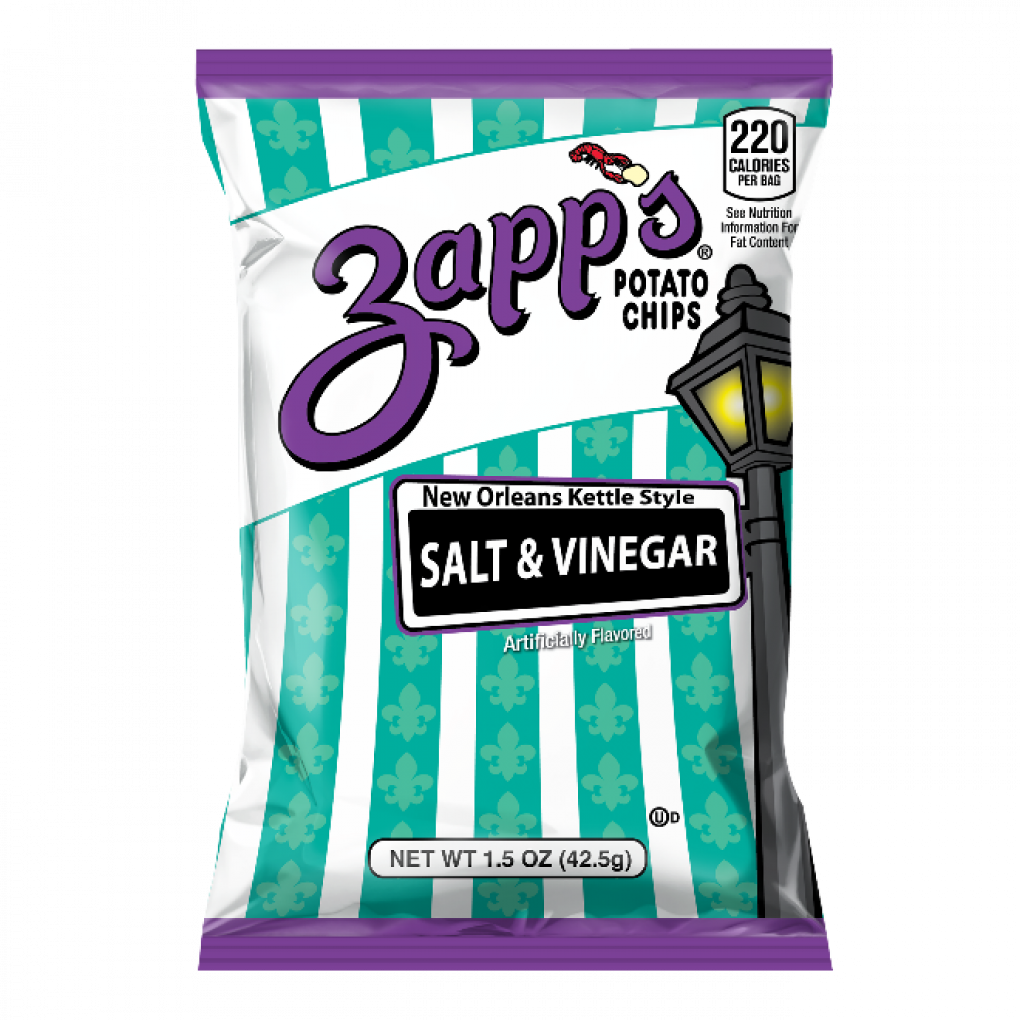
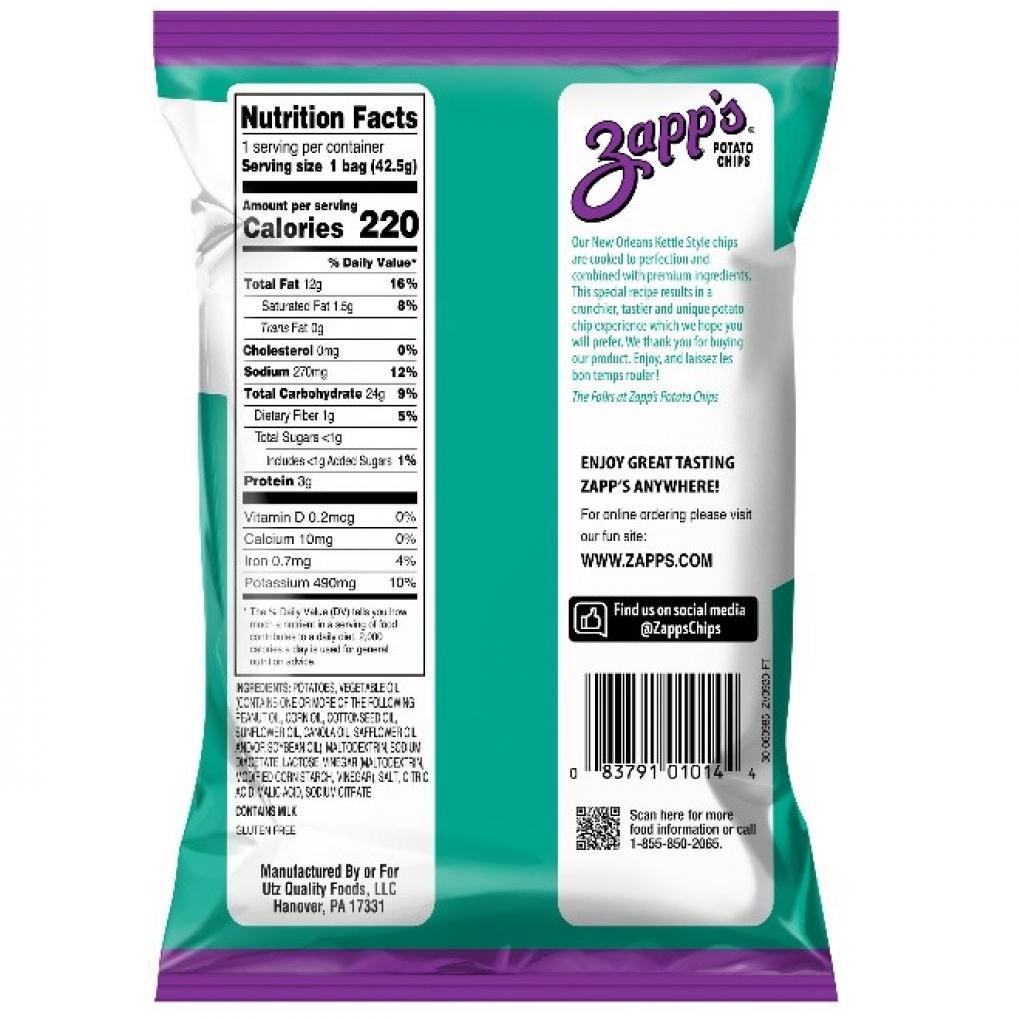
The Zapp’s products covered by the recall are the Bayou Blackened Ranch Potato Chips in 1.5-ounce, 2.5-ounce, and 8-ounce sizes. Zapp’s brand Salt and Vinegar Potato Chips in a 1.5-ounce size are also included, as are Zapp’s brand Big Cheezy Potato Chips.
Dirty Brand
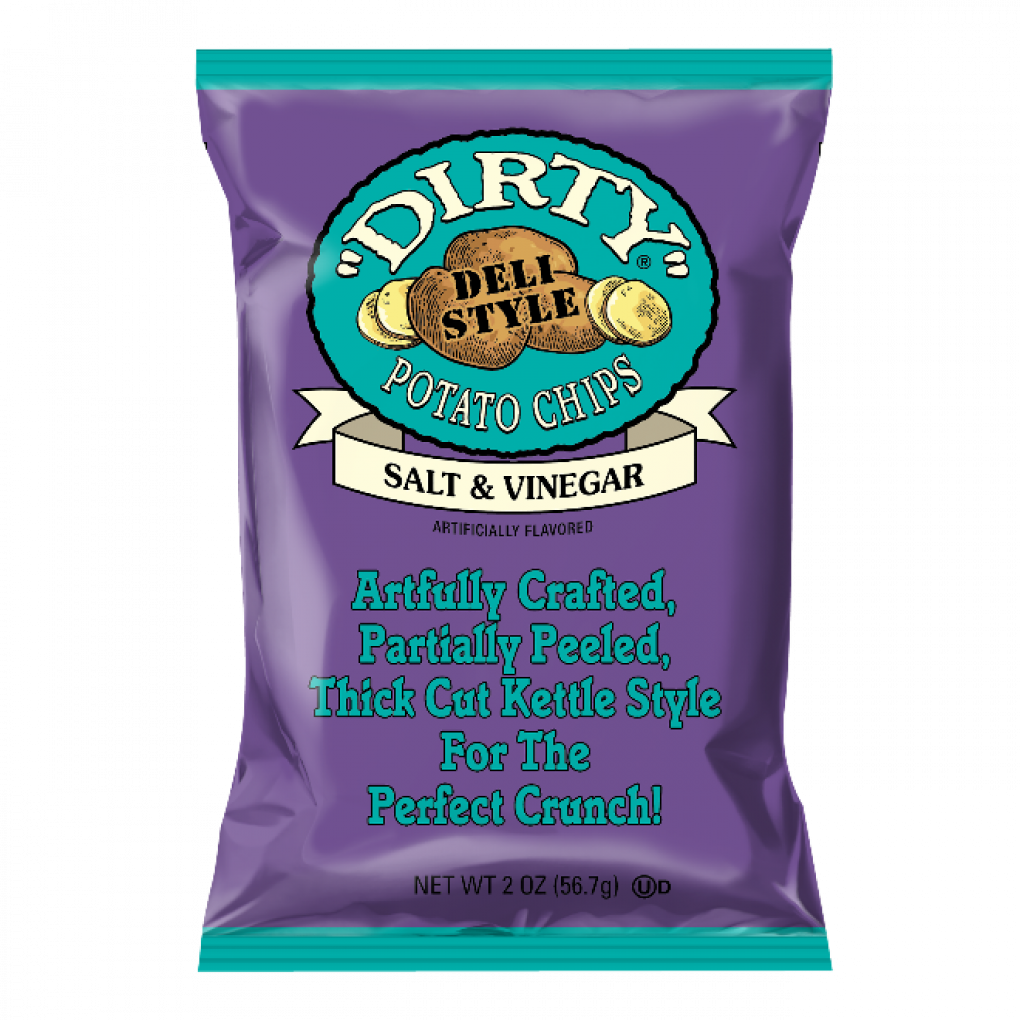
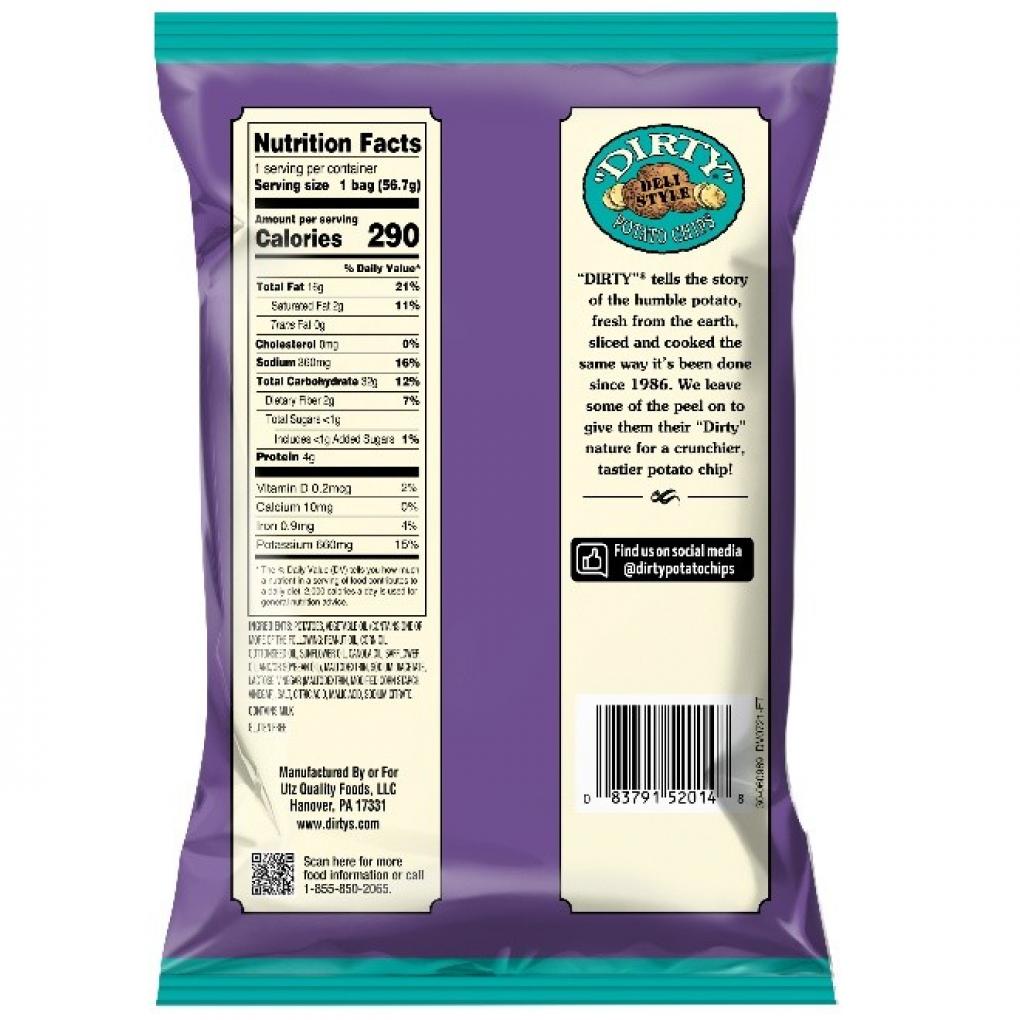
The Dirty brand products affected are Salt and Vinegar (2-ounce), Maui Onion (2-ounce), and Sour Cream and Onion (2-ounce).
The recall only affects bags with certain best-by dates and product codes – all of the chips in the recall have best-by dates in July or August of 2026. Consumers should check the batch codes on their bags against the full list posted on the FDA’s official recall page, which includes specific UPC numbers and batch codes for every affected product.
This recall is limited exclusively to the products listed in the notice, which are available at retail stores nationwide, and no other products produced by Utz Quality Foods are included.
The Source: California Dairies and a Cascading Supplier Crisis
Understanding why this recall happened requires stepping back to look at the ingredient that connects it all. The impacted chips’ seasoning contained dry milk powder manufactured by food producer California Dairies, which might be contaminated with Salmonella, according to a recall notice posted by the FDA.
California Dairies is a major dairy cooperative, and its milk powder is used as a functional ingredient across a wide range of seasoned and processed food products. What makes this situation particularly significant is that the Utz recall did not emerge in isolation. Utz Quality Foods issued its recall on May 4, 2026, after discovering that the seasoning used in the affected products contained dry milk powder from California Dairies – the same supplier whose potentially Salmonella-contaminated milk powder had already triggered a Ghirardelli chocolate powder recall one week earlier.
The contamination concern has spread well beyond chips and chocolate. On April 30, 2026, the U.S. Department of Agriculture’s Food Safety and Inspection Service (FSIS) issued a public health alert for meat and poultry products containing FDA-regulated dairy ingredients that may be contaminated. The problem was discovered when the FDA notified FSIS that multiple FSIS-regulated establishments had received FDA-regulated ingredients formulated with dry milk powder that had been recalled.
The contaminated dry milk powder supplied by a third party had already led to a number of other recalls, including frozen pizzas and pork rinds. Specifically, the FSIS list of affected products included Pork King Good Sour Cream & Onion Pork Rinds in both 1.75-ounce and 7-ounce bags, as well as Mama Cozzi’s Biscuit Crust Breakfast Pizza with pork belly, bacon, pepper, and onion – an Aldi product – produced between February 17 and 26, 2026.
FSIS emphasized that the situation is evolving and that more products could be added as the scope of the ingredient recall expands.
This is a textbook example of how supply chain contamination works in the modern food industry. A single compromised ingredient, distributed to multiple manufacturers, creates a cascade of downstream recalls – each one affecting products that bear no visible resemblance to each other and that most consumers would never connect.
For context on how often recalled foods carry hidden risks, Utz’s cautious approach here reflects a growing standard in food safety response.
What Is Salmonella, and Why Does It Matter?
Salmonella bacteria are a leading cause of foodborne illness in the United States. With 1.35 million infections occurring annually, the bacteria maintain their position as the foremost bacterial cause of foodborne disease. According to the CDC, Salmonella is the leading cause of domestically acquired foodborne illnesses resulting in death.
Most people infected with Salmonella experience a range of symptoms, including abdominal pain, fever, headache, watery diarrhea that may also have blood or mucus, loss of appetite, nausea, and vomiting, with symptoms typically beginning six hours to six days after ingesting the bacteria. People typically recover without treatment after four to seven days, according to the CDC.
However, recovery is not guaranteed for everyone. Some people, particularly children under the age of 5 and adults 65 and older, or those with weakened immune systems, may experience more severe illnesses that require medical treatment or hospitalization, according to the CDC.
In rare circumstances, infection with Salmonella can result in the organism getting into the bloodstream and producing more severe illnesses such as arterial infections (i.e., infected aneurysms), endocarditis, and arthritis.
One important detail about Salmonella that many people don’t realize: food contaminated with Salmonella bacteria does not usually look, smell, or taste spoiled. There is no way to identify a contaminated chip by sight, scent, or flavor – which is precisely why recalls of this kind demand prompt action from consumers.
Why Dairy Ingredients in Dry Seasonings Pose a Specific Risk
Dry milk powder is a common ingredient in seasoned snack products. It contributes flavor, texture, and mouthfeel to powdered coatings on chips, crackers, and other snack foods. The challenge with dry dairy-based seasonings is that they are applied to products like potato chips after the cooking process – meaning the chip itself has been heated to high temperatures during frying, but the seasoning applied afterward has not necessarily been subjected to the same heat treatment. If a contaminated dairy ingredient is added post-cooking, there is no subsequent kill step to eliminate any surviving bacteria.
This is why the FDA and FSIS take supplier-level recalls so seriously, even when the end product itself has tested negative. Testing is not always infallible, and contamination can be unevenly distributed through a batch. Utz’s decision to act on the supplier’s recall – rather than wait for a positive result from its own chips – reflects current best practice in food safety management.
The Broader Regulatory Picture
The California Dairies situation highlights a structural reality in U.S. food safety: the downstream effects of a single recalled ingredient can be immense and difficult to contain quickly. FSIS has noted that it expects additional downstream products to be identified as the ingredient recall progresses.
In 2024 alone, two Salmonella outbreaks – one attributed to cucumbers and one attributed to charcuterie meats – collectively caused 650 confirmed illnesses and about 180 hospitalizations, according to a U.S. Government Accountability Office report on foodborne illness. These figures represent only confirmed, reported cases; public health authorities consistently note that actual case counts are likely far higher, since many people with mild Salmonella illness never seek medical care or receive a laboratory diagnosis.
Utz stated that “this voluntary recall is being conducted with the knowledge of the United States Food and Drug Administration,” and Utz also instructed retailers to check their inventories and shelves to confirm that none of the recalled products are available for purchase.
Read More: Nationwide Recall Issued for a Widely Used Anxiety Medication
Key Takeaways
The Utz chip recall is a fast-moving situation, and the most important action a consumer can take is immediate. Here is what the evidence and official guidance make clear:
Check your pantry now. Multiple flavors of potato chips from two popular brands are being recalled because they may be contaminated with Salmonella. The affected products include various types of Zapp’s and Dirty brand potato chips, which come in different bag sizes and include flavors like salt and vinegar, sour cream and onion, and others, according to a recall notice on the FDA website. If you have any of these bags at home, verify the best-by date and batch code against the FDA’s full list.
Do not eat the recalled chips. Consumers who have these products should not eat them and should discard any products they may have. The absence of any unusual smell, taste, or appearance is not reassurance that a product is safe – Salmonella leaves no detectable sensory signs.
Contact Utz for a refund. For questions or refunds, consumers may contact the Utz Customer Care team by email or call 1-877-423-0149, Monday through Friday from 9:00 a.m. to 6:00 p.m. Eastern Time.
Monitor for symptoms. If you have already consumed any of the recalled products, watch for symptoms of Salmonella infection: fever, diarrhea, nausea, vomiting, and abdominal cramps. The most common symptoms of Salmonellosis appear within 6 hours to 6 days after eating the contaminated product, the illness usually lasts 4 to 7 days, most people recover without treatment, but in some persons the diarrhea may be so severe that the patient needs to be hospitalized. Anyone in a high-risk group – young children, older adults, or those with compromised immune systems – should contact a healthcare provider promptly if symptoms develop.
Stay updated on the broader dairy recall. Because the California Dairies milk powder has already been traced to products across multiple food categories, consumers should check the FSIS recalls and alerts page for updated lists of meat, poultry, and other affected products. The FSIS issued a public health alert rather than a recall because some affected products may no longer be available for purchase – but they could still be in consumers’ refrigerators or freezers.
The Utz recall, while precautionary in nature, is a reminder that food safety concerns can arrive in the most unexpected places. A bag of chips is not typically where most people expect to confront a Salmonella risk. But in a food system where a single dairy supplier touches dozens of manufacturers and hundreds of products, the pantry and the refrigerator deserve the same scrutiny as the poultry aisle.
AI Disclaimer: This article was created with the assistance of AI tools and reviewed by a human editor.
Read More: Trader Joe’s Recalls Popular Product After Selling 9M+ Pounds Across 43 States