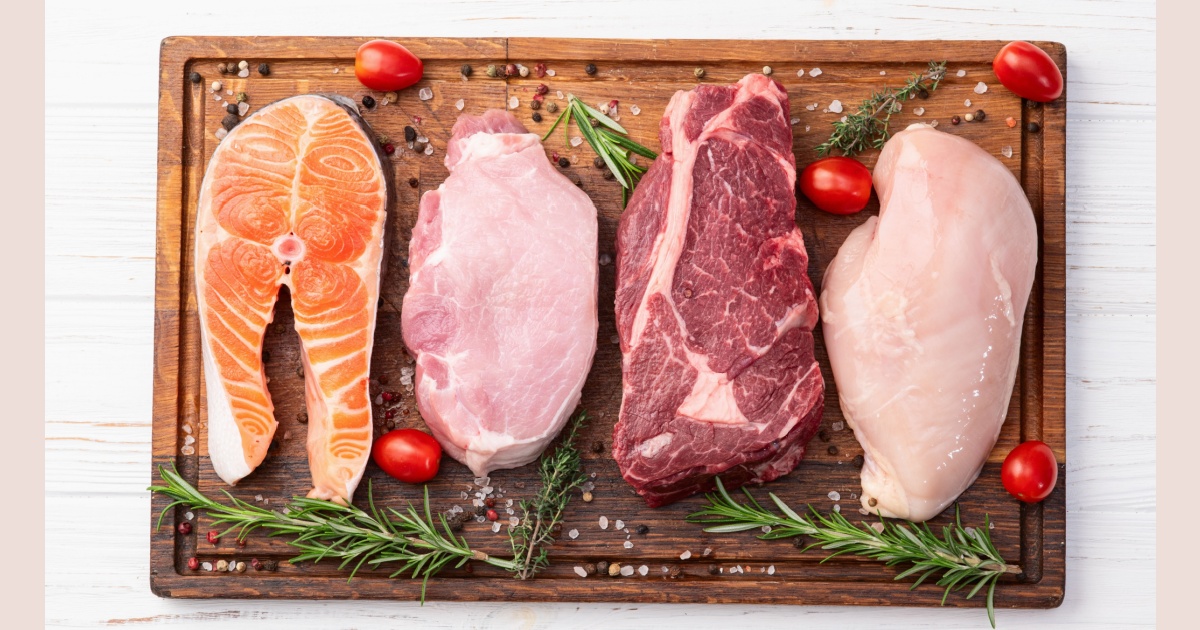

Every so often, a food you already eat turns out to be the smartest choice on your plate. Not because of a new trend or an exotic ingredient, but because the numbers genuinely add up. Meat has been both celebrated and criticized for years, and that debate has made it harder to pick out what actually belongs in a well-built diet. The real question isn’t whether to eat meat at all. It’s which meat earns its place.
The answer might surprise you, because it isn’t what most people would guess. With protein increasingly viewed as a non-negotiable part of healthy aging, weight management, and muscle maintenance, the conversation around which meats deliver the most nutritional value for the least metabolic cost has never been more important. And when a registered dietitian Natalie Rizzo actually runs the comparison, one animal protein stands out from the pack.
Understanding why requires a closer look at how protein quality, fat content, and micronutrient density all interact. It’s not as simple as reading the grams on a nutrition label.
Why Protein Quality in Meat Actually Matters
Meat is “one of the best sources of concentrated protein,” with a typical serving delivering upwards of 20 grams, enough to make virtually all meat an “excellent” source of this macronutrient, according to nutrition professionals. That matters more than many people realize.
Protein is essential for a healthy diet, helping to build muscle and tissue, regulate bodily processes, promote satiety, and support weight management. These aren’t peripheral benefits. For adults over 35, preserving lean muscle mass becomes progressively harder, and adequate protein is one of the primary tools available to slow that decline.
Lean meat with high-quality protein content offers a higher thermic effect than carbohydrates or fat, helps regulate hunger hormones like ghrelin and peptide YY to reduce overeating, and supports muscle preservation for long-term metabolic health. But not all meat delivers these benefits equally, and the difference comes down largely to fat, specifically saturated fat.
In general, red meats such as beef, pork, and lamb contain more saturated fat than skinless chicken, fish, and plant proteins. Saturated fats can raise blood cholesterol and increase the risk of heart disease, according to the American Heart Association.
The Two Key Nutrients to Weigh When Choosing Meat
Meat is generally a good source of vitamin B12 and iron, particularly heme iron, which is easier for the body to absorb than iron from non-animal sources. Both nutrients deserve attention before you reach for any cut.
Heme Iron: The Absorption Advantage
Iron deficiency is one of the most common nutritional shortfalls worldwide, and meat is its most efficient dietary solution. The reason comes down to the type of iron it contains.
Heme iron, derived from animal-based sources such as meat, poultry, and seafood, is highly bioavailable, with absorption rates of 25 to 30%. In contrast, non-heme iron, found primarily in plant-based foods such as grains, legumes, and vegetables, has a much lower absorption rate of approximately 3 to 5%, according to a 2025 review published in the journal Nutrients.
That gap is substantial. Heme iron contributes about 10 to 15% of total dietary iron intake in Western populations, but because of its higher bioavailability, it accounts for approximately 40% of the total iron actually absorbed. Eating spinach alongside your steak isn’t just a flavor pairing. Heme iron not only provides superior bioavailability on its own but also enhances the absorption of non-heme iron through a phenomenon known as the “meat factor,” and combining heme iron with non-heme iron sources has been shown to improve total absorption of dietary iron by up to 40%.
Vitamin B12: Found Only in Animal Foods
The National Institutes of Health recommends that teens and adults over 14 consume 2.4 micrograms of vitamin B12 daily. Vitamin B12 is essential for the health of nerve tissue, brain function, and red blood cells. Meat is one of the most reliable ways to meet that requirement. Vitamin B12 is found in foods of animal origin and is not naturally present in plant foods, though some plant foods are fortified with it, including many breakfast cereals and nutritional yeasts. Anyone reducing their meat intake without a supplementation plan runs a real risk of falling short.
How to Read a Cut: The Saturated Fat Variable
Not all meat is equally good for you. Setting aside personal taste preferences, the best way to choose a healthy meat is to balance nutritional benefits with saturated fat content. That’s the practical framework dietitians consistently apply.
What “Lean” Actually Means
The USDA has a specific legal definition for the term. The U.S. Department of Agriculture regulates whether cuts of beef can be labeled as “lean” or “extra lean,” and that labeling is based on fat and cholesterol content per serving. A handful of pork cuts meet the USDA’s definition of “lean,” which means less than 10 grams of fat and no more than 4.5 grams of saturated fat per 3.5-ounce cooked serving.
That definition matters at the grocery store. Many cuts of beef now meet the USDA’s definitions of lean or extra lean, with the leanest options including eye of round roast and steak, round tip roast and steak, top round roast and steak, bottom round roast and steak, top sirloin steak, top loin steak, and chuck shoulder and arm roasts, according to the Mayo Clinic.
How Beef Cuts Compare
Beef is an exceptional source of heme iron, but the saturated fat content of beef can vary widely based on the cut. The difference between a smart choice and a poor one can be significant even within the same animal. In 3 ounces of top sirloin, you’ll find 25 grams of protein, 160 calories, and 6 grams of fat, with only about 2 grams being saturated. Compare that to a ribeye, one of the fattier cuts, which has 23 grams of protein, 190 calories, and 4 grams of saturated fat, already 20% of the recommended daily limit.
The takeaway for beef: focus on “round” and “loin” cuts, and leave the ribeye for occasional dining rather than regular meals.
The Frontrunner: Chicken Breast
When dietitians assess the combination of protein density and saturated fat content, one option consistently leads the field. When choosing the healthiest meat, registered dietitian Natalie Rizzo selected chicken breast, which was also her pick for the highest-protein healthy meat.
Chicken is an excellent source of high-quality protein, with a 3-ounce serving of skinless, boneless chicken breast providing about 26 grams of protein and containing around 2 to 3 grams of fat. Few animal protein sources offer that ratio.
Chicken also contains vitamin B6, vitamin B12, and choline, an essential nutrient that many people do not get enough of. Choline has benefits for brain health, including mood, memory, and nerve function.
The one caveat with chicken is preparation. A 3.5-ounce serving of roasted chicken breast with skin contains 200 calories and 8 grams of fat, while the same amount of skinless roasted chicken breast has around 161 calories and significantly less fat. Remove the skin and you preserve the lean profile. Leave it on and the numbers shift considerably.
Chicken’s “healthy protein” reputation can be misleading when the meat is processed or fried. Breaded, skin-on, or sausage forms can be high in sodium and saturated fat, sometimes matching or exceeding pork sausage, as cardiology dietitian Michelle Routhenstein has noted. The cut and the cooking method are inseparable from the nutrition story.
The Closest Rival: Pork Tenderloin
Most people would not place pork anywhere near the top of a lean protein list. That assumption is worth revisiting. “Pork tenderloin is actually one of the leanest protein sources available, comparable to skinless chicken breast,” according to registered dietitian Patricia Bannan.
Lean cuts include pork tenderloin, loin chops, and pork top loin or sirloin roasts. Pork tenderloin, the leanest cut, has 109 calories, 21 grams of protein, and about 2.7 grams of fat per 3.5-ounce cooked serving, according to Healthline.
When looking at fat, particularly saturated fat, both chicken breast and pork tenderloin are among the leanest options, each containing only about 3.5 grams of fat, including a single gram of saturated fat. The gap between them is, by any practical measure, negligible.
Pork also offers a micronutrient profile that doesn’t get enough credit. Pork is a good source of vitamin B1 (thiamin), which supports a healthy metabolism, and vitamin B12, which benefits blood, nerves, and energy. You’ll also find vitamin B7 (biotin), creatine, phosphorus, selenium, and zinc in pork.
Pork is generally richer in B-complex vitamins, including B1, B6, and B12, which are important for energy and brain function. That’s a meaningful advantage in a head-to-head comparison with chicken.
What pork tenderloin does not have in common with other pork products is its fat content. Dietitians generally recommend sticking with leaner cuts as much as possible, and eating fattier cuts like pork butt, shoulder, ribs, and belly sparingly. They also recommend avoiding processed meats like deli meats, bacon, and sausage, which are often high in sodium and saturated fat. A pork tenderloin and a strip of bacon share an animal and almost nothing else nutritionally.
If you’re looking to complement lean meat with other protein-rich whole foods, a bowl of protein-packed oatmeal is a smart plant-based option to rotate into your morning routine.
Turkey: A Strong Third
If you prefer dark meat, turkey offers a little more protein per serving than chicken without an equivalent jump in saturated fat. Turkey also contains a little more choline, the nutrient that supports brain health, than chicken.
Turkey breast, in particular, is worth highlighting. Turkey breast is packed with essential B vitamins that help the body convert food into usable energy, and it contains high levels of selenium, a vital mineral that supports a healthy immune system. For those who eat the same protein source too often and want variety within the lean category, turkey is the most nutritionally comparable swap.
The key caveat here mirrors the one for chicken: processed forms change everything. Turkey breast is a strong protein source, though sodium levels can spike significantly in processed versions. Deli turkey and freshly roasted turkey breast are not the same food, nutritionally speaking.
What About Processed Meats?
This category deserves its own section because the evidence is clear and consistent. When choosing protein, processed meats should be avoided even if they’re marketed as lean or low-fat. Processed meats are high in salt and other preservatives like nitrates, which are linked to a higher risk of developing bowel cancer.
The American Heart Association recommends choosing healthy sources of proteins, mostly from plant sources; regularly eating fish and seafood; and for people who eat meat or poultry, choosing those that are lean and unprocessed.
That last word carries the most weight. Unprocessed, lean cuts of meat can be part of a well-rounded diet. Processed meats belong in a different category entirely.
Cooking Method Changes Everything
Choosing the right cut is only half the equation. How you cook it shapes the final nutritional profile considerably. Healthier cooking methods include roasting, baking, or poaching. These approaches use lower temperatures than grilling or frying, which minimizes the creation of harmful compounds that form at high heat.
When preparing meat, trimming off visible fat or poultry skin before cooking and pouring off the melted fat afterward makes a measurable difference. If roasting a whole chicken or turkey, removing the skin before carving and serving is recommended. Baking, broiling, stewing, and roasting are among the healthier methods overall.
For pork tenderloin specifically, about 2 to 2.5 pounds should roast in the oven at 425 degrees Fahrenheit for just 30 minutes, reaching an internal temperature of 145 degrees Fahrenheit for safe eating.
Read More: This Fish Tops the List of The World’s Healthiest Foods, Offering More Nutrition Than Many Veggies
Beyond Meat: Variety Is Part of the Strategy
Dietitians are consistent on one additional point: lean meat should be one element of a protein strategy, not the entire strategy. Most people can meet their protein needs by enjoying a variety of protein sources, favoring plant-based foods like beans, lentils, nuts, seeds, and soy, adding fish and seafood, and including lean or skinless meat and poultry in smaller amounts if desired.
Eating a higher plant-to-animal protein ratio is linked with a 19% lower risk of cardiovascular disease and a 27% lower risk of coronary artery disease, a 2024 study found. That doesn’t mean eliminating meat. It means building a plate where lean meat plays a supporting role alongside vegetables, legumes, and whole grains, rather than dominating it.
Whether you opt for chicken or pork, keeping other sources of protein in mind supports a healthier diet overall. Consider adding fish, eggs, dairy, and plant-based foods like tofu, beans, and nuts to rotate through the week.
What to Do Now
If you’re looking for the single meat that delivers the highest protein with the least saturated fat, skinless chicken breast earns the top spot. A standard 3-ounce serving provides approximately 26 grams of protein with only 2 to 3 grams of fat total. Lean pork tenderloin is its closest competitor, offering comparable fat content and robust B-vitamin levels that chicken doesn’t quite match.
For beef, cut selection is everything. Eye of round, top sirloin, and top loin are the names to look for at the grocery store. Anything labeled “prime” or visibly marbled with fat will push your saturated fat intake in the wrong direction. In small amounts, leaner cuts of beef can still be part of a healthy diet, according to the Mayo Clinic, but they work best as an occasional protein rather than a daily staple.
The simplest framework to carry forward: choose unprocessed, lean cuts; remove visible fat and skin before or after cooking; use roasting, baking, or poaching as your primary methods; and rotate protein sources across the week to capture the full range of micronutrients your body needs. No single meat does everything, but the right ones, chosen and prepared with intention, do a great deal.
AI Disclaimer: This article was created with the assistance of AI tools and reviewed by a human editor.