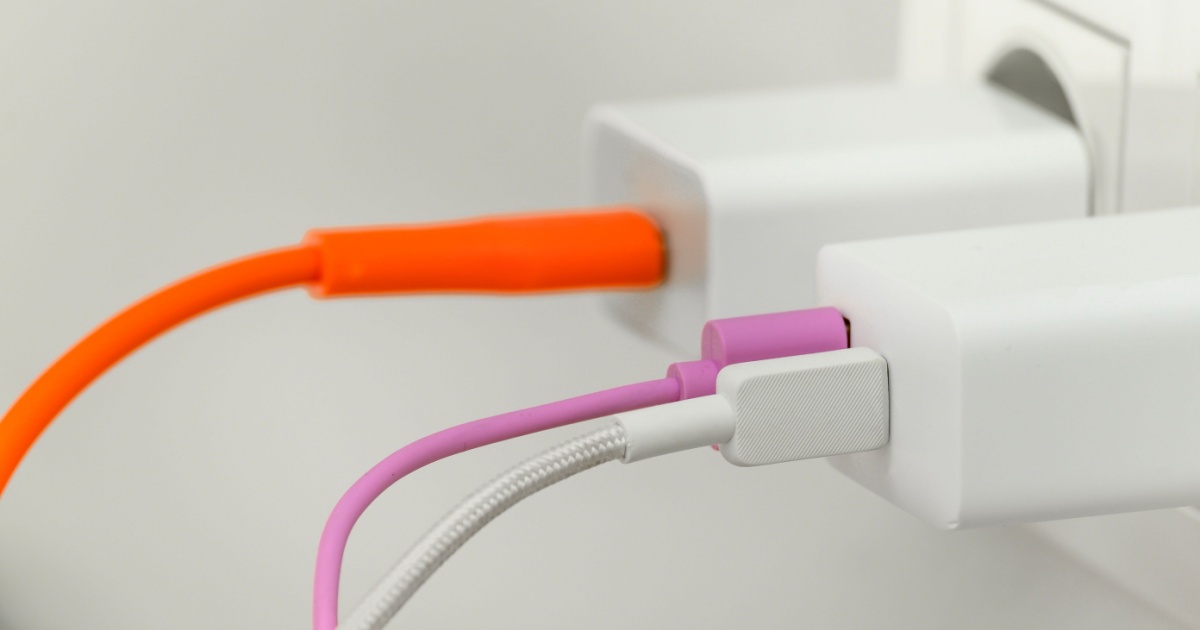

Most people assume the small charger plugged in beside the bed is completely harmless. It’s just sitting there, nothing attached, doing nothing. But that assumption turns out to be more complicated than it looks, and the consequences, depending on what type of charger you own, can range from a slightly inflated electricity bill to something far more serious. The question of whether it’s safe to leave chargers plugged in all the time is one that millions of households get wrong every single day.
The habit is nearly universal. Laptop cables snake permanently across desks. Phone chargers hang from wall outlets in bedrooms, kitchens, and bathrooms, ready to go at any moment. It feels efficient, convenient, even. But underneath that convenience sits a set of electrical realities that most people have never thought about, and that energy engineers have been trying to communicate for years.
What follows is a thorough, evidence-based examination of what actually happens when a charger stays plugged in around the clock. The answers depend on three distinct factors: how chargers draw power even with nothing attached, how the electrical grid silently wears them out, and whether the charger in your home is built to handle any of it safely.
The “Vampire Power” Problem: What Your Idle Charger Is Actually Doing
The term sounds dramatic, but the phenomenon is real. “Vampire power” is the energy consumed by appliances and electronic devices even when they’re not in active use. For chargers specifically, this happens because of what’s happening inside the unit even before a device is connected.
Inside every charger, there is a transformer, conversion circuits, filtering elements, and control systems. The transformer changes the voltage level, while the conversion circuits switch the AC power to DC. Filtering components smooth out the power quality, and control circuitry handles regulation and protection. All these parts stay active when the charger is plugged in, even if nothing is charging. They’re essentially in standby mode, waiting for a device to connect, and this constant low-level operation is what causes gradual wear and that small but steady energy consumption.
That energy consumption may be modest for a single charger, but according to Lawrence Berkeley National Laboratory, vampire energy accounts for up to 10% of the electric usage for the average American household. The U.S. Department of Energy estimates that standby power accounts for 5 to 10% of residential electricity and can cost up to $100 a year for the average household. The problem is compounded by the sheer number of devices in a modern home. We have many more things plugged in now than ever before. So, even with less wattage per device, total standby energy consumption has remained roughly constant since the turn of the century, according to Berkeley Lab.
What Modern Chargers Do Differently
Not every plugged-in charger behaves identically. Older designs draw a steady trickle of power regardless of whether a device is attached. Many newer chargers, however, include smarter internal management. High-quality, certified chargers have smart power management to stay cool and reduce unnecessary energy draw. Some go further, automatically entering a low-consumption sleep state when no device is detected. That said, even the best modern charger is not drawing zero watts when plugged in and idle, it’s simply drawing less.
In many cases, electricity continues to flow through the adapter that turns AC power into DC power, even when the device is fully charged or isn’t in use. That’s because the adapter stays “on” as long as it’s plugged in. A quality-certified charger managing this draw efficiently is one thing. A cheap, uncertified unit cycling through that same process is quite another, and that distinction becomes critical when we look at safety.
How the Electrical Grid Wears Your Charger Down
There’s a second consequence of leaving chargers permanently connected that gets far less attention than energy waste: cumulative physical wear. Chargers wear out over time when electricity flows through them, particularly when the electricity grid voltage temporarily rises above its rated value. The electricity grid is a chaotic environment, and various voltage-rise events happen from multiple sources.
The electricity flowing through a home is not always a smooth, steady stream. The power grid experiences frequent fluctuations, including temporary voltage spikes that exceed normal levels. These events happen more often than most people realize, caused by everything from lightning strikes to large appliances cycling on and off.
Each voltage spike puts stress on a charger’s internal components. Over time, this repeated exposure causes premature aging. The charger might start working less efficiently or fail completely much sooner than it otherwise would.
Modern chargers from reputable brands are designed to handle these situations better than cheap alternatives. However, even quality chargers wear out faster when constantly connected. Unplugging when not in use gives chargers a break from this electrical stress and extends their lifespan considerably.
This matters practically. If you’ve noticed chargers failing after just a year or two of use, the habit of leaving them in the wall may be accelerating that failure, not a manufacturing defect.
The Real Safety Risk: Certified vs. Uncertified Chargers
This is where the stakes move beyond dollars-per-year into territory that warrants genuine concern. The safety profile of a charger depends almost entirely on whether it was manufactured to recognized safety standards, and a large number of chargers sold online and at discount retailers are not.
Many people have phone and tablet chargers all over the house, but if they remain plugged in, even when not charging a device, they could overheat and catch fire. Research by Electrical Safety First found that generic, cheap chargers, not the ones that came with the device, are especially prone to overheating.
The U.S. Consumer Product Safety Commission (CPSC) has also cautioned consumers about cheaply-made chargers, pointing out that a poorly made charger could come apart, creating an electrical short. In addition to a fire hazard, they can pose a shock hazard.
The CPSC’s warning record on this is extensive and recent. The CPSC issued a warning to consumers to immediately stop using Garberiel lithium-ion battery chargers manufactured by Jisell Inc. of China, sold on Amazon and other websites, because they pose a risk of serious injury and death. The CPSC found that when plugged into a wall outlet, these chargers can overheat, resulting in arcing and causing fires. There have been six reported incidents associated with the chargers since 2019, including one fire that resulted in a fatality.
That is far from an isolated case. Lithium-ion battery recalls have surged in recent years as inexpensive electronics flood U.S. marketplaces. Power banks, e-bikes, scooters, headphones, and children’s tablets all rely on the same battery chemistry, and when chargers or internal circuits fail, these products can ignite violently.
A $3 charger from a gas station checkout might seem like a bargain, but it could be hiding serious problems. Cheap, uncertified chargers often lack the protective features found in legitimate products. When these budget chargers face voltage spikes or other electrical issues, they can become fire hazards. The lack of proper protection means they might overheat, spark, or even catch fire under circumstances that a quality charger would handle safely. Leaving a cheap charger plugged in constantly amplifies these risks significantly.
The Warning Signs You Shouldn’t Ignore
There are specific physical indicators that a charger has become a hazard and must be replaced immediately. A major red flag is if your charger feels unusually warm to the touch or starts making a strange buzzing noise. If so, it’s time to replace it, and you should not leave it plugged in under any circumstances. If a mobile phone charger shows any sign of damage, such as exposed wires or cracking on the outer casing, it may be safest to purchase a replacement immediately. Damage like this can increase the risk of an electrical fault occurring.
The placement of a charger during use also matters. You should never cover a phone with anything while it’s charging, as the battery could overheat. Fire services have consistently warned that chargers placed under pillows or on soft furnishings, a common practice especially among young people, cannot dissipate heat safely and carry a meaningful fire risk.
What Certified Actually Means – and How to Check
As UL Solutions Vice President Sherry He has stated, “When consumers shop for devices that use lithium-ion batteries, it is critically important that they understand the safety hazards associated with faulty, malfunctioning or uncertified products.” She emphasized that the UL safety mark indicates a product has met recognized safety standards, helping consumers avoid battery fires.
UL (Underwriters Laboratories) certification is the primary safety mark to look for in the United States. It means a product has been independently tested against defined performance and safety requirements. According to energy expert Glenn LaMay, founder of Home Energy Solutions, keeping a certified phone charger plugged in all day is not, in itself, a cause for significant concern. “All electrical appliances have to pass a UL safety test before they can be sold to consumers,” he explains.
The corollary is equally direct. LaMay advises consumers to “stick with the chargers that come with your phone and avoid the knockoffs you find at gas stations and convenience stores.” Those chargers, he says, “pose a much bigger threat than keeping a vetted charger plugged in all day” and can, in a worst-case scenario, present a fire risk.
If you’re going to keep chargers connected to outlets around your home, at minimum make sure they’re certified products from trustworthy manufacturers. Look for UL certification marks or products sold through major retailers rather than third-party marketplace sellers with no track record.
The Collective Energy and Environmental Cost
Beyond individual safety, there is a broader energy argument for developing the habit of unplugging. Individual chargers may draw only fractions of a watt when idle, but the cumulative household effect is not trivial. According to the Natural Resources Defense Council, devices using vampire power cost Americans $19 billion annually.
According to the U.S. Energy Information Administration, monthly electricity consumption per residential customer averaged 861 kWh in 2023. A portion of that consumption is due to vampire power, which can account for up to 5 to 10% of the electricity bill. On a global scale, vampire devices contribute approximately 1% of worldwide CO2 emissions.
The fix doesn’t require new appliances or significant investment. If unplugging every charger individually sounds like too much, power strips with switches allow you to turn off multiple chargers with one press rather than pulling each plug. Smart power strips go further by automatically cutting power to devices that enter standby mode. Another practical option is consolidating charging to fewer locations. Instead of chargers in every room, designating one or two charging stations in the home reduces both idle draw and the number of chargers exposed to grid stress around the clock.
For a broader look at how phantom energy affects your home’s overall electricity costs, understanding how hidden appliance power drain works can help you make smarter decisions about what stays plugged in.
Read More: 3 Appliances You Should Never Plug Into GFCI Outlets
What to Do Now
The evidence on this question lands in a clear, actionable place. A quality, certified charger, one that came with your device or carries a recognized UL or equivalent safety mark, is not going to burn your house down because it’s left in the wall. That much is reasonable. Overall, the chances of a phone charger causing a fire are quite low, especially if you follow manufacturer guidance and use certified products. But “low risk” is not the same as “no consequence,” and the hidden costs on both the energy and hardware-longevity fronts are real enough to warrant a change in routine.
The practical guidance, based on the totality of the evidence, comes down to this: if your charger is certified and in good physical condition, occasional or semi-permanent use in a wall outlet is unlikely to cause harm. But making a habit of unplugging when you’re done is the single best thing you can do to reduce energy waste, extend your charger’s lifespan, and eliminate standby risk entirely. If any charger in your home runs unusually hot, makes an audible buzzing sound, shows visible damage to its casing or cable, or was purchased cheaply from an unknown online seller, replace it immediately. Don’t leave it plugged in while you decide. The CPSC recommends that devices powered by lithium-ion batteries be used only with the charger that came with them, and that chargers be unplugged when not in use.
The simplest summary: your name-brand charger in good condition is fine. The cheap one you bought because it was fast and on sale? That’s the one worth worrying about.
AI Disclaimer: This article was created with the assistance of AI tools and reviewed by a human editor.
Read More: Why Keeping One Appliance Plugged In Overnight Is Driving Up Your Energy Bill