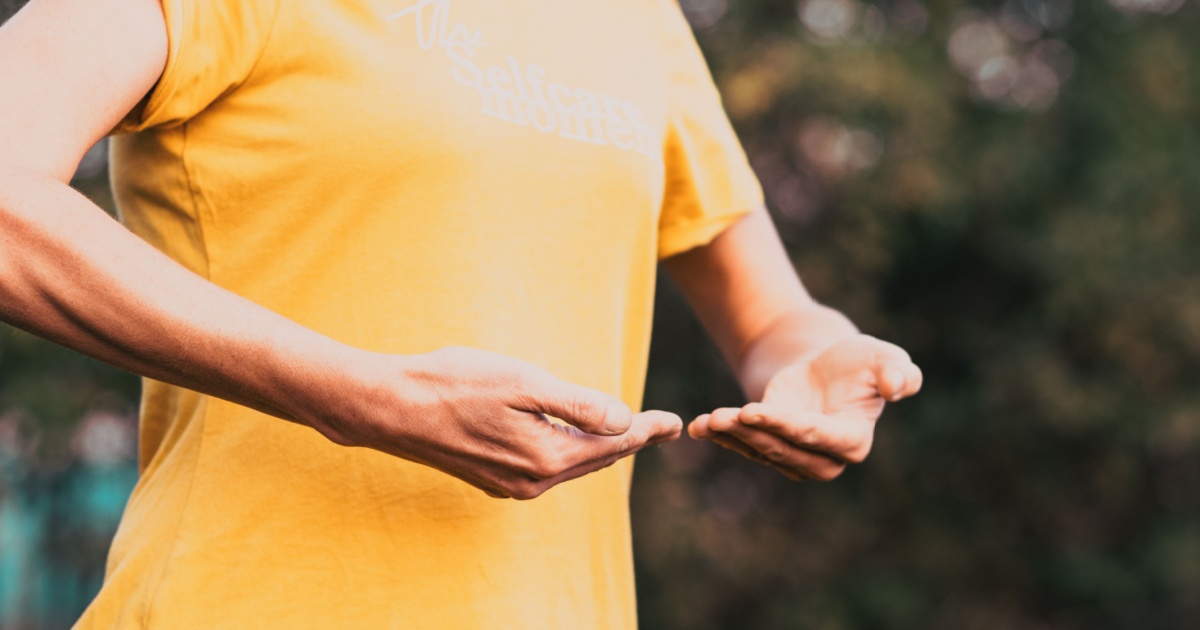

There is a quiet revolution happening in cardiovascular medicine, and it doesn’t involve a new drug, a surgical device, or a cutting-edge laboratory compound. It involves a series of eight slow, flowing movements that have been performed in town squares and community gardens across China for centuries. At first glance, the practice looks almost too gentle to matter clinically. Yet in early 2026, researchers published findings that stopped more than a few cardiologists in their tracks.
The practice is called baduanjin (pronounced “bah-dwan-jin”), and it belongs to the ancient Chinese tradition of qigong, a discipline that combines deliberate physical movement, breath control, and meditative focus. For most of its history, its health benefits were accepted on cultural and traditional grounds. What changed this year is that those benefits were put to the test inside a rigorous, multicenter, randomized controlled trial, the gold standard of clinical evidence. The results were striking enough to be published in one of the most respected cardiology journals in the world.
For the roughly 120 million Americans currently living with high blood pressure, the implications are worth understanding in full. High blood pressure puts individuals at elevated risk for heart disease and stroke, the leading causes of death in the United States. In 2023 alone, it was a primary or contributing cause of more than 664,000 deaths. Against that backdrop, a free, equipment-free intervention that takes less than 15 minutes a day deserves serious attention.
The Scale of the Hypertension Crisis
Before examining the trial itself, the context matters. Nearly half of all American adults, approximately 119.9 million people, currently have high blood pressure, defined as a systolic reading greater than 130 mm Hg, a diastolic reading greater than 80 mm Hg, or current use of blood pressure medication.
Despite sustained public health efforts, hypertension remains highly prevalent in the United States, with persistent disparities across demographic and socioeconomic groups. The problem deepens with age. The prevalence reaches 74.5% among adults aged 60 and over, a proportion that has held stubbornly consistent across recent measurement periods.
Treatment rates tell an equally sobering story. Hypertension awareness remained broadly flat in the post-pandemic period, and blood pressure control remained low, worsening specifically among men. According to the CDC, approximately 34 million adults who should be taking medication according to hypertension guidelines may need a prescription or to fill their prescription and start taking it. High blood pressure costs the United States about $131 billion each year, averaged over 12 years from 2003 to 2014.
Hypertension is the most common primary diagnosis in the United States and a major risk factor for coronary heart disease, stroke, heart failure, peripheral vascular disease, and chronic kidney disease. The 2026 Heart Disease and Stroke Statistics from the American Heart Association, published in conjunction with the National Institutes of Health, confirms that blood pressure remains one of the core risk factors driving cardiovascular morbidity and mortality across the country.
What Is Baduanjin?
Baduanjin is one of the most common forms of Chinese qigong used as exercise. Variously translated as “Eight Pieces of Brocade,” “Eight-Section Brocade,” or “Eight Silken Movements,” the form’s name refers to how its eight movements impart a silken quality to the body and its energy. In contrast to religious or martial forms of qigong, baduanjin is primarily designated as a form of medical qigong, specifically meant to improve health.
The earliest written records of baduanjin go back to the Song Dynasty (960-1279 CE), appearing in texts such as the Dao Shi (around 1150) and the Xiuzhen shi-shu (around 1300). The practice has been around for nearly a thousand years. It originated in the Bei Song Dynasty and was initially developed to enhance the physical health of soldiers, before evolving over time into a comprehensive system of exercises practiced by both martial artists and ordinary people.
Baduanjin is a widely practiced, standardized eight-movement sequence that integrates aerobic, isometric, flexibility, and mind-body components. Practiced for centuries and commonly performed in community settings across China, the routine typically takes 10 to 15 minutes and requires no equipment and only minimal initial instruction, allowing it to be performed in a wide range of settings. Because it is low- to moderate-intensity, it is considered safe and accessible for many adults.
What makes baduanjin different from a basic stretching routine is the integration of breath work and mental focus into every movement. Breathing slows and deepens, the nervous system begins to shift away from the “fight or flight” stress response, and heart rate and blood pressure tend to follow. Researchers believe this combination of gentle aerobic activity, isometric muscle engagement, flexibility work, and stress reduction is what gives practices like baduanjin their cardiovascular benefit.
The BLESS Trial: Design and Methods
The BLESS trial, an acronym for the Baduanjin Lowering Elevated Blood Pressure Study, was published in February 2026 in the Journal of the American College of Cardiology (JACC). It found that this 800-year-old practice lowered systolic blood pressure as effectively as brisk walking and produced reductions comparable to what cardiologists see with some first-line blood pressure medications.
In the first large, multicenter randomized trial to examine the impact of baduanjin on blood pressure, researchers followed 216 participants across seven communities to determine changes in 24-hour systolic blood pressure from baseline to 12 and 52 weeks. Participants were 40 years old or older and had a systolic blood pressure of 130 to 139 mm Hg. They were randomly assigned to one of three arms: baduanjin, self-directed exercise alone, or brisk walking for the 52-week intervention.
The trial aimed to evaluate both the short-term effects of baduanjin on ambulatory blood pressure with monitoring, and the long-term effects without monitoring, conducted across seven community sites. Participants aged 40 and older with systolic blood pressure between 130 and 139 mm Hg were randomly assigned in a 2:1:1 ratio to the baduanjin, self-directed exercise, or brisk walking arms, with changes in 24-hour systolic blood pressure from baseline to 12 and 52 weeks as the primary outcomes.
The study’s senior author, Dr. Jing Li, MD, PhD, Director of the Department of Preventive Medicine at the National Center for Cardiovascular Diseases in Beijing, stated that “given its simplicity, safety and ease at which one can maintain long-term adherence, baduanjin can be implemented as an effective, accessible and scalable lifestyle intervention for individuals trying to reduce their blood pressure.”
Primary Outcomes: Blood Pressure Reductions
The results were clinically meaningful. Compared with self-directed exercise alone, baduanjin provided a 3.1 mm Hg greater reduction in 24-hour ambulatory systolic blood pressure at 12 weeks and a 3.3 mm Hg greater reduction at 52 weeks.
Practicing baduanjin five days a week reduced 24-hour systolic blood pressure approximately 3 mm Hg and office systolic blood pressure by 5 mm Hg at both three months and one year, reductions comparable to those seen with some first-line medications.
There was no significant difference in blood pressure reduction between the baduanjin and brisk walking arms at 52 weeks. The effects were consistent across subgroups, and no significant difference in adverse events was detected across the three arms.
This safety profile is notable. Baduanjin matched brisk walking for efficacy while carrying the same low risk of adverse events, an important consideration for older adults, those with joint problems, or anyone who finds sustained aerobic activity difficult.
Harlan M. Krumholz, MD, JACC Editor-in-Chief and the Harold H. Hines, Jr. Professor at the Yale School of Medicine, commented that “the blood pressure effect size is similar to that seen in landmark drug trials, but achieved without medication, cost or side effects,” making it highly scalable for community-based prevention, including in resource-limited settings.
Why Baduanjin Works: The Physiological Mechanisms
Understanding the “why” behind these results requires looking at how chronic stress and nervous system activity drive elevated blood pressure. The practice “integrates gentle movements, coordinated breathing, and meditation, potentially reducing sympathetic tone and fostering relaxation,” and it is precisely this mechanism that is believed to produce its blood pressure-lowering effects.
The sympathetic nervous system, the body’s accelerator for the “fight or flight” response, contributes to elevated blood pressure when chronically activated. Slow, controlled breathing during baduanjin counteracts this activation, shifting the body toward parasympathetic dominance, which slows the heart rate and relaxes blood vessel walls. When breathing slows and deepens during the practice, the nervous system begins to shift away from the stress response, and heart rate and blood pressure tend to follow. Researchers believe the combination of gentle aerobic activity, isometric muscle engagement, flexibility work, and stress reduction collectively contributes to the cardiovascular benefit.
Baduanjin is a standardized eight-movement sequence that integrates aerobic, isometric, flexibility, and mind-body components, meaning it simultaneously addresses multiple physiological pathways. Aerobic activity improves vascular function. Isometric engagement, holding positions with sustained muscle tension, has independently been shown to reduce blood pressure. And the meditative component reduces cortisol and stress-driven vasoconstriction (the narrowing of blood vessels). The combination, delivered consistently five times per week, appears to produce lasting change.
You can explore more about how exercise affects heart health in our detailed overview of the cardiovascular benefits of regular movement.
What the Experts Are Saying
The reaction from the cardiology community has ranged from surprised to enthusiastic. Several cardiologists who commented publicly acknowledged that their prior assumptions about exercise intensity had been challenged by the data.
As Harlan Krumholz noted, the blood pressure effect seen in this trial is similar in magnitude to what landmark drug trials have achieved, but without medication, cost, or side effects.
According to Healio, a clinical news platform for healthcare professionals, baduanjin may be a safe nonpharmacological method to improve hypertension control and was effective across all relevant subgroups.
The clinical significance of a 3 to 5 mm Hg reduction in systolic blood pressure should not be understated. It is estimated that 1 death is prevented per 11 patients treated for Stage 1 hypertension when a sustained reduction of 12 mm Hg in systolic blood pressure is achieved over 10 years. Even more modest reductions, the kind consistently produced in the BLESS trial, translate to meaningful reductions in population-level cardiovascular risk when applied at scale.
Limitations Worth Acknowledging
The BLESS trial was rigorous, but it has limitations. The study was conducted across seven communities in China, and results may not fully translate across all populations, body types, or hypertension etiologies. The participants all had Stage 1 hypertension; results in those with more severe hypertension or additional comorbidities are not yet established from this dataset. Additionally, the trial was conducted with supervised initial instruction, so the effectiveness of fully self-directed baduanjin practice without any expert guidance has not been formally confirmed. Further research, including trials in diverse Western populations, is needed to confirm the generalizability of these findings.
Baduanjin vs. Brisk Walking: A Clinical Comparison
One of the most compelling aspects of the BLESS trial is its direct three-arm comparison. Baduanjin, a mind-body practice that has been performed in China for more than 800 years, is superior to self-directed exercise alone and similar to brisk walking when it comes to lowering blood pressure in patients with Stage 1 hypertension.
This traditional Chinese mind-body practice that combines slow, structured movement, deep breathing, and meditative focus lowered blood pressure as effectively as brisk walking, with blood pressure reductions seen after three months and sustained for one year.
The practical implications here are significant. Brisk walking is already an established, guideline-recommended intervention for blood pressure management. Finding a practice that matches it in efficacy while requiring no outdoor space, no sustained elevated heart rate, and no special footwear or equipment opens a genuinely new option for populations who struggle with conventional aerobic activity, including older adults, individuals with arthritis or mobility limitations, and people in climates or living situations where regular outdoor walking is impractical.
Baduanjin is widely practiced, requires no equipment, and needs only minimal initial instruction, allowing it to be performed in a wide range of settings. That flexibility has direct public health relevance.
The Broader Case for Non-Pharmacological Hypertension Management
The significance of the BLESS findings sits within a larger clinical conversation about the role of lifestyle interventions in hypertension management. Cardiovascular disease remains the leading cause of morbidity and mortality in the United States, and the treatment gap for hypertension is well-documented.
About 34 million adults who should be taking medication according to hypertension guidelines may need a prescription or to fill their prescription and start taking it. Medication adherence is complicated by cost, side effects, access issues, and patient preference. Non-pharmacological options that are free, low-risk, and sustainable represent a meaningful complement to the existing treatment toolkit.
As Dr. Krumholz noted, “this study demonstrates how ancient, accessible, low-cost approaches can be validated through high-quality randomized research.” The BLESS trial does exactly that. It takes a centuries-old practice, strips away anecdote and tradition, and subjects it to the same methodological rigor applied to drug approval trials.
Baduanjin lowered systolic blood pressure after 3 months of intervention in individuals with high-normal blood pressure, with the effect sustained until 1 year without monitoring, and showed comparable efficacy to brisk walking. The no-monitoring provision is particularly notable: unlike many exercise interventions that only show effects under controlled conditions, the benefits of baduanjin held up even when researchers stepped back and participants continued on their own.
Key Takeaways
The BLESS trial represents a meaningful advance in non-pharmacological cardiovascular care. Several evidence-based conclusions can be drawn from its findings.
First, baduanjin produces clinically significant blood pressure reductions. Practicing baduanjin five days a week reduced 24-hour systolic blood pressure approximately 3 mm Hg and office systolic blood pressure by 5 mm Hg at both three months and one year, comparable to reductions seen with some first-line medications.
Second, the safety profile is excellent. The effects were consistent across subgroups, and no significant difference in adverse events was detected across the three arms of the trial.
Third, adherence is realistic. A full round of baduanjin takes between 10 and 15 minutes. There is no jumping, no rushing, and no equipment. Just movements and breath. For individuals who struggle to maintain conventional exercise programs, those properties are genuinely important.
Fourth, the intervention is accessible at scale. Dr. Jing Li stated that baduanjin “can be implemented as an effective, accessible and scalable lifestyle intervention for individuals trying to reduce their blood pressure.”
For adults with Stage 1 hypertension, or those approaching that threshold, baduanjin warrants serious consideration as part of a comprehensive lifestyle management strategy. As with any exercise intervention, those with existing cardiovascular conditions or more severe hypertension should consult their physician before beginning. But for the many millions managing early-stage elevated blood pressure, the evidence now supports an option that is ancient in origin and newly validated by modern science.
Read More: Study Finds 2 Exercises Most Effective for Lowering Blood Pressure
What to Do With This Information
If your blood pressure sits in the 130s and your doctor has recommended lifestyle changes before reaching for a prescription, this research gives you something concrete to try. Baduanjin requires no gym, no equipment, and no fitness baseline. Five sessions a week, each lasting around 10 to 15 minutes, is all the BLESS trial participants were asked to do, and those results held up for a full year without any ongoing supervision.
Plenty of free instructional videos exist online for learning the eight movements. The form is standardized, meaning most versions you encounter will follow the same sequence. Start with three sessions a week if five feels like too much, and build from there. Track your blood pressure at home using a validated cuff and log your readings over eight to twelve weeks. If you are currently on medication or have a more complex cardiac history, have that conversation with your doctor first. The evidence behind baduanjin is now strong enough to bring to a clinical appointment, and most physicians managing Stage 1 hypertension will welcome a patient who wants to try a validated, low-risk option before escalating to medication.
Disclaimer: This information is not intended to be a substitute for professional medical advice, diagnosis, or treatment and is for information only. Always seek the advice of your physician or another qualified health provider with any questions about your medical condition and/or current medication. Do not disregard professional medical advice or delay seeking advice or treatment because of something you have read here.
AI Disclaimer: This article was created with the assistance of AI tools and reviewed by a human editor.
Read More: New Brain-Based Cause of High Blood Pressure Discovered