
Most people don’t give much thought to their kidneys until something goes wrong. These two small organs work around the clock, filtering blood, regulating fluid balance, and quietly removing waste products the body no longer needs. They’re essential to everything from blood pressure to bone strength, and yet they rarely get the attention they deserve until a stone, an infection, or a doctor’s warning finally forces the issue.
Here’s the thing: some of the drinks sitting in your kitchen right now may be doing your kidneys a quiet, steady favor. Not miracle cures. Not detox teas with inflated claims. Just ordinary beverages that research links to measurably better kidney outcomes over time. The difference between healthy kidneys at 65 and struggling kidneys at 55 often comes down to years of small, consistent choices, and what you drink is among the most consistent choices you make every single day.
The list that follows covers five of those drinks. Each one has a different mechanism, a different strength of evidence, and a different practical role in your daily routine. Understanding why they work, not just that they do, is what will actually help you use them.
1. Water
There’s a reason every kidney specialist on the planet starts here. The kidneys are constantly filtering the fluids in your body to get rid of toxins and waste. That job becomes exponentially harder when you’re not giving them enough fluid to work with. Kidneys use water to filter waste and keep the body working correctly, and drinking enough water also helps prevent kidney stones and urinary tract infections, which can worsen kidney problems.
A major 2024 review published in JAMA Network Open analyzed 18 randomized clinical trials assessing the health effects of changing daily water intake. The strongest evidence supported drinking water to prevent kidney stones, with several clinical trials suggesting that drinking eight cups a day significantly lowered the risk of developing a second or subsequent kidney stone. For anyone who has experienced a kidney stone, that finding alone is worth taking seriously.
The protective effect of water on long-term kidney function also came through in a 2024 study published in the Journal of Nutrition, Health and Aging, which followed nearly 2,000 older adults over three years. Researchers found that water intake might prevent kidney function decline, with plain water showing particular promise for preserving kidney function in individuals at high cardiovascular risk. Interestingly, that same research also noted that tap water, rather than bottled water, appeared more beneficial for kidney health, though that finding still needs further investigation.
Practically speaking, a growing body of evidence supports a protective effect of increased water intake on kidney function, with guidelines recommending sufficient intake to achieve a urine volume of at least 2.0 to 2.5 liters a day, particularly to prevent stone recurrence. A useful rule of thumb: your urine should be pale yellow, not dark or concentrated. If it’s consistently darker, you’re likely not drinking enough.
2. Black Coffee
Coffee has a complicated reputation when it comes to health, but when it comes to kidneys specifically, the evidence has been consistently positive for years, and it’s grown stronger recently. Drinking coffee may help protect you from developing kidney disease and keep your kidneys filtering at a higher level for a longer period of time.
A 2025 analysis of nearly 50,000 US adults found that drinking more than one and a half cups daily was linked to approximately 24% lower odds of chronic kidney disease, and that association held strong even after adjusting for age, blood pressure, and diabetes. That’s a large sample and a meaningful effect size. A separate study drawing on the long-running Atherosclerosis Risk in Communities (ARIC) cohort, reported by Science Daily, found that those who drank any quantity of coffee every day had a 15% lower risk of acute kidney injury (a sudden, serious drop in kidney function), with the largest risk reductions observed in those drinking two to three cups per day, at 22 to 23% lower risk.
A more recent 2025 study published in Scientific Reports added another data point: the highest levels of caffeine consumption were associated with significantly reduced odds of chronic kidney disease, suggesting that coffee, tea, and caffeine consumption may be linked to better renal function and could represent dietary strategies for prevention. The likely mechanisms are coffee’s antioxidant and anti-inflammatory compounds, which appear to protect the small blood vessels inside the kidneys. The antioxidant and anti-inflammatory properties of coffee and tea are thought to contribute to protective effects against chronic kidney disease, though researchers note that further large-scale, prospective studies are still needed to confirm these findings.
One practical note worth keeping in mind: not all coffee drinks are healthy, and if you have kidney disease, you may be limited in what you can add. Drinking it black, instead of coffee loaded with high-potassium, high-phosphorus milk or high-calorie sugary additions, will be your best bet. The kidney-protective research is built on plain coffee, not caramel macchiatos.
3. Unsweetened Green Tea
Green tea occupies a middle ground between coffee and water in the kidney research, and what makes it interesting is that its benefits appear to work through a different set of compounds than coffee does. Both animal and human clinical studies have indicated that supplementation of catechin, the key antioxidant compound in green tea, has significant protective effects against deterioration of renal function. Catechins (pronounced KAT-uh-kins) are a type of plant antioxidant that reduce oxidative stress, which means they help stop cell damage caused by unstable molecules called free radicals.
A Mendelian randomization study using data from the UK Biobank reported an inverse association between tea intake and risk of chronic kidney disease and albuminuria (protein in the urine, a key marker of kidney damage), and a positive association between tea intake and estimated glomerular filtration rate (eGFR), which is the main measure of how well the kidneys are filtering blood. That kind of genetic analysis is designed to reduce the bias that can skew observational studies, which makes it a more trustworthy finding than a simple survey.
Research published in PMC also found that consumption of both black and green tea improved vasodilator effects and decreased reactive oxygen species concentrations in patients with renal failure. Green tea also contains relatively little caffeine, around 25mg per cup, which means you can enjoy the antioxidant benefits without the concerns some people have about caffeine intake. If you’re considering your options for kidney-supportive beverages, unsweetened green tea is one of the most research-backed choices available.
The key word throughout is “unsweetened.” A 2024 study published in JAMA Network Open found that drinking more than one serving of sugar-sweetened or artificially sweetened beverages per day was linked to an increased risk of developing chronic kidney disease in a cohort of over 127,000 adults. Adding sugar to green tea eliminates much of what makes it beneficial.
4. Lemon Water
Lemon water is not just a wellness trend (though, it mostly is). While lemon water doesn’t do everything people claim it does on the internet, there is evidence that it can support kidney health, especially when it comes to kidney stones. The reason for this comes down to a key compound found in lemons: citrate.
Citrate binds to calcium in the urine, preventing the formation of calcium oxalate crystals, which are the most common type of kidney stone. Calcium oxalate stones affect millions of people and are one of the most common reasons for emergency urological care. Citrus fruits are a natural rich source of citrate, and diet supplementation with citrus juice may represent a valuable alternative to citrate medications, as lemons contain the greatest concentrations of citric acid among commonly consumed citrus fruits, and a half cup of pure lemon juice can provide a daily amount of citrate comparable to that of a standard daily dose of citrate medications.
Practically, this doesn’t mean drinking undiluted lemon juice. One study found that drinking 2 oz of lemon juice twice a day was enough to lower the risk of kidney stones, and adding freshly squeezed lemon juice to water is a simple way to get the benefits of citrate. It doesn’t take much.
Beyond stones, citrate also makes urine less acidic, which creates a less hospitable environment for certain harmful bacteria in the urinary tract. Lemon water supports alkalinity in the body, which helps balance pH levels and supports urinary health, and the presence of vitamin C enhances antioxidant activity, which protects kidney cells from oxidative stress. One caution: lemon juice is acidic and can erode tooth enamel over time. Drinking it through a straw or rinsing with plain water afterward is a sensible precaution.
5. Unsweetened Cranberry Juice
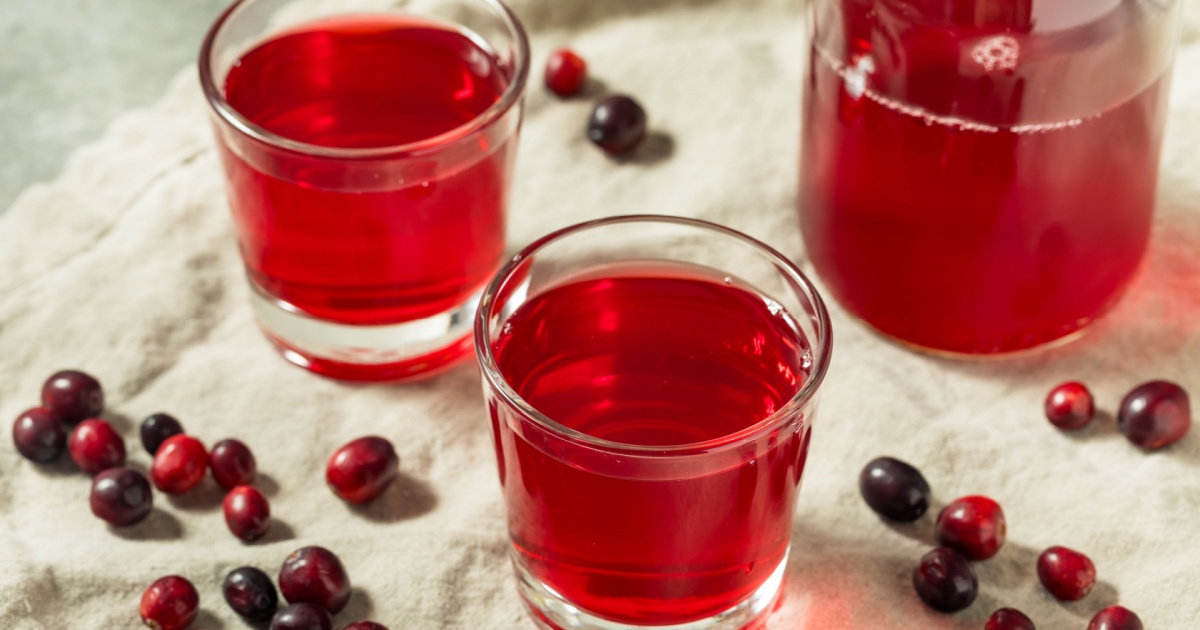
Cranberry juice earned its reputation in the context of urinary tract infections, and that reputation is well-deserved. But its relevance to kidney health runs a little deeper than most people realize. Cranberry juice has clinical evidence behind it: the active compounds in cranberries, called proanthocyanidins, prevent bacteria from latching onto the walls of the urinary tract. According to a 2024 meta-analysis published in Frontiers in Nutrition, PACs at intake levels of 36 mg can produce urine with anti-adhesive properties that keep UTI-causing bacteria from attaching in the bladder, and clinical trials have tested standardized doses of 72 mg daily in prevention protocols. Since UTIs can travel upward and affect the kidneys, prevention matters.
Most UTIs won’t affect the kidneys, but sometimes the infection can travel up the urinary tract and into the kidneys, causing a condition called pyelonephritis (a kidney infection). Scientists think cranberry juice may help protect against this by interfering with bacteria that stick to the kidney walls. Kidney infections are serious and can cause permanent scarring and lasting damage if left untreated, which makes prevention a genuine long-term health strategy.
The catch is sugar. Most commercial cranberry juice cocktails are loaded with added sugar, which cancels out much of the benefit. Look for unsweetened cranberry juice or cranberry supplements standardized to their proanthocyanidin content. In clinical trials, participants typically drank about 300 milliliters (roughly 10 ounces) of cranberry juice daily. One more note: cranberry juice does have a high oxalate content, which makes it unsuitable for people who are already prone to certain types of kidney stones. If you have a history of kidney stones, check with your doctor before making cranberry juice a regular habit.
Read More: 8 Supplements to Help Support Kidney Health
What This Means for You
None of these drinks require a dramatic lifestyle overhaul. They’re already sitting on most grocery store shelves, and most of them are inexpensive. The point isn’t to cycle through all five every day. It’s to crowd out the drinks that actively work against your kidneys – the sugar-sweetened sodas, the heavily sweetened teas, the artificially flavored drinks that research consistently links to increased kidney disease risk – and replace them with options that offer real physiological benefit.
Water first, always. Then, layer in the others based on what you actually enjoy and what your health situation calls for. If you’re prone to kidney stones, lemon water and extra plain water should be priorities. If you’re a coffee drinker, you’re already ahead. If you prefer tea, go green and keep it unsweetened. If UTIs are a recurring problem for you, unsweetened cranberry juice or a standardized supplement is worth discussing with your doctor. Small, consistent choices, made daily, are what determine where your kidneys stand years from now. The drinks on this list are a practical starting point, and starting anywhere is better than waiting until something forces your hand.
Disclaimer: This information is not intended to be a substitute for professional medical advice, diagnosis, or treatment and is for information only. Always seek the advice of your physician or another qualified health provider with any questions about your medical condition and/or current medication. Do not disregard professional medical advice or delay seeking advice or treatment because of something you have read here.
AI Disclaimer: This article was created with the assistance of AI tools and reviewed by a human editor.
Read More: 8 Breakfast Choices You May Want to Avoid With Kidney Problems