
Most of us take our medications without much thought about what they might be doing in the background. You take the pill, it does the job you need it to do, and you move on with your day. That’s the whole point of prescription medicine. But some of the most commonly prescribed drugs in the country come with a second story, one that your doctor may not have had time to fully explain, and one that only becomes apparent months or even years into treatment.
This isn’t about rare, exotic side effects buried in the fine print. Several of these medications are household names, things people reach for at the drugstore or refill without a second thought every month. And their long-term effects on muscles, joints, bones, kidneys, and other systems are real, documented, and in some cases, irreversible if caught too late.
The goal here isn’t to frighten you into stopping any medication. These drugs often exist for good reasons, and for many people the benefits far outweigh the risks. But being informed means asking better questions at your next appointment, watching for warning signs earlier, and working with your doctor rather than waiting for a problem to announce itself loudly. Here are more than ten common medications worth knowing more about.
1. Fluoroquinolone Antibiotics (Ciprofloxacin, Levofloxacin, Moxifloxacin)
Fluoroquinolone medicines, which include ciprofloxacin, levofloxacin, and moxifloxacin, can cause long-lasting, disabling, and potentially permanent side effects involving tendons, muscles, joints, and the nervous system. These aren’t standard antibiotic side effects like a bit of nausea or a sensitive stomach. Unlike typical antibiotic reactions that are often limited to gastrointestinal upset or allergic responses, fluoroquinolones can cause tissue damage that may persist long after treatment ends.
These medications work by inhibiting bacterial DNA gyrase, but they also affect human cellular processes, disrupting collagen synthesis and cellular energy production, resulting in damage to tendons, nerves, muscles, and other connective tissues. The Achilles tendon is the most commonly affected area, and fluoroquinolones are associated with a two- to fourfold increased risk of acute tendinopathy and tendon rupture, with the incidence of this side effect reaching up to 2% in patients aged 65 and above.
Tendon swelling and injury may occur within just two days of starting treatment but may even appear several months after stopping the medication. The Food and Drug Administration has issued numerous warnings about these antibiotics causing unexpected and toxic side effects, ranging from tendon ruptures to aortic aneurysms. Specifically, the FDA added a black box warning in 2008 that fluoroquinolone use was associated with the increased risk of tendinitis and tendon rupture, followed by a 2013 label update warning that fluoroquinolones could cause irreversible damage from peripheral neuropathy, a nerve condition that can cause weakness, numbness, and pain in the hands and feet. People over 60, those with a history of kidney problems, organ transplant recipients, and those also taking corticosteroids face a significantly greater risk of developing tendon damage. If you’re prescribed one of these antibiotics for a routine infection, it’s reasonable to ask your doctor whether an alternative is appropriate.
2. NSAIDs (Ibuprofen, Naproxen, Celecoxib)
Nonsteroidal anti-inflammatory drugs, better known as NSAIDs, are among the most widely used medications on the planet. Ibuprofen and naproxen are available over the counter, which can give them an undeserved reputation for being completely harmless. For occasional use, they usually are. Long-term or high-dose use is a different situation entirely.
The kidneys rely on prostaglandins to maintain steady blood flow, especially during stress such as dehydration or illness. By suppressing prostaglandins, NSAIDs decrease the kidneys’ ability to regulate blood flow, which can cause acute kidney injury, even in previously healthy individuals. Repeated or long-term NSAID exposure may lead to structural damage in the kidneys, accelerating the decline in kidney function and potentially leading to chronic kidney disease over time.
The heart risks are just as significant. Both short-term and chronic use can raise the likelihood of heart attack or stroke, particularly in people with other cardiovascular risk factors. NSAIDs also promote sodium and fluid retention, which can worsen swelling and elevate blood pressure, and for patients with underlying heart failure, this fluid buildup may tip the balance toward worsening symptoms and hospitalizations. According to the FDA, NSAIDs can increase heart attack and stroke risk and the agency advises using the lowest dose for the shortest time needed. Short, occasional NSAID use at the lowest effective dose is generally safer than daily or prolonged therapy. If you’ve been using ibuprofen daily for months to manage chronic pain, that conversation with your doctor about alternatives is overdue. You can also read more about the dangers of long-term NSAIDs and what safer options exist.
3. Statins (Atorvastatin, Simvastatin, Rosuvastatin)
Statins are among the most prescribed medications in the world, and for many people with cardiovascular risk, their benefits are genuine and well-supported. But muscle problems are a real and common reason people stop taking them, and in some cases, that muscle damage goes beyond inconvenience.
Statin-associated muscle symptoms (SAMS) are the most common side effect associated with treatment discontinuation, and they range from mild-to-moderate muscle pain, weakness, or fatigue to potentially life-threatening rhabdomyolysis, reported by 10% to 25% of patients on statin therapy. Rhabdomyolysis is the breakdown of muscle tissue so severe that the byproducts can damage the kidneys, though this extreme outcome is rare. Many people who are prescribed statins to lower cholesterol end up stopping the medication because of muscle pain, weakness, or ongoing fatigue, and these symptoms are among the most common reasons patients abandon the drugs.
According to a 2024 review in the International Journal of Rheumatic Diseases, a rare condition called statin-associated autoimmune myopathy occurs in approximately 2 to 3 per 100,000 persons per year. It causes symmetrical weakness and muscle pain with persistently elevated enzyme levels, and crucially, symptoms persist even after statin therapy is stopped. This is why unexplained muscle weakness in someone on a statin deserves prompt evaluation, not just reassurance.
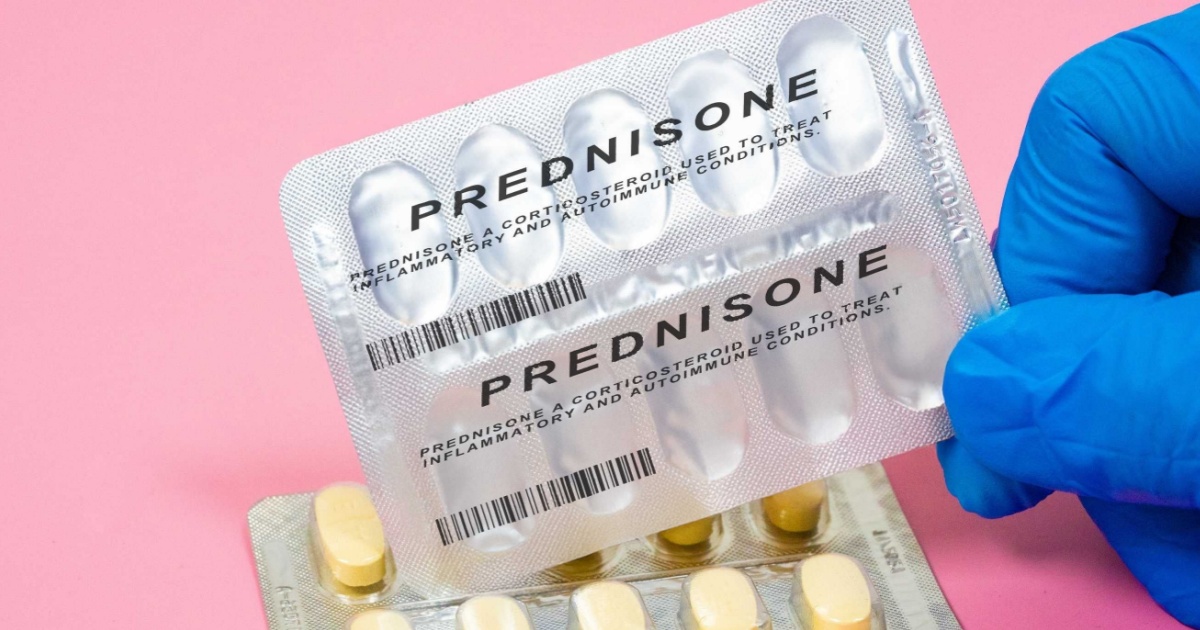
4. Corticosteroids (Prednisone, Methylprednisolone)
Prednisone and similar corticosteroids are lifesavers for conditions like severe asthma, rheumatoid arthritis, lupus, and inflammatory bowel disease. The problem comes when short-term prescriptions turn into months or years of continuous use, which happens more often than most patients expect.
Many people with joint or muscle pain, breathing, or intestinal ailments use corticosteroids like prednisone or methylprednisolone, but long-term use of these drugs can cause osteoporosis (loss of bone density) and fractures. Corticosteroids tend to both reduce the body’s ability to absorb calcium and accelerate the rate at which bone is broken down. According to the Cleveland Clinic Journal of Medicine, glucocorticoids are associated with fractures occurring in as many as 50% of long-term users, and the relative risk of fracture is significantly increased even with daily doses as low as 2.5 mg of prednisolone.
Daily oral prednisone therapy for 3 to 6 months or more has been shown to increase the risk of bone loss in most studies, and after glucocorticoids are discontinued, the fracture risk gradually decreases to baseline but may be only partially reversible. Over time, corticosteroids also weaken muscles, disrupt hormone balance, and suppress natural cortisol and sex hormone production. If you’re on a long-term course, ask your doctor about bone density monitoring and whether calcium, vitamin D, or additional medications for bone protection should be part of your plan.
5. Proton Pump Inhibitors (Omeprazole, Pantoprazole, Esomeprazole)
PPIs are prescribed for acid reflux, heartburn, and stomach ulcers. They are generally prescribed for four to eight weeks, though they may be prescribed for longer in patients with comorbidities and multiple medications, and concerns have been raised about the safety of long-term use.
Observational and population-based cohort studies have shown an association between long-term PPI use and an increased risk of pneumonia, major cardiovascular events, dementia, vitamin B12 deficiency, bone fractures, gastric cancer, and kidney injury. The bone issue is directly tied to nutrient absorption. By lowering stomach acid, PPIs impair calcium and magnesium absorption, leading to muscle cramps, weakness, and increased fracture risk. PPI use has been associated with hypocalcemia and hypomagnesemia, vitamin D3 deficiency, hyperparathyroidism, and significantly decreased bone density in long-term users.
One survey found that most patients taking PPIs for more than three years reported unusual musculoskeletal side effects including weakness, flank pain, spasm of hands and feet, muscle aches, numbness, and tremor. If you’ve been on a PPI for more than a few months, check in with your doctor about whether you still need it. Many people remain on them indefinitely simply because no one reviewed the prescription again.
6. Beta Blockers (Carvedilol, Metoprolol, Atenolol)
Beta blockers are prescribed for high blood pressure, heart failure, and certain heart rhythm problems. They work by slowing the heart rate and reducing the heart’s workload, which makes them valuable for a significant portion of the population. Treatment with carvedilol, for example, is usually long-term.
Fatigue and weakness are common when starting a beta blocker, as the body adjusts to a slower heart rate and lower blood pressure. Joint pain is also a possible side effect, though it was not considered a common finding in clinical studies of people taking the drug specifically for heart failure. Muscle pain was not formally reported as a side effect in clinical trials, but muscle cramps have been reported since the drug entered widespread use, and muscle pain can be a symptom of those cramps, meaning discomfort related to muscle cramping while taking the drug is possible.
Beta blockers can also induce muscle weakness and vision problems in people with myasthenia gravis (a condition causing muscle weakness), making a full medical history important before starting one of these drugs. Never stop taking a beta blocker suddenly. Abrupt discontinuation can cause rebound high blood pressure, chest pain, or even a heart attack. Any dose changes must be done gradually under medical supervision.
7. Aromatase Inhibitors (Anastrozole, Letrozole, Exemestane)
Aromatase inhibitors are prescribed primarily to postmenopausal women with hormone receptor-positive breast cancer. They are highly effective at reducing cancer recurrence, but they work by dramatically lowering estrogen levels, and that comes with physical consequences.
Aromatase inhibitors can lead to joint stiffness and arthralgia (joint pain) as a direct result of the steep drop in estrogen they produce. These medications have significant adverse effects on bone, and professional society guidelines advise initiating treatment for bone loss in women taking an aromatase inhibitor. The joint pain associated with these drugs is common enough that it’s one of the main reasons patients stop them before completing their prescribed course, which can affect cancer outcomes.
Staying active with weight-bearing exercise, adequate calcium and vitamin D intake, and regular bone density monitoring are practical steps anyone on an aromatase inhibitor should build into their routine. The tradeoffs are significant enough that they warrant a frank, ongoing conversation with your oncologist.
8. Antiseizure Medications (Phenytoin, Carbamazepine, Valproate)
Antiepileptic drugs are prescribed not just for epilepsy but also for neuropathic pain, migraines, and mood disorders. Many people take them for years without realizing what they may be doing to bone strength.
Anti-seizure medications like phenytoin and carbamazepine can interfere with vitamin D metabolism, contributing to bone loss and muscle weakness. These drugs have significant adverse effects on bone, and many drugs used to treat epilepsy are associated with increased fracture risk. Reduced vitamin D availability impairs calcium absorption, weakens bones over time, and can cause the kind of diffuse muscle weakness that gets attributed to other causes before the medication connection is considered.
If you take an antiseizure medication long-term, ask your doctor whether your vitamin D levels have been checked recently. Supplementation may be appropriate, but dosing should be guided by actual blood levels, not a general recommendation.
9. SSRIs (Fluoxetine, Sertraline, Escitalopram)
SSRIs (selective serotonin reuptake inhibitors) are among the most commonly prescribed antidepressants in the US. They are generally well-tolerated, and for many people managing depression or anxiety, they are genuinely helpful. But long-term use carries a less-discussed risk to bones.
Daily SSRI use nearly doubles the risk of hip fracture in people over age 50. SSRIs have significant adverse effects on bone, and the mechanism involves serotonin receptors in bone cells, which play a role in regulating bone formation and breakdown. This is an area where the connection can go unnoticed for years because fracture risk accumulates slowly.
Healthcare providers should monitor the bone health of patients on these agents, supplement calcium and vitamin D intake, and encourage weight-bearing exercise. If you’ve been on an SSRI for several years and you’re over 50, a bone density scan is worth discussing with your doctor, particularly if you haven’t had one recently.
10. Opioids (Oxycodone, Hydrocodone, Morphine)
Opioids remain one of the most prescribed pain medications despite well-documented risks. For acute pain after surgery, they have a clear role. For chronic non-cancer pain, the long-term picture is more complicated.
All opioids are controlled substances, which means they have the potential for dependency, and laws regulate how they are prescribed. Beyond addiction risk, long-term opioid use suppresses the production of sex hormones like testosterone and estrogen through a process called opioid-induced endocrinopathy. This leads to fatigue, muscle loss, reduced bone density, and in men, symptoms similar to hypogonadism (low testosterone). Long-term opioid therapy exposes patients to increased risks of dependency, addiction, bone fractures, and opioid-related death, according to a 2025 retrospective cohort study.
For people managing chronic pain with opioids, it’s worth exploring whether multimodal approaches (combining physical therapy, nerve blocks, non-opioid medications, or interventional procedures) could allow for dose reduction. Lower doses over time mean fewer long-term consequences.
11. Gabapentinoids (Gabapentin, Pregabalin)
Gabapentin and pregabalin are prescribed widely for nerve pain, fibromyalgia, and as an add-on treatment for seizures. Their use has expanded significantly, and so has awareness of what they can do over the long run.
Gabapentin and pregabalin are primarily used to treat nerve pain and have been shown to cause weight gain as a side effect, possibly due to changes in appetite or fluid retention. Too much fluid in the body can put extra stress on the heart. Chronic weight gain from these medications compounds metabolic risks, particularly in people already managing obesity, diabetes, or cardiovascular disease.
These drugs also carry a risk of dependence and withdrawal that is underappreciated by many patients and even some prescribers. Stopping them abruptly after long-term use can cause significant withdrawal symptoms. If you’re on a gabapentinoid and want to come off it, a gradual taper under medical guidance is essential.
12. Isotretinoin (Accutane)
Isotretinoin is a potent prescription medication for severe acne, and it works. But its systemic effects extend well beyond the skin, and some of them surface with longer-term or repeated use.
Isotretinoin, sold under the brand name Accutane, can cause back pain as a documented side effect. More broadly, the drug affects skeletal health, including potential effects on bone density, joint pain, and skeletal development in younger users. It is also strictly contraindicated in pregnancy due to the risk of severe birth defects, and its prescribing is tightly regulated in the US through a risk management program called iPLEDGE.
Musculoskeletal symptoms during isotretinoin treatment, including joint and muscle aches, are reported frequently enough that patients should flag any new pain to their prescribing dermatologist. Dose adjustments are possible and can often resolve the issue without requiring full discontinuation.
Read More: Most Common Side Effects of Statin Drugs, According to Doctors
What to Do With This Information
None of these medications should be stopped without talking to your doctor first. That’s not a disclaimer, it’s genuinely important practical advice. Symptoms from long-term medication use often mimic common conditions like arthritis, fibromyalgia, or normal aging, and side effects can take months or even years to appear. That delayed timeline is exactly why the connection gets missed.
If new symptoms develop and you can’t explain them, take a careful look at your medication list. When did each drug start? When did the symptom appear? It sounds simple, but tracking that timeline and bringing it to your appointment is one of the most useful things you can do. Ask your doctor directly whether any of your current medications could be contributing to how you feel, whether alternatives exist, and whether any long-term monitoring, such as bone density scans, kidney function panels, or muscle enzyme checks, is warranted based on what you’re taking.
You may also find yourself prescribed additional medications to treat new symptoms, creating a cycle rather than addressing the root cause. That’s another reason to stay proactive. The goal of being on a medication is to improve your overall health, not to manage one problem while quietly accumulating another. Being an informed patient, one who asks questions, tracks changes, and revisits old prescriptions, is the most effective tool you have.
Disclaimer: The author is not a licensed medical professional. The information provided is for general informational and educational purposes only and is based on research from publicly available, reputable sources. It is not intended to constitute, and should not be relied upon as, medical advice, diagnosis, or treatment. Always consult a licensed physician or other qualified healthcare provider regarding any medical condition, symptoms, or medications. Do not disregard, avoid, or delay seeking professional medical advice or treatment because of information contained herein.
AI Disclaimer: This article was created with the assistance of AI tools and reviewed by a human editor.
Read More: 10 Common Medications to Avoid With Coffee, No Matter What