
Most families know the feeling. The paycheck clears, the bills go out, and somewhere in between there’s barely enough left to breathe. Groceries cost more. Rent keeps climbing. Healthcare feels like a luxury. And yet, a few hundred miles away in places like Silicon Valley and on Wall Street, fortunes are growing so large that the numbers stop making intuitive sense. That gap, the one most working Americans feel in their gut before they understand it in dollars, is now at the center of a major piece of legislation making its way through Congress.
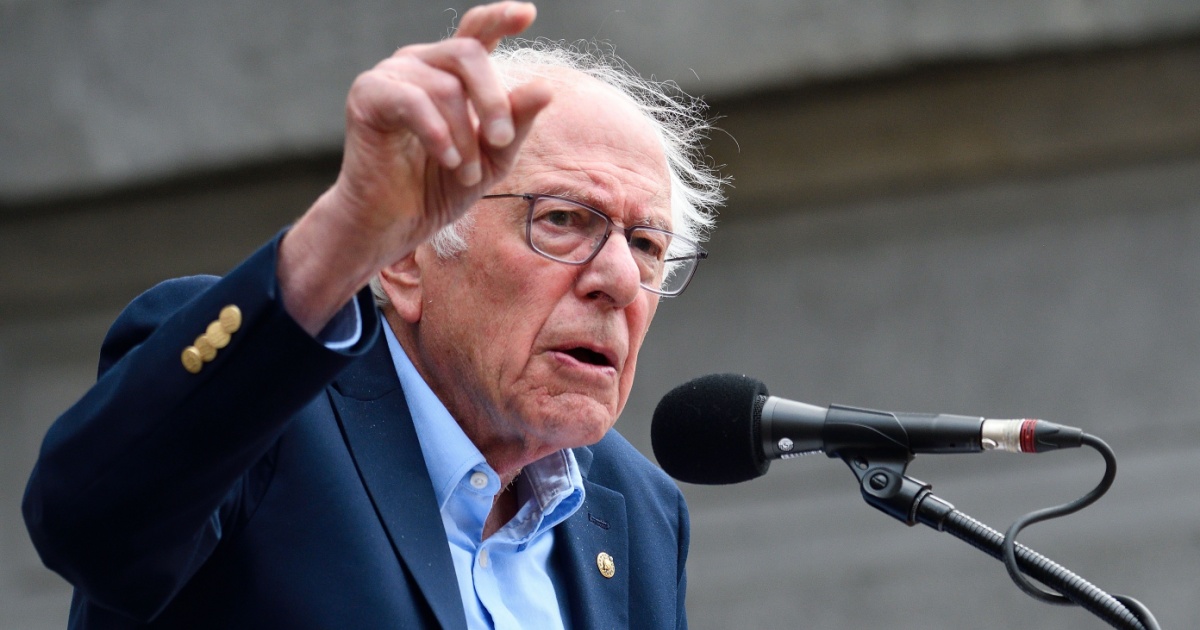
Senator Bernie Sanders of Vermont and Representative Ro Khanna of California introduced a bill in early 2026 called the Make Billionaires Pay Their Fair Share Act. The core idea is simple enough to explain at a dinner table: tax the very wealthiest Americans on what they own, and use that money to help the people who have far, far less. What makes this proposal different from past political talking points is the sheer specificity of what it promises. The numbers are concrete. The targets are named. And for millions of families, the potential payments would land fast.
Whether the bill passes is a separate question. But understanding what’s actually in it, and the economic conditions that gave rise to it, matters for anyone trying to make sense of where this country stands right now.
What the Bill Would Actually Do to Billionaire Tax Payments
The legislation would establish a 5% annual wealth tax on just 938 billionaires in America who are now worth $8.2 trillion. No one with a net worth of less than $1 billion would pay a penny more in taxes under this bill.
To be clear, this isn’t an income tax. It’s a tax on wealth itself, meaning the total value of what someone owns, from stocks and real estate to art and business holdings, minus any debts.
The revenue generated wouldn’t disappear into general government coffers. In its first year, the bill would provide a $3,000 direct payment to every man, woman and child in a household making $150,000 or less, which works out to $12,000 for a family of four.
According to an analysis by economists Emmanuel Saez and Gabriel Zucman, the legislation would raise $4.4 trillion over the next decade. Saez and Zucman are professors of economics at UC Berkeley who have spent years studying wealth concentration and tax policy.
The Numbers Behind the Wealth Gap
To understand why proposals like this are gaining real traction, it helps to look at where American wealth actually sits right now. Last year alone, the 938 billionaires in America became $1.5 trillion richer. That’s not their total wealth. That’s the growth in a single year.
Over the past 50 years, $79 trillion in wealth in the United States has been redistributed from the bottom 90% to the top 1%. That figure is worth sitting with for a moment. It represents not just who got rich, but who got left behind in the process. Meanwhile, the Federal Reserve’s Distributional Financial Accounts, which provide a quarterly measure of the distribution of U.S. household wealth since 1989, track wealth shares across percentile groups including the top 1%, next 9%, next 40%, and the bottom half. Those accounts show that wealth concentration among the wealthiest 10% of households has grown measurably since 1990.
The share of consumers living paycheck to paycheck has remained persistently high. Sanders himself noted that 60% of Americans are living paycheck to paycheck, struggling to pay for housing, food, and healthcare. Broader surveys using self-reported data put the figure considerably higher in some recent periods.
The picture at the other end of the spectrum looks very different. Elon Musk is the wealthiest person in the world, with an estimated net worth of $828 billion according to Forbes, primarily from his ownership stakes in SpaceX and Tesla. The Sanders office calculated that under the proposed 5% annual wealth levy, Musk would owe approximately $42 billion in taxes. According to the Bloomberg Billionaires Index, Mark Zuckerberg’s net worth stands at approximately $217 billion and Jeff Bezos’s at approximately $285 billion. The Sanders office calculated that each would owe roughly $11 billion under the same 5% rate.
These are not figures drawn from projections about future earnings. They are calculated directly from current known net worth, applying a flat 5% rate.
Where the $4.4 Trillion Would Go
The first-year direct payments get most of the headlines, but the bulk of the legislation’s ambition sits in what happens with the decade-long revenue. Sanders and Khanna outlined several specific uses.
The bill would reverse $1.1 trillion in Medicaid and Affordable Care Act cuts contained in the One Big Beautiful Bill Act, establish a minimum $60,000 salary for public school teachers, and cap what families pay for childcare at 7% of household income.
The bill would also expand Medicare to cover dental, vision, and hearing care for millions of seniors, and build, rehabilitate, and preserve over 7 million affordable homes to address homelessness and the affordable housing gap.
That last point speaks to a crisis that has been building for years. The National Low Income Housing Coalition’s 2025 Gap report found that the lowest-income renters in the U.S. face a shortage of 7.1 million affordable and available rental homes, with only 35 affordable and available homes for every 100 extremely low-income renter households. As a result of this shortage, three-quarters of renters with extremely low incomes are severely cost-burdened, spending more than half of their income on rent.
The childcare component would also affect millions of families directly. At a time when tens of millions of Americans are struggling to afford basic needs, the bill’s proposal to cap childcare costs at 7% of household income could free up hundreds of dollars a month for working parents.
How a Wealth Tax Actually Works
Most people are familiar with income taxes, but a wealth tax is different. Rather than taxing what you earn in a year, it taxes what you already own. A person with $2 billion in assets would owe 5% of that value annually, regardless of whether they sold anything or received a paycheck.
Much of billionaire wealth sits in stocks, assets, and other investments, growing year after year. Billionaires can easily borrow against their wealth or sell part of their business stakes without affecting the operation of the businesses they own. A wealth tax closes that gap by taxing the value directly.
Critics of wealth taxes have raised legitimate practical concerns. A common objection is that a wealth tax would be difficult to enforce, could lead to tax evasion, and may raise constitutional questions. Valuing privately held businesses, art collections, or complex financial instruments is genuinely hard, and wealthy individuals have resources to challenge assessments. These aren’t trivial objections, and any honest accounting of the proposal has to include them.
The bill’s architects addressed this by designing a comprehensive tax base with no exemptions, and note that the small number of taxpayers, roughly 1,000 individuals, makes it possible to carry out careful, systematic audits.
The Political Reality
This bill was introduced by members of the minority party in a Congress currently controlled by Republicans, which means its path to becoming law is steep. The Trump administration has moved in the opposite direction on tax policy, extending and expanding cuts that primarily benefit higher earners. The Sanders-Khanna proposal would specifically reverse the $1.1 trillion in cuts to Medicaid and the Affordable Care Act made by President Trump’s One Big Beautiful Bill Act.
Billionaires have increasingly caught the attention of disgruntled Americans, many of whom view the ultrawealthy as a threat to the country, according to a November 2025 Harris Poll. That sentiment has been building across party lines, even if specific policy responses differ.
What the legislation does effectively, regardless of its legislative fate, is force a public accounting of who holds what in America. The figures are specific and attached to real names. Elon Musk’s estimated $42 billion tax bill. Zuckerberg’s $11 billion. Bezos’s $11 billion. These are calculations based on publicly reported net worth figures and a flat 5% rate.
For health-conscious readers who pay attention to the social determinants of wellbeing, which include financial security, housing stability, and access to healthcare, the connection between chronic financial stress and physical health is well documented. Persistent money pressure raises cortisol levels, disrupts sleep, and has been linked to higher rates of cardiovascular disease and mental health conditions. A policy that meaningfully reduces financial pressure on working families isn’t just an economic argument. It’s a public health one.
Read More: New Bill Could Let 401(k) Holders Give to Charity Tax-Free – Here’s How
What This Means for You
If you’re in a household earning under $150,000, the first-year impact of this bill, if passed, would be immediate and tangible. A family of four would receive $12,000. That’s a car repair fund, a healthcare deductible, three months of groceries, or the start of a savings account that millions of Americans currently don’t have. No one with a net worth under $1 billion would pay anything additional under this bill.
The longer-term provisions are just as worth watching. A $60,000 minimum teacher salary affects every public school in the country. Dental, vision, and hearing coverage under Medicare would reach millions of seniors who currently go without care they need because it’s not covered. A cap on childcare costs at 7% of household income would transform the math for working parents who currently spend far more.
Whether you support the bill’s politics or not, understanding what billionaire tax payments could fund is essential context for any conversation about healthcare access, housing affordability, or financial security in America. The gap between what the wealthiest Americans hold and what the rest of the country can afford has never been more measurable. What happens with that measurement is now a political question. But the lived experience of it, for most families, is anything but abstract.
Disclaimer: This information is not intended to be a substitute for professional financial advice, investment advice, tax advice, or legal advice, and is provided for informational purposes only. Always seek the guidance of a qualified financial advisor, accountant, or other licensed professional regarding your personal financial situation or investment decisions. Do not make financial, investment, or tax decisions based solely on information presented here. Past performance is not indicative of future results, and all investments carry risk, including the potential loss of principal.
AI Disclaimer: This article was created with the assistance of AI tools and reviewed by a human editor.
Read More: The Countries The Ultra-Rich Are Quietly Fleeing Right Now