
Most people who think carefully about cancer focus on genetics, pollution, or workplace exposure. Diet rarely gets the same level of urgency – yet what ends up on your plate three times a day is one of the most consistent variables cancer specialists can actually point to. The foods oncologists avoid aren’t necessarily things that will hurt you after a single serving. The concern is about what happens over months and years of regular exposure, when certain compounds accumulate, inflammation builds, and cellular damage goes largely unnoticed until it isn’t.
What makes this conversation particularly striking is who is having it. Oncologists – the doctors who watch people lose their lives to cancer – often make surprisingly specific choices about what they won’t eat. These aren’t vague wellness preferences. They’re informed, evidence-backed decisions shaped by watching the research in real time and, in many cases, seeing the consequences of certain dietary habits play out in their patients.
Nine categories of food keep coming up consistently in that conversation. You probably have at least a few of them in your kitchen right now.
1. Processed Meats
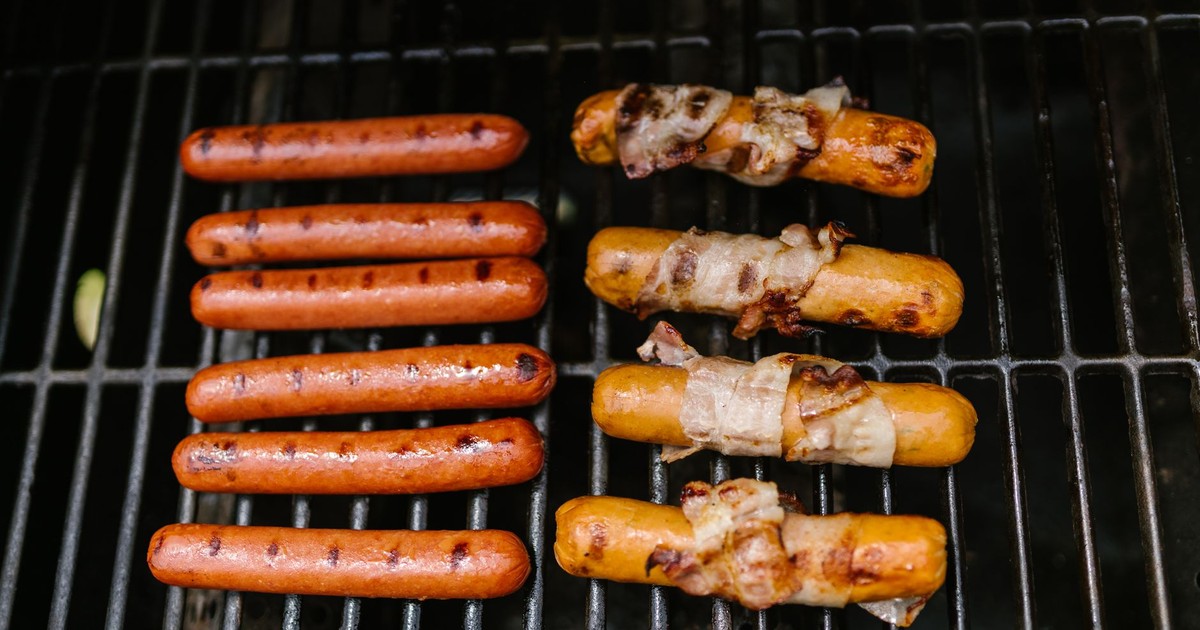
Bacon, hot dogs, deli ham, salami, pepperoni. These are the foods most closely tied to cancer risk in the scientific literature, and the classification is unambiguous. The International Agency for Research on Cancer, which is part of the World Health Organization, reviewed the research and classified processed meat as carcinogenic to humans. That places it in the same category as tobacco smoke and asbestos – not because the risk level is identical, but because the evidence that it causes cancer in humans is considered sufficient.
The mechanism is well understood. Curing agents in processed meat can contribute to the formation of cancer-linked compounds in the gut, especially when combined with low-fiber diets. Many processed meats use nitrate and nitrite compounds, which can participate in chemical reactions that generate N-nitroso compounds. Over time, frequent intake can raise the risk for colorectal cancer, cardiovascular disease, and type 2 diabetes. Specifically, a Harvard nutrition analysis found an 18% increased risk of colorectal cancer for every additional 50 grams of processed meat consumed daily. That’s roughly two strips of bacon or one hot dog.
The practical step here isn’t to panic over a holiday charcuterie board. It’s to stop treating these foods as everyday staples. In real life, processed meat often shows up as an add-on that becomes a habit. A few slices in a sandwich becomes a daily lunch default. A sausage at breakfast becomes a weekend routine. The health impact usually tracks repeated exposure over years, not a single meal.
2. Red Meat in High Quantities
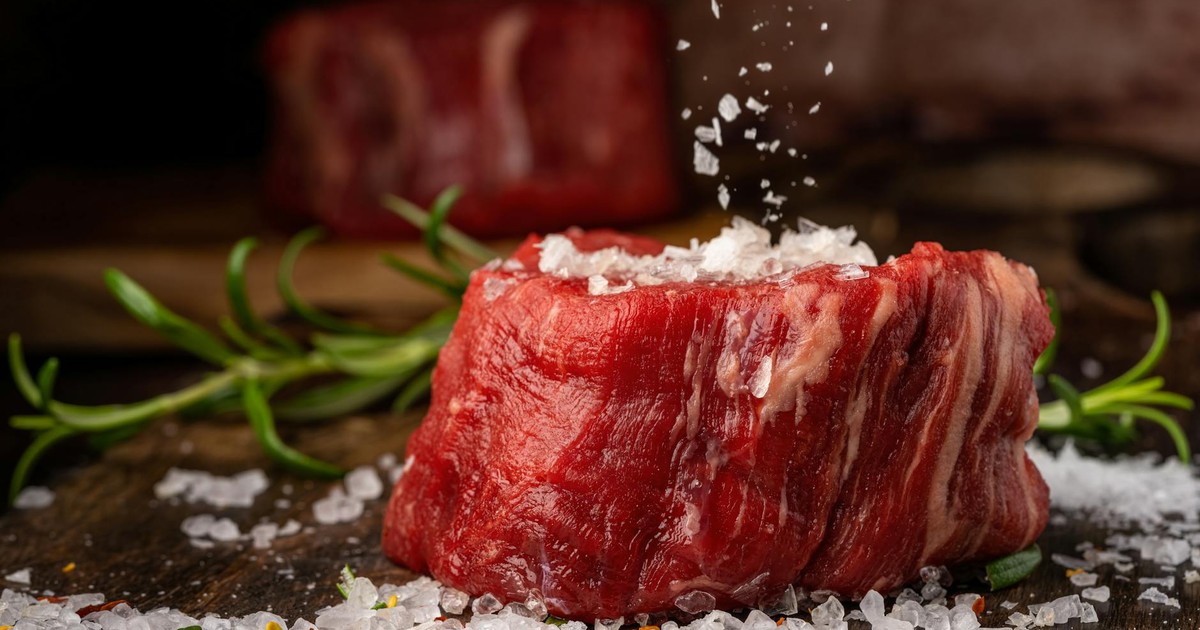
Red meat occupies a different category from processed meat – but it still makes the list of foods oncologists avoid when consumed in large amounts. The World Cancer Research Fund (WCRF) and the American Institute for Cancer Research (AICR) recommend limiting red meat consumption to no more than three portions a week, and their guidance on processed meat is stricter: consume very little, if any. The WHO classifies red meat as Group 2A – “probably carcinogenic to humans” – based on limited but suggestive evidence.
A 2025 meta-analysis pooling 60 prospective studies – published in GeroScience – found that high consumption of red and processed meat was linked to increased risks of colorectal, colon, and rectal cancers. The researchers flagged that dose matters: occasional consumption carries far less concern than daily red meat eating. While small amounts of red meat can be part of a balanced diet, daily or heavy intake puts stress on your digestive system, increases inflammation, and raises certain cancer risks. Choosing alternatives like chicken, eggs, fish, or plant-based proteins is a healthier option for regular protein sources.
Most oncologists don’t recommend cutting red meat entirely. They recommend treating it like a less-frequent choice rather than a daily default – and pairing it with plenty of fiber-rich vegetables when you do eat it.
3. Ultra-Processed Foods
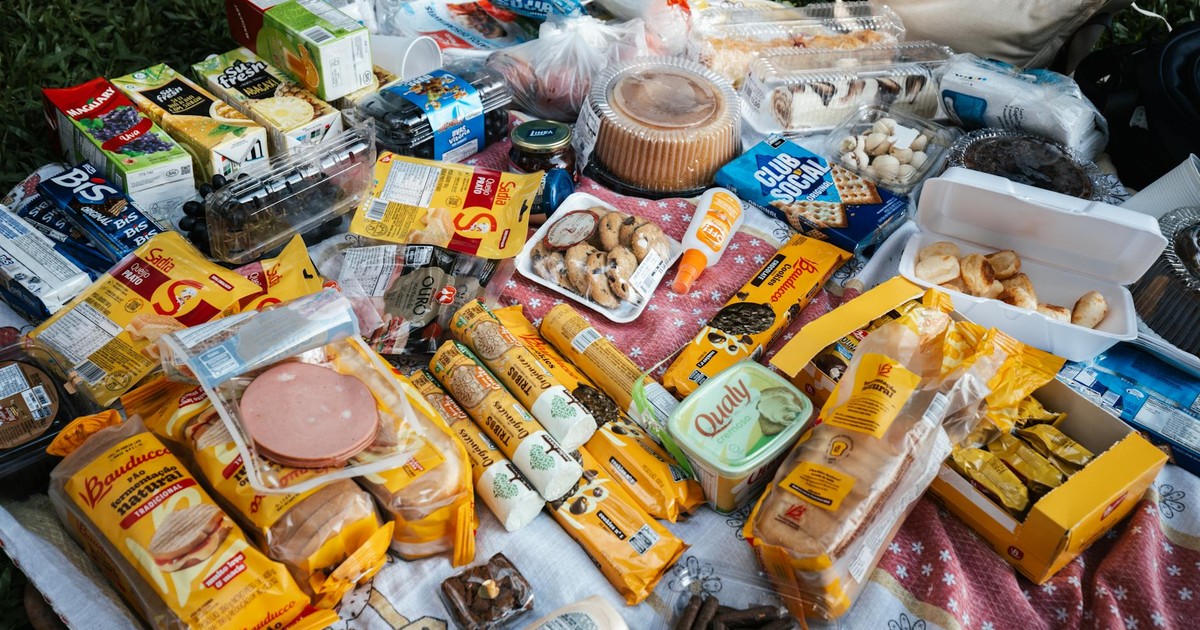
Ultra-processed foods (UPFs) are those made with ingredients you wouldn’t find in a home kitchen: emulsifiers, artificial flavors, color stabilizers, modified starches, and preservatives engineered to extend shelf life. Think packaged snack cakes, instant noodles, mass-produced bread, flavored chips, and ready-to-eat frozen meals. According to a 2025 CDC report, youth ages 1-18 consumed 61.9% of their calories from ultra-processed foods, while adults 19 and older consumed 53%.
Studies have shown associations between ultraprocessed foods and increased cancer risk, and a meta-analysis found that these foods were, on average, associated with a 12% increased risk of total cancer incidence. A 2025 study published in JAMA Oncology added a new dimension to this concern: women under 50 whose diets contained the largest amounts of ultra-processed foods had a 45% higher risk of developing pre-cancerous polyps in their colon.
Ultra-processed foods cause inflammation in the gut – which includes the colon – that impairs the gut’s ability to repair itself when damaged and keep tumors at bay. High levels of inflammation are also linked to cancer in general. Swapping UPFs for whole foods doesn’t require a dramatic overhaul. Starting with one meal a day cooked from recognizable ingredients is a meaningful first step.
4. Alcohol

Fish, eggs, lentils, chickpeas, tofu, and beans are excellent sources of lean protein – foods oncologists actively choose instead. But when it comes to what they consistently pass on, alcohol is near the top. Oncologists share the everyday habit of cutting out alcohol to reduce cancer risk. The science behind that decision is hard to argue with.
The National Cancer Institute reports that the IARC has classified alcohol as a Group 1 carcinogen, linked to at least eight types of cancer including breast, liver, colorectal, and esophageal cancers. The American Cancer Society projected 158,850 new U.S. colorectal cancer cases and 55,230 deaths in 2026, with rising rates among adults under 50. Alcohol is a known contributor to that trend. Data from the American Cancer Society’s alcohol and cancer warning shows that 6% of all U.S. cancers and 4% of cancer deaths are attributed to alcohol consumption.
There is no established “safe” threshold for cancer risk when it comes to alcohol. Every drink adds some level of exposure. Oncologists who drink at all tend to do so rarely – and those who have quit entirely often cite the cancer data as a primary reason.
5. Sugar-Sweetened Beverages

Soda, sweetened iced tea, sports drinks, energy drinks, and fruit-flavored beverages all fall into a category that cancer researchers have been studying closely. The concern isn’t only about sugar – it’s about what these drinks do systemically when consumed regularly. They drive up blood glucose, promote excess weight, and fuel chronic inflammation, all of which create conditions that can support cancer cell growth.
A peer-reviewed analysis found that the highest sugar-sweetened beverage consumption was associated with a 12% increased overall cancer risk. The association was present even after adjusting for body weight, suggesting the drinks themselves carry risk beyond their contribution to obesity. Certain ultraprocessed foods, including processed meat and sweetened beverages, have been convincingly associated with an increased risk of cancer.
The practical swap is also the simplest one: water, plain sparkling water, unsweetened tea, or black coffee. The World Cancer Research Fund recommends limiting consumption of sugar-sweetened drinks and drinking mostly water or unsweetened drinks instead – one of its core Cancer Prevention Recommendations.
6. Charred and Heavily Grilled Meats
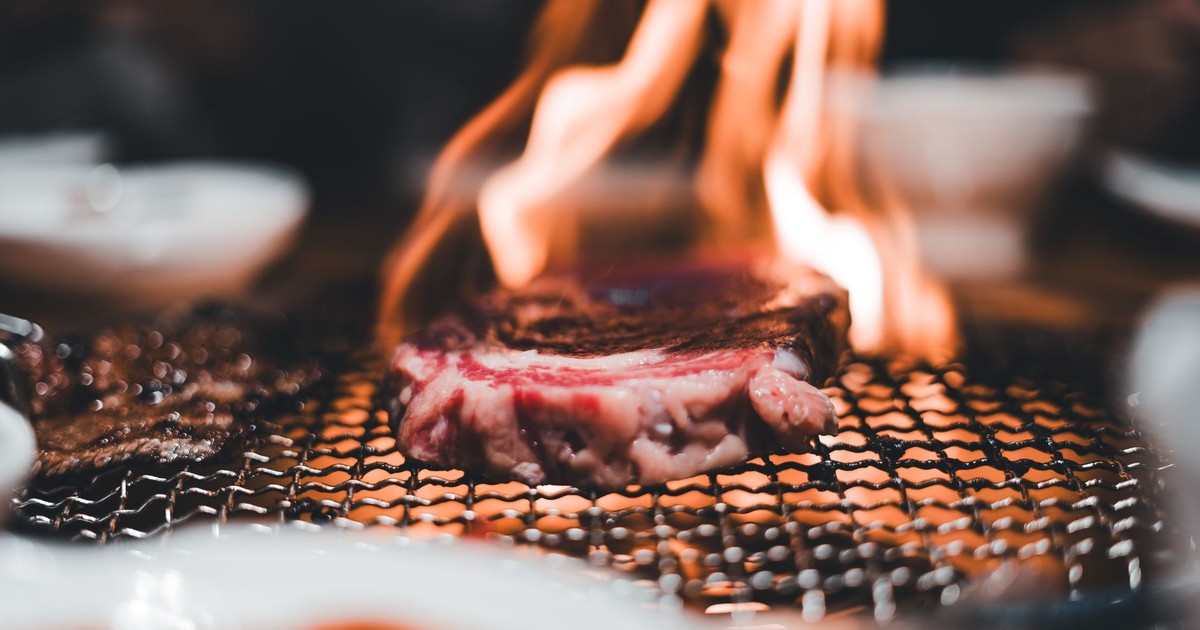
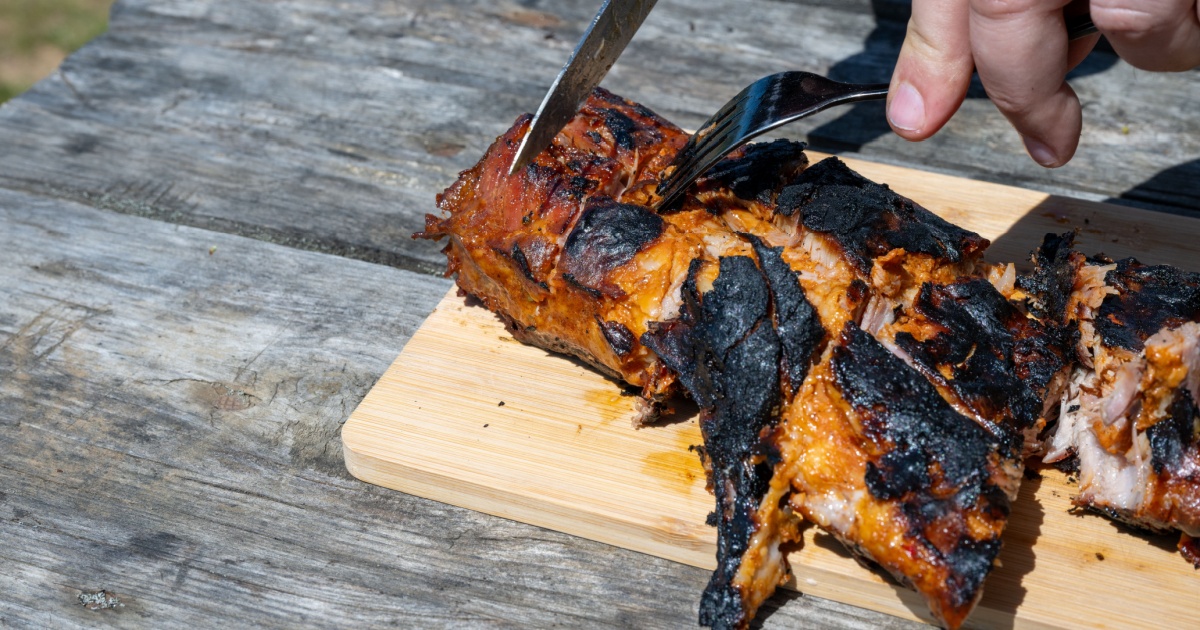
The problem with grilling isn’t the cooking method itself – it’s what happens when meat is cooked at very high temperatures directly over an open flame. According to the National Cancer Institute, heterocyclic amines (HCAs) and polycyclic aromatic hydrocarbons (PAHs) form when muscle meat is cooked at high temperatures. These compounds are mutagenic, meaning they cause DNA changes that can increase cancer risk.
Grilled meats are a major source of HCAs and PAHs. These chemicals form when you cook meat over an open flame and are associated with an increased risk of colorectal, pancreatic, lung, and breast cancers. PAHs also form when fat drips onto the flame, creates smoke, and that smoke then deposits on the surface of the meat.
The good news is that there are practical ways to reduce exposure without giving up grilling entirely. Research from Augusta University found that microwaving meat before grilling can reduce HCA content by up to 90%. Marinating meat before cooking, using lower heat, and flipping frequently also reduce the formation of these compounds significantly. Charring less, and trimming away any visibly blackened parts, helps too.
7. Foods With Certain Emulsifiers and Additives
Ingredient lists on processed foods often carry a parade of E-numbers – coded names for additives that stabilize texture, extend shelf life, or improve appearance. Most consumers scan past them. Some oncologists don’t. Research published in PLOS Medicine found that specific food additive emulsifiers – sodium citrate (E331), xanthan gum (E415), and mono- and diglycerides of fatty acids (E471) – were associated with an overall increased cancer risk in a large French cohort study.
Growing evidence focuses on several possible ways ultra-processed foods may influence cancer risk, such as exposing the body to harmful additives, disrupting the balance of gut bacteria, and triggering chronic systemic inflammation. The emulsifiers in question are particularly common in ultra-processed foods – breads, ice cream, salad dressings, and low-fat dairy products. A definite cause-and-effect relationship has not been established, but observational studies consistently demonstrate an association between the consumption of ultra-processed foods and an increased risk of cancer.
Reading ingredient labels is one of the most direct ways to limit exposure. If a product contains a long list of coded additives you can’t identify, choosing a simpler alternative is a reasonable call.
8. Highly Salted Foods
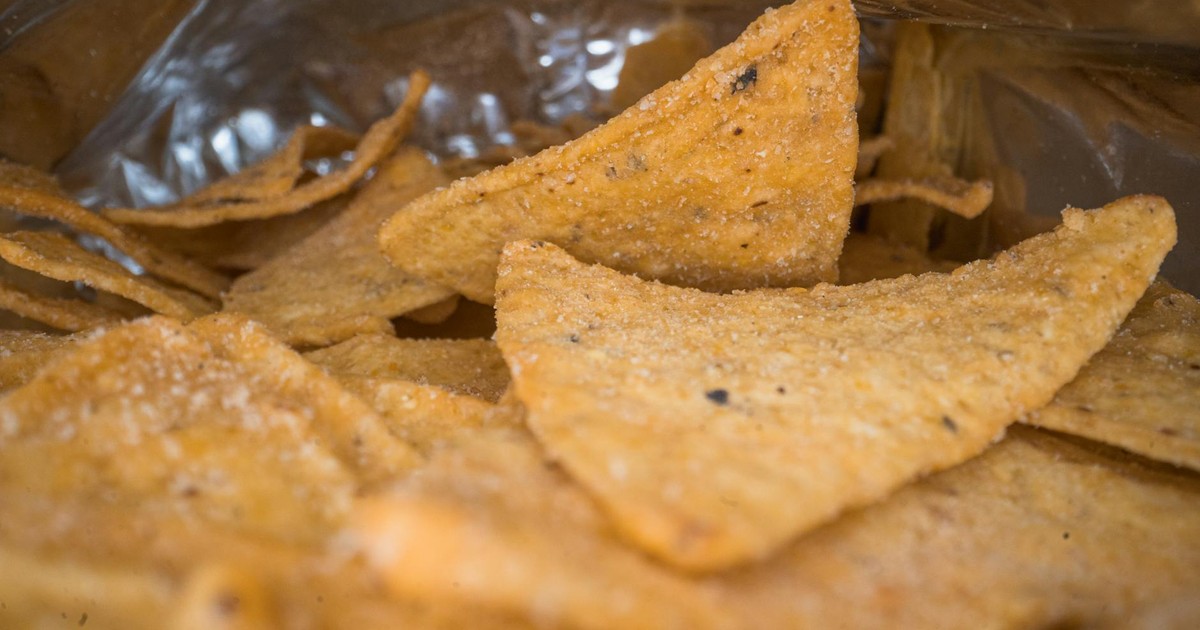
Salt-preserved fish, heavily salted snacks, pickled meats, and high-sodium packaged foods are all items that oncologists tend to limit – particularly those with a focus on gastrointestinal cancers. A 2025 study in Nutrients found that higher sodium intake was significantly associated with increased risks of esophageal and gastric cancers.
The mechanism involves the stomach lining. High salt concentrations can damage the mucus layer that protects the stomach wall, making it more susceptible to the bacteria H. pylori, which itself is a known risk factor for gastric cancer. The damage creates an environment where cellular changes are more likely to progress toward malignancy.
You don’t need to fear sodium altogether – it’s a necessary mineral. The practical concern is with habitually high intake: adding salt to everything, eating multiple processed or cured foods daily, or regularly consuming high-sodium fast foods. Checking nutrition labels and aiming to stay within recommended daily sodium guidelines – around 2,300mg per day for most adults, according to the CDC – is a meaningful protective step.
9. Refined Grains and White Flour Products

White bread, white pasta, white rice, pastries, and many packaged crackers are made from refined grains – grains that have had the fiber-rich bran and nutrient-dense germ stripped away during processing. What’s left is a rapidly digested carbohydrate that spikes blood sugar and contributes to the kind of metabolic conditions – elevated insulin, chronic low-grade inflammation – that researchers increasingly link to cancer risk.
A study published in a peer-reviewed nutrition journal found that high refined grain intake was associated with increased risk of colon and gastric cancer, while whole grain intake was associated with 6% to 12% lower cancer mortality compared to the lowest whole grain intake. That’s a meaningful difference that comes simply from swapping white for whole.
You can find anti-cancer diet strategies that consistently point to whole grains as a cornerstone of a protective eating pattern. Brown rice, oats, quinoa, barley, and whole grain bread are straightforward replacements. The fiber they contain also supports gut health, which matters for colorectal cancer risk specifically.
Read More: 10 Cancer-Linked Foods You Should Never Put in Your Mouth Again
What This Means for You
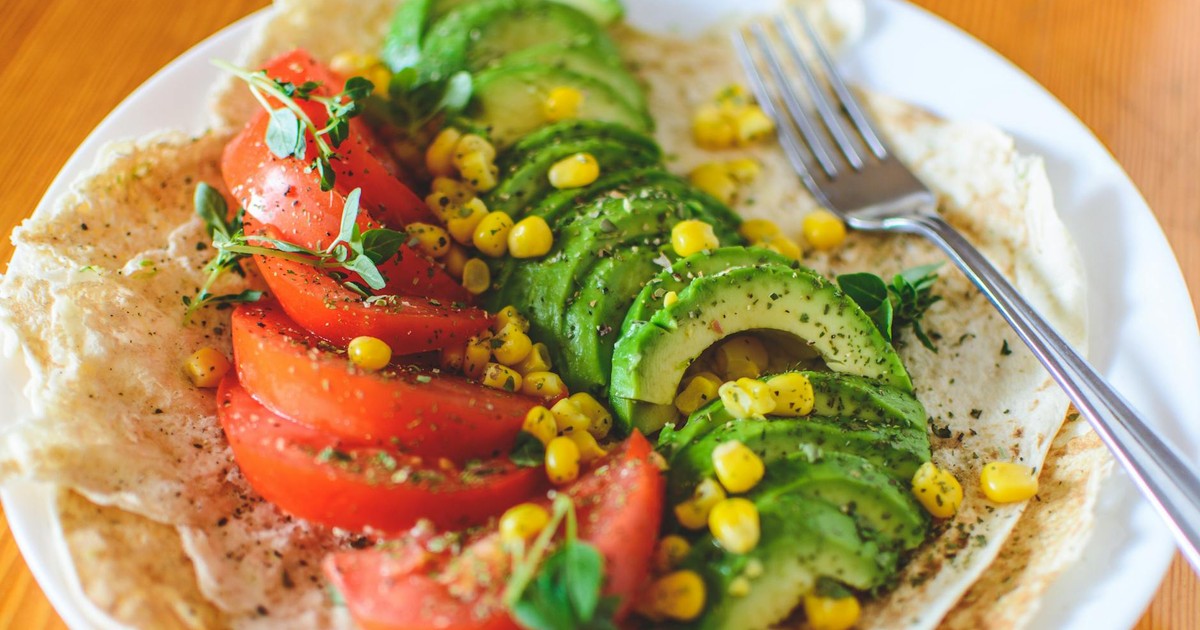
None of this is about reaching dietary perfection. There is no food that can guarantee you won’t develop cancer, and eating well reduces risk without eliminating it entirely. What the evidence does support is that consistent, repeated exposure to certain foods – processed meats, heavily charred grills, sugar-sweetened drinks, alcohol, refined grains – creates conditions in the body that make cancer more likely over time. The flip side of that same evidence is that changing those habits meaningfully moves the odds in your favor.
According to the World Cancer Research Fund, around 40% of all cancer cases are preventable, and a significant share of that preventability traces back to diet and lifestyle. That’s not a small window. The foods oncologists avoid aren’t all-or-nothing taboos – they’re simply choices made less frequently, replaced by whole foods, fiber, and meals built from recognizable ingredients. If you’re not sure where to start, pick whichever item on this list you consume most often. Reducing it – not eliminating it overnight – is a realistic, evidence-based place to begin.
Consistency matters more than perfection here. A person who swaps processed meat for fresh chicken five days a week is making a more meaningful change than someone who eliminates everything for a month and then returns to old habits. Small, durable shifts in what you eat regularly are where the science suggests the real protective benefit lies. The patterns you build now are the ones that will shape your risk over the next decade.
Disclaimer: The author is not a licensed medical professional. The information provided is for general informational and educational purposes only and is based on research from publicly available, reputable sources. It is not intended to constitute, and should not be relied upon as, medical advice, diagnosis, or treatment. Always consult a licensed physician or other qualified healthcare provider regarding any medical condition, symptoms, or medications. Do not disregard, avoid, or delay seeking professional medical advice or treatment because of information contained herein.
AI Disclaimer: This article was created with the assistance of AI tools and reviewed by a human editor.
Read More: 6 Beverages With Anti-Cancer Properties