
Something unusual is unfolding at the intersection of immigration politics and American air travel. The federal government is weighing a move that would make your international flight home, or your next trip abroad, dependent on where you live. Cities and states across the country are watching closely. So are the airlines, the hotel chains, the tourism industry, and millions of travelers who have nothing to do with immigration policy debates.
The tension started well before any airport was mentioned. Over the past year, the Trump administration has systematically built a legal and bureaucratic infrastructure to confront what it calls the problem of sanctuary cities and states – jurisdictions that refuse to fully cooperate with federal immigration enforcement. That list now includes some of the biggest cities in the country, and the administration’s tactics for pressuring them just took a dramatic new turn.
Understanding what’s actually at stake requires knowing which cities are on the list, what their policies actually say, and why the latest proposal to punish them has set off alarm bells across the entire travel economy. Here’s everything you need to know.
The Airport Plan That’s Rattling the Travel Industry
Homeland Security Secretary Markwayne Mullin says his office is “drawing up” plans to pull Customs and Border Protection agents from airports in “sanctuary” cities, which would make it illegal for international flights to land there. The practical effect of such a move would be severe. Without CBP officers – the federal agents who process international arrivals – airports simply cannot receive international flights. No processing means no landing.
Mullin, appearing on Fox News, said that in sanctuary cities “where the local radical-left Democrats aren’t allowing us to do our jobs and enforce federal laws, then we shouldn’t be processing international flights into their cities either.” The comments came at a particularly sensitive moment, landing just two weeks ahead of the FIFA World Cup beginning with games in the U.S., Canada, and Mexico.
The travel industry reacted fast. “Reducing CBP staffing at major airports would have a devastating effect on the airline and tourism industries, causing a significant operational disruption to carriers, travelers and the flow of international cargo,” said Airlines for America, a trade group whose members include American Airlines, United Airlines, and Delta Air Lines. United Airlines CEO Scott Kirby was set to discuss the proposal directly with Mullin to convey the disruptions the policies could cause to travelers. The U.S. Travel Association said its representatives had met with Mullin, who “confirmed his previous comments that the administration is considering a withdrawal” of customs agents at some major international airports.
Even within the administration, the plan has faced resistance. Transportation Secretary Sean Duffy said at a House Budget Committee hearing: “We have people from around the world and around the country that need to be able to fly into all different kinds of places. We shouldn’t shut down air travel in a state that doesn’t agree with our politics.” And despite Mullin’s repeated public statements, two Trump officials familiar with the matter told CNN there are not imminent plans for such a move.
How We Got Here: The Executive Order and the List
On April 28, 2025, President Trump signed Executive Order 14287, titled “Protecting American Communities from Criminal Aliens.” The order directed the Attorney General, in consultation with DHS, to publish a list of sanctuary states and local jurisdictions and to notify them of their “defiance of Federal immigration law enforcement and any potential violations of Federal criminal law.”
The U.S. Department of Justice designated an initial list of sanctuary jurisdictions based on actions and policies that materially impede enforcement of federal immigration statutes and regulations. These designations were made after a thorough review of documented laws, ordinances, and executive directives. The list will be reviewed regularly, to include additional jurisdictions and remove those that have remediated their policies. Each state, county, and city will have an opportunity to respond to its placement.
The Justice Department’s list identified sanctuary cities, counties, and states it claimed had “policies, laws, or regulations that impede enforcement of federal immigration laws.” Many of the cities on the list have major international airports, including Boston, Chicago, Los Angeles, New York City, Newark, and San Francisco.
The list is reviewed on a rolling basis, and jurisdictions are notified and given a chance to respond or adjust local policies before further steps are taken. At least one city, Louisville, has already agreed to revoke its sanctuary policies following a letter from the Justice Department threatening legal action.
According to the Federation for American Immigration Reform, at least 1,003 sanctuary jurisdictions across the United States limit cooperation with federal immigration enforcement – a figure that dwarfs the DOJ’s formal list. The DOJ’s named list reflects the administration’s highest-priority targets.
A federal judge in Illinois dismissed the DOJ’s lawsuit against Chicago’s sanctuary rules in July 2025, signaling that some legal challenges face steep hurdles in court. But the administration has pressed on elsewhere. DOJ lawsuits against cities including New York City, Los Angeles, Denver, and Rochester, as well as four New Jersey cities, are ongoing.
Now, here’s a closer look at the major sanctuary cities and states most directly in the crosshairs – including the airports that could be affected if the Mullin proposal moves forward.
1. New York City
New York is one of the most prominent sanctuary cities in the country, and its international airports – including John F. Kennedy International and LaGuardia – serve tens of millions of travelers each year. The city’s approach to immigration enforcement has deep roots and has been reinforced at every level of government.
In February 2026, New York City Mayor Zohran Mamdani signed an executive order strengthening sanctuary protections, including a requirement that ICE agents obtain a judicial warrant before entering city property. That means ICE cannot simply walk into a city-managed facility and conduct enforcement operations – they need a court order first. The city’s position is that this protects the due process rights of all residents, regardless of immigration status.
The Department of Homeland Security and the DOJ filed a lawsuit against New York City specifically targeting its sanctuary laws, making the city one of the most legally contested sanctuary jurisdictions in the country. The federal government’s argument is that the city’s policies obstruct federal agents from doing their jobs. City officials disagree, arguing that local law enforcement resources shouldn’t be diverted to federal immigration operations. The legal battle is ongoing.
2. Los Angeles
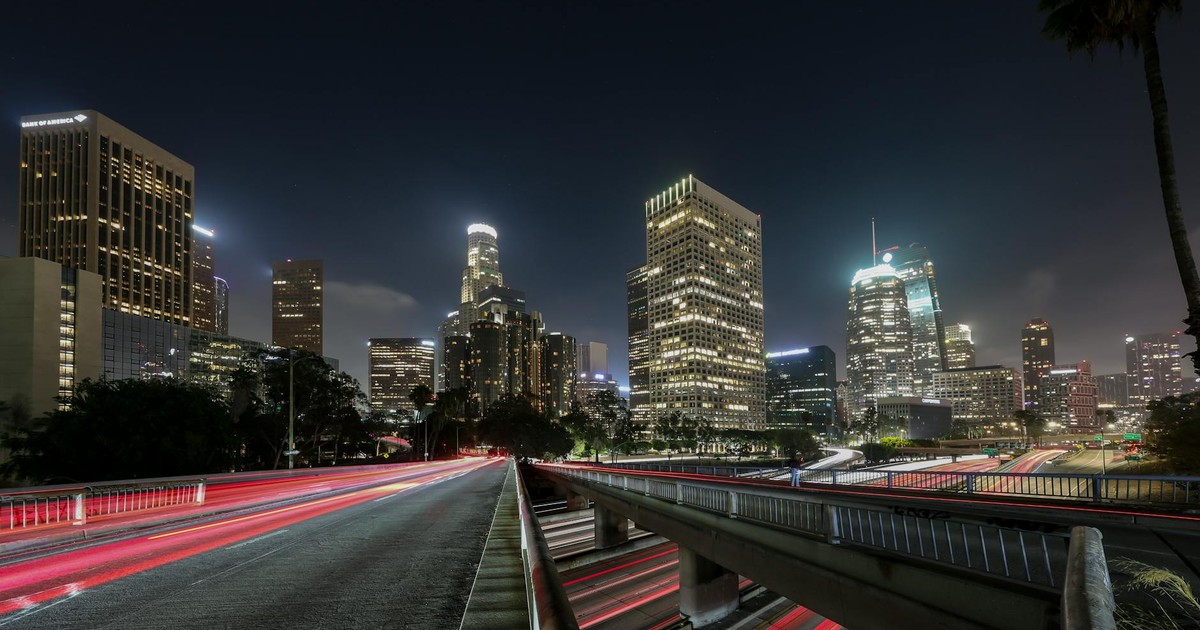
Los Angeles has one of the longest and most firmly established sanctuary frameworks in the nation. Special Order 40, in place since 1979, prohibits the LAPD from arresting people solely on the basis of immigration status. That policy predates the modern debate over sanctuary cities by decades.
The Los Angeles City Council unanimously voted in 2024 to formally establish the city as a sanctuary city, prohibiting city resources or personnel from being used to assist federal immigration authorities. So the city now has both a decades-old police directive and a formal council ordinance backing its position. Los Angeles also maintains status-neutral access to city services and multilingual community outreach programs, reflecting a broader policy philosophy around immigrant integration.
Los Angeles International Airport (LAX) is one of the busiest international gateways in the country. Mullin previously threatened to pull CBP officers from airports in places like Los Angeles International Airport, where 11.5 million international travelers arrived in 2025. The Trump administration has active lawsuits against Los Angeles over its sanctuary policies, making the city one of the administration’s most active legal battlegrounds.
3. Chicago
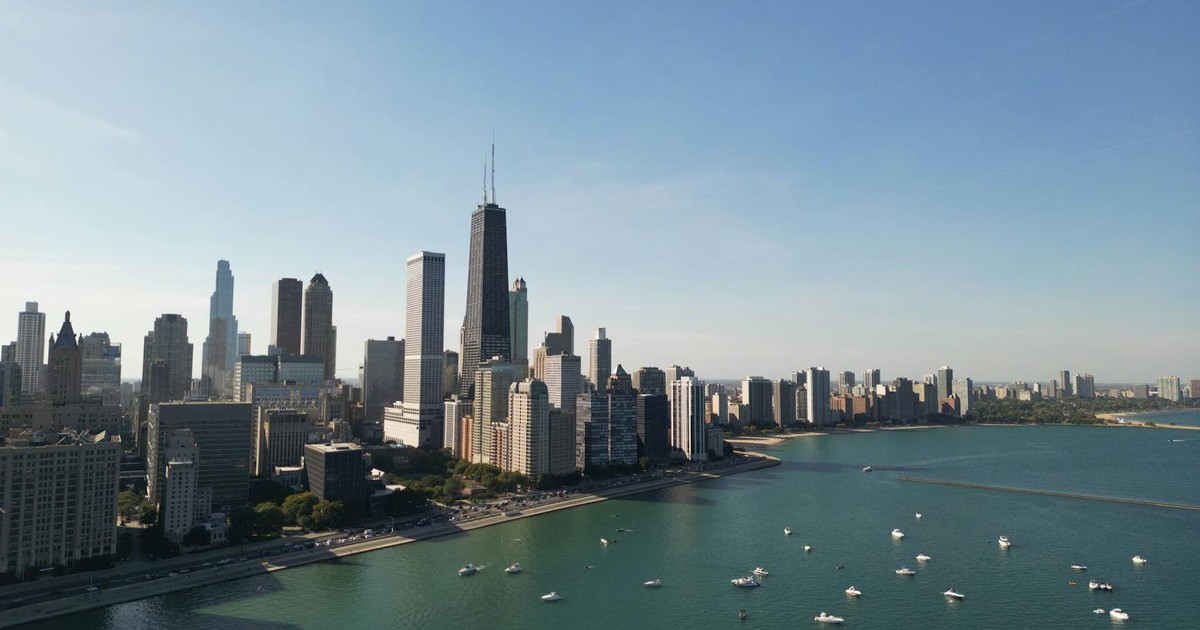
Chicago has operated as a sanctuary city since 1985, making it one of the longest-standing sanctuary jurisdictions in the U.S. The city’s framework is codified in its Welcoming City Ordinance, which goes further than many comparable policies in other cities.
The ordinance prohibits any city employee from asking about or assisting in the investigation of a person’s immigration status unless ordered to do so by a court or federal law, and it bars the Chicago Police Department from participating in or cooperating with federal civil immigration enforcement. It also ensures that everyone, regardless of immigration status, can access city services including education, medical care, and police protection.
A federal judge reaffirmed Chicago’s right to these policies in 2025, dismissing the Trump administration’s lawsuit challenging the sanctuary policies of Chicago, Cook County, and the state of Illinois. Chicago Mayor Brandon Johnson also issued an executive order reaffirming the city’s commitment to protecting immigrants by preventing ICE from using public property as a base for civil immigration enforcement. Chicago O’Hare International Airport is among the busiest U.S. travel hubs for international flights, placing it directly in scope under any airport-targeting plan.
4. San Francisco
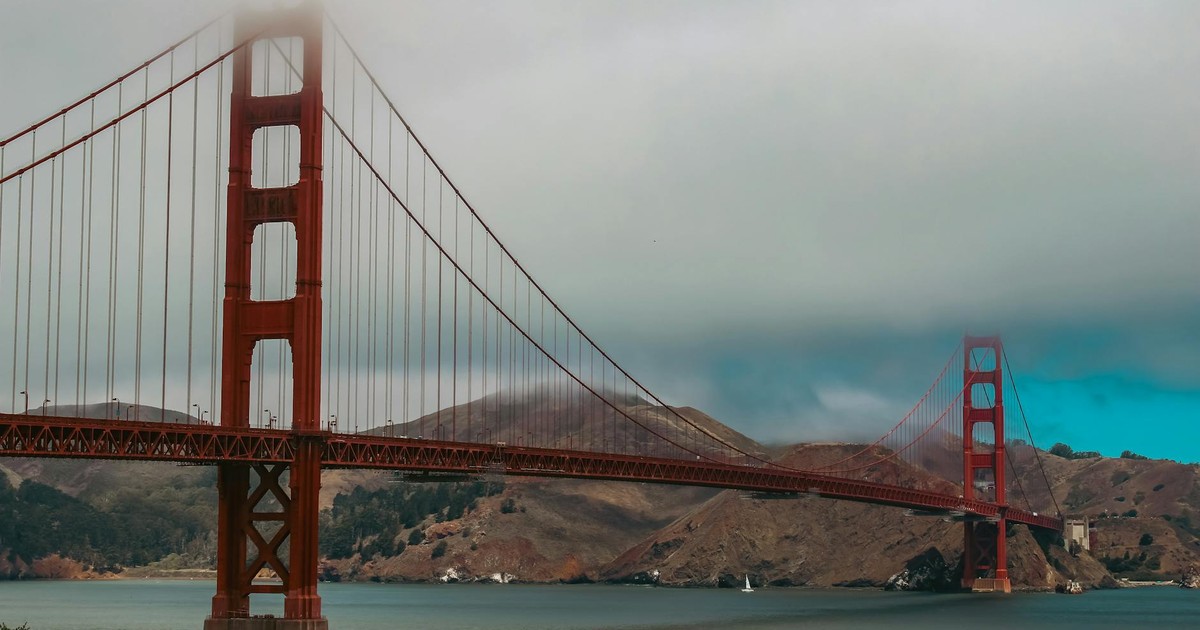
San Francisco passed the City and County of Refuge Ordinance in 1989, prohibiting city employees from using city funds or resources to assist federal immigration enforcement. It was one of the earliest formal sanctuary ordinances in the country, and the city has built on it steadily since.
In February 2026, the San Francisco Board of Supervisors approved an ICE Free Zones ordinance, prohibiting federal immigration operations on city property. The city also reaffirmed its “Due Process for All” ordinance in early 2025, expanding privacy rules for municipal ID holders. San Francisco International Airport is among the busiest U.S. travel hubs for international flights, and would face significant disruption if CBP staffing were pulled – particularly given its role in trans-Pacific routes.
The Trump administration has filed multiple lawsuits against more than a dozen Democratic-led states, counties, and cities since 2025, and San Francisco is part of that legal environment. The city has consistently pushed back, framing its policies as a constitutional right rather than a defiance of law.
5. Boston
Boston sits on the DOJ list partly because of its Trust Act policies, which limit how local police can interact with federal immigration agents. Boston Mayor Michelle Wu has pushed back at the designation, asserting that the city’s laws do not allow police to work with ICE on civil immigration arrests – but that they do collaborate with ICE on criminal matters.
The House Judiciary Committee has demanded records from Boston’s law enforcement entities, accusing them of refusing to cooperate with federal immigration enforcement. Reports indicate Boston Police declined to honor 167 ICE detainer requests over a specific period, which became a flashpoint in the national debate. Logan International Airport, which handles significant transatlantic traffic, would be affected under any airport-focused enforcement plan.
6. Philadelphia
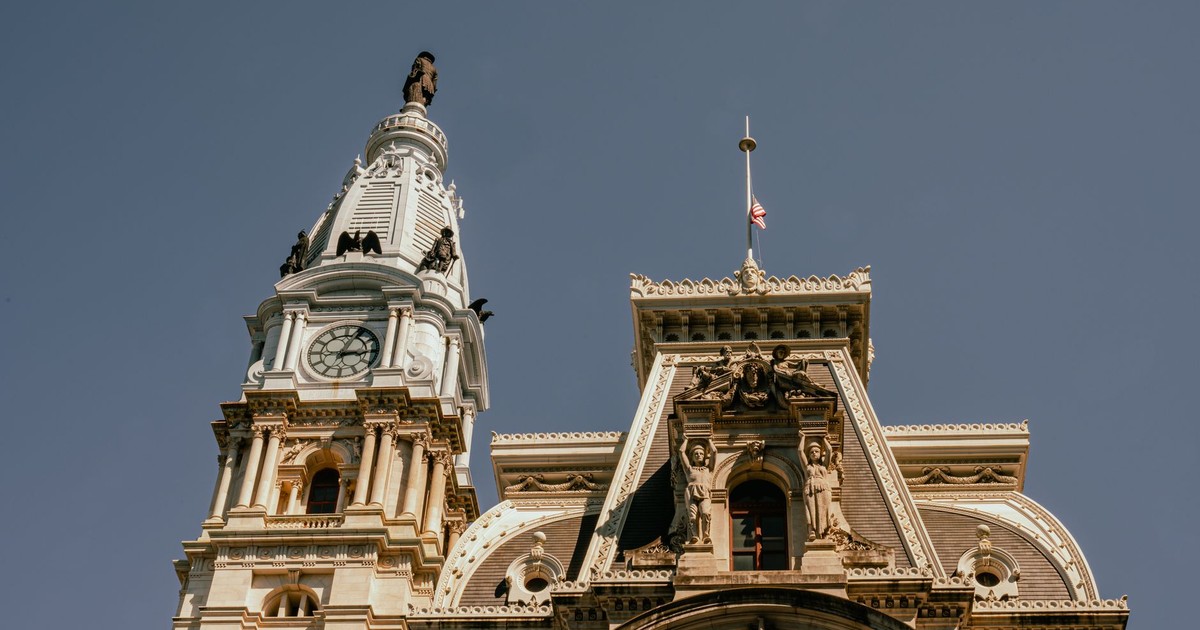
Philadelphia is named on the DOJ’s sanctuary jurisdiction list and has been the subject of congressional scrutiny. Like Chicago and Boston, the city limits how its police officers cooperate with ICE – generally refusing to honor detainer requests unless a judicial warrant is involved.
Republican-led congressional hearings held from March through July 2025 saw Philadelphia, along with Chicago, Denver, Boston, and New York, defend their approaches before federal oversight committees. City leaders have consistently argued that requiring local police to enforce immigration law damages public trust and reduces crime reporting in immigrant communities, a position supported by research from the Brennan Center for Justice, which found that cities and states prioritizing welcoming policies for immigrants have in fact documented decreases in crime rates. Philadelphia International Airport serves as a major hub on the East Coast.
7. Seattle
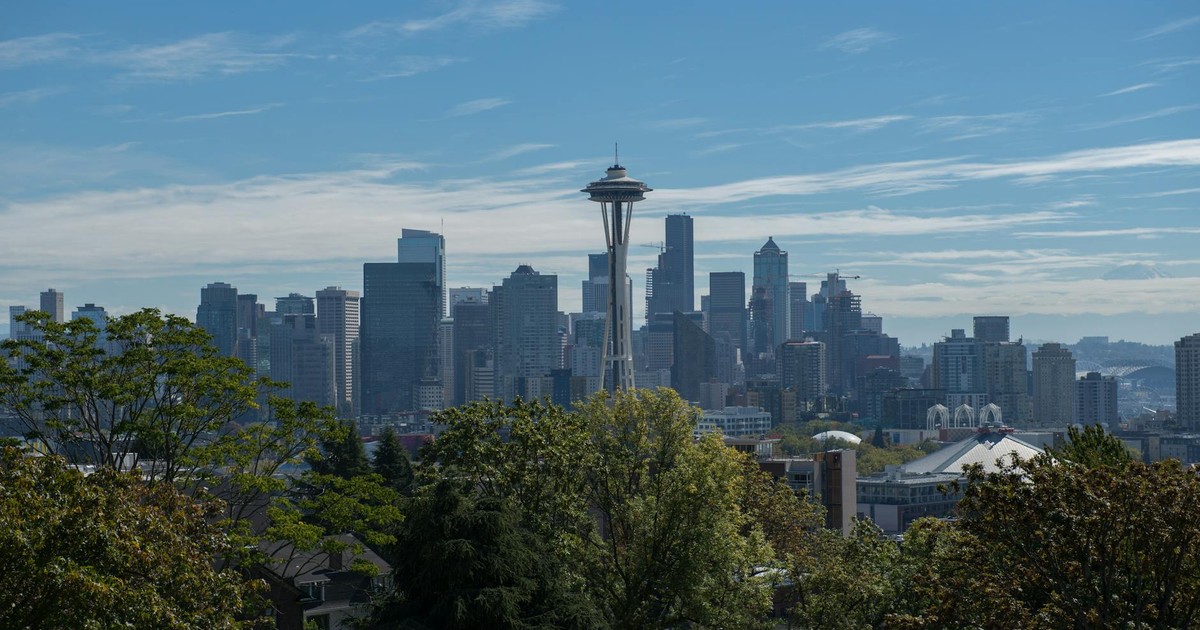
Seattle and King County continue to support legal defense funds and language-access initiatives for immigrant communities, reinforcing their standing as sanctuary jurisdictions in the Pacific Northwest. Washington state as a whole is on the DOJ list, meaning both state-level and city-level policies are under federal scrutiny.
Washington Governor Bob Ferguson stated the state “has no intention of changing our values in the face of threats from the Trump administration.” Mullin previously threatened to pull CBP officers from major sanctuary city airports, and Seattle-Tacoma International Airport – the primary gateway for international travel in the Pacific Northwest – would be directly implicated by any CBP withdrawal plan. The airport is a key hub for flights to and from Asia, Canada, and Europe.
8. Newark
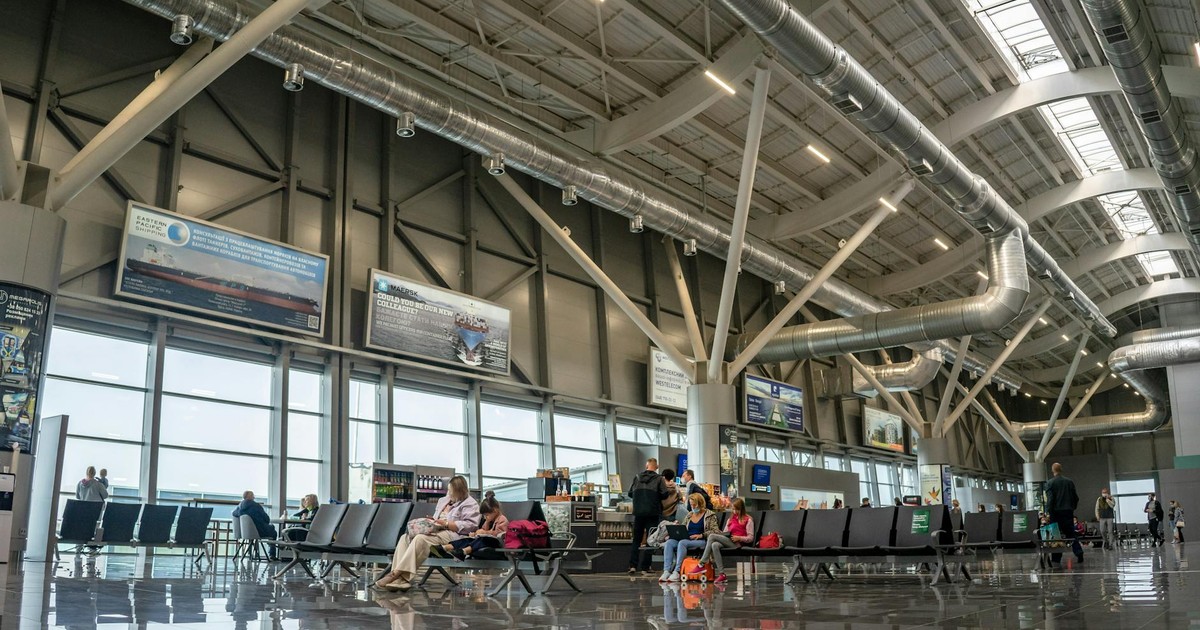
Newark, New Jersey, may be less famous than some others on this list, but its airport makes it one of the most consequential cities in the Mullin proposal. Newark Liberty International Airport processed 24.5 million international travelers last year, according to CBP statistics.
Airlines for America told White House officials that reducing CBP service at Newark’s airport would “create havoc” for U.S. travelers. The airline group’s document warned that if there is a bottleneck at Newark, a major connecting hub, “disproportionate impacts to U.S. citizens will hit heartland America far more than Newark itself.” Newark is listed on the DOJ’s sanctuary jurisdiction list alongside three other New Jersey cities: Hoboken, Jersey City, and Paterson. The DOJ has active lawsuits against all four New Jersey cities over their immigration policies.
You can find more background on how federal immigration policy intersects with local governance in our coverage of immigration enforcement and communities.
Read More: How Big Government Decisions Affect Your Daily Life
What This Means
The debate over sanctuary cities and states has real-world consequences that stretch well beyond the political back-and-forth happening in Washington. If the Mullin airport proposal ever moved forward – even partially – the disruption to ordinary travelers would be immediate and wide-ranging. A leading airline analyst warned that the plan to prevent international flights from landing at airports in “sanctuary” cities could “choke” international travel and create upwards of $1 billion in economic damage. Mullin said his office is “drawing up plans” to pull Customs and Border Protection officers from nearly a dozen U.S. airports through which more than 70 million international passengers traveled last year.
The timing adds another layer of pressure. The 2026 FIFA World Cup runs from June 11 to July 19, with millions of international visitors expected to arrive at the very airports now caught up in this fight. With the global soccer tournament already dealing with concerns over ticket prices and the presence of ICE officers outside certain venues, preventing international flights from arriving in cities serving World Cup fans could further damage the U.S.’s reputation as a desirable destination.
For now, two Trump officials say there are no imminent plans for such a move, and the push is seen internally as more of a personal desire of Mullin’s than a policy coming from inside the West Wing. But the fact that it has been floated publicly – and discussed directly with major travel industry groups – signals that airports are now a pressure point in the broader federal-versus-local standoff over immigration policy.
The list of targeted sanctuary cities and states is not static. Jurisdictions are reviewed on a rolling basis, and the roster can change as local laws evolve. Whether you agree with sanctuary policies or oppose them, the next chapter of this fight may well be decided at the departures gate. If you live near one of these airports, or simply travel through them, this is a story worth following closely.
AI Disclaimer: This article was created with the assistance of AI tools and reviewed by a human editor.
Read More: Trump’s Advanced Age and Threats to His Life Serve as Reminders of His Own Mortality