

Most people have never heard the phrase “snowflake disease” – and that’s part of the problem. These conditions affect thousands of people, often for years, before anyone connects the dots. Doctors are stumped. Patients are dismissed. The symptoms shift just often enough to make a clear diagnosis feel impossible. One day, someone can’t lift their arms, and next, they can’t swallow properly. The day after that, they feel almost fine. That unpredictability is both the hallmark of the condition and the reason it’s so frequently missed.
The term “snowflake disease” refers to more than one condition, though the two most commonly associated with this nickname are myasthenia gravis (a rare autoimmune neuromuscular disorder) and multiple sclerosis (a chronic disease of the central nervous system). Each affects people differently enough that no two cases look quite alike. That’s by definition, not coincidence. And while the conditions are distinct from one another, they share a reputation that makes both difficult to identify quickly: the symptoms of the snowflake disease rarely fit a neat clinical picture.
What makes these diseases genuinely alarming, beyond the diagnosis challenge, is what happens over time. Both tend to worsen. For myasthenia gravis in particular, the progression can be life-threatening. The sooner someone understands what they might be dealing with, the better their chances of accessing treatment before the stakes get much higher.
1. Drooping Eyelids and Double Vision

For most people with myasthenia gravis (MG), the first noticeable sign is weakness in the eye muscles, typically showing up as drooping eyelids (called ptosis) or double vision. This often gets dismissed as tiredness or a sign of aging. People rest, the symptom fades, and they assume it was nothing. Then it returns.
The key feature of MG-related weakness is that it worsens with sustained activity. Eye muscle weakness intensifies with reading, and double vision may briefly improve with rest. That on-again, off-again quality is what makes these early signs so easy to brush off. The muscle isn’t broken – it’s running out of fuel faster than it should.
Myasthenia gravis shows up differently in each person, and even in the same person at different times. Ocular symptoms (eye-related) can stay confined to the eyes in some patients. But in many others, that’s only the beginning. Symptoms often worsen gradually during the first one to three years after disease onset. In about 15% of people, MG remains limited to the eye muscles. However, most patients eventually develop generalized MG, which affects muscles involved in speaking, swallowing, limb movement, or breathing.
2. Muscle Weakness That Gets Worse With Use

Myasthenia gravis can affect any voluntarily controlled muscle, including those of the face, hands, eyes, arms, and legs, as well as the muscles involved in chewing, swallowing, talking, and neck movement. This isn’t the kind of weakness that comes from skipping the gym. It’s weakness that builds during an activity and recedes during rest, a pattern that’s specific enough to be a major diagnostic clue, yet vague enough that many people don’t recognize it as a medical sign.
When speech is affected, symptoms worsen with prolonged talking. Arm weakness is often noticed when holding the arms overhead. Drooping eyelids and neck weakness are typically worst at the end of the day. For people who work physical jobs or are active parents, this pattern can easily be explained away as simple fatigue.
One of the stranger aspects of MG is that the fatigue comes and goes without warning. Someone may seem fully functional in the morning and then run out of energy by the afternoon. Even routine tasks like showering or cooking can become exhausting during a flare, only for the person to recover shortly after. That inconsistency is precisely why MG is often referred to as “the snowflake disease,” as no two people experience it exactly the same way. You may experience symptoms at home, make a doctor’s appointment, and find the symptoms have disappeared entirely by the time you arrive.
3. Difficulty Swallowing and Speaking

Swallowing and speaking depend on some of the smallest, most coordinated muscle groups in the body. When those muscles are affected by MG, the results are uncomfortable at best and dangerous at worst.
Bulbar symptoms, a medical term for weakness in the muscles of the head, neck, and jaw, affect a significant portion of people with MG early in their condition. These include changes in voice quality, difficulty chewing tough foods, and trouble moving food safely from the mouth to the throat. Meals become an event that requires concentration rather than pleasure.
Symptoms in this category can include short or shallow breathing, a weak cough, and trouble swallowing. Bulbar weakness may also cause drooling, a hoarse voice, and difficulty managing saliva. These are the symptoms that, if left unchecked, can escalate into something much more serious, a point that leads directly to the next sign.
4. Breathing Problems That Require Emergency Care – and Why Snowflake Disease Symptoms Can Turn Deadly

This is where myasthenia gravis stops being an inconvenience and becomes a medical emergency. A myasthenic crisis is a life-threatening complication of MG, occurring when the breathing muscles weaken to the point where a person can’t move air properly in and out of the lungs. It can come on without much warning, even in people who seemed to be managing their condition reasonably well.
According to the National Institute of Neurological Disorders and Stroke (NINDS), approximately 15 to 20 percent of people with myasthenia gravis experience at least one myasthenic crisis, and up to 50 percent of those may not be able to identify a trigger for their myasthenic crisis. Known triggers include infection, stress, surgery, or an adverse reaction to medication.
Most often, the crisis occurs within the first two years of the disease, or is even the first manifestation of a yet-undiagnosed MG in up to 20 percent of cases. This means some people discover they have MG only when they’re already in the ICU. If someone with known or suspected MG has trouble breathing, going to a hospital immediately is critical.
5. The Unpredictable Spread of MS Symptoms
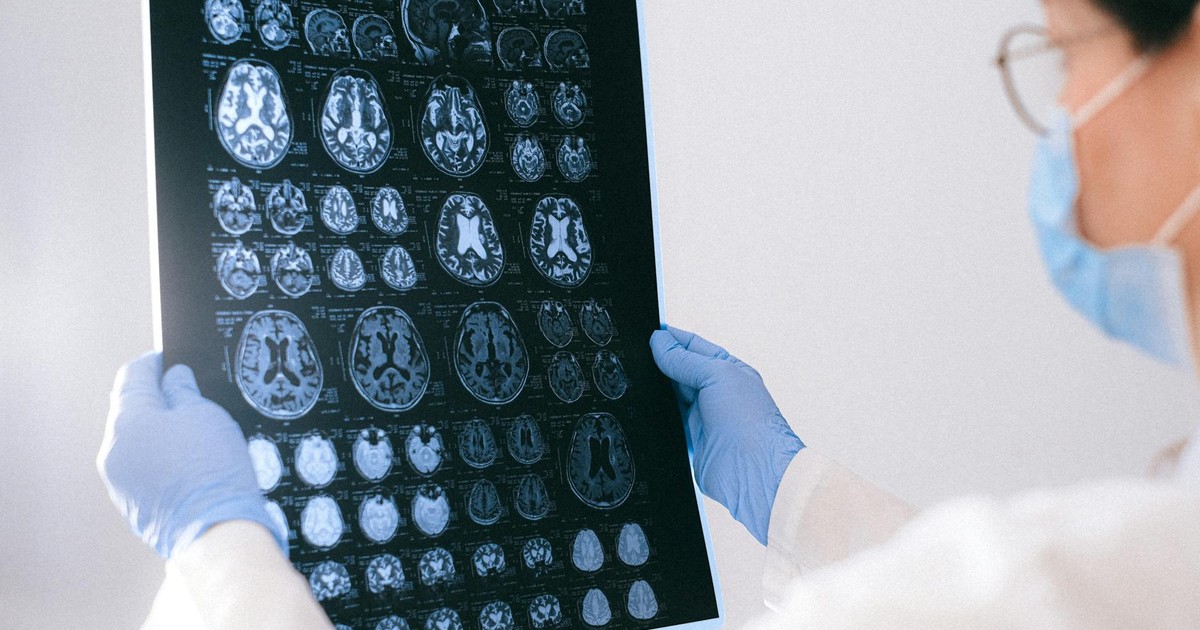
Multiple sclerosis earns its snowflake nickname through a different but equally frustrating mechanism. MS is a chronic central nervous system condition, characterized by inflammation, demyelination (damage to the protective coating around nerve fibers) and degenerative changes that interrupt the flow of information within the brain, and between the brain and body.
The symptoms of MS are unpredictable and vary considerably between patients. The condition can lead to numbness, pain, muscle stiffness, balance problems, visual loss, and issues with memory, mood, and chronic fatigue. The specific symptoms depend entirely on which nerves are being damaged. Someone with a lesion (a damaged spot) in one area of the brain may develop vision problems. Someone with damage in a different spot may lose sensation in their legs. The disease hits wherever it chooses.
In 2000, researchers estimated there were 400,000 people in the US with MS. More recent 2017 estimates show there are closer to 900,000 people in the US with MS, according to data published by the VA Multiple Sclerosis Centers of Excellence. It is usually diagnosed in young adults between 20 and 45 years old, and occurs more frequently in women. Despite how common it is in that group, the path to diagnosis can take years because no two presentations look the same.
6. Relapses, Remissions, and Long-Term Disability

MS is categorized into different clinical courses, including clinically isolated syndrome, relapsing-remitting, secondary progressive, and primary progressive forms. Most people start with the relapsing-remitting type, which means they go through defined episodes of worsening followed by periods of recovery.
Patients with a relapsing-remitting course may transition over time to develop secondary progressive features, meaning the recovery between attacks becomes less complete and disability begins to accumulate. MS is a chronic inflammatory disease leading to irreversible neurological damage, and the symptoms vary widely depending on the affected regions, the amount of damage, and the body’s ability to compensate.
The symptoms depend on where in the brain the immune system is attacking, so progression may lead to physical or cognitive symptoms, or both. In severe cases, MS can also become disabling, leading to paralysis and blindness. Patients living with both MS and MG share a common reality: the longer the disease runs without adequate treatment, the narrower the window for meaningful intervention.
For anyone navigating unexplained neurological symptoms, it’s worth understanding what other autoimmune conditions can look like to build a clearer picture for your doctor.
Read More: 8 Autoimmune Symptoms You Could Be Overlooking
What to Do Now

Both of these conditions are manageable, especially when caught and treated before serious complications set in. Treatment has also come a long way in recent years. The current treatment options for MG now include complement inhibitors and FcRn inhibitors (drugs that reduce the harmful antibodies driving the disease), as well as newer approaches, according to a 2025 update from the European Academy of Neurology. On April 30, 2025, the FDA approved nipocalimab-aahu (Imaavy; Johnson and Johnson), a human FcRn-blocking monoclonal antibody, for the treatment of generalized myasthenia gravis in adult and pediatric patients aged 12 years and older, according to reporting from AJMC. That approval represents a meaningful new option for people whose condition has been difficult to manage with existing therapies.
The most important thing anyone can take from this is simple: if you or someone you know experiences muscle weakness that fluctuates through the day, drooping eyelids, difficulty swallowing, or neurological symptoms that come and go, these are not things to wait out. Because weakness is a common symptom of many other disorders, the diagnosis of myasthenia gravis is often missed or delayed, sometimes by up to two years, particularly in people with mild symptoms or weakness limited to only a few muscles. The snowflake disease is difficult precisely because it hides in plain sight. Naming what you’re experiencing, tracking when it’s worse and when it improves, and pushing for specialist referral are the practical steps that close that diagnostic gap.
Disclaimer: The author is not a licensed medical professional. The information provided is for general informational and educational purposes only and is based on research from publicly available, reputable sources. It is not intended to constitute, and should not be relied upon as, medical advice, diagnosis, or treatment. Always consult a licensed physician or other qualified healthcare provider regarding any medical condition, symptoms, or medications. Do not disregard, avoid, or delay seeking professional medical advice or treatment because of information contained herein.
AI Disclaimer: This article was created with the assistance of AI tools and reviewed by a human editor.
Read More: People With a Tiny Hole Above the Ear Have an Exceptionally Rare Trait