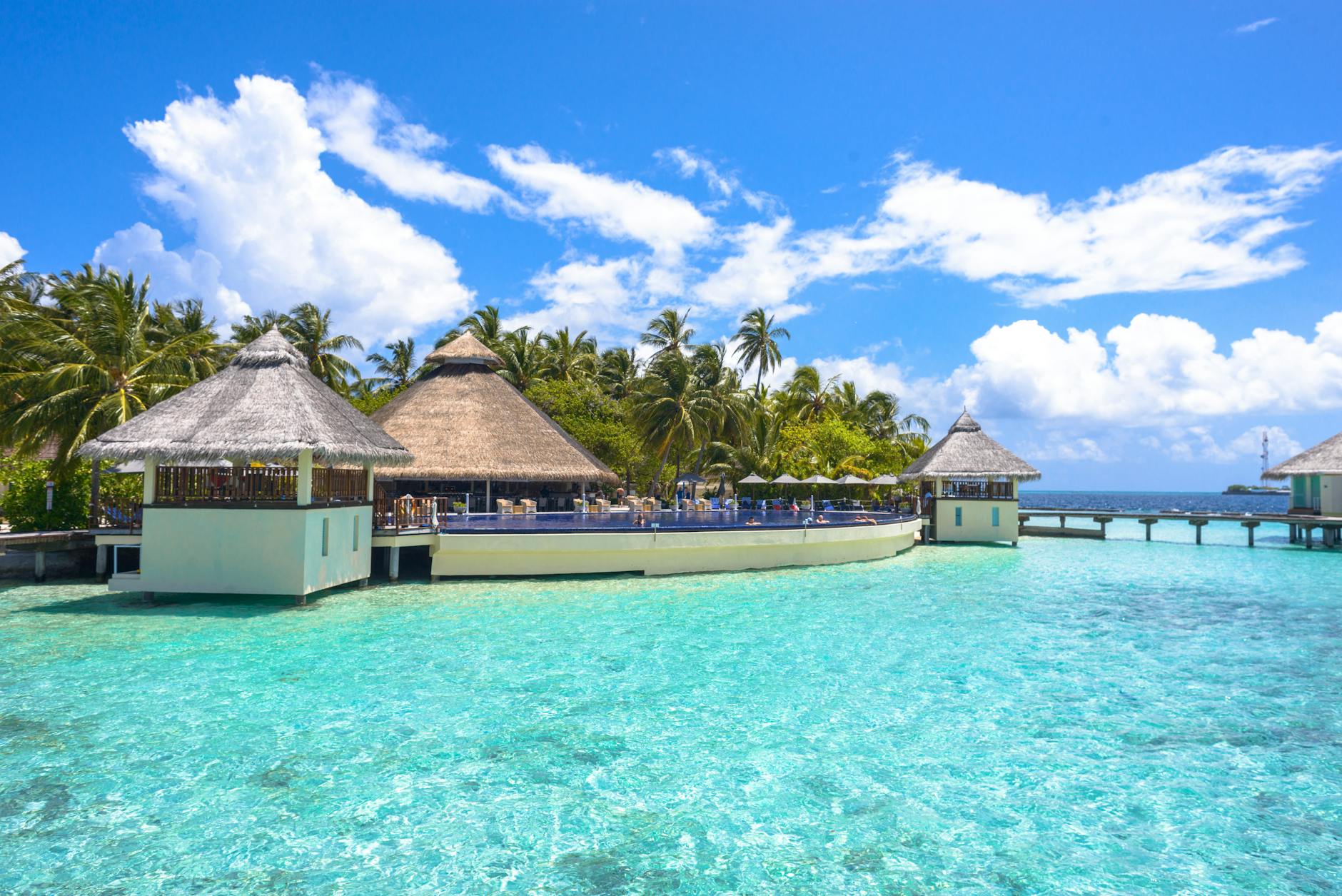

Most Americans who try to retire on a fixed income think the only answer is to find a cheaper zip code. The Dominican Republic suggests a different math entirely: a married couple collecting two average Social Security checks can cover a full month of Caribbean living, including housing, groceries, utilities, and healthcare, and still have more than a thousand dollars left over.
The country sits two hours south of Miami by plane, it has an established expat community, and daily life in smaller towns and residential neighborhoods runs at a fraction of what the same lifestyle would cost in the U.S. The reason the math works for people who want to retire on social security, when it works, comes down to one core fact: the overall cost of living in the Dominican Republic is roughly 40.9% lower than in the United States, with rent averaging about 58.9% less. That gap is wide enough to turn a modest fixed income into something genuinely livable.
For a middle-income married couple, retiring in the Dominican Republic on Social Security alone is entirely possible under the right conditions: combined benefits of roughly $4,000 a month or more, a local-resident lifestyle rather than a resort lifestyle, an all-in budget near $3,000 monthly, and a healthcare plan that accounts for life outside the U.S. healthcare system.
What Two Social Security Checks Actually Buy You
The average Social Security monthly check for retired workers reached $2,081.16 in April 2026, according to the Monthly Statistical Snapshot from the Social Security Administration. A couple receiving two benefits at roughly that level would collect about $4,160 monthly, or approximately $50,000 per year before federal income taxes.
A married couple receiving roughly $4,160 monthly in combined Social Security benefits can support a comfortable lifestyle in the Dominican Republic with a realistic budget of around $3,000 per month for housing, food, utilities, and transportation, leaving a $1,160 cushion for taxes, healthcare, and emergencies. That cushion is thin but workable, provided the budget is built on actual local costs, not resort prices.
Breaking Down the Monthly Budget
Housing is the biggest line item, and it’s where the Dominican Republic creates the most breathing room. The North Coast town of Sosúa, popular with expats for its beaches, infrastructure, and international community, offers furnished rentals running $400 to $700 per month for a small apartment. Las Terrenas, a French and Italian expat enclave on the Samaná Peninsula, sits a little higher: one-bedroom apartments there average $500 to $900 monthly. In Santo Domingo’s residential neighborhoods away from the tourist circuits, a comfortable two-bedroom apartment with pool and gym runs $800 to $1,200 per month. National averages in the DR are nearly $1,000 less than in the U.S., both in city centers and outside them.
Utilities are manageable but carry a caveat that first-time expats often underestimate. Air conditioning in a tropical climate is not optional for most retirees, and it drives electricity costs substantially. Monthly electricity for a typical apartment runs $60 to $150 without heavy AC use, but climbs to $150 to $300 or more with regular air conditioning. Budgeting $200 per month for all utilities, including reliable internet, is realistic for a couple who run the AC selectively. Electricity and water are usually cheaper than in the United States, though costs can vary depending on how much power you use and where you live, while mobile service and internet are also typically more affordable.
Groceries land well within reach if you shop the way locals do. Buying local produce, fish, and chicken at markets, with occasional imported items, runs $300 to $500 per month for a couple. Restaurant prices are generally lower in the Dominican Republic than in the United States, with a simple meal costing around $8.
A realistic all-in budget for a couple, with housing in the $700 to $900 range, utilities around $200, groceries at $400, plus transportation, dining out, and incidentals, lands comfortably at or below $3,000 per month. That leaves meaningful room from a combined $4,160 Social Security income for the two costs that deserve separate and serious attention: healthcare and taxes.
The Healthcare Reality for Those Who Retire on Social Security Abroad
The standard monthly premium for Medicare Part B enrollees is $202.90 for 2026, an increase of $17.90 from $185.00 in 2025, according to the Centers for Medicare and Medicaid Services. The more significant issue is that traditional Medicare provides no coverage for hospital or medical costs outside the United States. You can maintain Medicare while you live abroad, but it will not cover the care you receive there. The financial decision most expats face is whether to keep paying the Part B premium to preserve re-enrollment rights if they return to the U.S., or drop it. If you drop Part B and later move back, premiums increase by 10 percent for each year you could have had coverage but didn’t enroll. Many expats keep Part B for this reason, treating it as insurance against an eventual return, even though they won’t use it abroad.
For day-to-day care in the Dominican Republic, you’ll need private local coverage. Private health insurance there typically costs $70 to $200 per month, depending on age and coverage level. Modern hospitals in Santo Domingo and Santiago offer quality care at 60 to 80 percent below U.S. costs. Private doctor visits typically run $30 to $70, meaning a routine appointment that might cost several hundred dollars in the U.S. becomes a minor expense. Many physicians in the country’s major private hospitals trained in the U.S. or Europe, and several facilities hold international accreditation.
Dominican healthcare costs are not standing still. Social Security beneficiaries received a 2.8 percent COLA for 2026, based on the increase in the Consumer Price Index from the third quarter of 2024 through the third quarter of 2025. Medicare Part B premiums as a share of annual Social Security benefits will reach an all-time high of 9.4 percent in 2026, and the 2026 premium increase will eat up over a quarter of Social Security’s COLA. The gap between healthcare inflation and benefit growth is a slow-moving problem in both countries. It doesn’t break a retirement plan immediately, but it requires a buffer.
For couples trying to retire on social security alone in the DR, building a 12-month emergency reserve before the move is not optional. One hospitalization, one hurricane, one major repair: any of those without a cushion turns a workable plan fragile.
Getting Your Money There and Getting Legal
Anyone eligible for Social Security benefits can continue receiving them while living in the Dominican Republic. The best approach is direct deposit into a U.S. or Dominican bank account. Accessing funds via U.S.-based ATMs throughout the country is straightforward, and exchange rates between the U.S. dollar and the Dominican peso give your income reasonable purchasing power for local expenses.
The Dominican Republic’s retirement residency program requires a pension certification confirming the amount received, with the pension set at a minimum of $1,500 per month from a government or private source, plus an additional $250 for each dependent included in the application, according to the country’s official immigration authority, the Dirección General de Migración. The Pensionado visa is one of the Caribbean’s most accessible retirement pathways, granting immediate permanent residency with no temporary waiting period. The average Social Security check of $2,081 clears that threshold on its own, making most retirees immediately eligible as a single applicant.
Required documents include a pension certification (apostilled), criminal background check, medical certificate, and passport photos, with processing taking two to four months with an experienced Dominican immigration lawyer, typically costing $1,000 to $2,500 in fees. All documents must be apostilled, meaning officially authenticated for international use. Obtaining a second passport through residency can take a decade or longer in some countries, but in the Dominican Republic you can apply for citizenship after just two years of permanent residency. The country allows dual citizenship, so your U.S. passport stays intact.
On the tax side, the Dominican Republic uses a territorial system, meaning only income generated within the country is taxed. Foreign pension, Social Security, and investment income from the U.S. are not subject to Dominican taxes. As a qualified retiree, your pension and other foreign-sourced income are exempt from Dominican income taxes. You’ll still file U.S. taxes as a citizen living abroad, and up to 85% of Social Security benefits may be taxable at the federal level depending on total combined income, a point worth discussing with a tax professional before the move.
If you’re thinking about ways to increase your monthly benefit before making any international move, a few legitimate strategies can meaningfully shift the monthly math.
Where to Actually Live
The Dominican Republic is not one place. It’s a country of distinct regions, each with its own cost profile, expat presence, and trade-offs.
Sosúa and Cabarete on the North Coast draw retirees with lower costs, ocean access, and a long international history. Sosúa in particular has been an expat hub for decades and has the infrastructure to match, including English-speaking services, international supermarkets, and private clinics. The cost of living in Cabarete tends to be lower, offering a smaller coastal setting with more moderate rental costs.
Las Terrenas on the Samaná Peninsula has a distinct European character, driven largely by French and Italian retirees. The town has good medical facilities, excellent beaches, and a slower pace than the capital. Rental costs run slightly higher than Sosúa, but the lifestyle is more village-oriented.
Santo Domingo, the capital, offers the full package of urban conveniences including modern private hospitals, international supermarkets, the country’s best restaurants, and reliable infrastructure, at costs still significantly below comparable U.S. cities. The cost of living in Santo Domingo often falls in the mid-range, with a wider selection of housing and services as the country’s capital. Spanish is essential for daily life in the capital. While English speakers exist in business and tourist areas, navigating healthcare, government offices, and neighborhood life requires at least conversational Spanish.
Jarabacoa, a mountain town in the Cordillera Central, sits at an altitude that eliminates the need for air conditioning most of the year, a fact that dramatically cuts electricity costs. It attracts retirees who prefer cooler temperatures and outdoor activities like hiking and river sports over beach life.
Infrastructure outside major urban areas can be inconsistent, power outages remain common in some regions, and hurricane risk is part of life. Hurricane season runs from June through November, and coastal towns do get hit. Flood insurance, backup power, and storm shutters are standard considerations for any long-term resident.
Read More: The 401(k) Rule You Need to Know Before You Retire in 6 Months
What to Do Before You Pack Your Bags
The Dominican Republic’s pension residency income requirement is $1,500 per month from a government or private pension source. A single retiree with an average benefit qualifies for residency but should expect a tight budget. The couple with combined benefits around $4,160 is in a genuinely comfortable position. A comfortable middle-ground lifestyle runs closer to $2,500 to $3,000 for a couple, well within what dual Social Security provides.
Before committing, spend at least one to three months living in your target town as a renter. Visit during hurricane season, not just in February. Open a local bank account and run your budget in real Dominican pesos. Get quotes from at least two private health insurers operating in the DR. Then calculate whether the cushion between your combined income and your realistic all-in expenses is wide enough to absorb one bad year. The plan remains viable only if retirees embrace a local-resident lifestyle, secure private Dominican healthcare coverage, account for U.S. federal income taxes on up to 85% of benefits, and maintain adequate reserves for infrastructure inconsistencies, hurricane risks, and medical cost increases that can outpace annual Social Security COLA adjustments.
Pensions and Social Security benefits are exempt from Dominican income taxes, the flights home are three to four hours from the East Coast, and the peso exchange rate still gives U.S. dollars meaningful buying power. None of that changes the core requirement: the math has to actually work before you pack your bags, not after.
Disclaimer: This information is not intended to be a substitute for professional financial advice, investment advice, tax advice, or legal advice, and is provided for informational purposes only. Always seek the guidance of a qualified financial advisor, accountant, or other licensed professional regarding your personal financial situation or investment decisions. Do not make financial, investment, or tax decisions based solely on information presented here. Past performance is not indicative of future results, and all investments carry risk, including the potential loss of principal.
AI Disclaimer: This article was created with the assistance of AI tools and reviewed by a human editor.
Read More: The Top 10 Best Places to Retire in the U.S. in 2026, Ranked