The Top 10 Best Places to Retire in the U.S. in 2026, Ranked
Retirement has a way of making geography feel urgent. The city you always figured you’d stay in starts to look different once the alarm clock goes away for good. Suddenly the commute doesn’t matter, but the cost of a doctor’s visit does. The nightlife loses its pull, but access to hiking trails, friendly neighbors, and a grocery store you can actually afford? That matters considerably more. Millions of Americans approaching their 60s and 70s are quietly doing the same math right now: where, exactly, is the best place to actually live this next chapter?
The answers might surprise you. The list of best places to retire has shifted dramatically in 2026, and the map looks nothing like it did even two years ago. Sun Belt strongholds are holding their ground, but so are Midwestern cities and Appalachian river towns that most people wouldn’t have put on their radar. What’s driving the change isn’t just housing costs. It’s something harder to quantify: the feeling of actually belonging somewhere, of having things to do and people to meet and a community that already knows how to take care of its older residents.
This countdown is based on the most comprehensive retirement ranking ever conducted in the United States, and the city that lands at number one will genuinely catch most people off guard. Read on, because where you land in retirement may depend on what you find here.
This year’s rankings expanded to evaluate more than 850 U.S. cities, publishing the top 250 places, making it the most granular look at American retirement destinations ever published. Top criteria include quality of life, overall value, tax rates, senior population and migration trends, and health care quality. And the priorities retirees themselves are expressing have shifted, too. For the first time since the COVID-19 pandemic began, retirees are prioritizing quality of life over affordability, and this, coupled with an expanded number of places evaluated, allowed a number of Midwestern cities to secure high positions in the rankings.
A survey by United Van Lines found that 14% of people who moved in 2025 did so specifically because of retirement, and the destinations they’re choosing reveal a lot about what actually matters at this stage of life. Here are the top 10, counted down from 10 to 1.
10. Lynchburg, Virginia
Image Credit: Phil Evenden / Pexels
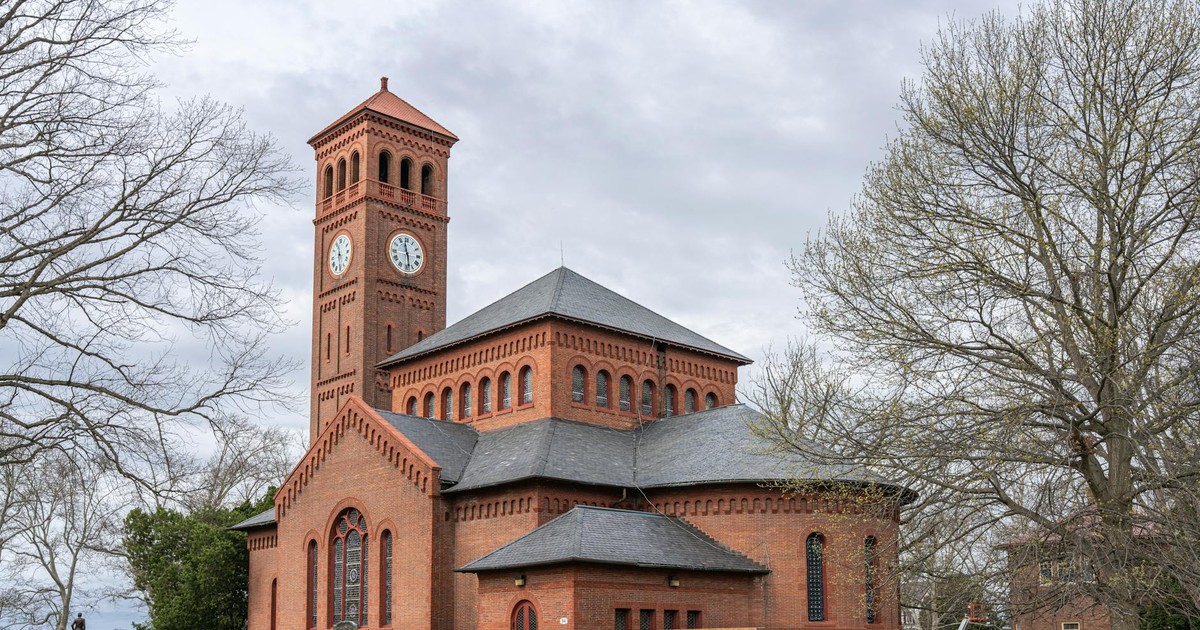
Lynchburg, Virginia rounds out the top 10 in the 2026 U.S. News Best Places to Retire rankings. Nestled in the foothills of the Blue Ridge Mountains along the James River, Lynchburg offers something that’s increasingly rare in 2026: affordability without sacrificing charm. The city punches well above its size when it comes to arts, dining, and access to outdoor recreation, and its historic downtown has seen a steady revitalization over the past decade.
For retirees conscious of health care, Centra Health is a regional nonprofit healthcare system based in Lynchburg, Virginia, serving over 500,000 people as the dominant provider of critical medical services in central and southern Virginia. That kind of regional depth means serious care is accessible without the chaos of a large metro. Virginia’s tax picture for retirees is reasonably favorable as well. The state taxes Social Security for lower-income residents but generally treats retirement income with more nuance than many neighboring states. Combine that with a cost of living that remains well below coastal cities, and Lynchburg quietly makes a compelling case for anyone willing to look past the obvious choices.
The city’s population skews toward the college-educated and civic-minded, partly thanks to several universities in the area. That tends to create the kind of engaged, culturally active community that retirees often say they’re looking for, even if they couldn’t name it precisely before arriving.
9. Palm Coast, Florida
Image Credit: Tim Mossholder / Pexels
Palm Coast, sitting on Florida’s Atlantic coast south of historic St. Augustine, lures retirees with its warm winters, low taxes, and a booming senior population. It’s one of three Florida cities in this year’s top 10, and it represents a different kind of Florida retirement than the crowded condos and gridlocked highways many people picture. Palm Coast is younger as cities go, deliberately planned, and built around a network of canals and parks that give it a quieter, more residential feel.
Florida’s tax picture remains one of its strongest draws. About 45,700 Americans aged 65 and older moved to Florida in 2025, the most for any state, drawn in large part by the state’s lack of income tax. That means Social Security, pension income, and IRA withdrawals are all free from state taxation. Palm Coast lures retirees with its warm winters, low taxes, ranking No. 15 nationally for tax favorability, and a booming senior population ranking No. 14.
What sets Palm Coast apart from other Florida options is the value proposition. Median home prices are meaningfully lower than in Naples or Sarasota, and the density is far lighter than in the Tampa-Orlando corridor. If you want Florida’s sunshine and tax advantages without the crowds, Palm Coast is where that calculation starts to make sense.
8. Altoona, Pennsylvania
Image Credit: Phil Evenden / Pexels
Altoona is a city that most retirement guides would never have featured five years ago. Its inclusion in the 2026 top 10 is one of the clearest signals that the expanded ranking methodology is surfacing communities that genuinely work for retirees, even if they lack the postcard glamour of a coastal destination.
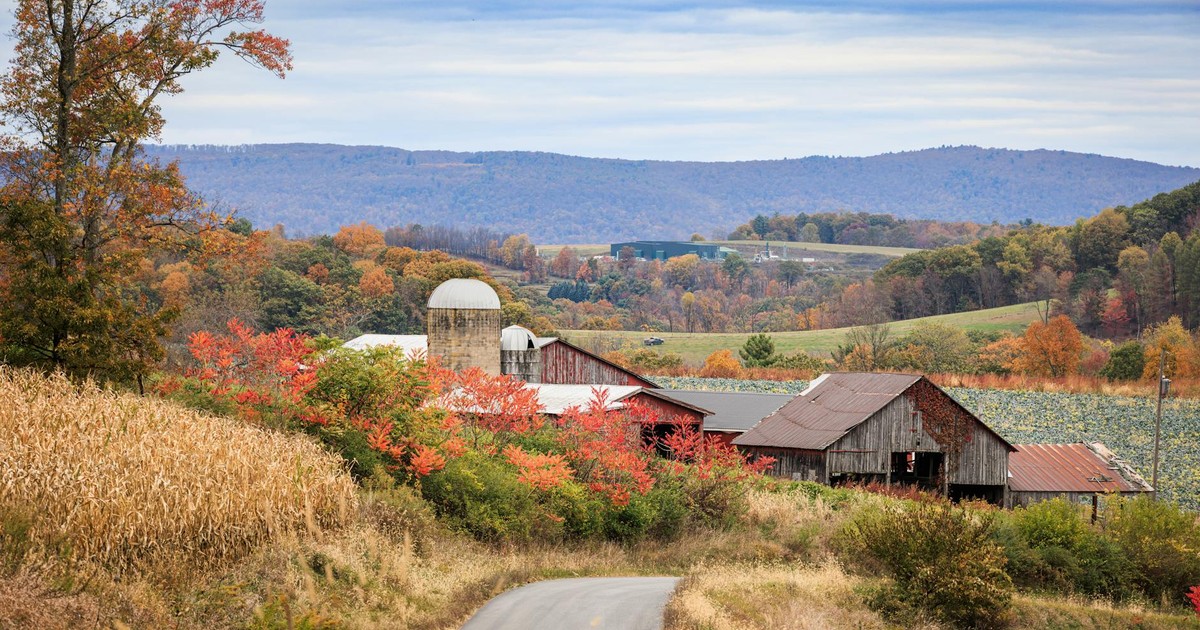
Altoona, Pennsylvania lands at No. 8 on the strength of affordability, quality of life, and a tight-knit community atmosphere that larger cities struggle to replicate. Housing costs here are dramatically below the national median. Health care access has improved significantly with investments in the regional hospital system, and the cost of everyday living, from groceries to utilities, remains far below what retirees in the mid-Atlantic’s bigger cities pay.
Altoona also benefits from Pennsylvania’s generally retirement-friendly tax policy. Pennsylvania does not tax retirement benefits, including Social Security, 401(k)s, and IRAs, which gives retirees meaningful protection of their fixed income. For anyone who wants a real four-season environment, a strong sense of place, and a dollar that goes considerably further than in most of the country, Altoona deserves serious consideration.
7. Spring Hill, Florida
Image Credit: Duren Williams / Pexels
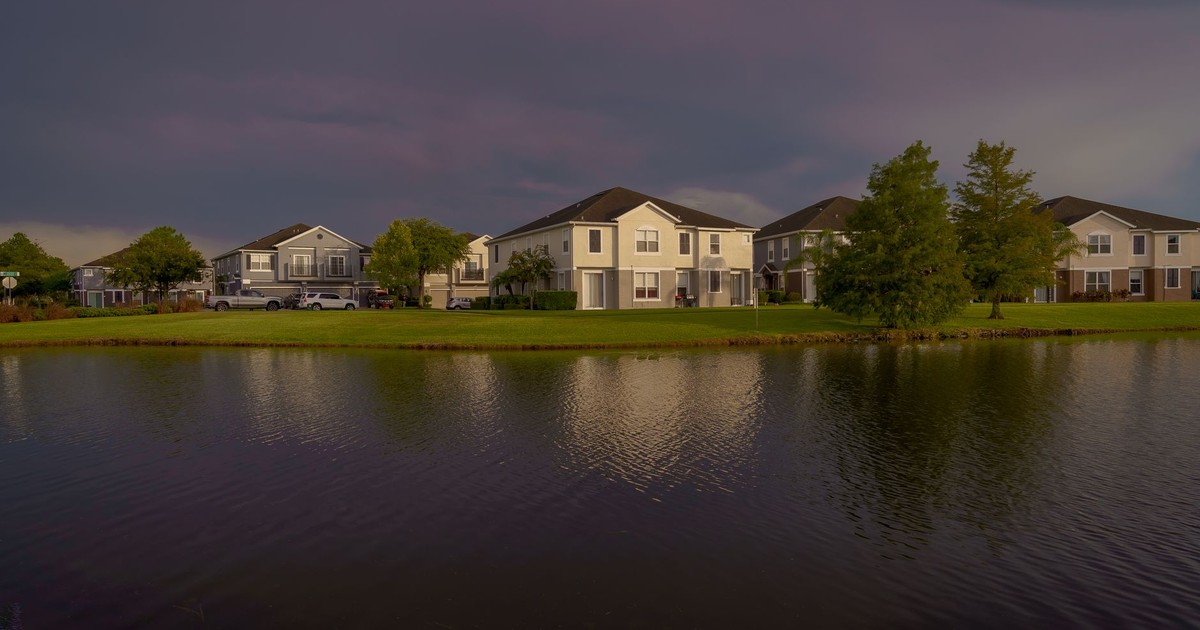
Spring Hill, ranked No. 7, sits about 50 miles north of Tampa and offers suburban affordability, ranking No. 119 nationally in that category. It’s the second Florida city in this countdown, and it represents the suburban retirement experience at its most accessible. Spring Hill is car-friendly, relatively flat, and surrounded by the natural springs and wildlife reserves that make Hernando County one of the more scenic corners of Florida’s Gulf Coast.
The area’s 55+ population has grown steadily for years, which means the surrounding infrastructure, from medical offices to fitness facilities to social clubs, has grown to serve that demographic. Retirees moving to Spring Hill find themselves in a community where the rhythms of daily life are already calibrated to an older population. That’s worth more than most rankings can quantify.
On the financial side, Spring Hill benefits from Florida’s broader tax advantages. Three of the top five cities in the 2026 rankings were in Florida, and 16 Florida cities made the top 50, which speaks to how consistently the state’s combination of climate and tax policy draws retirees. Spring Hill is an entry point to that lifestyle without the sticker shock of the state’s more famous retirement destinations.
6. Rancho Rio, New Mexico
Image Credit: Caleb Jack / Pexels
Rancho Rio is the wildcard on this list. It lands at No. 6 in the 2026 U.S. News rankings, making it the only Southwestern city to crack the top 10 and, arguably, the most unexpected presence at this level.
New Mexico carries significant tax advantages for retirees. The state exempts Social Security benefits for most income levels and offers partial exemptions on pension and retirement income as well. Coupled with a cost of living that remains accessible by national standards, the financial case for the region is stronger than many people realize. The landscape, from high desert terrain to dramatic mountain views, provides year-round outdoor appeal that’s genuinely distinct from anything on the Florida or Texas Gulf Coast.
Rancho Rio itself is a community where the slower pace of life is a feature, not a bug. Its warm, dry climate suits retirees who find humidity difficult to manage. Health care access has expanded in northern New Mexico in recent years, addressing a concern that previously kept some retirees away from smaller Southwestern communities. For someone drawn to the Southwest but uncertain whether it could work practically, Rancho Rio’s top-10 ranking is a signal worth taking seriously.
5. Spring, Texas
Image Credit: Diego Ramirez / Pexels
Spring, Texas comes in at No. 5 on the list, the second Texas city in the top 10 and a reflection of how Houston’s northern suburbs have developed into full-service retirement destinations in their own right.
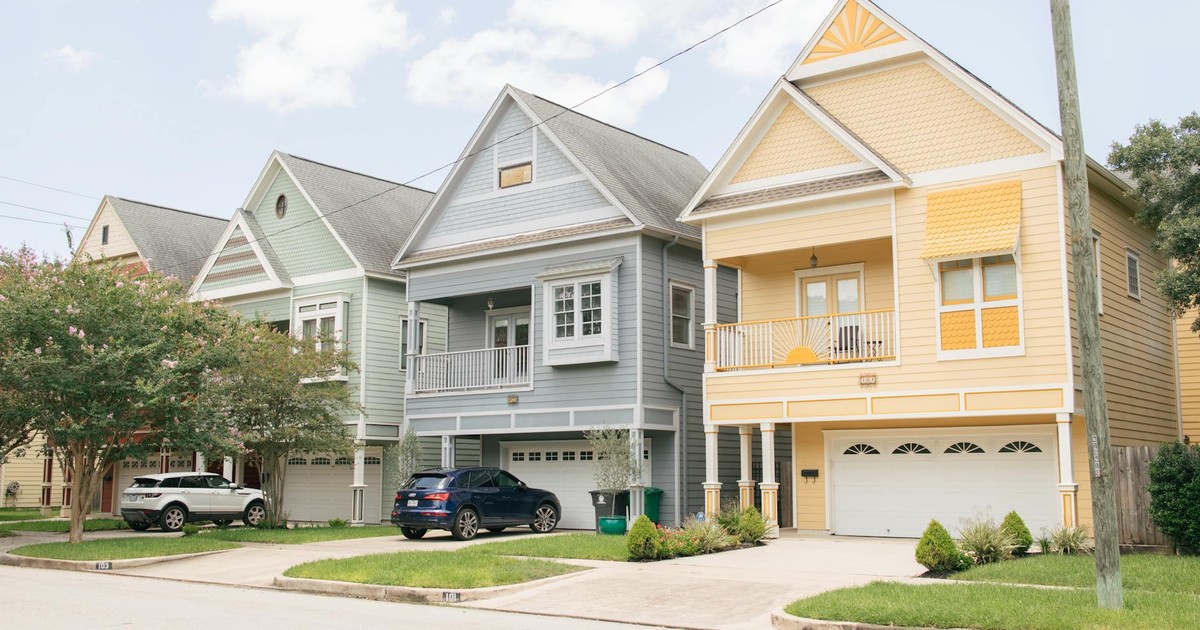
Spring sits about 25 miles north of downtown Houston, which means residents have access to one of the largest and most specialized medical complexes in the country without living in the urban core. That proximity to world-class health care is not a minor consideration for retirees managing chronic conditions or complex health needs. According to the Texas Medical Center, it is the largest medical complex in the world, which gives retirees in the greater Houston area an exceptional safety net.
Texas has no state income tax, meaning Social Security, retirement account distributions, and pension income face zero state-level taxation. U.S. News analyzed data for more than 850 top cities in the U.S., with top criteria including quality of life, overall value, tax rates, senior population and migration trends, and health care quality, and Spring’s scores across all those dimensions landed it firmly in the top five.
4. The Woodlands, Texas
Image Credit: Danny Meneses / Pexels
The Woodlands, Texas ranks No. 4 on the 2026 list, and it earns that spot in a way that feels almost unfair to the other cities competing around it. Planned from scratch in the 1970s around 28,000 acres of preserved forest, the community was designed with livability as the explicit goal. The result is a city where walking trails, waterfront promenades, and a genuinely functional town center coexist with serious retail, dining, and arts infrastructure.
The Woodlands ranks high for affordability, health care access, taxes, and job market. For retirees, that walkability matters. Access to nature matters. And the density of health care providers in the immediate area matters enormously.
Like Spring, The Woodlands benefits from Texas’s zero state income tax. The South continued to hold a strong presence in the rankings overall, with 94 of the top 250 cities being in Texas and Florida. The Woodlands represents the most polished version of what Texas retirement looks like when everything comes together: no income tax, excellent medical access, abundant green space, and a planned environment that makes daily life genuinely easy.
3. Homosassa Springs, Florida
Image Credit: Josh Sorenson / Pexels
Homosassa Springs, ranked No. 3, surrounded by the wildlife reserves and waterways of the Gulf Coast, scores high for tax favorability, ranking No. 3 nationally, and senior population and migration, ranking No. 12. With a population of about 15,000, it’s the smallest place among the top 25 best cities to retire in 2026, and this outdoorsy locale is steps from natural springs, wildlife trails, and a range of water-themed activities along Florida’s Gulf coast.
That smallness is genuinely part of the appeal. Homosassa Springs isn’t trying to be Naples or Sarasota. It’s a quiet, nature-forward community where manatees swim in the crystal-clear springs, where the pace of life slows without becoming dull, and where the density of retirees and older residents creates an organic social fabric that newer residents slot into quickly.
On the financial side, Florida checks both boxes retirees care most about: no state income tax and no tax on Social Security. Homosassa Springs specifically ranks third nationally for retiree tax favorability. For the price of a median home that sits well below Florida’s coastal average, you get one of the most retirement-optimized environments in the country.
2. Weirton, West Virginia
Image Credit: Eyes2Soul Eyes2Soul / Pexels
Weirton, West Virginia came in at No. 2, due to strong scores in quality of life, happiness, affordability, and retiree taxes. The city sits along the Ohio River in the Northern Panhandle, a narrow strip of West Virginia flanked by Ohio and Pennsylvania, and it has the feel of a place that knows exactly what it is and isn’t pretending otherwise. It’s a working-class river city with a strong sense of community identity and a cost of living that genuinely frees up money for the things retirement is supposed to be about.
The expansion of cities in this year’s ranking opened the door for smaller cities to top the popular rankings, and the Midwest and Appalachian regions occupied nearly one-third of this year’s top 30 places to retire. Weirton fits that profile precisely. The median home value in Weirton sits at approximately $124,746, with a median monthly rent of just $548. For retirees watching every dollar, those numbers are almost impossible to find anywhere else on this list.
The state’s tax policy has also become dramatically more attractive. West Virginia fully eliminated its tax on Social Security benefits effective January 1, 2026, removing one of the last financial hesitations retirees might have had about the state. About a quarter of Weirton’s population is already over the age of 65, which means the community already functions around the needs and rhythms of older residents. Doctors, social programs, senior centers, and a natural peer community are already there waiting.
U.S. News’ expansion of evaluated cities and new data considerations paved the way for first-time entrant Midland, Michigan, to secure the No. 1 rank. Midland scored high in affordability and retiree taxes, helping it lock in the top spot.
Midland sits about 80 miles north of Lansing in the heart of Michigan’s Lower Peninsula. It’s a mid-sized city with a deeply established cultural scene, largely built around the legacy of The Dow Chemical Company, whose corporate headquarters still anchor the local economy. That history has left Midland with institutions that would be remarkable in a city three times its size: a world-class performing arts center, Dow Gardens, the Chippewa Nature Center, and a robust network of parks and trails. The city is known for its cultural and artistic attractions like the Midland Center for the Arts, and its natural spaces such as Dow Gardens and the Chippewa Nature Center.
The demographics tell a compelling story. Located about 80 miles north of Lansing, Midland ranks No. 8 in quality of life, No. 11 in affordability, and No. 18 in tax friendliness, with a median home value of $206,142, well below the national average of $370,489.
Michigan’s tax treatment of retirees has also improved significantly. Michigan doesn’t tax Social Security at all, and starting in 2026, most pension, 401(k), and IRA withdrawals are exempt up to $67,610 for single filers, according to retirement income tax data compiled for 2026.
What Midland offers that’s hardest to put a number on is community coherence. It’s a city that has been taking care of its older residents for a long time. The programming exists. The social infrastructure exists. The green spaces exist. And the price of entry, both for housing and day-to-day living, remains accessible in a way that coastal retirement cities stopped being a decade ago. Retirees are prioritizing quality of life over affordability for the first time since the beginning of the COVID-19 pandemic, and this, coupled with an expanded number of places evaluated, allowed a number of Midwestern cities to secure high positions in the rankings.
What This Means for You
Image Credit: Kampus Production / Pexels
The geography of American retirement has genuinely changed. Sun Belt states still dominate the overall list, with Florida leading 53 cities among the top 250, followed by Texas with 41. But the presence of Midland, Weirton, Altoona, and Rancho Rio in the top 10 signals that retirees who are willing to look beyond the obvious states will find options with better financial outcomes and stronger community ties than many of the famous retirement magnets can offer. The methodology weighted quality of life as the most heavily weighted factor, and also considered the population and migration patterns of retirees ages 55 and older, as well as indexes for affordability, health care quality, retiree taxes, and job market.
The practical takeaway is straightforward: don’t anchor your retirement destination search to brand recognition. A city you’ve never considered might score better on every metric that actually affects your daily life, from what your dollar buys at the grocery store to how quickly you can see a specialist. Tax policy alone, particularly the question of how your state treats Social Security and pension income, can add or subtract thousands of dollars a year from your retirement budget. Costs can still be a significant factor, especially for those living on a fixed income, and housing, health care, and everyday costs like utilities and groceries all deserve a place in your planning. Start with the list. Visit the ones that look promising. Talk to people who already live there. The right place might be nothing like what you imagined, and that’s exactly the point.
Disclaimer: This information is not intended to be a substitute for professional financial advice, investment advice, tax advice, or legal advice, and is provided for informational purposes only. Always seek the guidance of a qualified financial advisor, accountant, or other licensed professional regarding your personal financial situation or investment decisions. Do not make financial, investment, or tax decisions based solely on information presented here. Past performance is not indicative of future results, and all investments carry risk, including the potential loss of principal.
AI Disclaimer: This article was created with the assistance of AI tools and reviewed by a human editor.