10+ Quaint Arizona Towns Where You Can Retire on $2,800 a Month (Or Less)
Arizona has a flat state income tax of just 2.5%, one of the lowest rates in the country, and it taxes Social Security benefits exactly zero dollars. That combination alone saves retirees hundreds of dollars a year compared to most other Sun Belt states. Several towns scattered across the state are genuinely cheap enough to change the math on a fixed income, and they offer something the big numbers rarely capture: a distinct sense of place.
The cost of living in places like Springerville runs nearly 12% below the national average, and housing even further below that at 38% under. It’s a mountain town near the New Mexico border where most people have never considered spending their retirement. More than a dozen towns like it are scattered across the state, each with a personality distinct enough that the harder question isn’t whether you can afford to retire in Arizona cheap – it’s which Arizona you want.
Springerville sits at roughly 7,000 feet of elevation, which gives it four genuine seasons, a rarity in a state most people associate purely with desert heat. The same pattern repeats across the list below: affordability layered on top of character, scenery, and community. If you’re hunting the best places to retire in Arizona cheap, the following ten towns deserve a serious look.
1. Nogales
Nogales’ border location provides retirees affordable access to healthcare and shopping while maintaining proximity to larger Arizona cities. Image Credit: Dan Davison / Pexels
Nogales sits right on the Mexican border in southern Arizona, doubling your cultural and culinary options from day one. It’s a community rich in cultural events with close-knit neighborhoods, and for retirees who want warmth, community, and a cost of living that doesn’t require a financial planner to decode, Nogales delivers on all three.
The numbers back it up. According to 2026 cost-of-living data from Salary.com, Nogales costs just $2,398 per month for a single person, well under the $2,800 budget ceiling, with housing costs running 11.1% lower than the national average at $1,067 per month. Overall, Nogales is about 12% less expensive than the U.S. national average, making it one of the most affordable cities in the entire state.
The border location isn’t a drawback. For many retirees, it’s a feature. Day trips into Mexico for dining, dental care, or prescription medications are part of everyday life here. Birding is exceptional in the surrounding region, with the nearby Patagonia-Sonoita Creek Preserve drawing enthusiasts from across the country. Moderate pace, warm winters, and genuine affordability make Nogales one of the most underrated retirement options in the Southwest.
2. Springerville
Springerville’s mountain elevation offers cooler summers and natural recreation that enhance quality of life for budget-conscious retirees. Image Credit: Strange Happenings / Pexels
Springerville earns its nickname, the Gateway to the White Mountains, with the kind of scenery that makes people reconsider their retirement timeline. At around 7,000 feet of elevation, it’s one of the few Arizona towns that sees all four seasons, and outdoor activities range from fishing at Becker Lake to exploring the wildlife along the Little Colorado River Walk.
According to BestPlaces cost-of-living data, Springerville’s overall cost of living is 11.5% below the U.S. average, with food costs especially reasonable. Food expenses run 36.5% below the national average at around $254 monthly for an individual, and energy, transportation, and healthcare combined come in about 39.3% lower at approximately $531 per month.
Becker Lake, located just two miles from Springerville, was created in 1880 through the construction of a dam on the Little Colorado River and is one of the oldest reservoirs in the White Mountains. It’s managed as a trophy Rainbow Trout lake and stocked with rainbow trout twice a year, which means some of the best freshwater fishing in the state is practically in the backyard. For retirees who measure quality of life in mountain views and quiet mornings by a lake, Springerville is worth a close look.
3. Sierra Vista
Sierra Vista’s military presence stabilizes the local economy and keeps housing costs low for eligible retirees seeking affordability. Image Credit: Chris The Island / Pexels
Tucked at the base of the Huachuca Mountains, Sierra Vista offers retirees mountain air, mild temperatures, and a cost of living well below the national average, with median home prices hovering around $200,000. That price point makes outright homeownership a realistic goal for retirees on a moderate Social Security income.
The town is home to Fort Huachuca, which powers a stable government economy and creates steady housing demand, making Sierra Vista one of the more financially stable smaller cities in Arizona. For veterans and military retirees, that’s worth noting: military retirement pay is fully exempt from Arizona income tax, which adds meaningful dollars back to a military household’s monthly budget.
Bird-watching enthusiasts flock to Sierra Vista because the area is one of the top birding destinations in the entire country, and strong healthcare access thanks to nearby military facilities gives retirees both recreation and security. The combination of affordability, nature, and healthcare infrastructure is difficult to match in a town of this size.
4. Douglas
Douglas’s historic architecture reflects the affordable small-town living that makes this border community feasible for limited retirement budgets. Image Credit: Abhishek Navlakha / Pexels
Douglas offers a blend of affordable living and desert charm, with a rich history linked to copper mining. It balances budget-friendly housing with access to healthcare and outdoor activities, making it suitable for retirees and families alike.
The cost of living in Douglas runs about 18% below the state average, a figure that compounds nicely when you consider Arizona’s already favorable tax structure. The southeastern town sits right next to the Mexican border, and the historic downtown features stunning early 20th-century architecture. G Avenue looks like a movie set from an old Western, and the Gadsden Hotel’s marble staircase and stained glass are worth a visit on their own.
Douglas is quiet, affordable, and visually striking in ways that most people only discover after they’ve moved there. For retirees who prioritize a low cost of living over proximity to a major metro area, few towns in Arizona offer as compelling a combination of history, character, and budget-friendly numbers.
5. Globe
Globe’s mining heritage created established infrastructure and affordable housing stock perfect for retirees stretching modest monthly incomes. Image Credit: Drei Kubik / Pexels
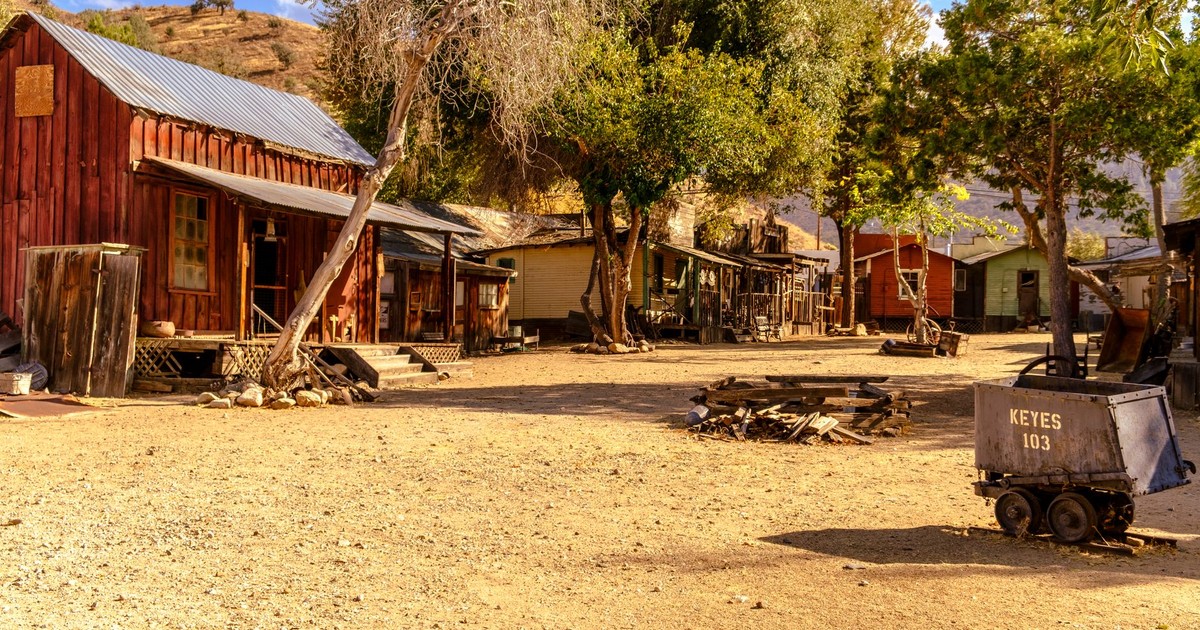
Globe offers historic charm and modern convenience. Founded as a mining town in the 19th century, it retains a rich heritage and a scenic hilly landscape. The city attracts retirees, artists, and outdoor enthusiasts who value its small-town feel, access to hiking trails, and lower cost of living compared to metropolitan Phoenix.
In 2025, homes in Globe started under $230,000, making it one of the most affordable small towns in Arizona. The overall cost of living runs approximately 10% below the U.S. average, and the town offers a historic downtown with vintage shops, local restaurants, and regular community events, along with close access to lakes, hiking trails, and the Tonto National Forest.
Globe’s location also matters practically. It’s close enough to the Phoenix metro area, about 90 miles, that residents can access the full range of urban healthcare and services without paying Phoenix prices to live there. For retirees who want culture and nature without sacrificing financial stability, Globe deserves serious consideration.
6. Yuma
Yuma’s agricultural economy and desert setting provide low cost-of-living conditions essential for retiring on $2,800 monthly or less. Image Credit: Tim Eiden / Pexels
Guinness World Records recognizes Yuma as the sunniest place on Earth, averaging over 4,000 hours of sunshine per year, or roughly 91% of all possible daylight hours. For retirees escaping gray northern winters, that statistic tends to settle the debate quickly.
Housing costs are low, with median home prices often sitting under $220,000. The city also has a strong agricultural economy, which keeps grocery prices competitive. Add a friendly snowbird community and abundant outdoor recreation, and Yuma becomes hard to overlook for budget-conscious retirees.
Yuma’s agricultural heritage means fresh produce is cheap and local all year long. The city also has a growing selection of healthcare facilities, and its warm, dry winters create an environment that many retirees find genuinely therapeutic. With spending well within the $2,800 target for most households, Yuma offers outsized livability for its price point.
7. Kingman
Kingman’s Route 66 tourism heritage supports local businesses and entertainment options accessible to retirees on tight budgets. Image Credit: Thomas balabaud / Pexels
Kingman offers big-city proximity with small-town affordability. Nestled along I-40, it sits close to both Las Vegas and Phoenix without carrying the costs of either city. That highway access matters more in retirement than people often expect – it’s the difference between feeling isolated and being an easy road trip from major airports, specialist medical care, and family.
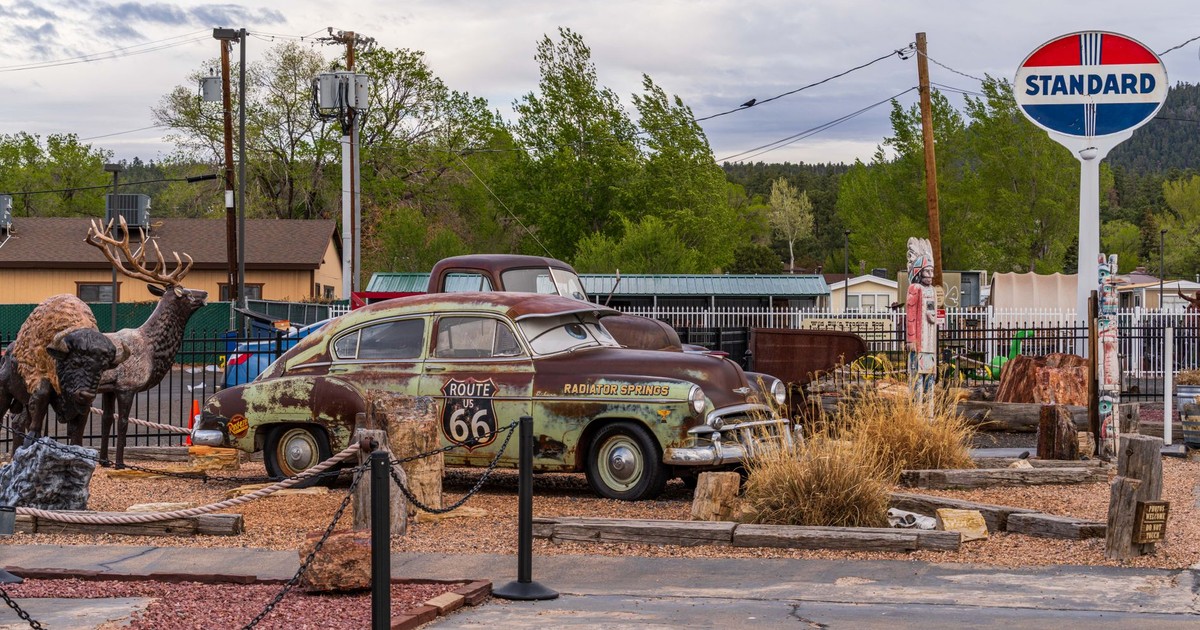
Kingman is among the most affordable places to retire in Arizona, with affordable housing, small-town comfort, and easy access to medical care. The surrounding landscape of high desert and mountain ridgelines gives the town a visual drama that belies its modest price tag. Route 66 passes directly through Kingman, which still has the diners, nostalgia, and roadside character that draws visitors and new residents alike.
For retirees who want connectivity without the crowd, Kingman sits at an ideal crossroads, both literally and geographically.
8. Benson
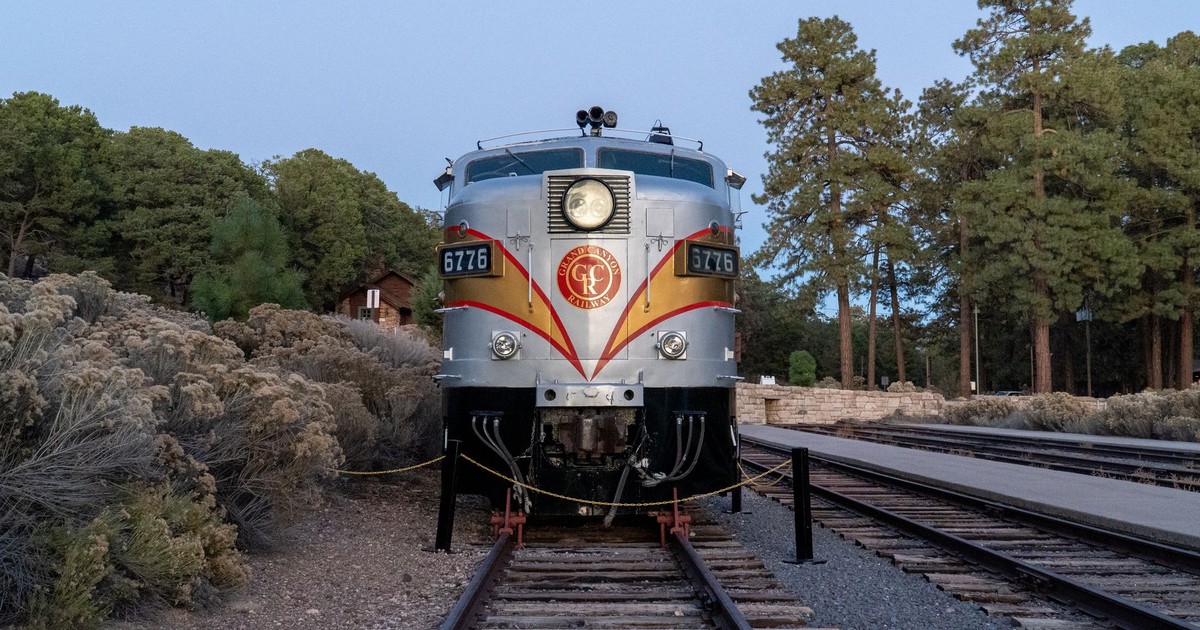
Benson’s historic rail connections symbolize the established community infrastructure that keeps housing and living costs manageable for retirees. Image Credit: Ken Jacobsen / Pexels
With a sprawling landscape that includes mountains and the San Pedro River Valley, Benson draws outdoor-focused retirees, with average rents around $1,500 per month. That figure alone puts a comfortable single-person retirement well within reach for most Social Security recipients.
The town sits about 45 miles east of Tucson, close enough for major hospital access but far enough to escape urban pricing. The San Pedro Riparian National Conservation Area, one of the most important bird migration corridors in North America, is essentially on the doorstep. Kartchner Caverns State Park, a living limestone cavern system with 13,000 feet of passages managed by Arizona State Parks, sits just minutes away and draws visitors year-round.
Benson delivers genuine outdoor access, real community, and a cost of living that leaves room in the monthly budget for something beyond just essentials.
9. Bullhead City
Bullhead City’s Colorado River location offers affordable waterfront living and recreation that enriches retirement experiences on limited budgets. Image Credit: Laszlo Magyar / Pexels
Real estate professionals have recommended Bullhead City to retirees specifically for its lower cost of living and lower housing costs. The city sits along the Colorado River, directly across from Laughlin, Nevada, which means casino entertainment, dining, and activities are a short bridge away without requiring a Nevada address.
Water recreation is the centerpiece of life in Bullhead City. Boating, fishing, kayaking, and swimming on the Colorado River are available year-round in a way that most desert towns can’t match. The community has a well-established snowbird culture, which means seasonal residents arrive every fall and spring, a built-in social calendar for new retirees who are still building local connections.
Arizona’s tax advantages apply fully here. Arizona does not tax Social Security benefits and carries a flat 2.5% state income tax, meaning Bullhead City retirees keep more of their fixed income regardless of which way the river is running.
10. Green Valley
Green Valley’s planned retirement community design demonstrates how Arizona towns specifically cater to affordable senior living needs. Image Credit: Quintin Gellar / Pexels
Green Valley has an average home value of around $297,247 and an average rent of approximately $1,600 per month, both well inside a $2,800 monthly budget, even accounting for other living expenses. The town was purpose-built with retirees in mind, and it shows in the infrastructure.
Green Valley sits about 25 miles south of Tucson and has direct access to Banner University Medical Center Tucson, which U.S. News and World Report has named the No. 1 hospital in Tucson. That gives Green Valley residents access to specialty care not typically available in a community of this size. Golf courses, fitness centers, and community organizations are woven into the town’s design, reflecting decades of intentional planning around what retirees actually want from their daily lives.
Arizona’s property tax effective rate averages just 0.48%, ranking among the five lowest in the nation, which makes owning a home in Green Valley even more financially comfortable on a fixed income. Combined with the state’s exemption of Social Security from taxation, a retiree household here can keep their monthly outlay genuinely manageable.
This couple’s financial planning exemplifies the practical budgeting decisions retirees must make to successfully live on $2,800 monthly. Image Credit: Kampus Production / Pexels
Arizona’s statewide average rent of $1,341 per month sits 18% below the national average, and the median home price statewide is around $446,300, but these state-wide figures mask how much cheaper individual towns can be. The ten towns above all offer meaningful savings against both the state and national averages, with Nogales coming in at just $2,398 per month for a single retiree. Every town on this list fits within a $2,800 monthly budget for most single-person households, and several are achievable on Social Security alone.
Arizona’s flat 2.5% income tax, no Social Security tax, no state estate tax, and no inheritance tax form a fiscal foundation that makes even a moderate retirement income go further here than in most comparable Sun Belt states. According to USAFacts, approximately 19.7% of Arizonans were aged 65 or older as of 2024, exceeding the national average of 18%, which means infrastructure, community programs, and healthcare services have developed to match that demographic – a practical consideration that matters more every year. Mountains or desert floor, river access or birding trails, border culture or Route 66 nostalgia: Arizona has a version of retirement that works for most of those preferences, and it doesn’t require a large nest egg to access any of them.
Disclaimer: This information is not intended to be a substitute for professional financial advice, investment advice, tax advice, or legal advice, and is provided for informational purposes only. Always seek the guidance of a qualified financial advisor, accountant, or other licensed professional regarding your personal financial situation or investment decisions. Do not make financial, investment, or tax decisions based solely on information presented here. Past performance is not indicative of future results, and all investments carry risk, including the potential loss of principal.
AI Disclaimer: This article was created with the assistance of AI tools and reviewed by a human editor.