

A record 61.2 million Americans are now 65 or older, according to the U.S. Census Bureau’s Vintage 2024 Population Estimates, making up 18% of the U.S. population. At age 65, life expectancy for the total population sits at 19.7 years, according to the CDC’s National Center for Health Statistics – two full decades of rent, groceries, medical bills, and property taxes. Where you land matters enormously, yet most people pick a retirement destination the same way they chose a vacation spot: weather and vibes.
Some of the states retirees have flocked to for generations are quietly among the worst places to spend a fixed income. Meanwhile, states that don’t make the tourist brochures keep showing up at the top of every rigorous 2025 and 2026 analysis. A sparsely populated Western state with no income tax and the healthiest Medicare population in the country just dethroned Florida as the single best state for retirees – and it isn’t close to a beach.
The rankings below draw on multiple 2025 and 2026 datasets, including financial analyses, senior happiness surveys, and health outcome reports, to give you the clearest picture of where the best states for retirees actually are – and which ones you should think twice about.
1. Wyoming: The Nation’s Top-Ranked Retirement State
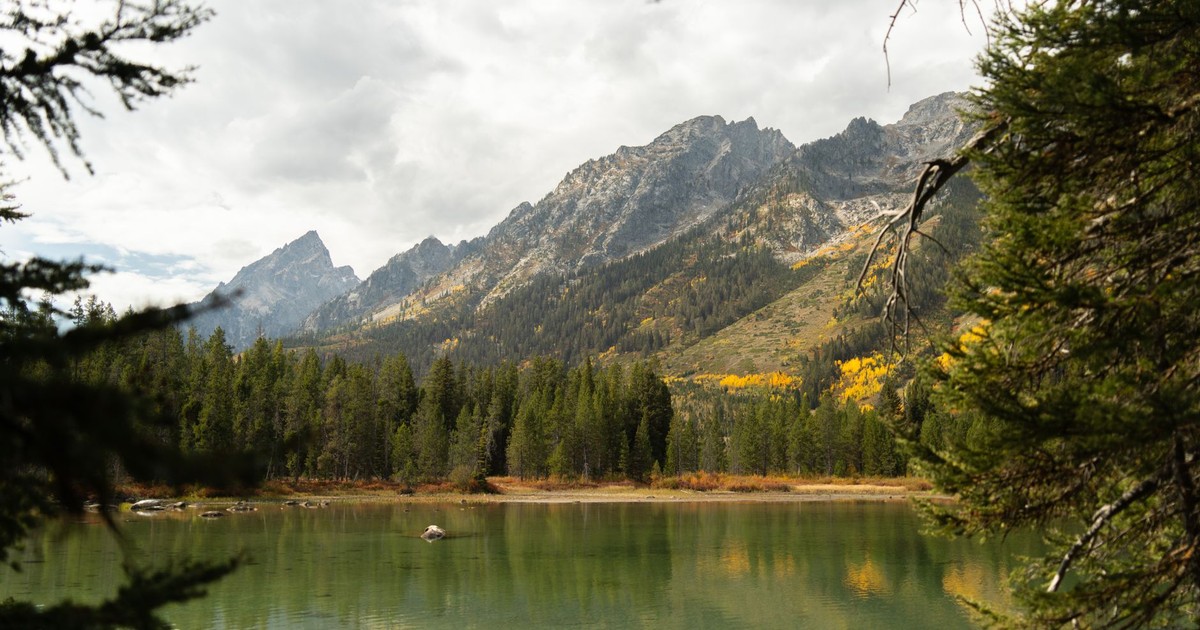
Wyoming ranks No. 1 overall, driven by its lack of personal income tax and the nation’s lowest rate of multiple chronic conditions among Medicare beneficiaries. According to WalletHub’s 2026 Best and Worst States to Retire analysis, Wyoming’s cost of living, adjusted for retirees’ needs, falls in the more affordable half of the nation. The state also offers no estate or inheritance tax, has the fifth-lowest annual cost of homemaker services in the nation, and the 10th-best elder abuse protections in the country, along with the fifth-lowest violent crime rate.
Wyoming has the seventh-lowest share of residents ages 65+ who are in poverty and ranks fourth in funding from the Administration on Aging per senior resident. The same WalletHub analysis ranks Wyoming as its top state for retirees in 2026, noting the combination of financial stability and low healthcare burden for older adults. The trade-offs are real: the state has a relative scarcity of physicians, and winters in Yellowstone country are not mild. But on the numbers, no state beats it right now.
2. Florida: Sun, Tax Breaks, and One Major Caveat

Florida ranks as the second-best state to retire due to its relatively low taxes for retired people, including no estate, inheritance, or income taxes. Those three zeroes matter. A retiree drawing down an IRA, collecting a pension, and receiving Social Security keeps every dollar the state would otherwise take elsewhere. Florida also receives more funding per senior from the Older Americans Act than all but two other states – federal dollars that fund personal care, congregate meals, transportation, and nutrition programs for older adults.
The lifestyle credentials are legitimate. Florida has the second-most shoreline miles of any state, the second-most adult volunteer activities, the fifth-most theater companies, and the eighth-most golf courses and country clubs. Florida also has the third-lowest death rate in the country for people ages 65+, according to WalletHub’s 2026 analysis.
The caveat is housing costs, specifically insurance. Florida’s property tax rate of 0.71% helps preserve wealth, but homeowner insurance has surged dramatically. While Florida’s tax structure remains among the most favorable in the country, the overall cost of living is high compared to many other states. Retirees who pick the right city – away from high-risk coastal zones – can still make Florida’s math work. Those who don’t may find the insurance bills eroding the tax savings.
3. South Dakota: Quiet Contender with Serious Health Stats
South Dakota is the third-best state for retirees, offering taxpayer-friendly conditions with no estate or inheritance taxes. According to WalletHub’s 2026 analysis, South Dakota has the 13th-lowest poverty rate for residents ages 65+ and the fourth-lowest percentage of seniors who have faced hunger in the past 12 months. That last stat is a proxy for something bigger: financial stability and food security among older adults are closely linked to overall wellbeing.
South Dakota has one of the lowest rates of social isolation for seniors and boasts the second-best geriatrics hospitals in the country. It also has the second-lowest share of seniors experiencing frequent mental distress – defined as 14 or more days of poor mental health in a month – and the third-most family medicine physicians per capita. For a state with a relatively small population, those healthcare numbers are remarkable.
South Dakota also provides a clean natural environment, with the fifth-best air quality in the country and a third-lowest rank nationally for health-based drinking water violations. The winters are cold and long, so if year-round outdoor living is the priority, South Dakota may not be the fit. But if health outcomes, low taxes, and financial security matter most, it belongs near the top of any serious list.
4. Utah: The Happiest Seniors in the Country

Utah’s senior happiness score of 7.69 out of 10 on Caring.com’s 2025 Senior Happiness Index places it at the very top of any happiness-focused ranking. That score reflects a real difference in how older adults in the state actually feel about their lives, not just how the finances look on paper.
Utah scores high thanks to a low percentage of people 65+ living alone, which reduces the risk of social isolation, and over 44% of seniors in the state volunteer – the highest rate in the U.S. Volunteering is one of the most consistent predictors of mental health and longevity in older adults. A state where nearly half of seniors are engaged in their communities is doing something structurally right.
Utah also has a low prevalence of risky health behaviors among seniors, such as smoking and excessive drinking, and ranks among the top 15 states for clinical care, indicating strong access to health services for older adults. The state jumped 24 spots in CareScout’s 2026 affordability and quality-of-life rankings, moving from 39th to 15th – the largest single-year gain of any state. That momentum is worth tracking.
5. Idaho: Strong Community, Low Loneliness

Bankrate’s 2025 Best and Worst States to Retire Study placed Idaho in the top 10, alongside other Western states Wyoming and Utah. Idaho’s consistent presence in top-tier rankings across different methodologies signals something genuine rather than a quirk of one dataset.
According to Caring.com’s Senior Happiness Index, Idaho ranks as the second-happiest state for older adults with a score of 7.38 out of 10. A key driver is household composition: over three-quarters of Idaho seniors live with others, which directly reduces the loneliness and isolation that track closely with cognitive decline and depression in older adults.
The state’s affordability also holds up. Housing costs remain well below the national median in most Idaho markets, and the state has built out senior services and outdoor recreation infrastructure that suits an active retirement. Rural healthcare access can be limited in parts of the state, and Idaho’s rapid population growth in recent years has pushed some costs higher in cities like Boise.
6. Connecticut and Delaware: A Tie for Third-Happiest

Among Bankrate’s top-10 retirement states, four are in New England – and Connecticut is one of the reasons. Both Connecticut and Delaware score 7.01 out of 10 on the Caring.com Senior Happiness Index, tying for third nationally, with strong marks for healthcare access and cultural opportunities.
Delaware’s tax picture is particularly compelling for retirees. Delaware is consistently ranked as one of the most tax-friendly states for retirees, with no state or local sales tax, tax exemptions that allow residents over 60 to exclude up to $12,500 of investment and qualified pension income from state taxes, and no estate or inheritance taxes. For retirees drawing from Social Security, a pension, and investment accounts simultaneously, that combination of exemptions adds up to thousands of dollars a year in kept income.
Connecticut’s edge is healthcare. States with high healthcare rankings for seniors include Massachusetts, Minnesota, and Connecticut, and Connecticut consistently performs well on metrics around access to specialists, hospital quality, and preventive care for older adults. As of 2024, Maine’s older-than-children population milestone has been joined by 10 other states including Connecticut – an older population base that pushes states to develop stronger senior infrastructure.
7. Vermont: The Healthiest State for Older Adults
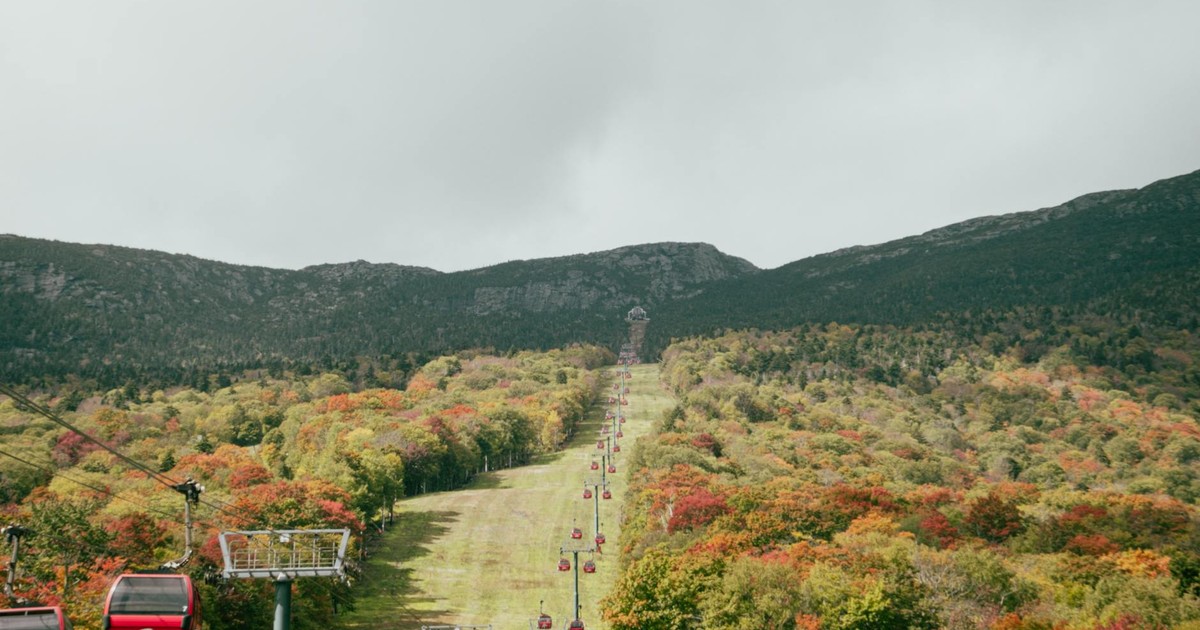
Vermont is the healthiest state for older adults according to the America’s Health Rankings 2025 Senior Report, which evaluates 55 outcomes for adults 65 and older, from chronic conditions and preventive care to behavioral health and mortality. That’s a comprehensive measure, and Vermont coming out on top is not driven by any single metric.
Vermont offers beautiful scenery, low crime rates, and excellent healthcare outcomes for seniors, with walkable areas in cities like Burlington. For retirees who prioritize personal safety and healthcare quality above all else, Vermont sits near the top of every serious ranking. The America’s Health Rankings 2025 Senior Report shows Vermont followed by Colorado, Washington, Utah, and Connecticut in overall senior health.
Cost is a genuine constraint. Property taxes are high, most retirement income is taxed, and Vermont’s cost of living runs above the national median. Retirees on tighter fixed incomes may find Vermont health statistics enviable but the budget math difficult. Those who can absorb the higher costs get access to some of the country’s best healthcare and one of its safest environments.
8. New Hampshire: Tax-Friendly With a New England Premium
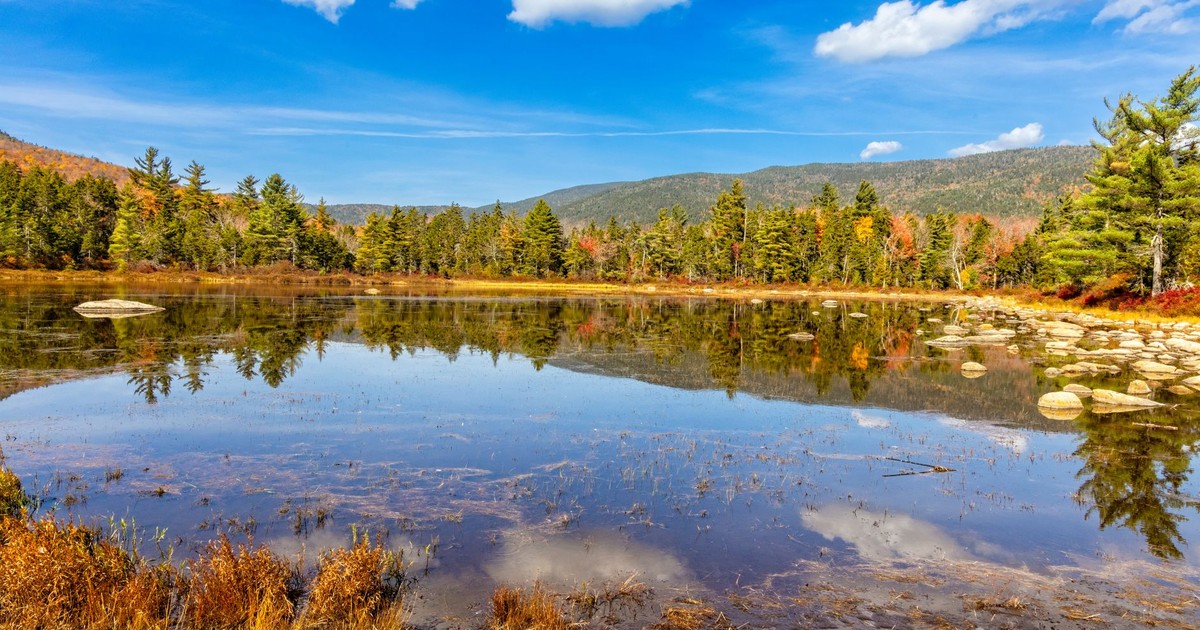
New Hampshire mirrors Wyoming’s tax friendliness with no personal income tax and delivers the second-highest Social Security income in the U.S. A state that doesn’t reach into your retirement accounts, where your neighbors are also drawing healthy Social Security checks, signals a financially stable retiree population.
Bankrate named New Hampshire the best state to retire in 2025, noting that while it ranked 40th for weather and 14th for affordability, it scored toward the top in healthcare, safety, and arts access – a mix of an affordable lifestyle with strong quality-of-life measures. The state provides small New England towns, proximity to Boston, outdoor recreational opportunities including coastal areas and White Mountain National Forest, and genuine small-town charm across much of its geography.
The property tax situation requires attention. New Hampshire’s property tax rate of 2.09% is a significant challenge for retirees on fixed incomes, even though there is no income tax. A retiree who owns a home outright still faces a substantial recurring property tax bill. Budget accordingly.
9. Colorado: Outdoor Living Meets Strong Senior Healthcare

According to the America’s Health Rankings 2025 Senior Report, Colorado ranks second for senior health nationally, just behind Vermont. The state’s combination of altitude, outdoor culture, and strong healthcare infrastructure translates into measurably better outcomes for older adults. Colorado offers excellent outdoor recreational opportunities including access to Rocky Mountain National Park, over 300 days of sun with low humidity, and strong statewide healthcare outcomes alongside cultural amenities.
The numbers work in Colorado’s favor on healthcare but not always on housing. The average home in Colorado sells for $529,284, and the state’s cost of living runs above the national average, particularly along the Front Range. Colorado also offers abundant volunteer opportunities, scenic byways, and strong arts infrastructure per capita – all factors associated with senior wellbeing.
Colorado exempts Social Security benefits for residents 65 and older, which narrows the tax disadvantage somewhat. For retirees who can manage the housing costs and don’t mind the high altitude – which genuinely does affect cardiovascular health in some older adults – Colorado offers one of the most well-rounded retirement environments in the West.
10. Minnesota: Top Healthcare, Complicated Taxes
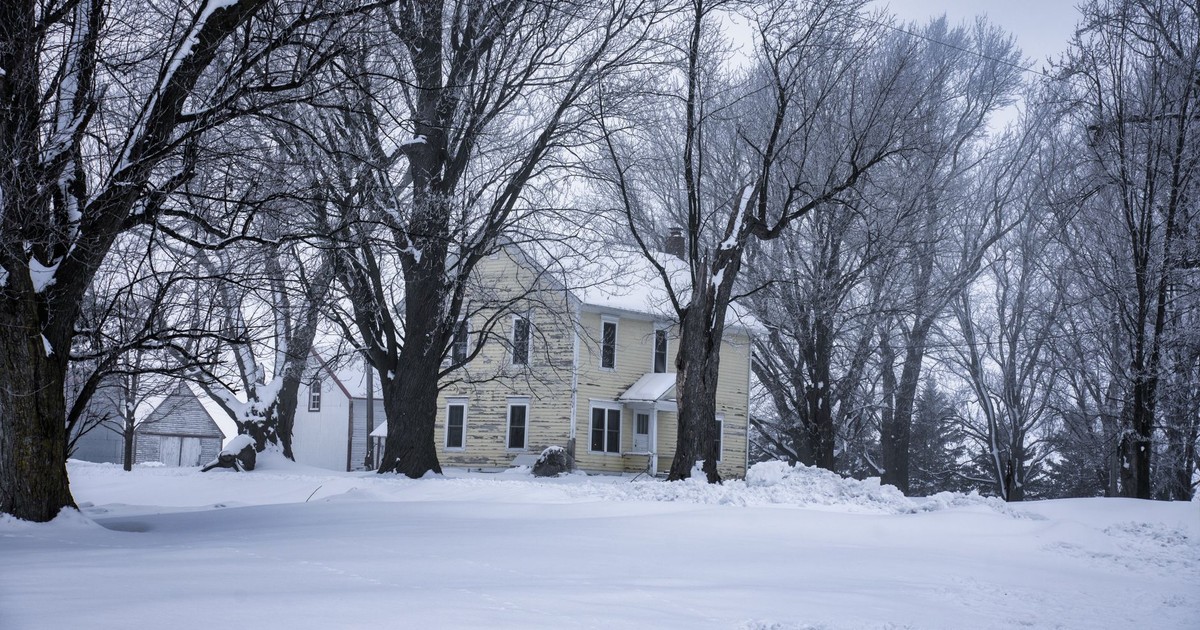
In 2026, Minnesota takes the number five slot in Kiplinger’s best places to retire ranking, with Minneapolis and neighboring St. Paul offering access to outdoor activities, a vibrant cultural scene, and a diverse community for retirees. The state’s healthcare reputation is built on real infrastructure. States with high healthcare rankings for seniors include Massachusetts, Minnesota, and Connecticut, and Minnesota’s density of major medical systems – including the Mayo Clinic’s home state – is a legitimate asset for anyone managing complex health needs.
The winters are a genuine deterrent. Minnesota’s climate runs long and brutal, and the heating costs that come with it eat into fixed incomes. The state also taxes Social Security benefits for higher earners, which penalizes retirees drawing from multiple income sources. Minneapolis and St. Paul offer beautiful lakes and dozens of scenic parks within city limits, and for retirees who have tolerated cold climates their whole lives and want best-in-class healthcare nearby, Minnesota delivers.
11. Alaska: Zero Income Tax, Maximum Tradeoffs
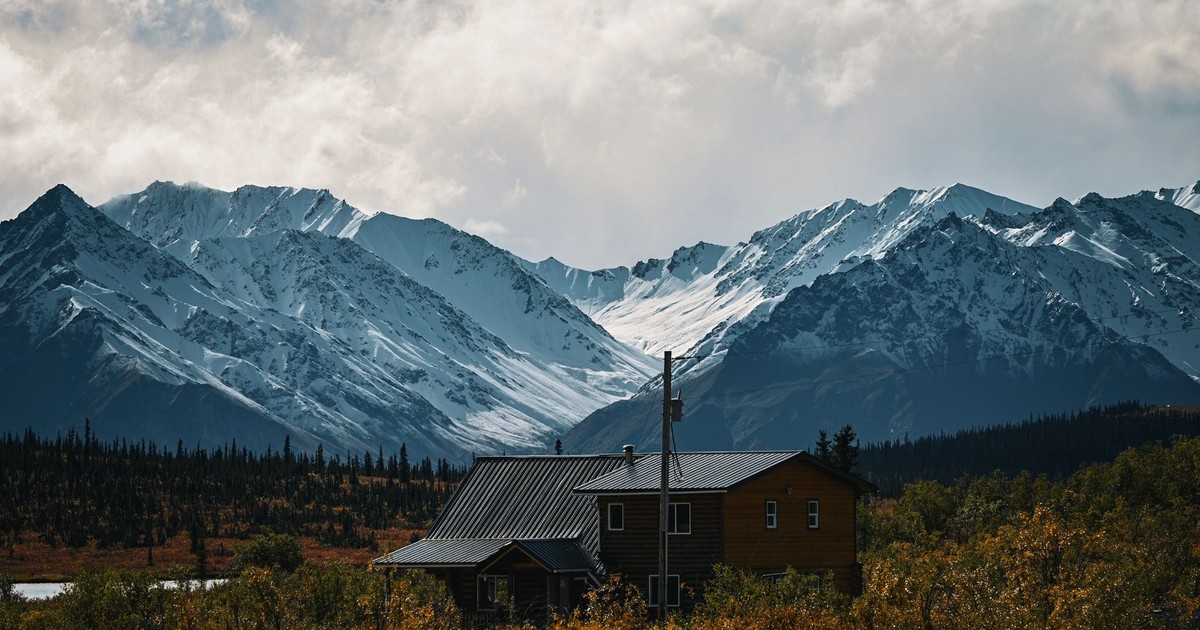
Nine states impose no individual income tax at all in 2026: Alaska, Florida, Nevada, New Hampshire, South Dakota, Tennessee, Texas, Washington, and Wyoming. Alaska sits in that company, and it adds another benefit most states can’t match: the Permanent Fund Dividend, an annual payment to residents drawn from the state’s oil revenues.
Alaska’s very low tax burden even offers the potential for dividends, and glaciers, mountains, and coastline provide unmatched beauty – but winters are long, dark, and extremely cold, and the cost of living is very high. Healthcare access is limited outside Anchorage and Fairbanks, which is a serious consideration for any retiree with ongoing medical needs. The state’s retiree population is small, meaning fewer senior-specific services exist compared to states with well-established retirement communities.
Alaska is the right choice for a specific type of retiree: someone who values self-sufficiency, loves wild places, and can afford the elevated cost of day-to-day living. It’s not a budget retirement destination despite the zero income tax.
The Worst States for Retirees

Not every state earns its retirement reputation. The following consistently appear at the bottom of the most rigorous 2026 analyses, for different but overlapping reasons.
New Jersey is the worst-ranked state for retirement in 2026 for the second consecutive year, according to CareScout’s 2026 analysis. New Jersey’s ranking reflects its high cost of living, a top personal income tax rate of 10.75%, and poor aging health overall – though it does have the country’s highest average Social Security income at $29,562. That last detail shows the state isn’t uniformly punishing, but the tax burden and cost of living cancel out much of that income advantage.
Hawaii presents the sharpest affordability problem of any state. Hawaii is considered the worst state to retire in by some measures, with annual spending for a comfortable retirement reaching $117,724 per year – the highest of all 50 states. While the weather is beautiful, Hawaii is one of the most expensive states to both live and retire in. WalletHub’s broader happiness data shows Hawaiians do report high life satisfaction – but the financial strain of retiring there on a typical income is real and significant.
Mississippi and Alabama both offer low costs of living but carry serious health-outcome penalties. Alabama and Mississippi rank among the worst states for aging health, with 71% and 67% of Medicare beneficiaries having three or more chronic conditions respectively, alongside poor access to arts and recreational centers. Mississippi is the least healthy state for older adults for the fourth consecutive year, according to America’s Health Rankings. The low median home prices – with comfortable retirement in Mississippi costing just over $35,000 annually in some analyses – make it affordable but not a place where the health data shows older adults thriving.
Kentucky and Oklahoma round out most bottom-five lists. Kentucky lands at the bottom of WalletHub’s 2026 rankings, and even with a cost of living about 19% lower than the U.S. average, its quality of life and healthcare options lag significantly. Oklahoma ranks 49th overall in WalletHub’s 2026 study due to a lower quality of life and consistently poor marks for healthcare access outside major metro areas.
What to Do with This

The best states for retirees are not necessarily the ones with the best weather or the most name recognition. Wyoming, South Dakota, and Idaho don’t appear in retirement brochures, but they outperform traditional destinations on taxes, health outcomes, mental wellbeing, and financial sustainability. Meanwhile, some famously popular retirement states carry hidden costs – in insurance premiums, tax burdens, or chronically poor health infrastructure – that can quietly deplete a fixed income over 15 to 20 years.
The sharpest question to ask when evaluating any state isn’t “do I like it there?” – it’s “how much will it cost me in year 15?” According to the U.S. Census Bureau, the 65-and-older population is growing faster than any other age group in America, meaning competition for senior services, housing, and healthcare in popular retirement states will only intensify. With life expectancy at 65 now averaging 19.7 years, a state that keeps costs low, taxes modest, and healthcare close doesn’t just make retirement comfortable – it makes it last. Run your numbers against any state you’re seriously considering before you commit. Check your cost-of-living projections, factor in healthcare proximity, and weigh the tax picture across all your income sources.
Disclaimer: This information is not intended to be a substitute for professional financial advice, investment advice, tax advice, or legal advice, and is provided for informational purposes only. Always seek the guidance of a qualified financial advisor, accountant, or other licensed professional regarding your personal financial situation or investment decisions. Do not make financial, investment, or tax decisions based solely on information presented here. Past performance is not indicative of future results, and all investments carry risk, including the potential loss of principal.
AI Disclaimer: This article was created with the assistance of AI tools and reviewed by a human editor.
Read More: 5 Mistakes to Avoid in Your First Year of Retirement