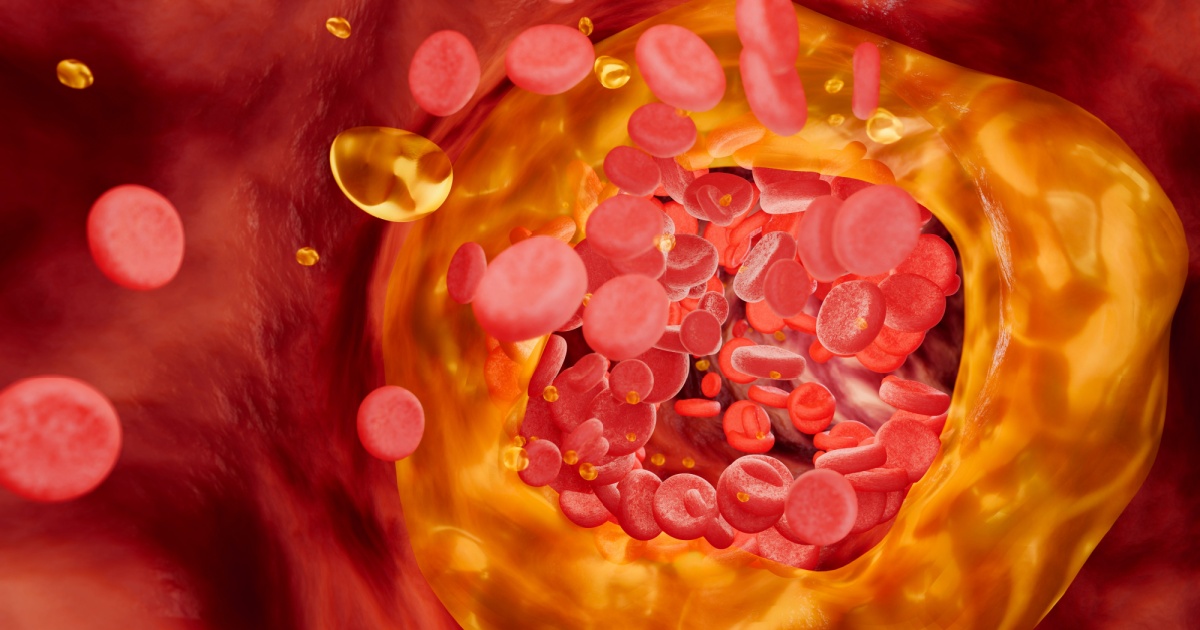

Doctors have been treating artery plaque control largely the same way for decades: lower the cholesterol, reduce inflammation where possible, and hope the plaques that are already there don’t rupture. Two independent research teams have now taken a fundamentally different approach, one borrowed from cancer medicine, and what they found in animal models may eventually change how cardiologists think about the disease from the ground up.
The strategy involves training the immune system to go after plaques directly, rather than just reducing the conditions that create them. Millions of patients who take cholesterol medications faithfully still suffer heart attacks, not because the drugs aren’t working, but because existing plaques can become unstable and rupture before they’re controlled. The question researchers are now pursuing: what if you could send a targeted molecular weapon to the plaque itself?
The antibody-based therapy developed at Washington University School of Medicine could complement traditional approaches to managing coronary artery disease that focus on lowering cholesterol through diet or medications such as statins. It’s designed specifically for the patients who fall through the cracks of current medicine.
What Makes Plaque Dangerous in the First Place
Atherosclerosis, the hardening and narrowing of arteries caused by plaque buildup, doesn’t kill people by existing. It kills people when a plaque breaks open. Eliminating specific cells found in atherosclerotic plaques in mouse models reduced the amount of plaque, diminished plaque inflammation, and improved the stability of the plaque, which is important for preventing heart attacks.
A synthetic antibody therapy targeting modulated smooth muscle cells in arterial plaques reduced plaque burden, inflammation, and increased plaque stability in mouse models of atherosclerosis. That combination, less plaque and more stable plaque, is exactly what current standard treatments struggle to deliver together.
In 2022, cardiovascular disease claimed 941,652 American lives, according to the American Heart Association, making it the leading cause of death in the country. Although atherosclerosis is largely driven by inflammation, there are no approved treatments that specifically target atherosclerotic inflammation, and previous clinical trials of anti-inflammatory drugs have not panned out. That gap is precisely what the new immunotherapy approaches aim to fill.
A 2026 study led by researchers at Washington University School of Medicine found that an immunotherapy reduces plaque in the arteries of mice, offering a potential new strategy to treat cardiovascular disease. Their research, published in the journal Science, focused on a specific type of cell that had previously been overlooked in the disease process.
The WashU Breakthrough: Targeting Rogue Smooth Muscle Cells
The cells in question are vascular smooth muscle cells that have gone wrong. Structural cells in arteries called vascular smooth muscle cells become dysfunctional, migrating to parts of the artery where they shouldn’t be. In these new locations, they become what are called modulated smooth muscle cells, which release signals that attract and activate inflammatory immune cells that drive ongoing plaque formation and instability.
Researchers at WashU Medicine identified a molecular signature on the surface of these rogue cells that could be used as a target. Using a single-cell and spatial atlas of human coronary artery disease, the investigators identified a molecule called fibroblast activation protein (FAP) located on the surface of modulated smooth muscle cells that could be used as a homing target.
The team worked with researchers at biotech company Amgen on studies of an antibody-based molecule that could grab onto modulated smooth muscle cells and enlist the destructive power of the immune system to eliminate them and their damaging downstream effects. Called a bispecific T cell engager, or BiTE molecule, this engineered construct draws a type of immune cell called a T cell to a target cell that should be eliminated from the body, whether it’s a cancer cell or, in this case, a modulated smooth muscle cell.
“We found that these cells are located in areas of the plaque that are particularly vulnerable to rupture, which is the primary cause of heart attacks,” said senior author Kory Lavine, director of the WashU Medicine Center for Cardiovascular Research. A treatment that only reduces total plaque volume misses the point if the most dangerous pockets of plaque remain intact.
The anti-FAP bispecific T cell engager reduced plaque burden and remodeled the stromal-immune microenvironment through T cell clonal expansion. Plaque shrinkage and a restructuring of the inflammatory environment that drives plaque growth happened together. The study was published in Science in January 2026.
Penn Medicine’s CAR T Approach
Separate research from the University of Pennsylvania’s Perelman School of Medicine took a different immunotherapy angle, one closer to how cancer is treated. Scientists there demonstrated that chimeric antigen receptor, or CAR T cell therapy, could offer a novel approach to treating atherosclerosis. Published in the journal Circulation in November 2025, the preclinical study showed engineered regulatory T cells reduced arterial plaque formation by approximately 70% in mouse models, marking the first application of CAR T technology to cardiovascular disease.
CAR T therapy works by taking a patient’s own immune T cells, engineering them in a lab to recognize a specific target, and reinfusing them. In cancer treatment, those engineered cells seek out and destroy tumor cells. The Penn team engineered CAR regulatory T cells to specifically target oxidized low-density lipoprotein, or OxLDL, a key inflammatory driver in atherosclerotic plaque development. Unlike conventional CAR T therapies that activate immune responses against cancer cells, these modified cells dampen inflammation at sites of plaque formation.
The study used a different type of T cell called regulatory T cells, or Tregs, which were the subject of the 2025 Nobel Prize in Physiology or Medicine. While most CAR T cancer therapies stimulate a more aggressive immune response, this therapy does the opposite inside the artery wall, calming inflammation rather than stoking it.
“OxLDL is a pro-inflammatory molecule, and that inflammation is what starts atherosclerosis,” explained lead author Robert Schwab, MD, an instructor of Hematology-Oncology at Penn. In tests in mice, the experimental CAR T cells blocked inflammation in arteries, preventing more than two-thirds of the plaque buildup seen in untreated controls.
One important limitation: the current study documented prevention of plaque formation rather than regression of established lesions, as treatment began concurrently with hyperlipidemia induction. Whether CAR Tregs can reverse existing atherosclerotic disease in patients who already carry a significant plaque burden requires further investigation. The researchers and Penn Medicine have since founded Cartio Therapeutics to advance the OxLDL CAR Treg therapy toward clinical trials.
Read More: 9 Foods You Should Eat Regularly To Support Your Arterial Health
What Current Medicine Can and Can’t Do for Artery Plaque Control
Conventional artery plaque control is undergoing its own significant update. The 2026 ACC/AHA cholesterol guidelines, updated for the first time since 2018, call for earlier cholesterol screening starting at age 30. An estimated 1 in 4 US adults have high levels of LDL cholesterol, underscoring the need for earlier detection and treatment.
For the first time, the updated guidelines universally recommend testing for two lesser-known markers: lipoprotein(a), or Lp(a), with universal measurement now recommended at least once in all adults, and apolipoprotein B, or ApoB, which counts the actual number of atherogenic particles circulating in the blood and can reveal cardiovascular risk that LDL cholesterol alone misses.
The guidelines also push doctors toward more aggressive LDL lowering. In the GLAGOV trial, patients treated with PCSK9 inhibitors combined with statins achieved plaque regression rates of 64.3%, compared to 47.3% with statins alone, after 78 weeks. PCSK9 inhibitors lowered LDL cholesterol to as low as 36.6 mg/dL in the combination group, compared to 93.0 mg/dL in the statin-only group.
Coronary artery calcium scoring is now recommended for certain patients to detect early plaque buildup before it becomes an emergency. This imaging test can guide treatment decisions. Advanced intracoronary imaging goes further: techniques including intravascular ultrasound and optical coherence tomography can identify vulnerable plaques by detecting large lipid cores, thin fibrous caps, and lipid-rich contents.
Recent research has shown that inflammation is an independent risk factor driving atherosclerotic disease progression, making anti-inflammatory therapies a legitimate secondary prevention strategy, a finding that lends biological credibility to both the WashU and Penn immunotherapy approaches.
Current preventive therapies can stabilize existing plaque, reduce inflammation, and when cholesterol is lowered aggressively, sometimes achieve modest plaque regression. Even the best current medications rarely eliminate established plaque. They slow it, stabilize it, and reduce the odds that it kills you. An increase in the thickness of the fibrous cap over a plaque is considered a reliable indicator of increased stability, and statins have been shown to achieve exactly that.
GLP-1 receptor agonists, the class behind semaglutide, are adding to the toolkit as well. A 2025 analysis of major cardiovascular trials found that GLP-1 agonists achieved substantial reductions in myocardial infarction, stroke, cardiovascular mortality, and heart failure. Their exact effect on plaque biology is still being studied, but the cardiovascular benefit is now well established.
What This Means for You
Immunotherapy for heart disease is not available at your cardiologist’s office today. Both the WashU BiTE therapy and the Penn CAR Treg approach are preclinical, meaning the evidence comes from mouse models, not human trials. Many therapies that reduce plaque in mice have failed to translate to humans. The path from a mouse study to an approved treatment typically takes a decade or more.
What is available now, and what these studies reinforce, is that artery plaque control depends on more than a single number on a lab report. Ask your doctor whether you’ve been tested for Lp(a) and ApoB alongside standard LDL, since the 2026 ACC/AHA guidelines now recommend both. If you’re over 40 with risk factors, ask about coronary artery calcium scoring. If you’re already on a statin but your LDL remains above goal, ask whether a PCSK9 inhibitor is appropriate for you. For patients who require more than existing cholesterol and lifestyle treatments to manage high residual cardiovascular risk, these new immunotherapy approaches are envisioned as additional future tools. The science is moving fast. The practical steps you can take right now are already here.
Disclaimer: This information is not intended to be a substitute for professional medical advice, diagnosis, or treatment and is for information only. Always seek the advice of your physician or another qualified health provider with any questions about your medical condition and/or current medication. Do not disregard professional medical advice or delay seeking advice or treatment because of something you have read here.
AI Disclaimer: This article was created with the assistance of AI tools and reviewed by a human editor.
Read More: Surprising Mineral May Help Clear Dangerous Artery Plaque