
Most people don’t spend much time thinking about their arteries. The heart beats, blood flows, and life goes on. But inside those vessels, a slow and largely silent process can be underway for decades, quietly narrowing the pathways that keep every organ alive. By the time most people find out something is wrong, the damage has been building for years.
Heart disease doesn’t announce itself early. That’s what makes it so dangerous – and why researchers keep searching for new ways to slow it, stop it, or reverse it. Now, an unlikely candidate has caught scientists’ attention: a trace mineral that most people have never thought much about. Early research suggests it may do something that even today’s best medications struggle to accomplish.
The story is still unfolding, and the caveats are real. But the science behind it is genuinely fascinating, and it touches on something most of us have in our kitchen cabinets right now.
What Arterial Plaque Actually Does to You
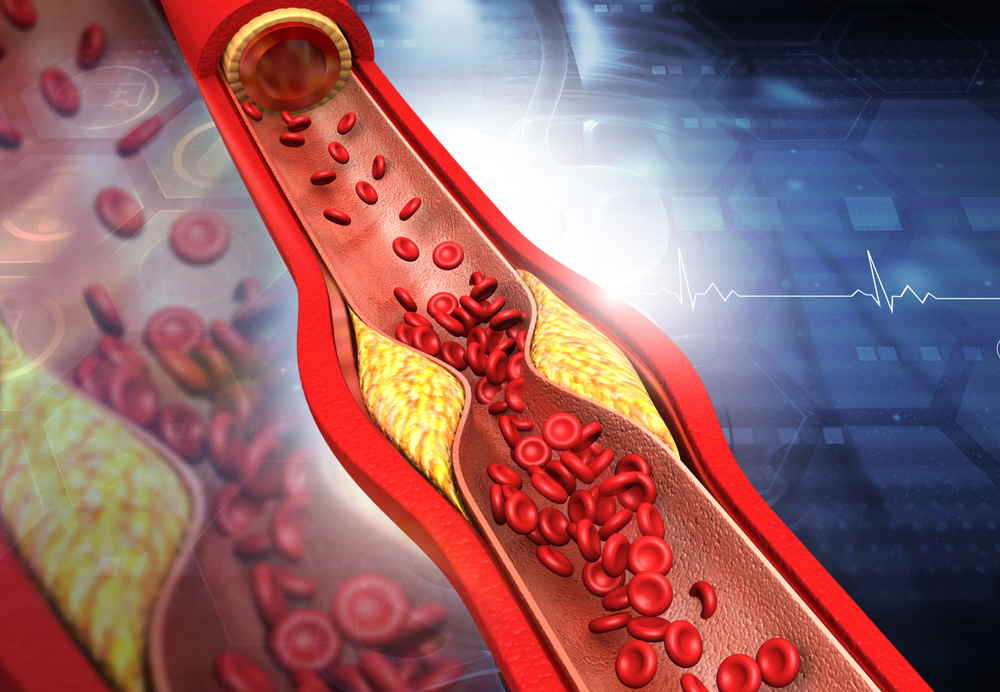
Cardiovascular disease ranks as the top killer in the modern world, and the trouble often begins with the buildup of lipid deposits within blood vessel walls, silently setting the stage for atherosclerosis. Atherosclerosis is the medical term for hardening and narrowing of the arteries caused by this plaque buildup – fat, cholesterol, calcium, and other substances that collect along artery walls over time.
Precise control of circulating lipid levels is vital in both health and disease. The bulk of those lipids, transported by particles called lipoproteins, enter the bloodstream via the coat protein complex II (COPII) system in the body’s cells. When that system goes wrong and too much “bad” lipid accumulates in the blood, the consequences can be severe.
Rupture of an atherosclerotic plaque can clot blood vessels and lead to life-threatening conditions including heart attack or stroke. Dyslipidemia – meaning having too much harmful fat in the blood – represents the most common cause of cardiovascular disease and is present in about 50% of the adult population.
The scale of this problem is enormous. According to projections from the American Heart Association, indirect costs from lost productivity due to cardiovascular disease are estimated to rise from $237 billion to $368 billion by 2035, with total cardiovascular disease costs expected to reach $1.1 trillion that same year.
Strikingly, early research suggests that elevating manganese in the diet could not only effectively treat high blood lipid levels but also achieve significant reversal of atherosclerotic plaques. That’s the kind of finding that turns heads.
The Mineral Behind the Discovery
Manganese is a trace mineral that is essential to our bodies in small amounts, and because we cannot make it ourselves, we must obtain it from food or supplements. For most of its history in nutritional science, manganese has been known mainly as a supporter of bone health, metabolism, and antioxidant defense. Its potential role in mineral artery plaque formation and reversal is a much newer chapter.
Divalent manganese, acting as a signaling messenger, selectively controls COPII condensation to regulate lipid balance in the body. Researchers presented evidence for a manganese-based therapy in mouse models of both low and high blood lipid levels, aided by advanced imaging of atherosclerosis, in a 2023 study published in Life Metabolism.
Think of COPII as a packaging and dispatch system inside liver cells. It’s responsible for loading lipids into lipoprotein particles and sending them out into the blood. The high accumulation of manganese ions in the liver after intake led researchers to speculate that a therapeutic approach based on manganese’s messenger function could potentially reverse atherosclerotic plaques in clinical settings.
Dietary titration of manganese supply – meaning adjusting how much manganese is consumed through food – enabled tailored control of circulating lipid levels in whole animals, with no apparent toxicity. Elevating the manganese signal through diet could not only effectively treat high blood lipid levels but also achieve significant reversal of atherosclerotic plaques.
Existing lipid-lowering drugs stabilize but don’t eliminate plaques. That gap is exactly what makes the manganese findings so striking. Lipid homeostasis imbalance has been identified as an underlying cause of cardiovascular and metabolic diseases, yet current interventions have remained inadequate for reversing or eliminating plaques that have already formed.
How Manganese Works in the Body
To understand why this matters, it helps to understand what manganese does at a biological level. Manganese acts as a coenzyme that assists many enzymes involved in breaking down carbohydrates, proteins, and cholesterol. It also assists enzymes in building bones and keeping the immune and reproductive systems running smoothly, and it works with vitamin K to assist in wound healing by clotting the blood.
One of its most important roles involves antioxidant defense. Manganese is known to play a critical role in the body’s antioxidant defense system, particularly as a component of the enzyme superoxide dismutase (SOD), which combats oxidative stress. Superoxide dismutase is essentially a cellular firefighter – it neutralizes the harmful free radical molecules that damage cells and tissues.
This matters for heart health because oxidative stress arises from an imbalance between oxidative and antioxidant systems. This imbalance promotes the oxidation of LDL, reduces the availability of nitric oxide (a molecule that keeps blood vessels relaxed), and enhances inflammatory responses – ultimately leading to endothelial dysfunction and triggering the progression of atherosclerosis.
Endothelial dysfunction means the thin inner lining of blood vessels stops working properly. The oxidation of LDL is a critical step in the development and progression of atherosclerosis. Oxidized LDL can induce endothelial dysfunction, which is considered an early event in the disease.
By acting as a signaling messenger that selectively controls COPII condensation to regulate lipid homeostasis, manganese appears to intercept this chain of events at a surprisingly upstream point – before lipids even accumulate in damaging amounts.
What the Research Shows – and What It Doesn’t
Researchers presented evidence for manganese-based therapy in mouse models of lipid imbalance, aided by advanced imaging. Dietary supply of manganese to lower lipid levels in whole mice showed no apparent toxicity.
This approach effectively reversed and even eliminated atherosclerotic plaques that had already formed in these animal models. That’s a remarkable result by any measure. The research team also noted something practically useful: the dose appeared to matter enormously, with dietary adjustment enabling precise control of circulating lipid levels.
There’s an important nuance here. Manganese ions directly bind to the COPII complex, enhancing its condensation. This alteration disrupts the delicate balance of COPII regulation, resulting in a unique, bell-shaped effect on blood lipid levels. At just the right amount, manganese lowers cholesterol and triglycerides in the blood. Too little and too much both produce different outcomes.
Doctors often prescribe lipid-lowering medications such as statins and PCSK9 inhibitors for treating cardiovascular diseases. These drugs are effective at lowering bad cholesterol, but even the most powerful among them have limited ability to actually shrink existing plaque. Manganese’s potential, if confirmed in humans, would represent a genuinely different mechanism.
That confirmation has not happened yet. More research is needed, and scientists have to make sure manganese is safe and works well in people before it can be used as a treatment. The distance between a successful mouse study and an approved human therapy is long and frequently humbling. Anyone who has followed the history of cardiovascular research knows that animal results don’t always translate to humans, a very important distinction.
No supplement has been shown to dissolve or remove existing arterial plaque in humans. Taking extra manganese capsules based on current evidence isn’t the same as the precisely dosed therapeutic approach tested in these studies.
Magnesium: The Other Mineral Protecting Your Arteries
While manganese is the new face in cardiovascular mineral research, another mineral has years of solid evidence behind it: magnesium. Both affect artery health, but through different pathways – and both deserve attention.
A large number of epidemiological studies, randomized controlled trials, and meta-analyses over the past 20 years have found an inverse relationship between magnesium intake and cardiovascular disease, indicating that low magnesium status is associated with hypertension, coronary artery calcification, stroke, ischemic heart disease, atrial fibrillation, heart failure, and cardiac mortality.
Coronary artery calcification is exactly what it sounds like: calcium deposits hardening inside the coronary arteries, making them stiffer and more prone to blockage. Data from the Framingham Heart Study, one of the longest-running cardiovascular research programs in history, found that higher magnesium intake was associated with meaningfully lower levels of coronary artery calcification in adults free of cardiovascular disease.
Magnesium also helps keep blood vessels relaxed and functional. Magnesium helps regulate vascular tone by relaxing blood vessels and reducing resistance – the kind of resistance that, over time, forces the heart to work harder and pushes blood pressure up.
Controlled experiments found that a mild or moderate magnesium deficiency can cause physiological and metabolic changes that respond to supplementation. Mechanisms through which deficiency contributes to cardiovascular risk include inflammatory stress, oxidative stress, dyslipidemia, and endothelial dysfunction.
Magnesium shortfalls are far more common than most people realize. An analysis of data from the National Health and Nutrition Examination Survey (NHANES) of 2013 – 2016 found that 48% of Americans of all ages ingest less magnesium from food and beverages than their estimated average requirements, according to the NIH Office of Dietary Supplements. Many people never know they’re running low.
Good food sources of magnesium include green leafy vegetables, seeds, whole grains, pulses, and nuts. If your diet is light on these foods – and most Americans’ diets are – your magnesium status may be worth discussing with a doctor.
If you’re also thinking about the foods that support artery health more broadly, our guide to daily foods for cleaner arteries covers the dietary patterns that have solid evidence behind them.
Where to Get Manganese from Food
Even though therapeutic manganese dosing remains firmly in the research phase, maintaining adequate intake through diet is straightforward and sensible. Manganese is present in a wide variety of foods, including whole grains, clams, oysters, mussels, nuts, soybeans and other legumes, rice, leafy vegetables, coffee, tea, and many spices such as black pepper.
According to the Harvard T.H. Chan School of Public Health Nutrition Source, the Recommended Dietary Allowance for adults 19 and older is 2.3 mg per day for men and 1.8 mg per day for women. The Tolerable Upper Intake Level is set at 11 mg per day for adults. Most people reach their daily target without much effort, and the FDA’s Daily Value for manganese is set at 2.3 mg for adults – a threshold most varied diets naturally meet.
Some of the richest food sources are practical everyday choices. A three-ounce serving of mussels contains about 5.8 mg of manganese – more than 250% of the daily value. A cup of cooked brown rice contains 2.2 milligrams of manganese, compared to just 0.6 milligrams in white rice. Half a cup of chickpeas provides 0.9 milligrams, nearly 40% of the daily value.
Because of the potential for toxicity and the lack of information on optimal benefit levels, manganese supplementation beyond 100% of the daily value is not recommended. There is presently no evidence that consuming a manganese-rich plant-based diet results in manganese toxicity.
This is a meaningful distinction. Eating whole foods rich in manganese is safe. Taking high-dose manganese supplements without medical supervision is not the same thing, and it isn’t what the research tested.
Read More: 8 Heart Healthy Supplements To Consider (and 2 To Avoid)
Is Arterial Plaque Regression Possible?
Atherosclerotic plaque regression is possible to a limited extent, especially in the early stages of Atherosclerosis. Research shows that lifestyle changes such as a healthy diet, regular exercise, smoking cessation, weight control, and stress reduction can help slow or partially reverse plaque buildup in arteries. Certain medications, particularly statins, may also reduce plaque size and stabilize existing plaques, lowering the risk of heart attack and stroke. However, advanced calcified plaques are harder to reverse completely. The main medical goal is often stabilization rather than full removal. Early prevention, regular monitoring, and consistent treatment remain the most effective strategies for protecting long-term cardiovascular health.
What This Means for You
The manganese research on mineral artery plaque is early, rigorous in its own context, and genuinely promising. It points toward a mechanism – the COPII lipid-secretion pathway – that scientists hadn’t previously targeted for cardiovascular treatment. The study provides critical proof-of-principle for a novel therapy for deadly cardiovascular diseases with a potentially broad impact. But we’re not there yet, and it would be a mistake to leap from interesting findings to personal supplementation decisions without medical guidance.
What you can do right now is take the better-established mineral evidence seriously. Keep magnesium intake up by eating green vegetables, whole grains, nuts, and seeds regularly – and pay attention to your numbers, since nearly half of Americans fall short of recommended intake without knowing it. Eat whole-food sources of manganese – brown rice, legumes, nuts, leafy greens – as part of a varied diet. Keep your LDL cholesterol in check through diet, exercise, and medication if your doctor recommends it.
Don’t wait for symptoms before paying attention. Atherosclerotic plaques in their early stages remain clinically silent, which means prevention is always doing more work than it appears to be. The minerals that may protect your arteries are already on your plate. The question is whether you’re eating enough of them.
Disclaimer: The author is not a licensed medical professional. The information provided is for general informational and educational purposes only and is based on research from publicly available, reputable sources. It is not intended to constitute, and should not be relied upon as, medical advice, diagnosis, or treatment. Always consult a licensed physician or other qualified healthcare provider regarding any medical condition, symptoms, or medications. Do not disregard, avoid, or delay seeking professional medical advice or treatment because of information contained herein.
AI Disclaimer: This article was created with the assistance of AI tools and reviewed by a human editor.
Read More: Is Magnesium Safe? 5 Possible Serious Side Effects to Watch For