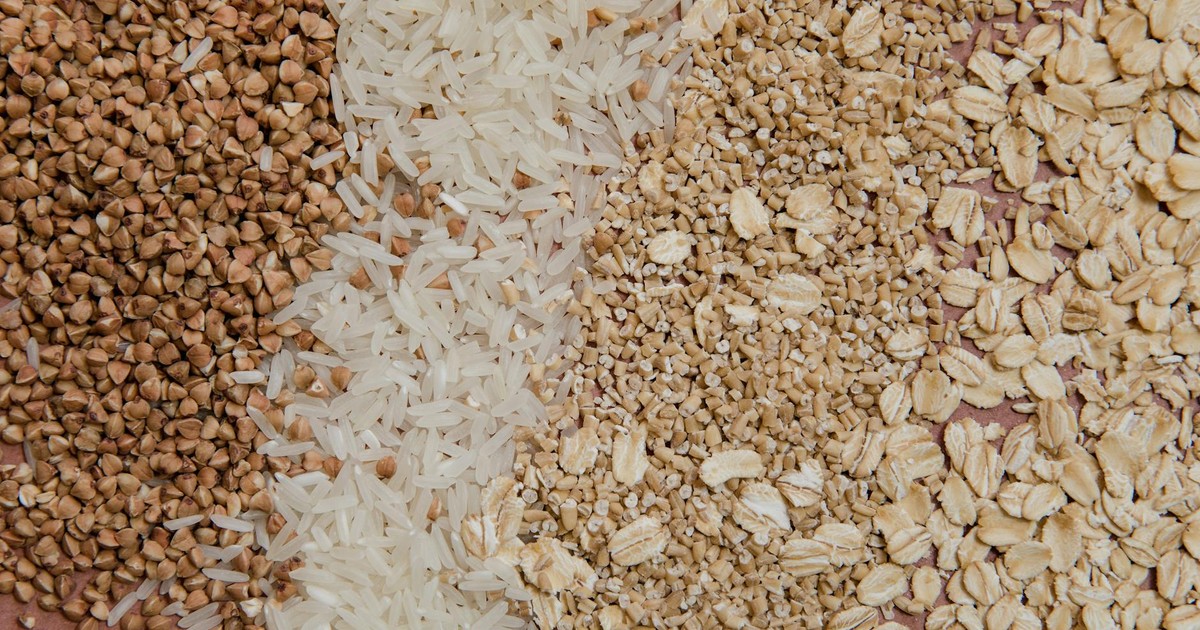

Most people don’t think much about the grains they eat. Rice is rice, bread is bread, and oatmeal is just breakfast. But research suggests that the type of grain on your plate can have measurable effects on cholesterol levels and heart disease risk over time. In some cases, a simple swap can make a surprisingly large difference.
Switching a bowl of white rice for brown rice is associated with roughly a 21% lower risk of coronary heart disease, according to a large prospective study that followed more than 200,000 US health professionals over nearly three decades. That’s not a marginal tweak. It’s the kind of shift that adds up across a lifetime – and brown rice is just one of nine grains backed by research for improving cholesterol and protecting your heart.
The connection between whole grains, cholesterol reduction, and cardiovascular protection isn’t new, but the strength of the evidence keeps growing. A 2016 dose-response meta-analysis of 45 prospective studies found that each additional 90 grams of whole grains consumed per day was associated with a 19% lower risk of coronary heart disease. Even more striking: for every 30-gram increase in daily whole grain consumption, coronary heart disease risk drops by about 6%. That’s roughly one slice of whole grain bread. The dose matters, but so does the grain itself – because not all whole grains work the same way.
Different dietary fibers, including soluble versus insoluble types, exert different health effects. Some grains carry beta-glucan, a thick, gel-forming fiber that physically traps cholesterol in the gut. Others deliver polyphenols (plant compounds that fight oxidative damage), magnesium, or resistant starch (starch that resists digestion and feeds beneficial gut bacteria). Understanding which grain does what makes it easier to choose strategically rather than just generically “eating whole grains.” Soluble, highly viscous fibers like beta-glucan bear a marked potential in lowering cholesterol levels and improving glucose metabolism.
Here are nine whole grains with the clearest evidence behind them.
1. Oats
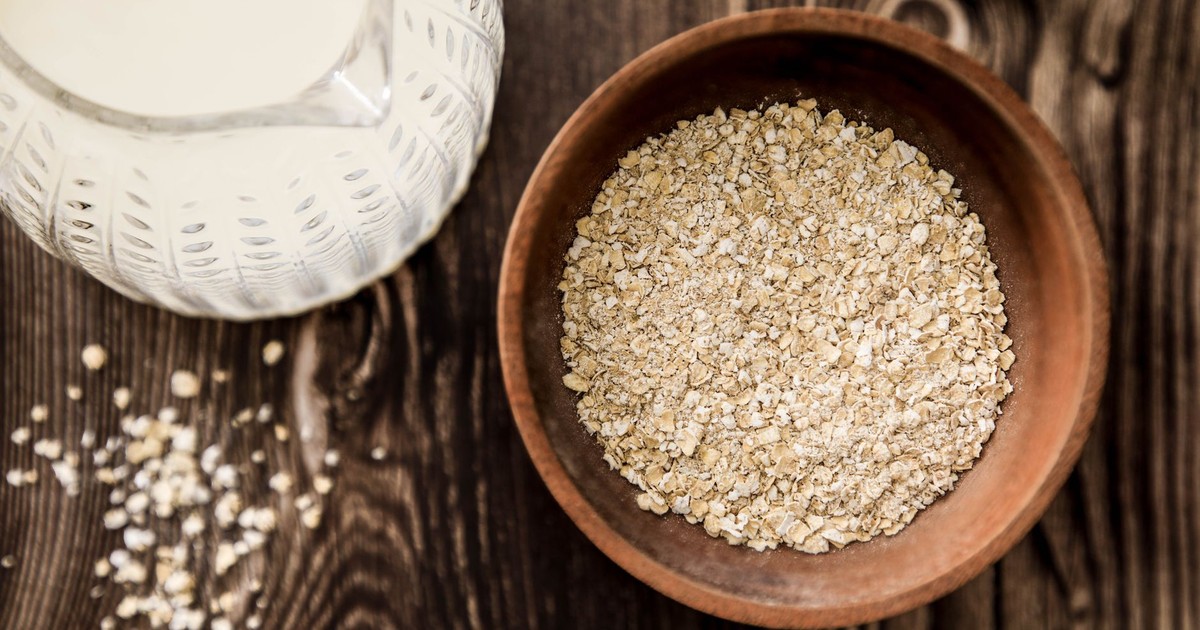
Whole-grain oat appears to be the most effective whole grain for lowering cholesterol. The reason is beta-glucan, a soluble fiber found primarily in the oat’s endosperm cell wall. Beta-glucan is thought to reduce total serum and LDL cholesterol by forming a viscous mass in the small intestine, limiting intestinal absorption of dietary cholesterol and the re-absorption of bile acids.
High-molecular-weight oat beta-glucan, consumed at 3 to 4 grams per day in solid foods, reduces LDL cholesterol by a median of approximately 6.5%. That’s a meaningful number for anyone managing borderline-high cholesterol without medication. Oat beta-glucan has also been shown to modulate the gut microbiota, particularly those bacterial species that influence host bile acid metabolism and production of short-chain fatty acids – regulators of cholesterol balance in the body.
The weight of evidence supporting oat beta-glucan led the US Food and Drug Administration to authorize a health claim: consuming at least 3 grams of oat beta-glucan per day can help reduce blood cholesterol. In practical terms, one cup of cooked rolled oats provides about 2 grams of beta-glucan, so pairing oatmeal with an oat bran muffin or oat-based snack gets you to the 3-gram threshold.
2. Barley and Its Whole Grains Cholesterol Benefits
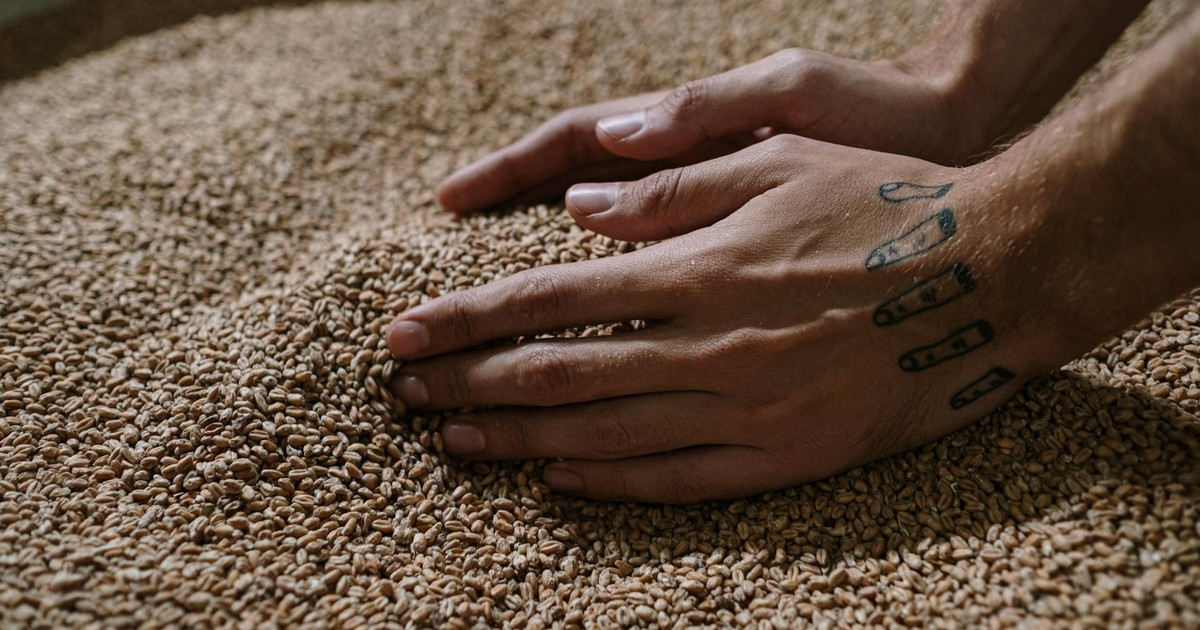
Barley is second only to oats in beta-glucan content, and it’s considerably underused. A meta-analysis of randomized controlled trials found that barley consumption lowered total cholesterol by 0.30 mmol/L and LDL cholesterol by 0.27 mmol/L. Those reductions are clinically meaningful and comparable to the effects seen with oats in many controlled trials.
The cholesterol-lowering effects are proposed to be mediated by the gel-forming properties of beta-glucan, which modulates host bile acid and cholesterol metabolism and potentially removes intestinal cholesterol for excretion. Put simply: when beta-glucan dissolves in water in the gut, it becomes sticky, and that stickiness physically pulls cholesterol and bile acids out of circulation. The liver then has to draw down its own cholesterol reserves to make more bile, which lowers the amount circulating in your blood.
Like oats, barley qualifies for the FDA’s heart disease health claim when consumed at 3 or more grams of beta-glucan daily. Pearl barley works well as a rice substitute in soups and grain bowls. Hulled barley, the less processed version, retains more of its outer bran and delivers a slightly higher fiber content per serving.
3. Brown Rice
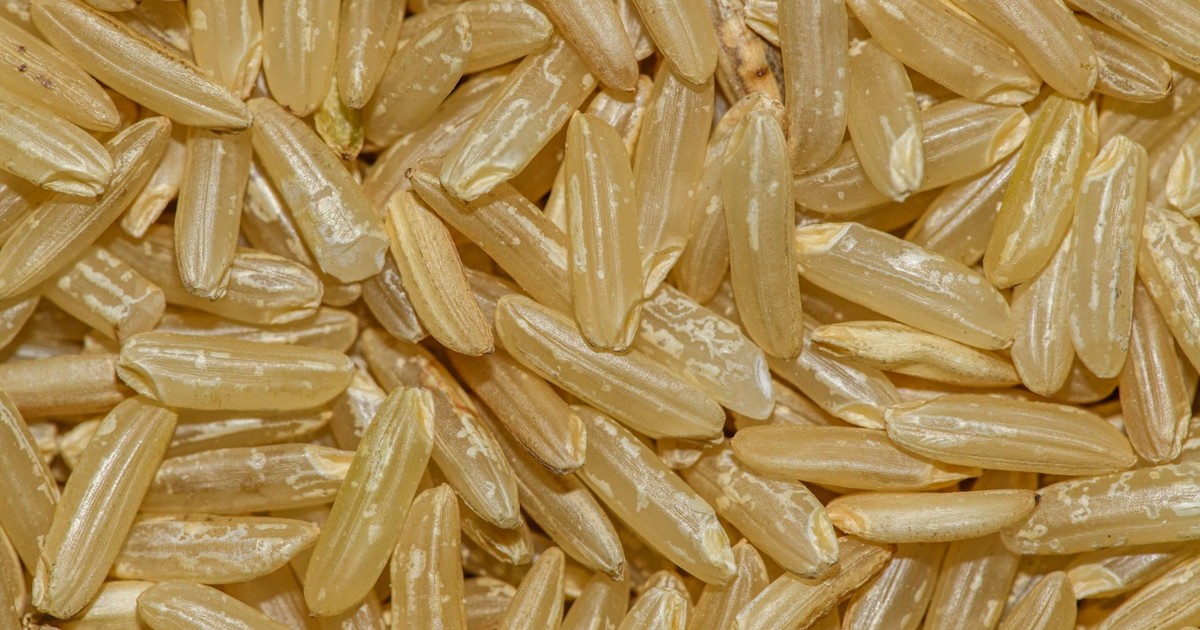
The same large prospective study that tracked whole grain food intake in US men and women found a hazard ratio of 0.79 for coronary heart disease among regular brown rice eaters – meaning about a 21% lower risk compared to those who rarely eat it. That association held up even after researchers adjusted for other lifestyle factors.
Brown rice works differently from oats and barley. It contains less beta-glucan but delivers meaningful amounts of insoluble fiber, antioxidants, and magnesium. A single cup of cooked brown rice provides approximately 3.5 grams of dietary fiber, contributing to the total daily fiber intake that supports cholesterol management. It also retains its bran layer, which is stripped away in white rice processing – and with it go many of the grain’s protective compounds.
The practical swap is straightforward: replace white rice with brown in stir-fries, grain bowls, or as a side dish. It takes about 10 more minutes to cook but delivers substantially more cardiovascular benefit. For anyone eating rice daily, this single substitution could have a measurable impact on long-term cholesterol levels.
4. Quinoa
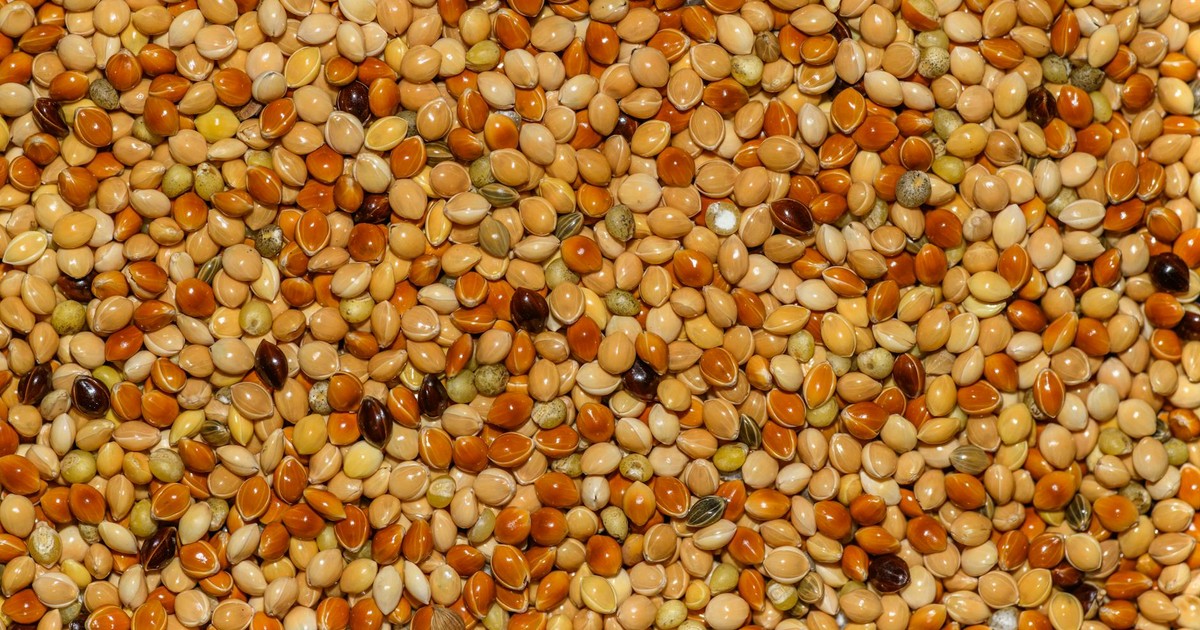
Technically a seed classified as a grain, quinoa has earned its place on this list through a distinct mechanism. Quinoa is rich in polyphenols and flavonoids – plant compounds that help decrease blood lipids and reduce cardiovascular disease risk. These compounds work partly by reducing oxidative stress (cellular damage from unstable molecules called free radicals) that accelerates LDL oxidation, the process that makes LDL cholesterol particularly dangerous to arteries.
Quinoa is also a solid source of plant-based protein and fiber, and it’s high in magnesium and potassium, two minerals important for regulating blood pressure. That combination makes it useful for people managing both cholesterol and blood pressure simultaneously, which is common in the 40-and-over population.
Quinoa is also one of the few plant foods that provides all nine essential amino acids, making it especially valuable for people reducing animal protein in their diet. Cook it like rice, use it as a base for grain salads, or mix it into soups. It absorbs flavor well and pairs easily with vegetables, legumes, and herbs.
5. Farro
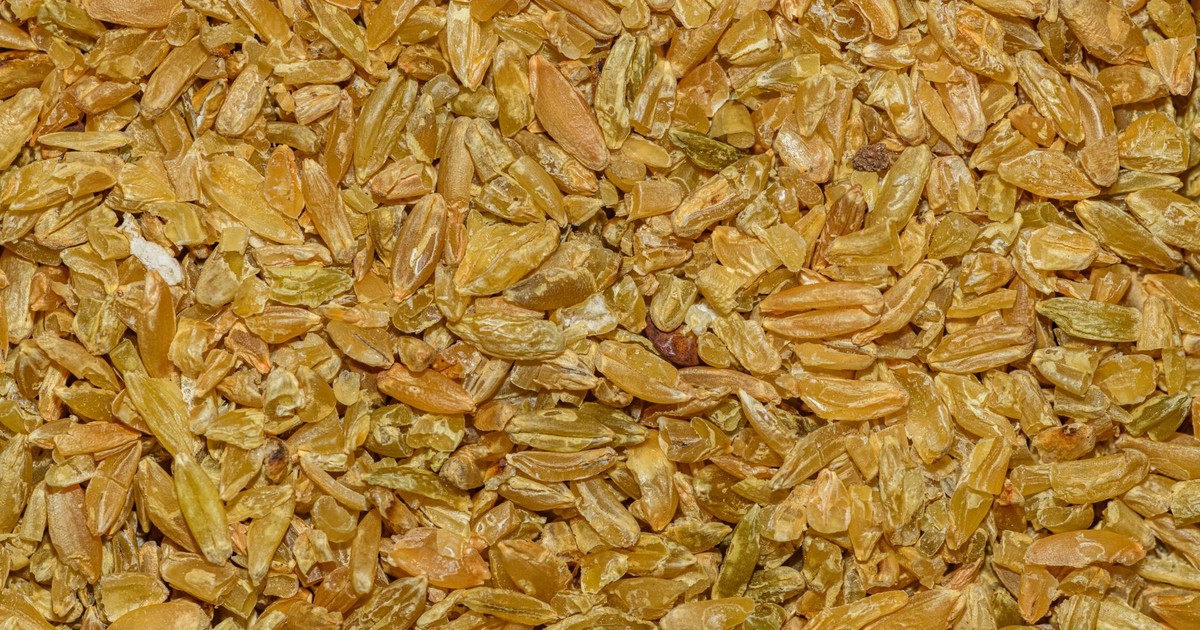
Farro is an ancient form of wheat that most people outside the Mediterranean still haven’t tried – but the nutritional profile makes a case for changing that. Farro is high in fiber, protein, and other nutrients, containing more fiber than other popular grains like rice and quinoa.
Farro’s cholesterol benefits come partly from its fiber content and partly from its magnesium levels. Healthy magnesium levels are associated with improved cholesterol levels and lower cardiovascular disease risk. Magnesium plays a role in regulating enzymes involved in lipid metabolism, and most adults in the US don’t get enough of it from their diet.
Farro has a chewy, nutty texture that holds up well in warm salads, soups, and grain bowls. It’s sold as whole farro (the most nutritious form), semi-pearled, or pearled. Whole farro takes longer to cook but retains the most fiber and nutrients. If you’re used to eating refined grains, farro’s density and chew can take some getting used to, but it’s one of the more satisfying grain swaps available. For more on how fiber-rich foods support heart health, the evidence is consistent across multiple dietary patterns.
6. Millet
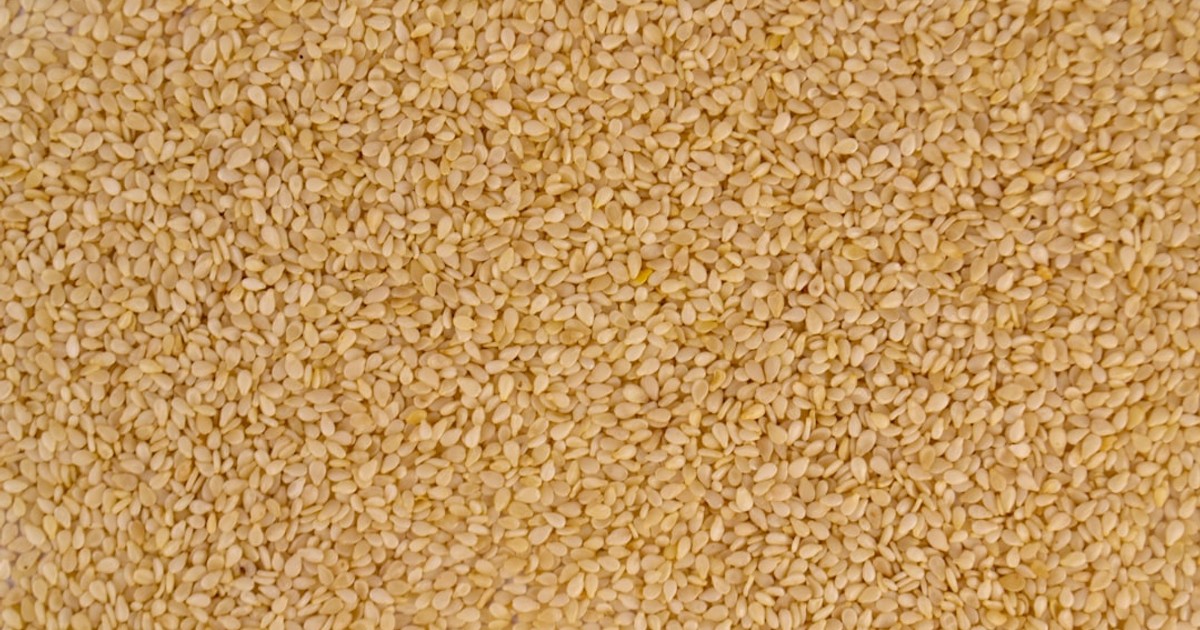
Millet is a staple across sub-Saharan Africa and South Asia but remains an afterthought in Western diets, despite solid evidence for its cholesterol-lowering effects. A systematic review and meta-analysis drawing on 19 studies found that millet-inclusive diets reduced total cholesterol by approximately 8%, LDL cholesterol by 10%, and triglycerides by 9.5% – with effects seen in interventions as short as 21 days.
Those reductions are comparable to what you’d see from dietary interventions studied in clinical trials. Millet is also gluten-free, which makes it accessible to people with celiac disease or gluten sensitivity who want to improve their whole grains cholesterol profile without wheat-based options.
Millet is very mild in flavor and cooks in about 20 minutes. It works as a breakfast porridge, a side dish similar to couscous, or a base for vegetable-heavy grain bowls. The grain is also affordable and widely available in health food stores and international grocery sections.
7. Bulgur

Bulgur is durum wheat that’s been partially cooked, dried, and cracked – a form of minimal processing that preserves most of the grain’s nutrition. Bulgur wheat’s health benefits come mainly from its high-fiber content as a whole grain. Fiber-rich bulgur wheat is beneficial for heart health because it helps lower inflammation and can correct high cholesterol levels.
Studies show that consuming high-fiber foods like bulgur can significantly reduce the risk of cardiovascular disease. Its fiber content also slows glucose absorption after meals, which helps prevent the blood sugar spikes that can indirectly drive higher triglyceride levels over time. Bulgur has one of the lowest glycemic indexes (a measure of how quickly a food raises blood sugar) among common grains.
The practical advantage of bulgur is speed. It requires minimal cooking – many preparations involve just soaking in hot water for 20 to 30 minutes. It’s the main ingredient in tabbouleh and works well as a pilaf or a stuffing base. If you’re looking for a whole grain you can prepare on a weeknight without much effort, bulgur is among the most convenient options on this list.
8. Sorghum

Sorghum is the fifth most produced grain in the world, yet it rarely appears on plates in North America and Europe. A gluten-free grain, sorghum is rich in antioxidants, nutrients, protein, and fiber, and it’s naturally cholesterol-free and low in fat.
Researchers at the University of Nebraska’s Department of Nutrition and Health Sciences published a study in the Journal of Nutrition finding that the lipid extract from grain sorghum significantly reduced non-HDL cholesterol (the “bad” type) in animal studies. In hamsters fed sorghum lipids over four weeks, reductions ranged from 18% at the lowest dose to 69% at the highest, while HDL (“good”) cholesterol was unaffected. Human trials are still limited, but the mechanistic evidence and the grain’s overall nutritional composition support its inclusion in a heart-healthy diet.
Sorghum also contains niacin (vitamin B3), which supports lower cholesterol and healthy blood pressure. It can be cooked like rice, popped like popcorn, or ground into flour for gluten-free baking. Dark-colored varieties carry the highest antioxidant load, so look for red or black sorghum when available.
9. Freekeh
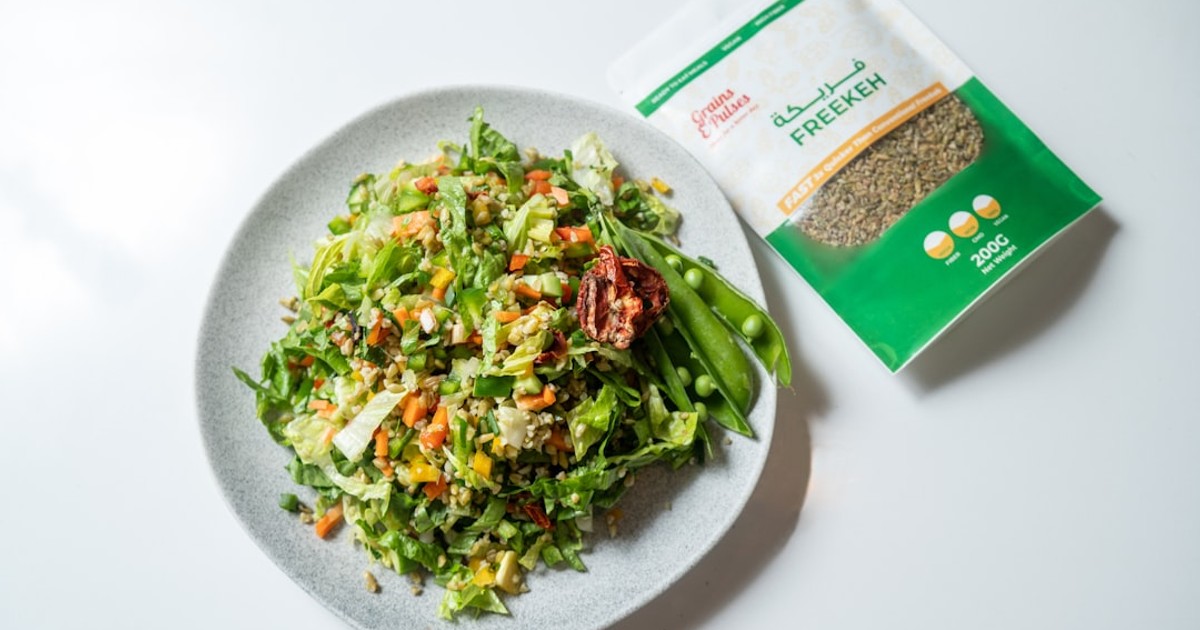
Freekeh is green durum wheat that’s harvested young and roasted over an open fire – a traditional process that gives it a distinctive smoky flavor. Freekeh contains a high proportion of dietary fiber, ranging from 12% to 19% of its total composition, along with protein at 11% to 15%.
Freekeh is rich in fructans, a type of soluble dietary fiber. As a prebiotic, fructans promote the growth of beneficial gut bacteria, and they support cholesterol reduction by binding to bile acids – the same mechanism that makes oat beta-glucan effective. Freekeh’s low glycemic index and high fiber content make it particularly relevant in the context of non-communicable disease prevention, with researchers increasingly examining its role in cardiometabolic health.
Freekeh also delivers meaningful amounts of potassium (369 to 451 mg per 100g), magnesium (160 to 202 mg per 100g), and B vitamins, along with antioxidant compounds including ferulic acid, lutein, and zeaxanthin. It cooks in about 20 to 25 minutes and works well in grain salads, stuffed vegetables, or as a bed for roasted proteins. People with IBS (irritable bowel syndrome) should approach freekeh with some caution, as high fructan foods can trigger bloating in sensitive individuals.
What This Means for Your Plate
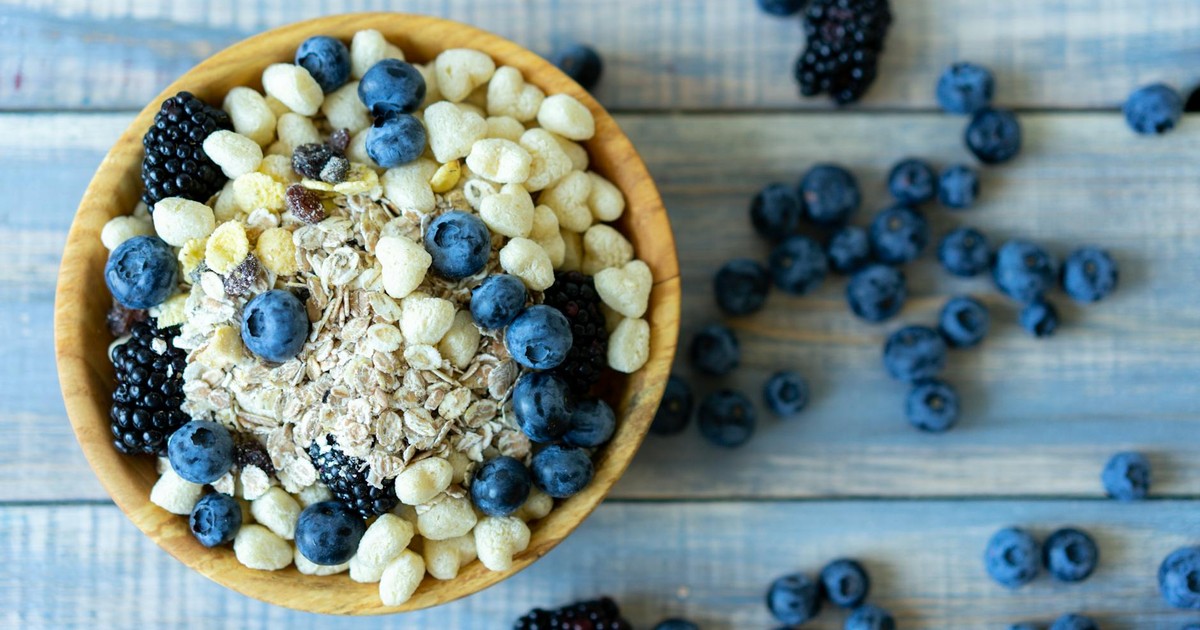
The case for using whole grains for cholesterol management doesn’t rest on any single food. The 2016 BMJ meta-analysis found that consumption of whole-grain diets lowers LDL cholesterol and total cholesterol compared to refined grain control diets – a finding that held across 45 studies and more than 700,000 participants. Daily consumption of three portions of whole-grain foods can significantly reduce cardiovascular disease risk in middle-aged people. Three portions are achievable without a dietary overhaul: a bowl of oatmeal at breakfast, a bulgur or farro salad at lunch, and brown rice or millet at dinner get you there.
The most efficient approach is to focus on variety rather than perfection. Each grain on this list brings a different fiber type, antioxidant profile, or mineral content to the table. Oats and barley deliver the best-studied beta-glucan effects. Quinoa and sorghum add polyphenols and gluten-free options. Farro, freekeh, and bulgur contribute high-fiber wheat alternatives with distinct textures that make dietary change more sustainable. The American Heart Association recommends choosing foods made mostly with whole grains rather than refined grains as a central pillar of heart-healthy eating. With nine proven options to rotate through, there’s no shortage of ways to put that guidance into practice.
Disclaimer: The author is not a licensed medical professional. The information provided is for general informational and educational purposes only and is based on research from publicly available, reputable sources. It is not intended to constitute, and should not be relied upon as, medical advice, diagnosis, or treatment. Always consult a licensed physician or other qualified healthcare provider regarding any medical condition, symptoms, or medications. Do not disregard, avoid, or delay seeking professional medical advice or treatment because of information contained herein.
AI Disclaimer: This article was created with the assistance of AI tools and reviewed by a human editor.
Read More: These 9 Foods Could Be Quietly Wrecking Your Cholesterol Levels