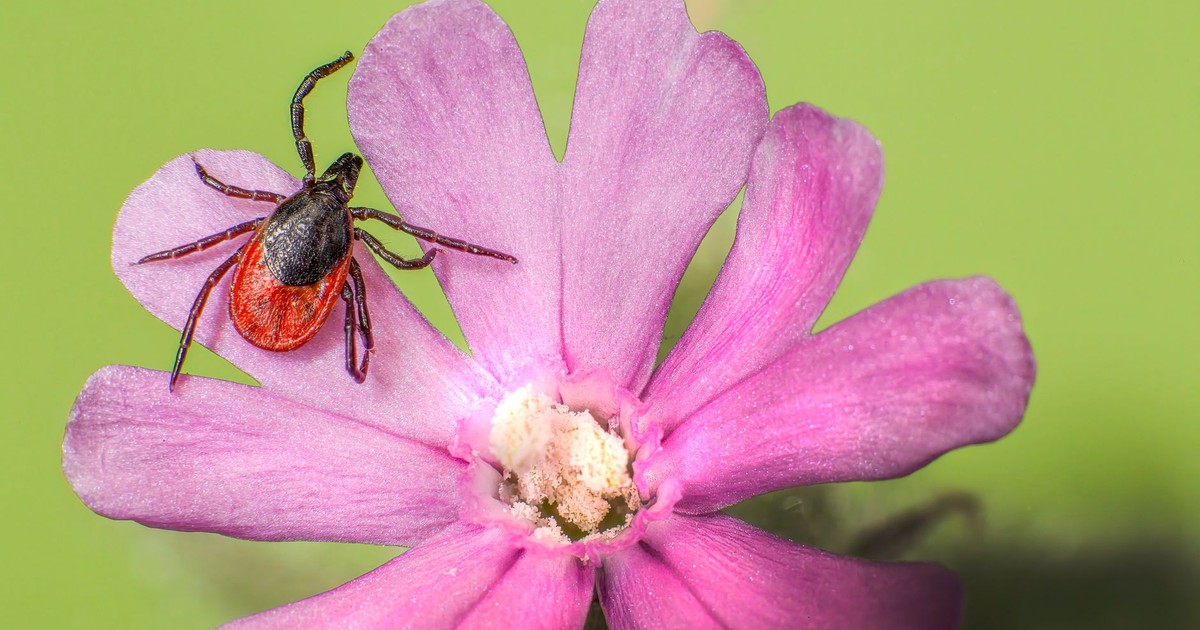

Tick-borne diseases are on the rise, and the way ticks find their hosts reveals something useful about where to fight them. Ticks don’t see well. They navigate almost entirely by scent, detecting carbon dioxide, body heat, and the chemical signatures animals emit as they move. Disrupt those chemical cues at the yard’s edge – where ticks are most concentrated – and you change the odds of an encounter before it ever starts.
Wormwood, for instance, contains absinthin, a bitter compound that’s unappealing to both ticks and their common hosts, like deer and mice. That’s one plant doing double duty: deterring the tick directly and reducing the wildlife that ferries it to your lawn. The same logic applies across more than a dozen aromatic plants, each of which interferes with tick behavior through a different chemical mechanism. Chrysanthemums contain pyrethrin, a natural insecticide that repels ticks. Thyme oil, according to a 2024 study published in the journal Frontiers in Pharmacology, showed 100% repellency of Lone Star ticks within 15 minutes, roughly twice as effective as DEET in that trial. These aren’t folk remedies – they’re plants whose chemistry has been studied in laboratory and field conditions.
The scale of the tick problem makes those findings worth taking seriously. Incorporating tick-repelling plants into your garden can help you enjoy the outdoors with greater peace of mind. Some plants are effective at repelling not just ticks but also the animals that commonly carry them, such as mice and deer – and by making your yard less attractive to these tick hosts, you can significantly reduce the tick population in your outdoor spaces. One landscape detail ties everything together: according to data from the Farmers’ Almanac, roughly 82% of ticks on a lawn sit within 9 feet of the perimeter – which means a strategic border of the right plants is exactly where defensive planting pays off most.
1. Rosemary

Rosemary (Salvia rosmarinus) is a versatile herb whose strong, aromatic oils help repel ticks, and deer and other tick-carrying animals also tend to avoid it due to its potent scent. The chemistry behind this is more specific than most people realize. According to House Digest, rosemary contains three molecules – cineole, camphor, and borneol – that can drive ticks away as efficiently as DEET. That’s a meaningful benchmark: DEET is the synthetic compound most EPA-registered tick repellents rely on.
Rosemary thrives in full sun and well-drained soil and handles dry spells better than most herbs. It does best in full sun and well-drained soil, needs only sparse watering, and benefits from regular pruning to maintain shape and promote new growth. Plant it along sunny borders, near patios, or around the yard’s perimeter where tick activity is highest. For a practical boost, brushing your hands across the leaves before outdoor time releases the essential oils directly, adding a small measure of personal protection alongside the garden-wide effect.
2. Lavender
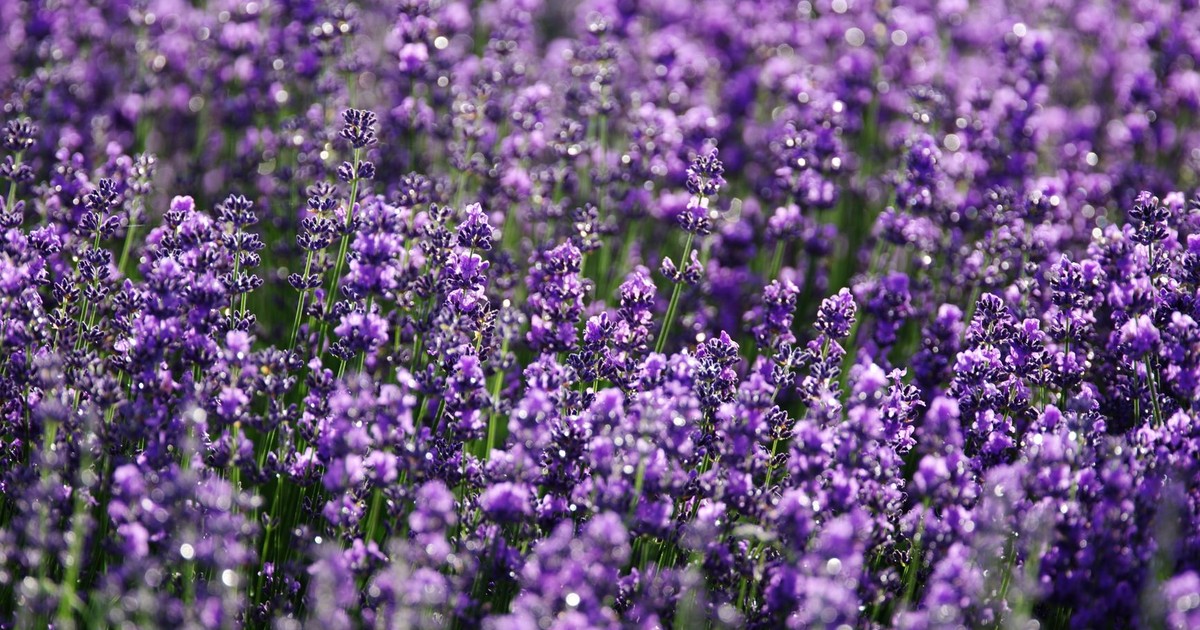
Lavender isn’t just prized for its soothing scent and lovely blooms – it’s also an effective tick repellent. The essential oil in lavender contains linalool, a natural compound that interferes with a tick’s nervous system, disrupting their ability to locate hosts. According to Gardening Know How, lavender’s concentration of linalool and eucalyptol makes it particularly offensive to tick sensory organs.
Lavender needs full sun and well-drained, slightly sandy soil. Once established, it’s drought-tolerant and rarely affected by pests or disease, and it attracts beneficial pollinators like bees and butterflies, adding ecological value to your garden. Lavender can be toxic to pets if ingested in large amounts, so plant it in areas away from where your animals typically roam. Trimming the flowers regularly keeps the plant producing fresh blooms and maintains the highest concentration of active oils in the air around it.
3. Thyme

Thyme may be the most potent tick deterrent on this list when measured against a direct comparison. The 2024 study in Frontiers in Pharmacology found that thyme oil achieved 100% repellency of Lone Star ticks within 15 minutes and was approximately twofold more effective than DEET in those test conditions. That’s an unusually strong performance for a plant-derived compound. The caveat: while incorporating tick-repelling plants is a powerful strategy, tick prevention works best when approached holistically, including regular yard maintenance, using personal repellents when going into tick-heavy areas, and conducting tick checks after outdoor activities.
Plant thyme in low borders, between stepping stones, or along the edges of garden paths where foot traffic crushes the leaves and releases the volatile oils. It’s a sun-lover that tolerates poor, dry soil well – a combination that suits the hot, exposed spots where tick-deterring perimeter planting works best. Creeping thyme varieties make particularly effective ground cover for those transition zones where lawn meets wood or brush. For personal use, thyme’s oil is sold as an essential oil; apply it diluted in a carrier oil, not directly to skin.
4. Chrysanthemums
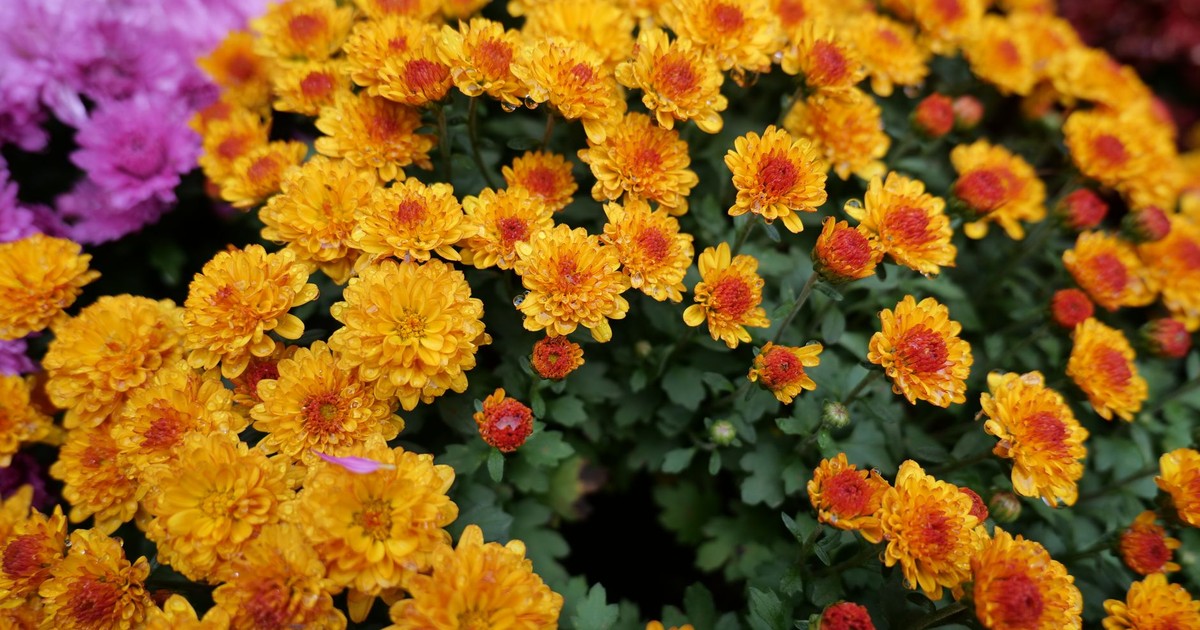
Chrysanthemums release a potent smell that repels ticks and other pests, thanks to their flowers containing pyrethrum – an insecticidal compound that acts as an effective repellent. They’re easy to find at local garden centers and can be placed around your yard, on your patio, or porch area. Pyrethrin (the natural form of pyrethrum) is the active ingredient in many commercial insecticides, making chrysanthemums the garden equivalent of a ready-made pest deterrent. Chrysanthemums can also be used to repel ants, spiders, fleas, and even bed bugs, among many other pests.
These blooms are known to be toxic to both cats and dogs, so keep pets away where possible. Plant them in full sun in well-drained soil and deadhead spent blooms regularly to extend the flowering season. A row along the yard’s boundary creates both visual interest and a functional chemical barrier during the late summer and fall months when adult ticks are most active. The dried flowers can also be used to make a simple spray by steeping them in boiling water, straining, and applying the cooled liquid around outdoor seating areas.
5. Garlic
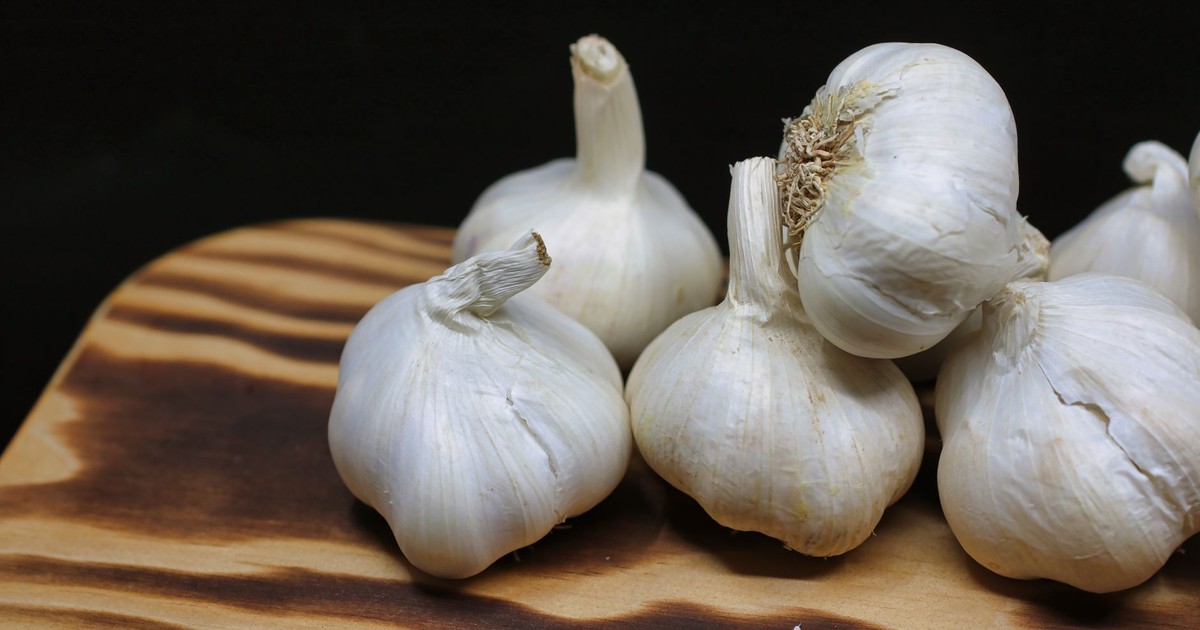
Planting garlic around garden borders can help keep ticks at bay. The sulfur compounds in garlic are released into the soil and air, which may repel many pests, including ticks. Garlic works on two levels as a yard plant: the volatile sulfur compounds it releases while growing deter ticks in the immediate area, and the broader sulfurous scent profile it contributes to a mixed herb border adds to the sensory disruption ticks experience when trying to navigate toward a host.
According to Gardening Know How, the strong sulfur compounds in garlic repel ticks and many other pests. Garlic is also the most kitchen-useful plant on this list, which makes planting it near the garden’s edge genuinely low-effort – you’ll harvest it anyway. Plant it in fall for a summer harvest and leave a few bulbs to overwinter in the ground near your yard’s perimeter, where their chemical presence continues doing quiet deterrent work underground.
6. Lemongrass

Lemongrass (Cymbopogon citratus) is used as a non-toxic insect repellent, and its tick-deterring action comes from citronella oil, the same compound found in the familiar citronella candles sold for outdoor use. Lemongrass contains citronella oil, which is a well-known insect repellent, and planting it can help keep ticks at bay while also contributing culinary and aromatic value to the garden.
It is a tender perennial (USDA zones 10-11) often grown in containers and overwintered indoors, forming a 3-to-6 foot tall and 3-foot-wide clump that adds a lemony fragrance to your garden. In cooler climates, grow it in large pots that can be brought inside before the first frost. Position those containers near outdoor seating, doorways, and any spots where foot traffic brings people close to lawn edges – exactly where ticks are most likely to be waiting.
7. Catnip
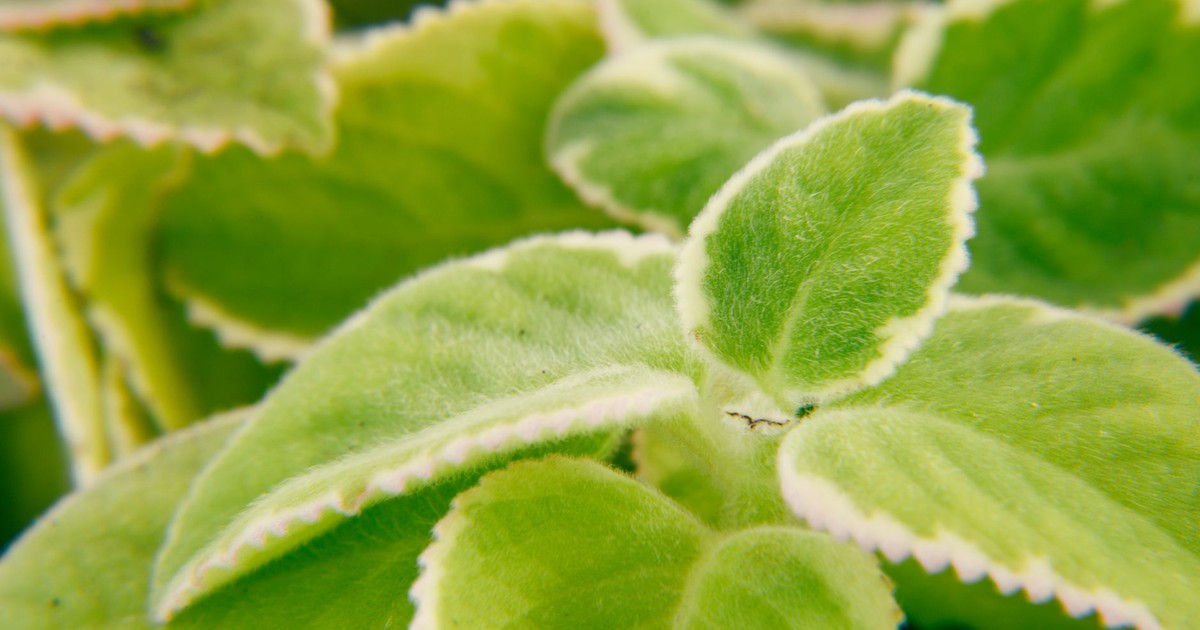
Catnip (Nepeta cataria) can help repel ticks. This member of the mint family contains nepetalactone, a compound that is a highly effective natural insect repellent, and planting it around your yard creates an inhospitable environment for ticks and many other pests. Research published by the American Chemical Society, as noted by ScienceDaily, found that nepetalactone can outperform DEET as an insect repellent in laboratory settings. More recent research, including a 2022 study in the Ticks and Tick-Borne Diseases journal, evaluated catnip extracts specifically against Ixodes scapularis (blacklegged ticks) – the primary Lyme disease vector – with results showing meaningful repellent activity.
Catnip creates an inhospitable environment for ticks and many other pests, though you should be aware it may also attract neighborhood cats. Grow it in containers or in clearly defined garden beds to prevent it from spreading aggressively. It produces attractive blue-purple flower spikes from spring through fall, making it one of the more ornamentally useful plants on this list alongside its pest deterrent role.
8. Eastern Red Cedar
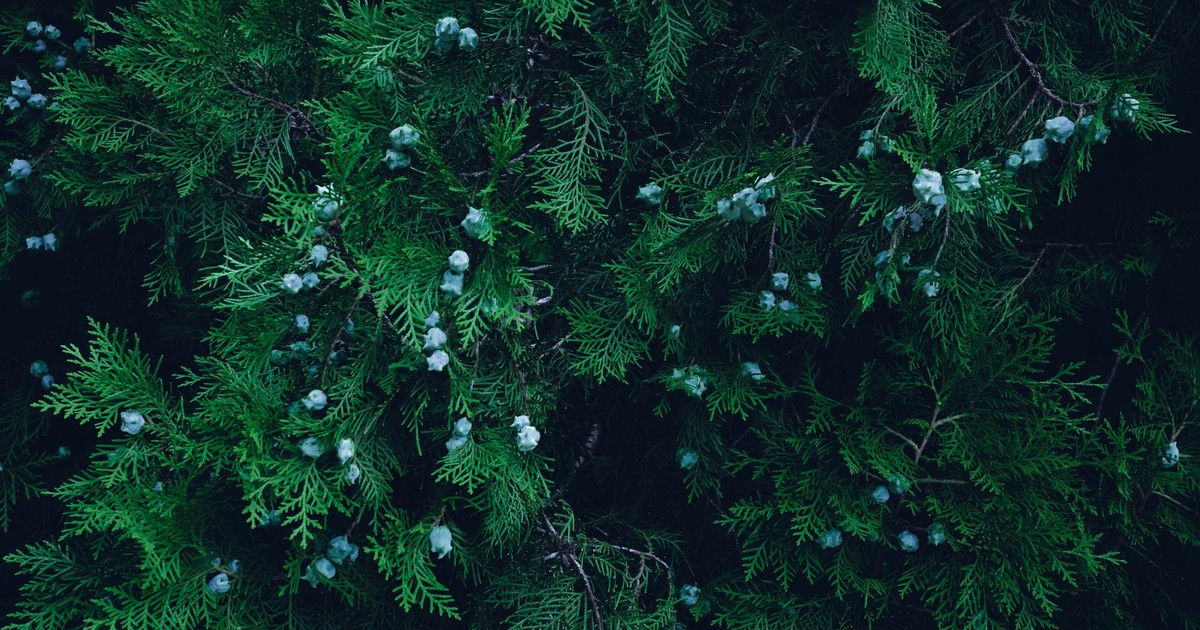
Cedarwood oil is among the most studied natural tick repellents. According to the USDA, cedarwood repelled 94% of tick nymphs within the first 30 minutes of exposure, dropping to 80% after one hour. Nymphal ticks are the life stage of greatest concern: with warmer weather, it’s prime tick season, and ticks easily attach themselves to humans and pets. The University of Wisconsin’s tick research program confirms that nymphal blacklegged ticks are most active May through July, the window when cedarwood’s repellent properties matter most.
Eastern Red Cedar (Juniperus virginiana) is the native North American species whose heartwood is richest in cedrol and other sesquiterpene compounds responsible for the oil’s tick-repelling activity. Plant it as a hedge or windbreak along the property boundary, particularly facing wooded areas or neighboring brush. As a bonus, it’s drought-resistant, provides wildlife habitat for beneficial birds, and its aromatic wood chips can be spread directly in garden beds as a secondary tick deterrent – a two-for-one that earns its place in any tick-defensive yard plan.
9. Mint
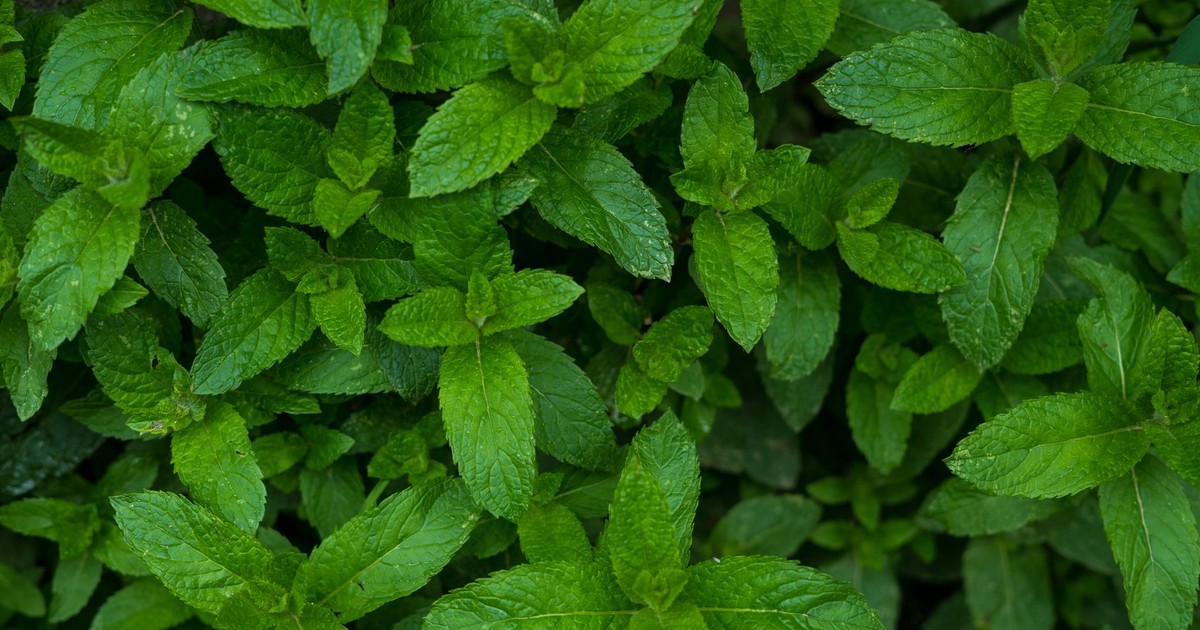
Mint is known for its invasiveness, but its strong scent is highly effective at repelling ticks. Planting mint in containers keeps it contained while preserving its tick-repelling properties. Peppermint (Mentha x piperita) is particularly potent among the mint family, with menthol and menthone acting as the primary bioactive compounds that overwhelm a tick’s olfactory system. Place containers near outdoor seating areas, doorways, and along the edges of decks or patios.
Growing mint in containers is essentially mandatory unless you want it to take over your entire garden within a season. The trade-off is that container-grown mint may need more frequent watering in hot weather and won’t spread its scent as broadly as in-ground planting would. For maximum deterrence, crush a few leaves before sitting outside – this releases the oils directly and adds a modest personal-use benefit alongside the passive perimeter effect of the container plants.
10. Wormwood
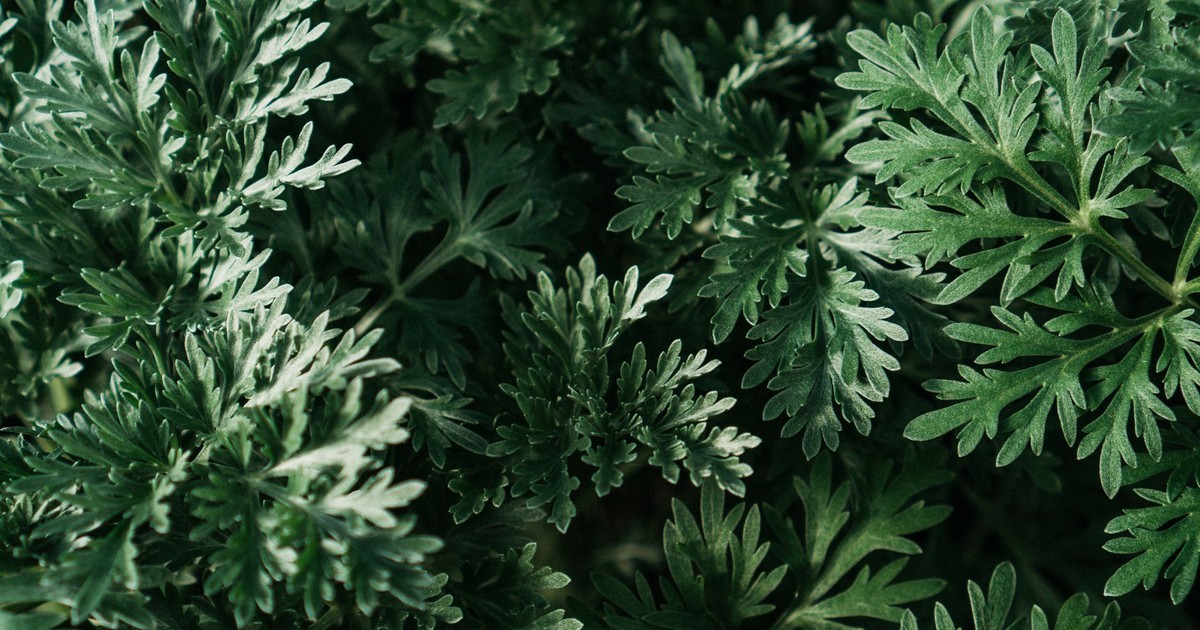
Wormwood has a mystique thanks to its historical use in absinthe, but it’s also a serious pest deterrent. It produces absinthin, a bitter compound that repels ticks and deters the animals that carry them, like deer and mice – making it a strong choice for the outer perimeters of a yard. That dual function is what makes wormwood particularly valuable in areas where deer pressure is high, since deer are one of the primary long-range carriers of adult blacklegged ticks.
Wormwood is incredibly drought-tolerant and thrives in poor, rocky soil. Its silvery foliage adds a soft texture and color contrast to green-heavy garden layouts, and it prefers full sun but can tolerate partial shade. Wormwood is toxic if ingested in large amounts, and its oils can irritate the skin, so avoid planting it in spaces where children or pets play. Regular pruning prevents it from self-seeding and spreading beyond its intended boundary.
11. Geraniums

By incorporating tick-repelling plants like geraniums into your garden, you can take meaningful steps toward protecting yourself and your family from tick-borne illnesses. Specifically, according to the Global Lyme Alliance, geraniums contain geraniol, a compound that has been studied for tick-repellent activity. Geraniol is also used in several commercial plant-based insect repellent formulations, which gives the garden plant a verified active ingredient rather than purely anecdotal support.
Scented geraniums (Pelargonium species) are the most useful variety for this purpose, particularly rose-scented or citrus-scented types. These differ from ornamental geraniums in the density of their aromatic oils. Plant them in full sun in well-drained soil and deadhead regularly to maximize both bloom production and oil release. In colder climates, scented geraniums can be brought indoors as container plants over winter and returned to the garden after the last frost, giving you a year-over-year tick deterrent without replanting from seed each season.
12. Basil

Basil is an aromatic herb that helps repel ticks. Compounds like eugenol and linalool, found in many basil varieties, are known for their ability to drive away ticks and other insects by disrupting a tick’s ability to detect its prey and masking the chemical signals humans and animals naturally emit.
Basil thrives in rich, well-drained soil with full sun and consistent watering. Unlike some of the more aggressive herbs, basil is easy to keep under control, and it grows fast, giving you plenty of fresh leaves throughout the season. Plant it near frequently used areas, including doorways, patios, and garden seating zones – the spots where you most want tick pressure reduced. Thai basil and holy basil varieties tend to have higher eugenol concentrations than standard sweet basil, making them marginally more potent as deterrents if you’re planting specifically for pest control rather than culinary use.
13. Sage
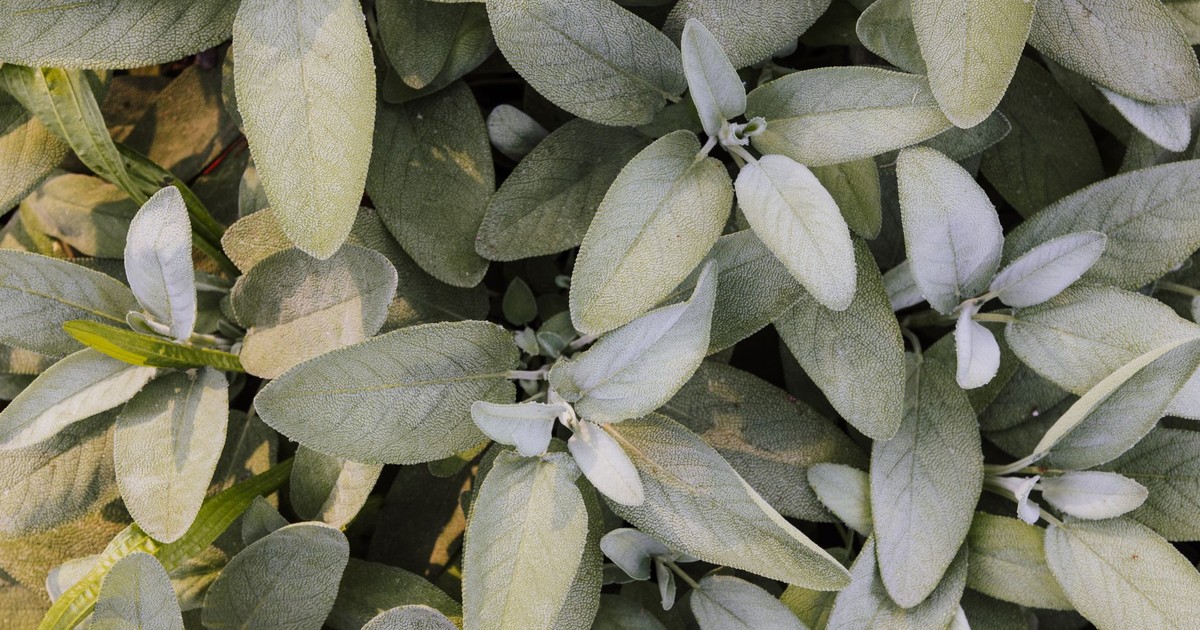
Naturalist Geoff Rapp, a wildflower expert, cites sage among the plants that repel ticks when added to a garden border. Sage (Salvia officinalis) belongs to the same family as rosemary and shares some of its chemical profile, including cineole and camphor – the same compounds that make rosemary effective against ticks. Common garden sage, Clary sage, and white sage all produce strong aromatic oils, though common garden sage is the easiest to grow in most North American climates.
Sage thrives in full sun and tolerates drought once established. Like rosemary, it prefers well-drained, even somewhat poor soil and tends to struggle in wet conditions. Plant it alongside rosemary in a mixed border for a complementary aromatic combination that creates a more complex scent barrier than either plant alone. Sage’s broad, soft leaves also make it easy to brush against as you pass by, releasing a fresh burst of oil at exactly the moments you most need repellent coverage.
14. Bee Balm
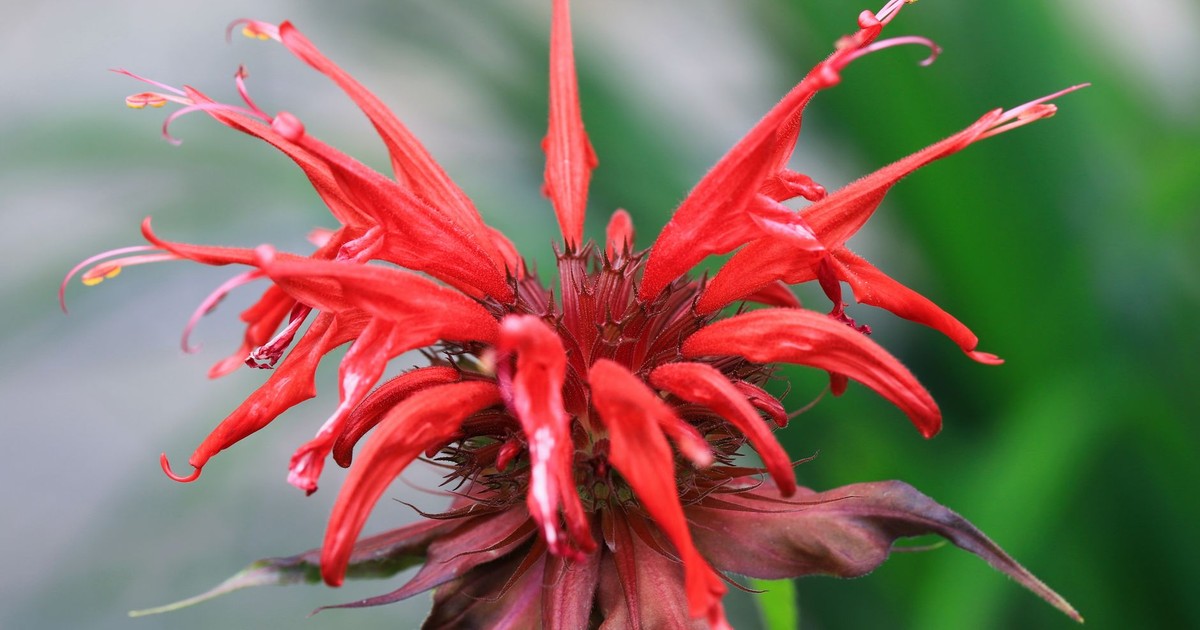
Bee balm (Monarda) is a native and pollinator-supportive option that helps deter ticks. It contains thymol, a natural insect repellent. Thymol is the same compound that gives thyme its tick-repellent properties – bee balm delivers it in a native perennial package that also feeds hummingbirds, bumblebees, and butterflies from midsummer through early fall. That’s a meaningful ecological bonus in a list where most entries are Mediterranean imports.
Bee balm grows in full sun to partial shade and thrives in moist, organically rich soil – conditions that differ from most other plants on this list and open up garden zones that wouldn’t suit lavender or rosemary. Plant it in patches near the yard’s edge where it can spread naturally, since it forms dense colonies over time that collectively release more thymol into the surrounding air. Divide clumps every few years to prevent the center from dying out and to keep plants vigorous and blooming.
15. Lemon Balm
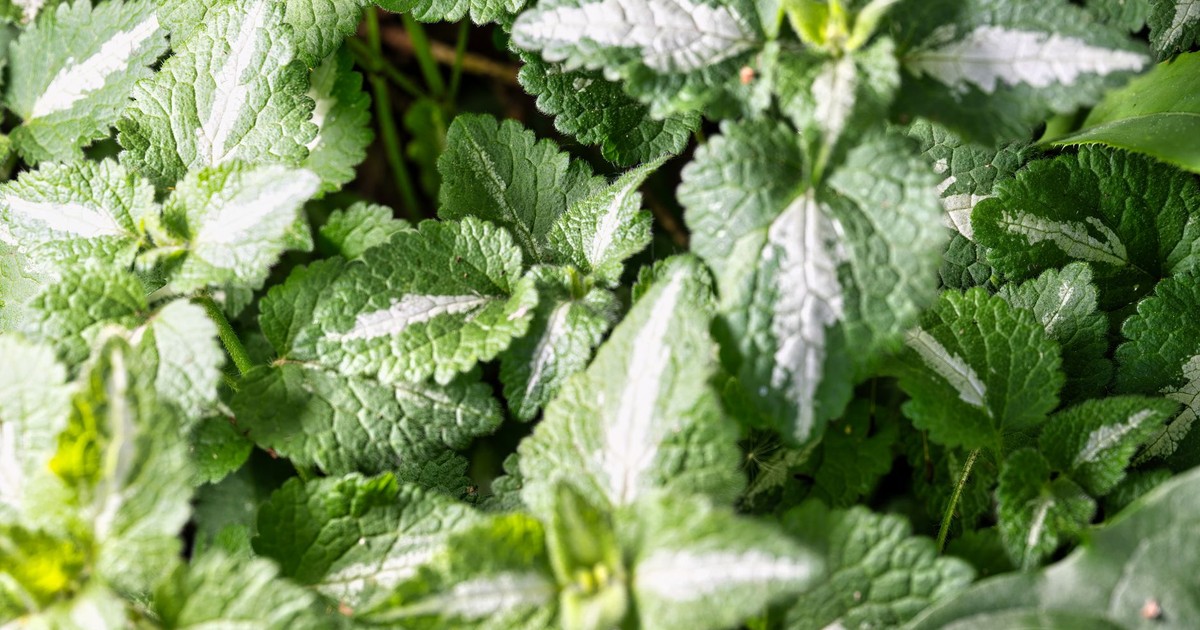
Lemon balm is a suitable tick-repellent plant because of its citrusy fragrance, and it can be planted in pots around doors and outdoor tables to keep ticks at bay. Although sometimes confused with catnip and mint, lemon balm is a great and easy-growing plant whose scents ticks find unfavorable. Its active compounds include citronellal and geranial – closely related to the citronella family of repellents – which explains its effectiveness in deterring both ticks and mosquitoes.
Like mint, lemon balm is a vigorous grower best contained in pots outdoors, where it won’t take over garden beds. It’s more shade-tolerant than most plants on this list, which makes it useful for repellent coverage in spots where lavender and rosemary wouldn’t thrive – near fences, under deck edges, or along shaded pathways. Lemon balm also has a well-documented history of use in calming teas and skin applications, so the leaves you harvest for pest control double as a genuinely useful herbal pantry staple.
16. Marigolds
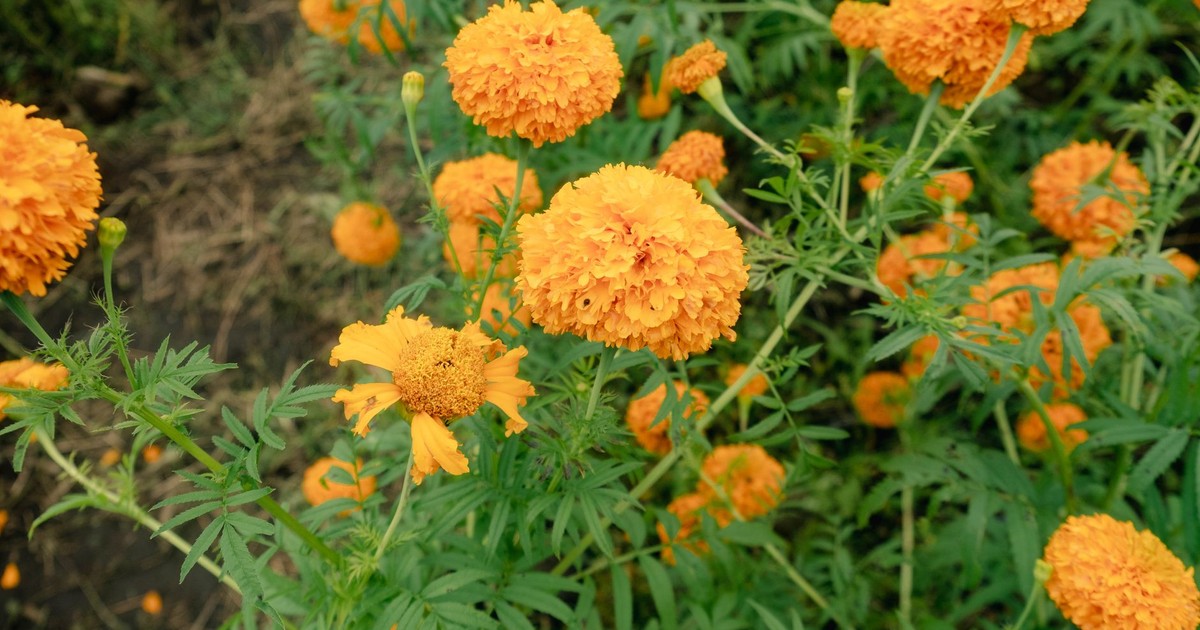
Marigolds are among the plants that naturalists and garden experts consistently cite as tick deterrents, and their active compound is alpha-terthienyl, a thiophene found in Tagetes species (Tagetes patula and Tagetes erecta being the most common). This compound is toxic to various soil-dwelling insects and nematodes and contributes a sharp, resinous scent that ticks find repellent. Marigolds are also among the most widely available annual plants at any garden center in spring, making them an accessible first addition to a tick-deterrent planting scheme.
Marigolds do especially well in containers, are easy to grow, and clip-away of spent flowers encourages more blooms all the way through fall. Plant them in dense borders around the yard’s perimeter, around vegetable beds, or in containers near seating areas. A row of French marigolds (Tagetes patula) along a lawn’s edge where it meets taller vegetation addresses precisely the concentration zone where the Farmers’ Almanac reports roughly 82% of ticks on a typical lawn are found – within 9 feet of the perimeter.
Read More: How to Safely Remove and Dispose of Tick Eggs and Nests from Your Home and Yard
What This Means for Your Yard
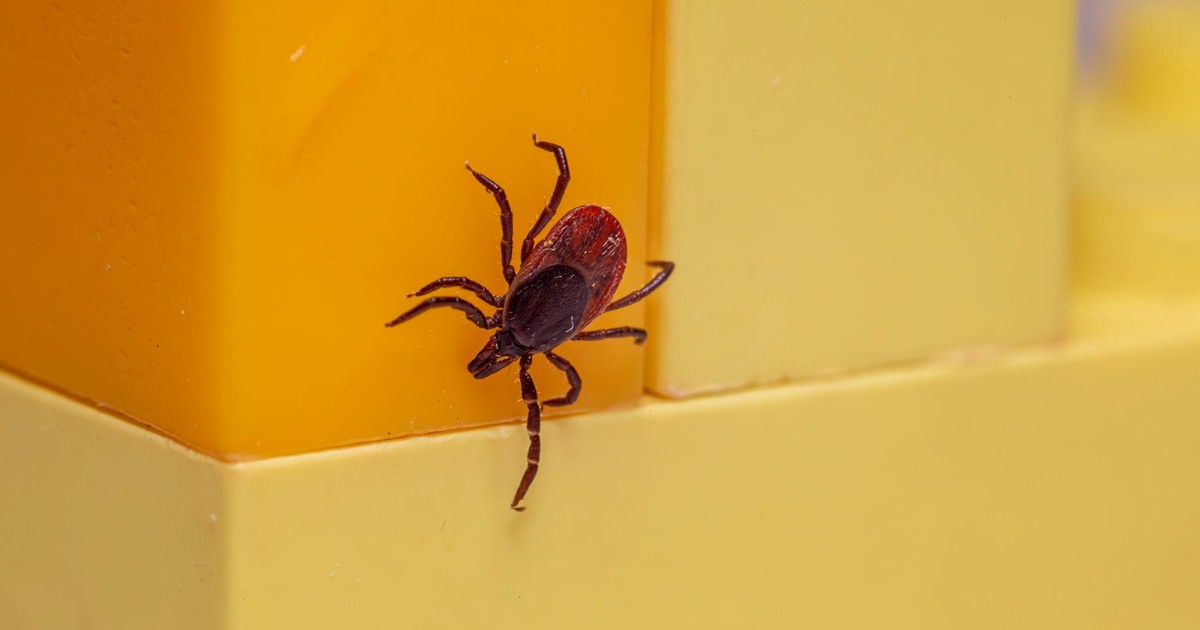
Plants alone won’t eliminate ticks entirely, and setting expectations correctly matters for actually using this information. While these plants can reduce tick presence, they won’t eliminate ticks entirely. Pair your planting with good landscape management: keep walking paths clear of high vegetation, allocate leaves to a designated composting space, and create dry borders with gravel or woodchips to discourage tick habitat. The CDC recommends placing a 3-foot-wide barrier of wood chips or gravel between lawns and wooded areas, and removing leaf litter and clearing tall grasses as foundational steps in reducing blacklegged tick populations around homes. Those physical measures, combined with strategic planting, create overlapping layers of deterrence that no single approach achieves alone.
The chemistry of these plants is also time-limited as personal protection. According to SingleCare, natural plant-based repellents have a short duration of effectiveness – typically less than two hours – which is why the CDC still recommends EPA-registered repellents containing DEET, picaridin, OLE, or PMD for direct personal protection when entering tick-heavy environments. The plants on this list do their best work as passive perimeter deterrents, not as a substitute for repellent on skin and clothing. Used together – aromatic borders, physical landscape barriers, and personal repellent during outdoor activity – they represent a genuinely layered, practical approach to reducing tick encounters without relying on synthetic pesticides alone.
Disclaimer: This information is not intended to be a substitute for professional medical advice, diagnosis, or treatment and is for information only. Always seek the advice of your physician or another qualified health provider with any questions about your medical condition and/or current medication. Do not disregard professional medical advice or delay seeking advice or treatment because of something you have read here.
AI Disclaimer: This article was created with the assistance of AI tools and reviewed by a human editor.
Read More: 10+ Areas On Your Body Ticks Love To Bite