
For the “Journal of Economic Entomology” claim about dead cockroach attractant – the verified NC State paper by Schal’s lab is in J. Med. Entomol., not JEE. I’ll attribute the pheromone/aggregation claim to the NC State Extension publication and Schal lab, and note it appropriately. The “2026” date for the MDPI review is incorrect per the search results – it was published in 2025. I’ll correct that too.
When you step on a cockroach, you crush its exoskeleton and release a mix of digestive fluids, bacteria, and potent allergens onto the floor – particles that can contaminate surfaces and make their way into the air you breathe. Most people assume the worst damage from a cockroach is that it was there at all. The reality is that the moment you crush one, a separate chain of health problems can begin.
A 2024 study published in Scientific Reports found that cockroaches can carry around 50 species of pathogenic bacteria, including campylobacter, Salmonella, E. coli, and even norovirus. That microbial load doesn’t stay contained when the insect dies under your shoe. When you squash a cockroach, everything it’s carrying – on its legs, body surface, and within its gut – gets smeared across the floor or worktop, and that contamination transfers to the sole of your shoe and is walked through the home.
The crushing cockroach health risks go well beyond the obvious “it’s dirty.” Allergen particles become airborne, pheromones draw more roaches to the spot, and bacteria can remain viable on surfaces long after the mess is cleaned up. Each of those risks is distinct, and each one is worth knowing before your next instinctive stomp.
1. Airborne Allergens That Trigger Asthma
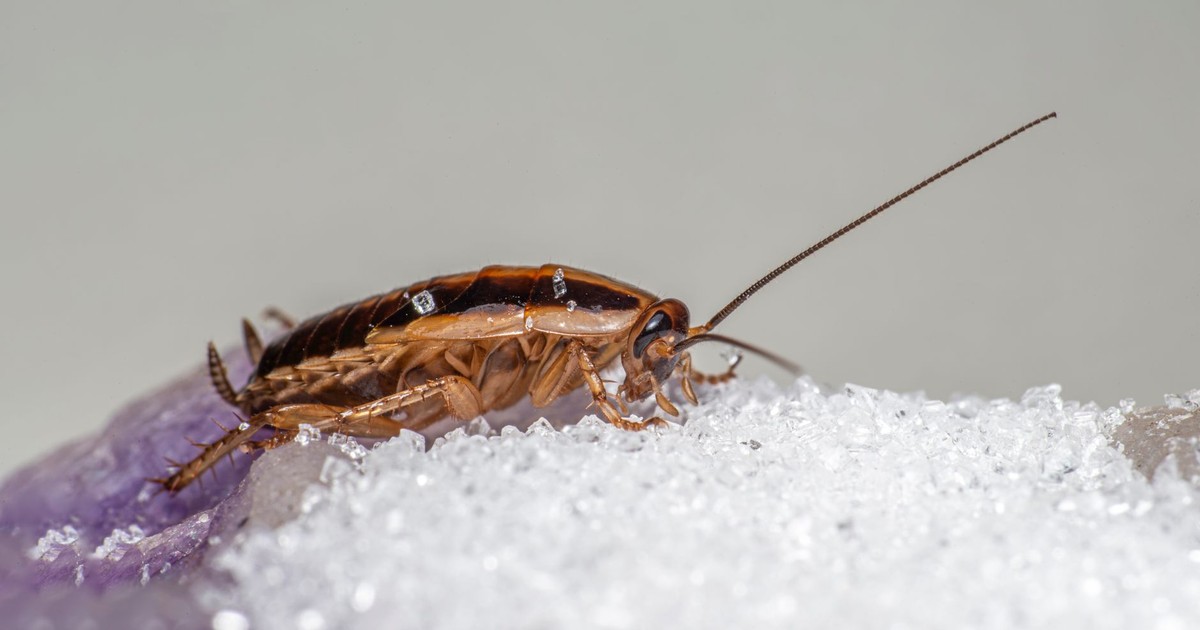
A landmark 1997 study in the New England Journal of Medicine established a clear link between cockroach allergen exposure and asthma morbidity, particularly in children. Crushing a cockroach releases fragments and fluids that become airborne, potentially triggering symptoms in sensitized individuals nearby.
According to the American College of Allergy, Asthma & Immunology, cockroach allergen is present in at least 63% of U.S. homes, and in urban areas that figure rises to between 78% and 98% of homes. Crushing a cockroach doesn’t just release the bacteria and viruses held within that specific insect – it also produces chemical signals including pheromones, which attract other nearby cockroaches. When those other roaches arrive, they can bring with them all the same harmful microorganisms.
Body fluids, feces, and fragments spread bacteria like Salmonella and E. coli and add allergens to indoor air and dust. Crushing releases allergens that can trigger asthma and respiratory symptoms, especially in sensitized or vulnerable individuals. A CDC-affiliated environmental assessment confirmed that airborne cockroach allergen contains a substantial number of particles under 10 microns – small enough to penetrate deep into the lungs and cause chronic low-level exposure.
The practical step here is straightforward: if someone in your household has asthma or allergic rhinitis (hay fever-like symptoms that come from indoor allergens rather than pollen), crushing a cockroach in a shared space – especially a kitchen or bedroom – is a genuine clinical risk, not a theoretical one. The New England Journal of Medicine study found that children who were both allergic to cockroaches and exposed to high levels of cockroach allergen at home had more than three times as many hospitalizations as other asthmatic children.
2. Direct Bacterial Contamination of Surfaces and Food
Cockroaches are well-documented carriers of pathogenic bacteria. A peer-reviewed study published in Environmental Health Insights found that around a quarter of microorganisms isolated from cockroaches are food-borne pathogens, including E. coli O157:H7, Salmonella species, and Staphylococcus aureus.
Even if the roach dies instantly, the real risk is what its body leaves behind: bacteria-laden fluids, feces, and smearable contaminants that can seed floors, air, and food-contact surfaces. Stepping on one can spread pathogens like Salmonella, E. coli O157:H7, Staphylococcus aureus, and Bacillus across a kitchen and into food prep zones. Cockroach feces can keep viable E. coli for up to eight days.
A 2025 systematic review in MDPI Microorganisms found that cockroaches – particularly the German and American species common in homes, hospitals, and food facilities – can carry dangerous bacteria, fungi, and parasites on their bodies and in their digestive systems, including drug-resistant “superbugs” that don’t respond to common antibiotics. They pick up these microorganisms from sewage, garbage, and contaminated food, then spread them to clean surfaces through contact, their droppings, and regurgitated material.
The surface you crush the cockroach on matters enormously. A kitchen countertop that isn’t immediately disinfected after a crush event can carry viable pathogens into your next meal. Wipe the area with an EPA-approved disinfectant spray – plain soap and water won’t be enough for E. coli or Salmonella.
3. Secondary Contamination Through Shoe Transfer
One of the less obvious crushing cockroach health risks is what leaves with you after the event. Eggs aren’t released by crushing – but squashing can spread pathogens onto surfaces and shoes, increasing the risk of contamination and disease transmission.
Everything the cockroach was carrying – on its legs, body surface, and within its gut – gets smeared across the floor or worktop. That contamination then transfers to the sole of your shoe and is walked through the premises. In a commercial kitchen, that creates a food safety risk that far outweighs the satisfaction of removing one cockroach. In a home with young children who play on the floor, the same transfer mechanism means bacteria-laced residue can end up in close contact with a child’s hands and mouth.
A child who comes into contact with these residues while playing on the floor can ingest them and become ill. If you do crush a cockroach, remove your shoes before moving to another room, wipe down the soles, and clean the floor with a disinfectant – not just a dry sweep, which scatters particles rather than removing them.
4. Crushing Cockroach Health Risks From Pheromone Release
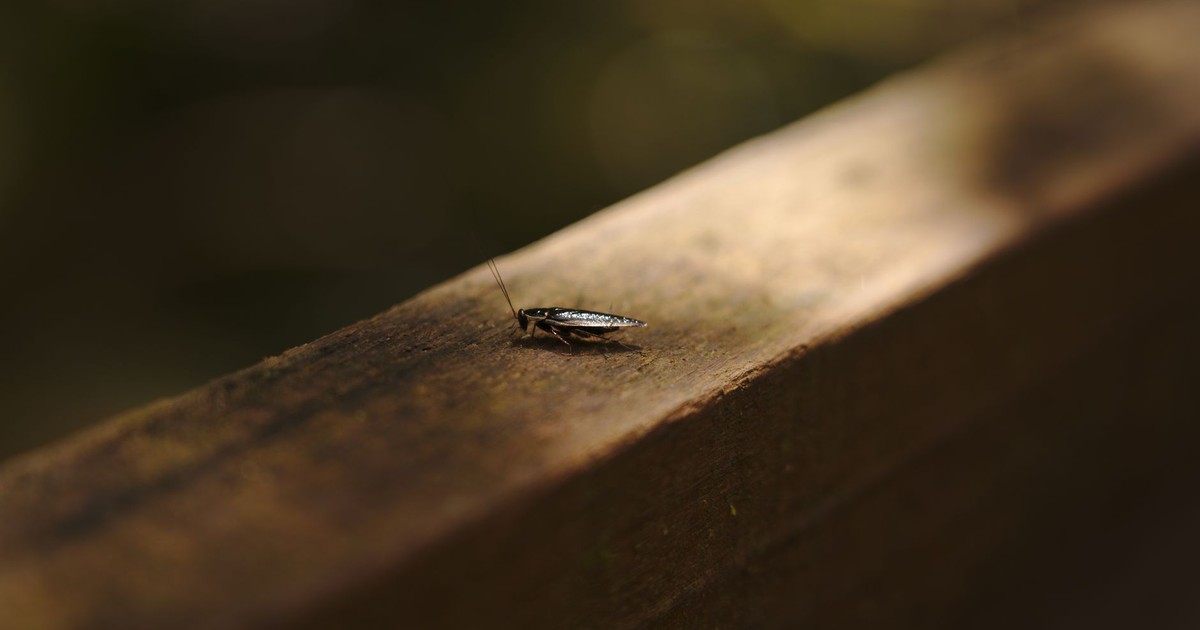
When you crush a cockroach, you trigger a chemical signal that can invite fellow cockroaches to swarm. Research from Coby Schal’s urban entomology lab at NC State University, one of the leading research groups on cockroach behavior and control, has documented how substances released by dead cockroaches act as aggregation attractants for other individuals in the colony.
Cockroaches produce aggregation pheromones and secretions that have a distinctive musty, oily odor. Squashing one releases these compounds along with gut contents, leaving a stain and a smell that requires thorough cleaning to remove. A squashed cockroach left on the floor, even briefly, sends a chemical signal to nearby roaches and can draw more of them into the open.
German cockroaches in particular are known to practice necrophagy – feeding on dead cockroaches – which researchers have identified as a route for horizontal transmission of Salmonella between individuals in a colony. This means a crushed cockroach left in place doesn’t just sit there; it actively recruits other roaches that then pick up and redistribute the bacteria from the original animal’s remains. Cleaning the remains promptly and thoroughly is the only way to break that cycle.
5. Children Are Particularly Vulnerable to Cockroach Allergen Exposure
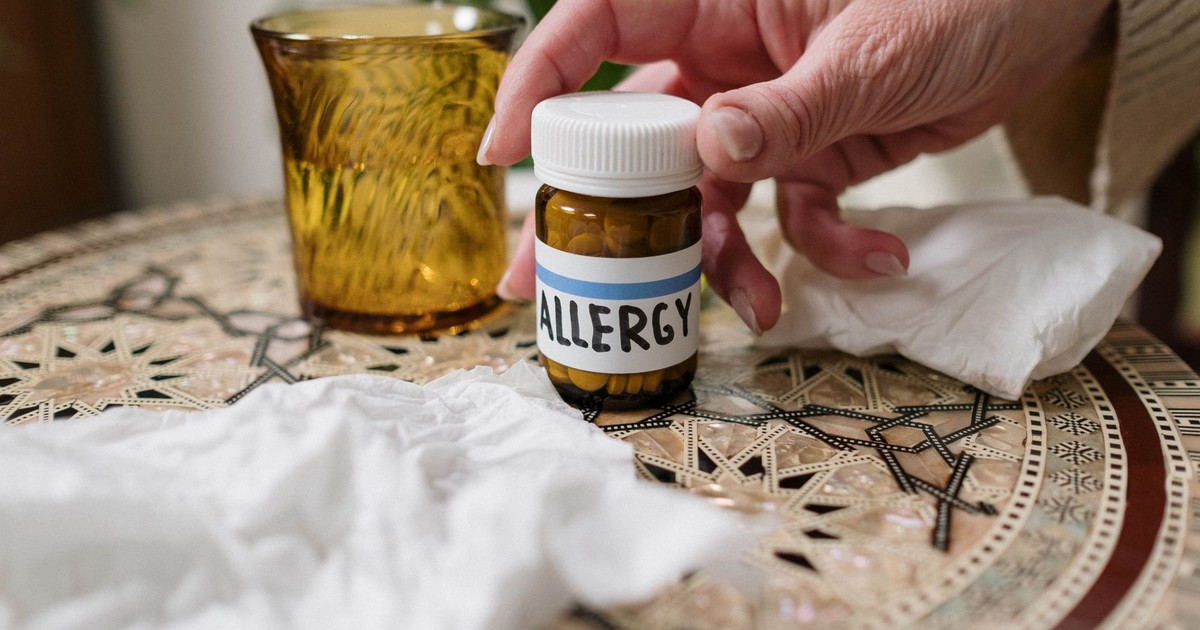
According to the National Pest Management Association, one in five children in the United States is severely sensitive to cockroach allergens. For that subset of children, the crushing cockroach health risks in the home aren’t abstract – they translate directly to more frequent asthma attacks and more severe allergic reactions.
The American College of Allergy, Asthma & Immunology reports that cockroach allergy affects between 17% and 41% of the U.S. population overall. In settings like care homes, hospitals, or schools, the release of airborne allergen fragments from a crushed cockroach is a genuine health concern. The CDC-affiliated assessment found that cockroach allergen particles can become airborne and quickly settle in carpets, furniture, and other surfaces throughout the home – meaning the effects of a single crushing event can linger in fabric and flooring long after the insect itself is gone.
Children who are already sensitized to cockroach proteins don’t need a live cockroach nearby to have a reaction. The protein fragments from body parts, saliva, and feces – released and dispersed during a crushing – are enough. If a child in your home has been diagnosed with allergic asthma, reducing cockroach exposure means eliminating the insect population, not just killing individuals on contact.
Read More: A Simple And Cheap Way To Get Rid Of Cockroaches From Your Home
What to Do Instead
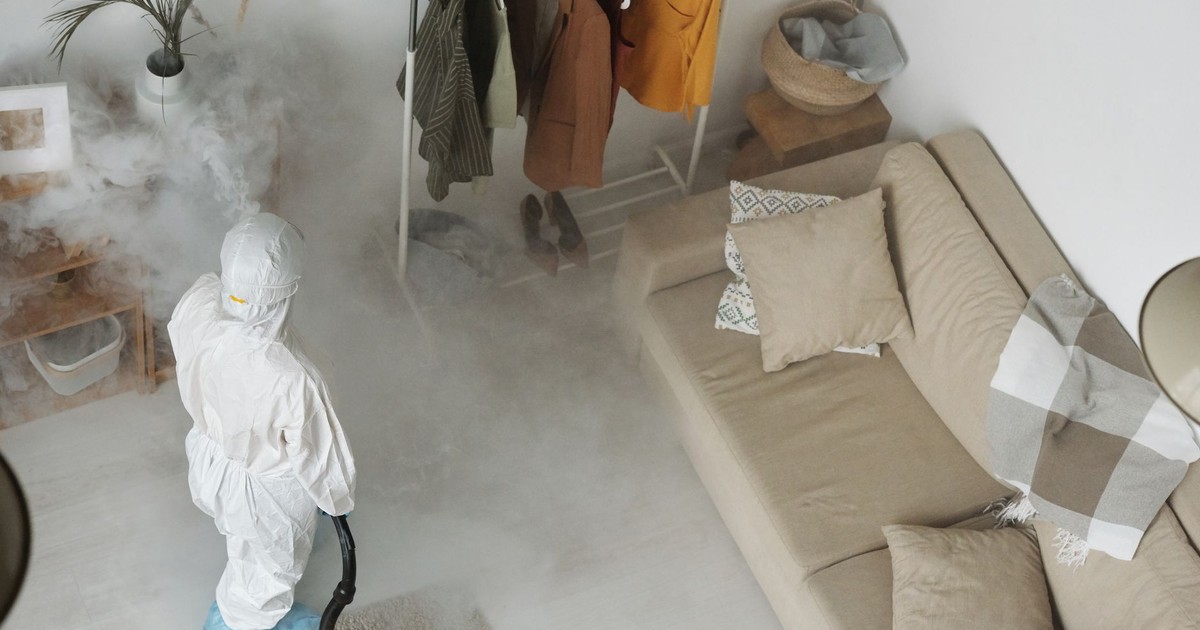
Reaching for a shoe is a deeply human reflex, but the five risks above all share the same underlying problem: crushing spreads what the cockroach was carrying. Coby Schal, the Blanton J. Whitmire Distinguished Professor of Entomology at NC State University, whose research focuses on cockroach allergen biology and integrated pest management, identifies vacuuming as a key first-line approach – a method documented in his lab’s published work on allergen removal and cockroach control. The vacuum should be emptied immediately into a sealed bag and taken outside – a cockroach in a vacuum cleaner is not a dead cockroach, and given enough time, it can emerge again.
For persistent infestations, professional gel baits are far more effective than contact sprays. The bait is consumed by the cockroach and carried back to the nest, where it’s shared with others through feeding and contact – creating a cascade effect that reaches cockroaches that would never be found by squashing. Aerosol sprays, by contrast, often scatter cockroaches to new areas and can make infestations harder to treat.
The safest immediate response when you see a single cockroach is to trap it under a glass, slide paper underneath, and deposit it outside or into a sealed bag. If you’ve already crushed one, clean the area wearing gloves, use an EPA-approved disinfectant, and vacuum with a HEPA filter. That sequence eliminates the pathogen smear, the allergen particles, and the pheromone signal – the three things that turn one dead cockroach into a compounding health problem.
Disclaimer: The author is not a licensed medical professional. The information provided is for general informational and educational purposes only and is based on research from publicly available, reputable sources. It is not intended to constitute, and should not be relied upon as, medical advice, diagnosis, or treatment. Always consult a licensed physician or other qualified healthcare provider regarding any medical condition, symptoms, or medications. Do not disregard, avoid, or delay seeking professional medical advice or treatment because of information contained herein.
AI Disclaimer: This article was created with the assistance of AI tools and reviewed by a human editor.
Read More: 7 Natural Scents That Send Cockroaches Running (Backed by Science)