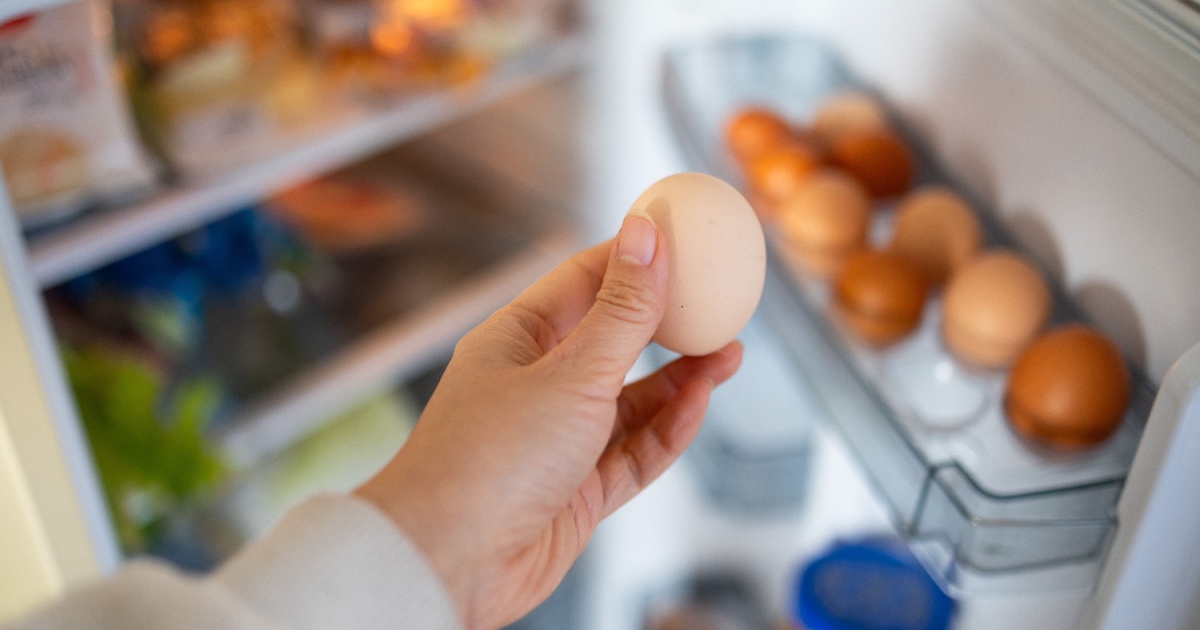

Every carton of eggs sitting in your fridge right now has a sell-by date stamped on it. That date is almost certainly not the date the eggs will go bad. The gap between those two things can be nearly a month, and most people throw out perfectly edible eggs because of it.
Eggs are one of the most misunderstood items in the American kitchen when it comes to storage. Sell-by and use-by dates are for quality, not safety. According to the USDA, eggs in their shells are safe for 3 to 5 weeks in the fridge, and the sell-by date will most likely expire during that window, yet the eggs remain safe to eat.
There’s also a more counterintuitive reality at work here. The reason American eggs need refrigeration in the first place has everything to do with what was removed from the shell before the eggs even reached the store. Understanding that detail changes how you think about every egg-related decision you make, from where you put them in the fridge to what happens when you leave them out on the counter.
Raw Eggs in the Shell: The 3 to 5 Week Window
Raw eggs in the shell last three to five weeks when properly refrigerated, and that shelf life starts from the moment you purchase the eggs, not from the pack date printed on the carton. That’s an important distinction. Eggs are often packed within days of being laid, but they can sit in a warehouse or on a store shelf for weeks before purchase. The clock you care about starts when you get home.
Refrigeration is so effective at controlling bacterial growth that, combined with an egg’s protective shell, refrigerated eggs rarely go bad as long as they’ve been handled and stored properly. Over time, egg quality does decline – the air pocket inside grows larger and the yolk and whites become thinner – but an egg may remain perfectly safe to eat even as it changes texture, and may eventually simply dry up rather than rot.
Under USDA regulations, eggs bearing the USDA shield must be consumed within 45 days of the Julian pack date, that three-digit number on the carton end that represents the day of the year the eggs were packed. Day 001 is January 1, day 365 is December 31. So a carton packed on day 300 (late October) is federally required to be used by day 345 (mid-December). If you’re unsure how old your eggs are, check both dates.
Why American Eggs Must Be Refrigerated
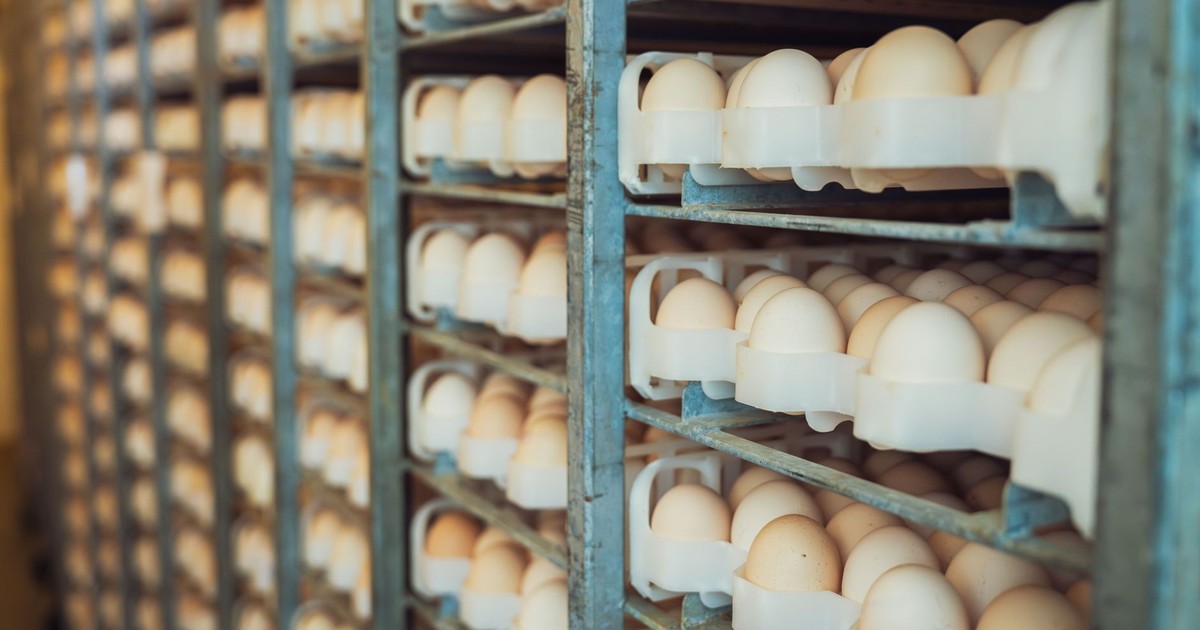
Walk into any grocery store in France, Germany, or the UK and you’ll find eggs sitting on an unrefrigerated shelf. Walk into any American grocery store and they’re always in the cold aisle. The difference isn’t the egg – it’s what happened to it before it got there.
The US Department of Agriculture requires all commercially produced eggs to be washed and refrigerated before they can be sold in grocery stores, an extra step taken to reduce the risk of Salmonella poisoning. The problem is that washing removes something crucial. Part of the reason Europeans keep their eggs out of the fridge has to do with the egg “cuticle,” a thin organic layer on the outer surface that acts as a barrier to prevent harmful microbes from entering the egg. This coating, also called the bloom, gets washed away during the USDA-mandated sanitizing process, leaving the egg clean but more susceptible to bacteria moving through the shell.
A 2022 study published in Frontiers in Immunology found that changes in the cuticle directly affect the food safety of eggs, with research showing that cuticle composition and coverage are correlated with the prevalence of pathogens including Salmonella at the eggshell surface and in internal egg components. Once that barrier is gone, cold temperatures become the primary line of defense. Refrigeration doesn’t just slow spoilage – for a washed American egg, it’s the main thing standing between you and bacterial contamination.
The Right Spot in Your Egg Storage Fridge (It’s Not the Door)
Most refrigerators come with a built-in egg tray on the door. It’s a convenient feature that turns out to be a bad idea. Eggs should be kept inside the fridge at 40°F or colder, and the door is the warmest spot, causing eggs to spoil faster.
Ideally, eggs should be stored in their original carton at the back of the fridge. The carton does two things: it buffers the eggs from temperature swings each time the refrigerator opens, and it prevents them from absorbing odors from other foods. An egg’s shell is porous enough to pick up strong smells from nearby items like onions or leftovers, which affects both flavor and quality. The American Egg Board recommends storing eggs with the pointed end facing downward, a tip that helps keep the yolk centered and the air cell stable as the egg ages.
The temperature requirement isn’t vague. If refrigerated eggs are left out at room temperature, condensation forms on the outside of the shell. That moisture, combined with increased bacterial activity at warmer temperatures, can help transfer bacteria through the shell, which is why the USDA recommends not leaving previously refrigerated eggs out of the fridge for more than two hours. In hot weather, that window shrinks. The two-hour rule drops to one hour if the ambient temperature is 90°F or above.
Hard-Boiled Eggs: A Much Shorter Shelf Life
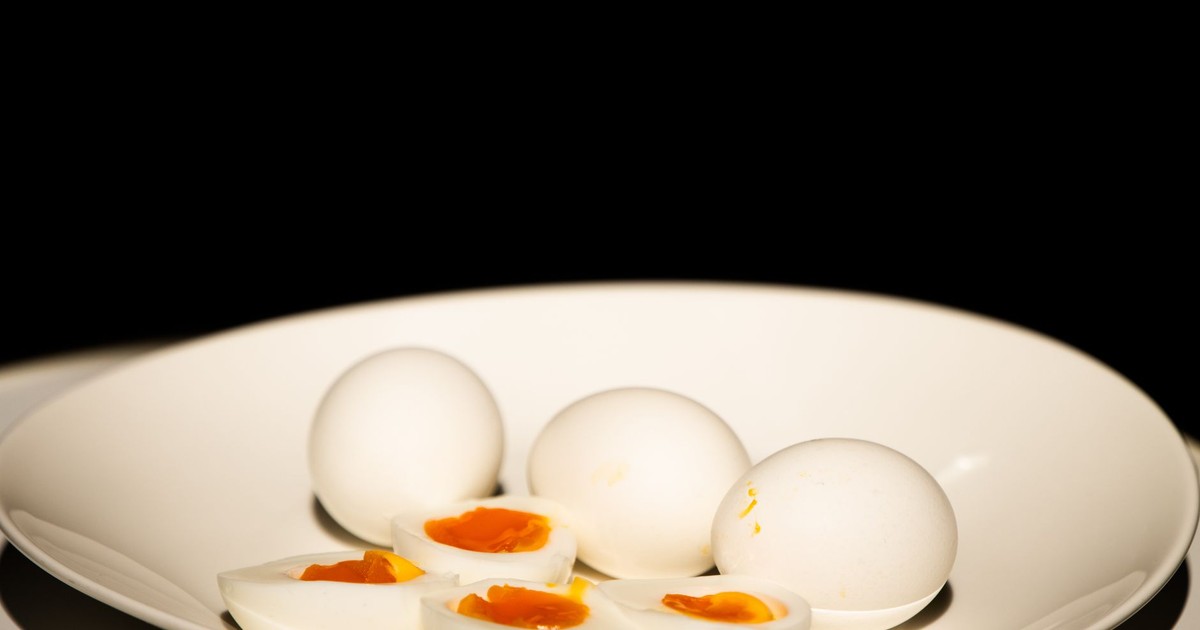
The egg storage fridge timeline changes dramatically once you apply heat. Hard-boiled eggs, whether peeled or unpeeled, last up to one week when refrigerated. That’s a fraction of the raw-egg window, and the reason is structural: cooking destroys the enzymes inside the shell that help inhibit bacterial growth, removing one of the egg’s natural defenses.
Peeling a hard-boiled egg before refrigerating it makes things slightly more vulnerable, since the shell itself provides a physical barrier. If you’re prepping hard-boiled eggs for the week, consider leaving them unpeeled until you’re ready to eat them. Store them in a covered container to prevent them from drying out or picking up refrigerator odors. Whether peeled or unpeeled, the one-week limit stands either way.
If you’re looking for more clarity on which foods have firm expiration boundaries and which ones offer more flexibility, this food expiration guide covers the items where the date actually matters for safety.
Separated Whites, Yolks, and Cooked Egg Dishes

Raw egg whites separated from the yolk last up to four days when kept in a tightly covered container in the refrigerator. Yolks are trickier to freeze. Raw egg whites can be frozen for up to a year, but egg yolks generally don’t freeze well. According to the American Egg Board’s freezing guidance, adding 1/8 teaspoon of salt or 1½ teaspoons of sugar or corn syrup per quarter cup of yolks before freezing prevents them from becoming gelatinous and unusable.
Cooked egg dishes, think frittatas, egg casseroles, scrambled eggs, or quiches, follow a tighter clock than raw eggs. Cooked egg dishes must be refrigerated and used within 3 to 4 days. This aligns with general USDA guidance for cooked leftovers. The same two-hour rule applies: cooked eggs should never sit at room temperature longer than two hours, or one hour when the temperature exceeds 90°F.
Freezing Eggs: Up to One Year, With One Condition

Eggs can last far longer than any refrigerator allows, if you freeze them correctly. With proper storage, eggs can last around one year in the freezer. The catch is that the method matters completely. Eggs should never be frozen in their shells. The liquid inside expands as it freezes, which can crack the shell and expose the contents. For whole raw eggs, beat the yolks and whites together before pouring into a freezer-safe container. Label with the date and use within 12 months.
Freezing is a practical option when you’ve bought more eggs than you’ll use within the five-week refrigerator window. If you’re heading into a week where you know you won’t cook much, cracking and beating six eggs into a freezer bag before you leave takes two minutes and saves you from throwing them out on return.
How to Tell If an Egg Has Gone Bad
The float test is the most widely known method for checking egg age, and it’s often misunderstood. The test involves placing an egg in a cup of water. If it sinks, it’s still good. If it floats, it may be old, but a floating egg isn’t necessarily rotten. As eggs age, air enters through the pores and enlarges the egg’s air cell, making it more buoyant. Floating indicates age, not automatic spoilage.
The more reliable check is smell. An egg that’s gone bad will give off an unmistakable odor, whether raw or cooked – a distinct sulfur smell produced by bacterial decomposition inside the shell. If an egg passes the float test but smells off after cracking, discard it. Visual checks matter too: look for a pink, iridescent, or discolored white, or a yolk that breaks apart unusually easily. Cracks in the shell are also a risk. Bacteria can enter through even a hairline fracture, so any cracked egg should be used immediately or discarded.
If there’s any doubt, cook the egg thoroughly. The FDA requires egg farmers to wash, dry, sanitize, and refrigerate eggs before sale specifically to reduce the risk of Salmonella, but this process also removes the egg’s natural protective bloom. Cooking to a fully firm yolk and white eliminates residual bacterial risk regardless of age.
Read More: How Long Can Butter Really Sit Out?
What This Means for You
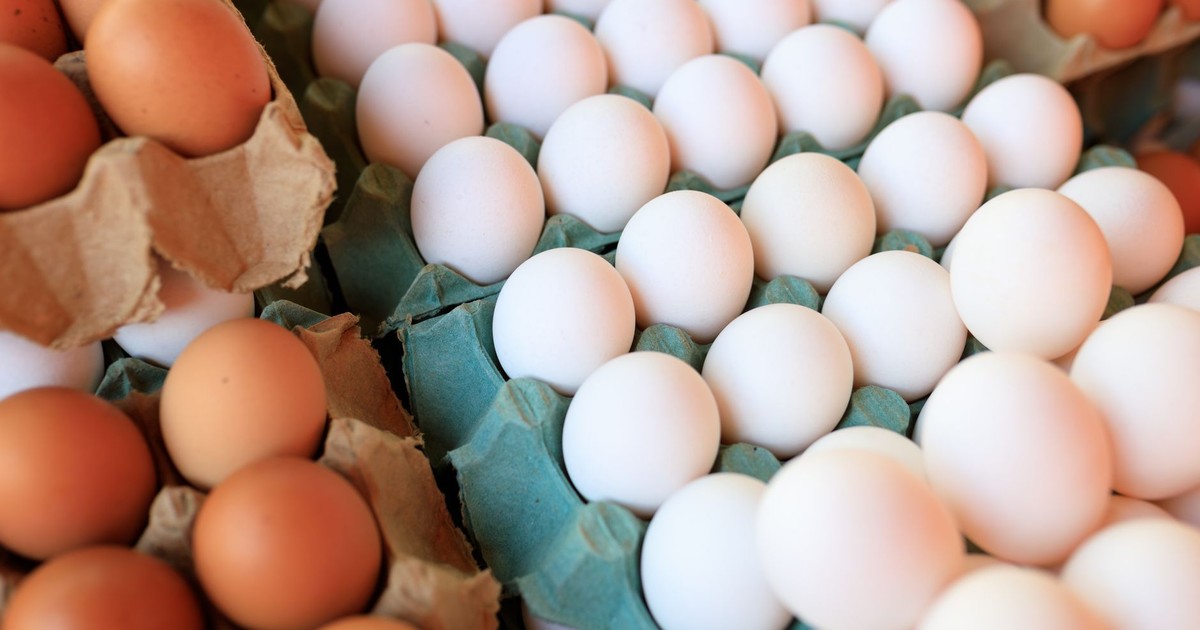
The sell-by date on your egg carton is a quality marker, not a safety deadline. Eggs in their shells are safe for three to five weeks in the fridge, and those dates will likely expire during that window without any real risk to you. Check the Julian pack date on the carton end if you want the most accurate read on how old your eggs actually are.
Store your eggs in the original carton, on an inside shelf at the back of the fridge, at 40°F or below. Don’t wash them before storing – once eggs have been washed, they’re more likely to transfer Salmonella or other bacteria from the outside to the inside of the shell, which is why keeping commercially washed eggs cold and dry is non-negotiable. Hard-boiled eggs get one week, cooked dishes get three to four days, and raw separated whites get four days. If you’re running up against the five-week mark for raw eggs, crack and freeze them – they’ll keep for up to a year and won’t go to waste.
Disclaimer: This information is not intended to be a substitute for professional medical advice, diagnosis, or treatment and is for information only. Always seek the advice of your physician or another qualified health provider with any questions about your medical condition and/or current medication. Do not disregard professional medical advice or delay seeking advice or treatment because of something you have read here.
AI Disclaimer: This article was created with the assistance of AI tools and reviewed by a human editor.
Read More: Why Do Hard-Boiled Eggs Sometimes Get a Green Ring?