
Joelle Mertzel, founder of kitchen product company Kitchen Concepts Unlimited, once surveyed Americans on their butter habits and found that 46% had no idea that butter can safely sit at room temperature at all. The other 54% do know, and many of them leave it out for far longer than they should.
The question of butter storage temperature has divided home cooks for generations. Grandmothers kept a butter dish on the counter as naturally as they kept salt in a shaker. Modern food safety guidance suggests the refrigerator is the right place for almost all dairy products. Both camps have a point, but the full picture is more specific than either side tends to acknowledge.
Tonja Engen, a culinary content specialist at Land O’Lakes, puts a number on it: four hours. That’s the maximum time butter should spend at room temperature before being returned to the fridge. It’s a tighter window than most counter-butter devotees would expect – and it only scratches the surface of what determines whether your butter stays fresh or goes rancid.
Why Butter Isn’t Quite Like Other Dairy
According to a 2026 food safety article from Michigan State University Extension, butter’s composition is typically 80 – 82% fat and 16 – 17.5% water. That fat-heavy makeup is what separates it from milk, cream, and yogurt when it comes to storage.
Although butter is made from milk, its much lower water content makes it harder for bacteria to grow. During the churning process that makes butter, the water molecules get surrounded and separated by fat, creating an environment where bacteria struggle to thrive. Pasteurization during butter production also knocks bacterial counts down to safe levels before the product ever reaches a store shelf.
Land O’Lakes recommends following the “keep refrigerated” directions printed on butter packaging – guidance that aligns with USDA and FDA guidelines stating most dairy products should be stored in refrigerated conditions. Butter, though, occupies a gray zone. According to the USDA’s FoodKeeper guidance, butter is safe at room temperature. The problem isn’t always bacteria – it’s something else entirely.
The Real Risk: Rancidity, Not Bacteria
Butter does go bad, but the process is different from what most people expect. It doesn’t typically spoil in the pathogenic sense – developing dangerous bacteria that cause illness. Instead, it goes rancid through a chemical process called oxidation, producing a sour, paint-like, or stale smell and an off flavor that makes it unpleasant to eat.
When butter is stored at room temperature, it has a greater chance of developing off flavors through oxidative or hydrolytic rancidity, according to Michigan State University Extension food safety researchers. While rancid butter may not be unsafe to eat, it definitely develops an off-flavor. That’s a meaningful distinction. Leaving butter on the counter for a day or two probably won’t make you sick. But it can absolutely ruin the taste of your morning toast – or worse, a batch of cookies where butter is the star.
All that fat makes butter susceptible to spoilage. As it’s exposed to light, heat, and oxygen, butter oxidizes, which alters its molecular structure, changing the taste, texture, and even color. A darkening surface on the counter-left butter is one of the earliest visible signs that oxidation is already underway.
Butter storage temperature becomes critical precisely here. Warmth accelerates the oxidation process considerably. A kitchen that stays below 70°F behaves very differently from one that climbs to 80°F on a summer afternoon.
Salted vs. Unsalted: Not the Same Rules
The salt content in salted butter makes it less prone to bacterial growth. If you’re considering storing butter out of refrigeration, opt for salted over unsalted and keep your unsalted sticks in the fridge or freezer.
Salt acts as a natural preservative by inhibiting oxidation and reducing the available moisture in butter, which slows microbial growth and the chemical reactions that cause rancidity. Unsalted butter contains no such preservative, making it more susceptible to both spoilage and rancidity.
Unsalted butter should be stored in the refrigerator and removed only briefly to soften before use. Bakers who keep unsalted butter on hand for recipes should not leave it on the counter overnight. Pull it out, use what you need, and put the rest straight back.
Whipped butter is even more vulnerable. Whipped butter has air incorporated during processing, which increases its surface area. This makes it more prone to oxidation and off-flavors, so whipped butter should always be stored in the refrigerator and kept tightly covered.
If you use compound butter – butter blended with herbs, garlic, or other ingredients – the picture changes again. Compound butter should be stored in the refrigerator at all times. Added ingredients can introduce moisture and microorganisms, increasing food safety risk and reducing shelf life.
How Long Can Butter Actually Sit Out?
Michigan State University Extension food safety researchers confirm that storing butter at room temperature is only recommended for 1 – 2 days. That aligns with the USDA’s own position in its FoodKeeper guidance.
Land O’Lakes draws the line even shorter for practical use: Engen advises not leaving butter at room temperature for more than 4 hours, and returning any unused portion to the refrigerator promptly. Butter left out beyond that window may also become darker in color and suffer flavor changes.
Room temperature counter storage works best in environments below 77°F (25°C). In summer, or in warm kitchens, even salted butter left on the counter can go rancid within a few days.
The FDA’s food safety guidance draws a firm two-hour rule for most perishable foods left at room temperature – a threshold worth keeping in mind even for butter, especially on warmer days.
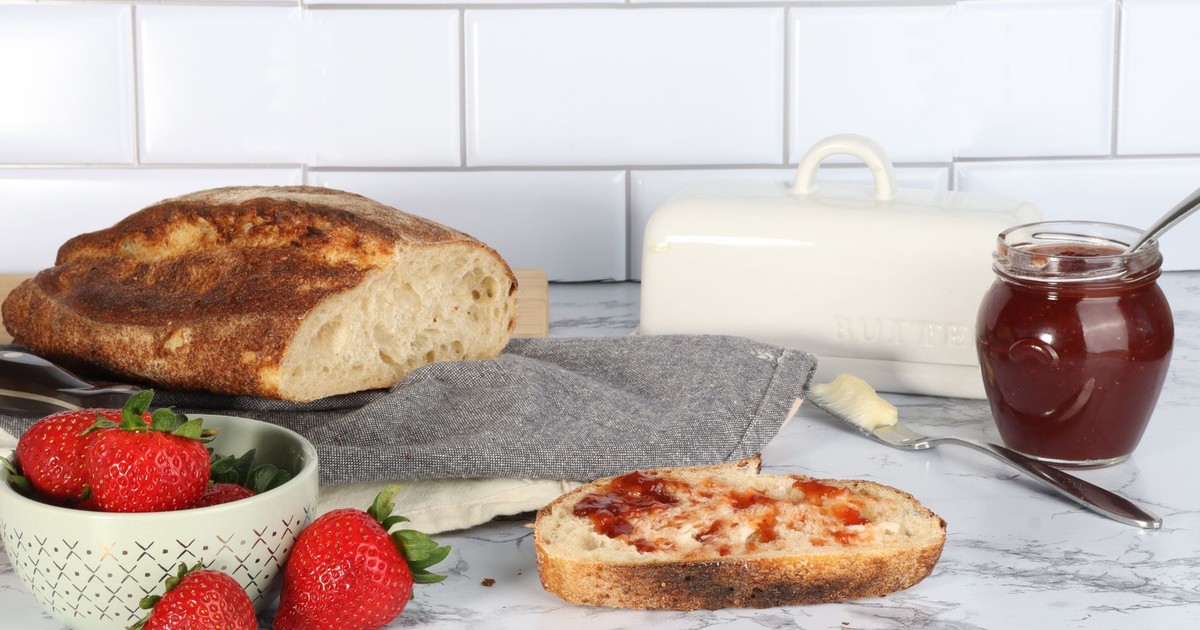
If you do keep salted butter on the counter, storage method matters. Counter-stored butter should be kept covered – a ceramic butter dish works well – and stored away from direct heat sources like toaster ovens or gas stoves, since heat, light, and oxidation all speed up rancidity. Keeping open or unwrapped butter covered also prevents it from absorbing the flavors of its surroundings.
Read More: There’s Only One Way You Should Be Storing Butter
How to Soften Butter Without Leaving It Out Overnight
The practical reason most people leave butter on the counter isn’t laziness – it’s baking. Cold butter straight from the fridge doesn’t cream properly with sugar, and it tears bread rather than spreading smoothly. The solution isn’t to keep a stick permanently on the counter. It’s to soften only what you need, right when you need it.
Setting out chilled butter at room temperature for 30 to 45 minutes before using gives it time to soften. That’s Land O’Lakes’ standard recommendation, and it’s practical for most baking prep – put the butter out while you gather and measure everything else.
When you’re short on time, cutting helps. Cutting butter into small cubes helps soften it in about 15 minutes. You can use that time to prep the rest of the ingredients needed for your recipe. The smaller the pieces, the more quickly the butter reaches room temperature.
The quickest method is to grate the butter. Partially unwrap it, then hold the wrapped portion while using the largest holes on a box grater to create a pile of freshly grated butter shavings that will soften in a matter of minutes. This technique is also useful for frozen butter – grating pulls it straight from the freezer into a form that’s ready to use in pastry dough almost immediately.
Land O’Lakes does not recommend the microwave for baking. Microwaving butter often leaves a cool exterior and a molten interior. Melted butter used in baking will affect the texture of your finished baked good. If you’re just softening for spreading rather than baking, the microwave on the defrost setting (30% power) in five-second increments is acceptable – but watch it closely.
Read More: Seed Oils vs. Animal Fats & Butter: Which Is the Healthier Choice?
The Bottom Line
Butter is not in the same high-risk category as raw chicken or cut fruit at room temperature. Its fat-dominant composition and the pasteurization it undergoes make it meaningfully more shelf-stable than most dairy. That stability has limits, though, and they’re narrower than most counter-butter fans assume.
The practical rule: use salted butter if you plan to keep any on the counter, limit it to 1 – 2 days maximum, keep it in a covered dish away from direct light and heat sources, and never leave it longer than 4 hours if you’re planning to return it to the fridge for further use. Storing butter in the refrigerator protects it from oxidative stress, and most bacteria don’t thrive in cold temperatures. Cold storage also preserves quality, because at room temperature, water can separate from the fat and change the texture of whatever you’re making.
For unsalted butter, keep it refrigerated. Pull out only what a recipe calls for, and use the grating or cube method to soften it quickly. Your cookies, pie crusts, and croissants will taste better for it – and you won’t be wondering halfway through a recipe whether that stick on the counter was there yesterday or the day before.
Disclaimer: This information is not intended to be a substitute for professional medical advice, diagnosis, or treatment and is for information only. Always seek the advice of your physician or another qualified health provider with any questions about your medical condition and/or current medication. Do not disregard professional medical advice or delay seeking advice or treatment because of something you have read here.
AI Disclaimer: This article was created with the assistance of AI tools and reviewed by a human editor.
Read More: 5 Low Quality Butter Brands to Avoid, According to Experts