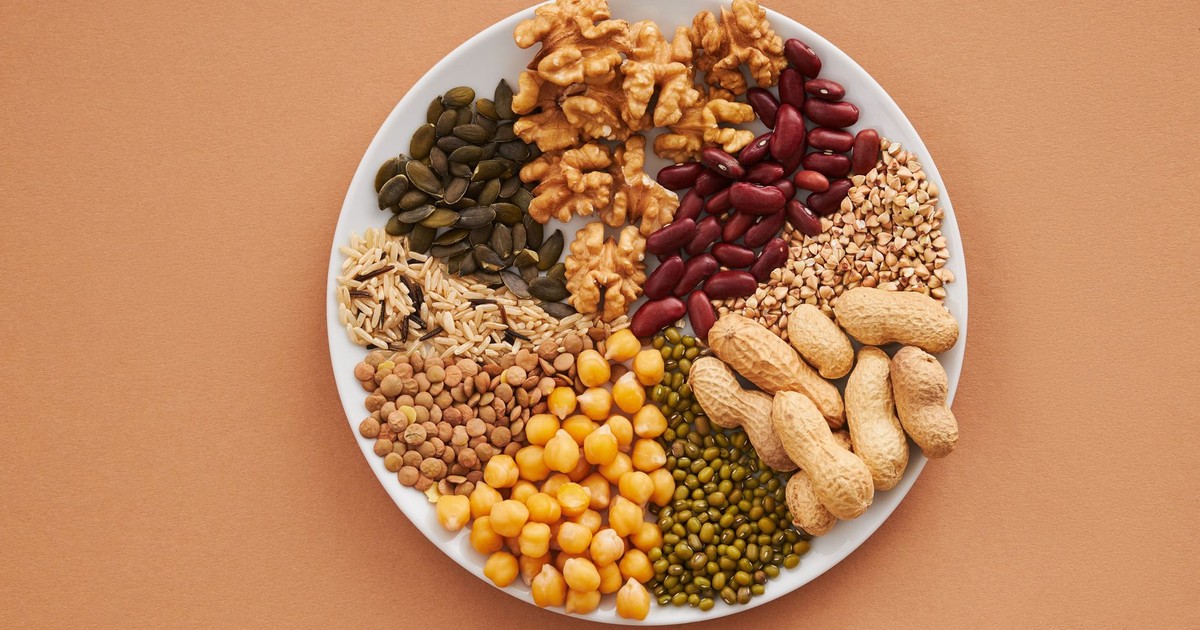

Protein is having a moment. Grocery store shelves are packed with protein-fortified cereal, cookies, coffee, popcorn, and snacks, while social media is full of advice about squeezing more protein into almost every meal.
But longevity researchers have been studying a seemingly contradictory idea for years: in some circumstances, eating less protein appears to extend lifespan.
The effect has been observed across multiple animal species, and researchers have found that restricting certain amino acids can produce some of the same biological changes. What hasn’t been nearly as clear is why.
Now, researchers are proposing that the answer may be much bigger than a single cellular pathway. Rather than simply changing what happens inside individual cells, lower protein intake may trigger a coordinated response involving the liver, brain, appetite, energy use, growth, and metabolism.
A hormone called FGF21 appears to sit near the center of that response.
That doesn’t mean people should start cutting protein from their diets. Much of the longevity evidence still comes from animals, and protein becomes particularly important for preserving muscle as we age. But the research is challenging a much simpler idea: that when it comes to protein, more is always better.
What 350 Studies Reveal About Protein Restriction and Longevity
A review published in 2026 in Cell Press Blue, a peer-reviewed open-access journal from Cell Press, analyzed more than 350 studies of protein-restricted diets in animals and people. Mice, rats, flies, and fish eating less protein consistently lived longer and healthier. In rodents, cutting dietary protein from about 20% to 5 – 10% of calories increases maximum lifespan by over 20%, and restricting methionine alone extends rodent lifespan substantially.
Across those studies, lower protein intake was linked to better metabolic function, altered nutrient signaling, reduced cellular damage, and improved maintenance of healthy cells. These patterns appear repeatedly across decades of work in diverse model organisms, not in isolated findings from a handful of labs.
Mechanistic studies further demonstrate that restriction of specific amino acids – particularly methionine, isoleucine, and valine – recapitulates many of the benefits of broader protein restriction, identifying amino acid composition as a key determinant of aging outcomes. Amino acids are the building blocks that make up dietary protein. The implication is that it may not be total protein quantity alone that matters, but which amino acids are present and in what amounts. This research remains too preliminary to warrant supplementing or restricting specific amino acids without medical guidance.
Protein restriction also connects to the hallmarks of aging – biological changes seen across organisms as they get older, including DNA damage, shifts in how cells generate energy, chronic inflammation, and the buildup of damaged or poorly functioning cells. The Pennington Biomedical researchers argue these changes may not be separate events happening in parallel but different outputs of a single adaptive program involving nutrient sensing, FGF21 signaling, brain circuits, metabolism, growth, and food preference.
The Hormone That Talks to Your Brain
When dietary protein drops, the liver produces more of a hormone called FGF21 (fibroblast growth factor 21). FGF21 can raise energy expenditure, improve blood sugar regulation, and reduce inflammation. Lower protein intake increases FGF21 levels in humans, according to findings covered by Science Daily.
FGF21 is an endocrine signal linking the liver and brain, regulating adaptive, homeostatic changes in metabolism and feeding behavior during protein restriction. The liver detects low protein availability and sends a chemical message to the brain that reshapes how the body uses energy, what foods it craves, and how efficiently it burns calories.
Research from the Pennington Biomedical team has identified a specific group of neurons in the hindbrain as an essential command center for FGF21 – neurons that detect protein levels in the diet and trigger shifts in food choice, appetite, and calorie burning to maintain energy balance. A study published in Nature Metabolism found that FGF21 plays a pivotal role as a metabolic orchestrator in adapting to protein limitations, shaping how the body adjusts appetite and energy expenditure during protein restriction.
Earlier research from the same group established that FGF21 signaling within the brain is the fundamental mediator of physiological changes in both metabolism and macronutrient preference during protein restriction. Mice on a low-protein diet exhibit reduced growth, increased energy expenditure, and resistance to diet-induced obesity; loss of FGF21 signaling in the brain eliminates that response.
FGF21 levels are now being discussed as a potential biomarker for whether the longevity-related response to protein restriction has actually been activated in a given individual. The framework proposes that FGF21 responsiveness and protein appetite could indicate engagement of this response, though its causal role in longevity remains unresolved. Measuring whether the body has responded to dietary changes in the expected biological way may eventually prove more informative than simply counting grams of protein consumed.
When Timing Matters: The Case for Middle Age
Recent research suggests that when protein is restricted may matter as much as how much is restricted. Animal studies have identified middle age as the optimal intervention period for protein restriction’s protective effects, with interventions starting in midlife proving most effective. Cross-species findings suggest possible cardiovascular benefits in humans, though direct translation remains uncertain.
Protein restriction may be a more practical approach for humans than traditional calorie restriction, since it targets a specific nutrient rather than requiring large, sustained reductions in total food intake. Even so, the effect of protein restriction on human lifespan is unknown, and the authors of the Pennington Biomedical perspective acknowledge this as the central limitation. Small human studies have shown metabolic benefits – including weight loss and improved fasting metrics – but long-term lifespan data in people does not yet exist.
A lot of the evidence underlying these proposals came from animal research, and that evidence cannot be directly translated to improved longevity in humans.
For those curious about how the biology of aging accelerates at specific life stages, research on aging acceleration in the mid-40s and early 60s offers a useful companion perspective on why midlife timing may matter.
The Complication: Older Adults Need More, Not Less
Protein restriction longevity research comes with a significant caveat the researchers themselves emphasize. The biology of protein needs changes considerably across the lifespan, and for older adults, the evidence points in the opposite direction.
Sarcopenia – a progressive condition characterized by the decline of skeletal muscle mass, strength, and physical function in older adults – significantly reduces mobility, increases frailty, and elevates the risk of falls, fractures, and disability, ultimately reducing quality of life and increasing healthcare burden. Adequate protein is one of the primary nutritional tools for countering it.
A 2025 study published in Frontiers in Nutrition examining older women with sarcopenia found that a moderately high protein diet effectively supports muscle health. A separate 2025 study using indicator amino acid oxidation technology to measure requirements precisely found that the estimated protein requirement for older adults with sarcopenia was 1.74 g per kilogram of body weight per day – significantly higher than the estimated 1.38 g/kg/day for older adults without sarcopenia.
The 2025 – 2030 Dietary Guidelines for Americans, released jointly by the federal health and agriculture departments on January 7, 2026, recommend 1.2 to 1.6 grams of protein per kilogram of body weight – a range that sits well above the restricted levels studied in longevity research. What promotes longer life in healthy middle-aged animals may actively work against healthy aging in older adults already losing muscle.
The Pennington Biomedical researchers are clear on this point. Aggressively restricting protein without medical or nutritional guidance could undermine, rather than support, healthy aging. Future research needs to identify whether there is a safe level of restriction, which populations might benefit, and at what life stage any intervention makes the most sense.
Read More: Top Longevity Expert Warns Against the ‘Poisonous 5 P’s’
Protein May Be More Complicated Than “More Is Better”
None of this establishes that eating a low-protein diet will help people live longer.
Much of the strongest longevity evidence still comes from mice, rats, flies, and fish. Human studies can tell researchers how protein restriction affects metabolism over shorter periods, but they cannot yet show that deliberately eating less protein extends human lifespan.
What the research does challenge is the idea that protein is simply a nutrient the body needs in ever-greater amounts.
The body appears to respond to protein availability as information. When protein drops, signals involving FGF21, the liver, and the brain can alter appetite, energy expenditure, growth, and metabolism together. Researchers are now investigating whether that coordinated response helps explain why protein restriction has produced such striking longevity effects in laboratory animals.
Age also changes the equation. Later in life, preserving muscle becomes increasingly important, and inadequate protein can work against that goal. The amount that might produce an interesting metabolic response in one stage of life could be inappropriate in another.
For now, protein restriction remains a research question rather than a longevity prescription. But as scientists learn more about FGF21 and the way the brain responds to nutrients, the bigger lesson may be that protein’s relationship with aging isn’t simply about how many grams we eat.
It’s also about what the body thinks those grams mean.
Disclaimer: This information is not intended to be a substitute for professional medical advice, diagnosis, or treatment and is for information only. Always seek the advice of your physician or another qualified health provider with any questions about your medical condition and/or current medication. Do not disregard professional medical advice or delay seeking advice or treatment because of something you have read here.
AI Disclaimer: This article was created with the assistance of AI tools and reviewed by a human editor.
Read More: Plant-Based Protein, Ranked: The Best and Worst Options