
A 3-year-old boy with an aggressive form of liver cancer had run out of standard treatment options. His hepatoblastoma had already been treated with three rounds of chemotherapy and surgery to remove the main liver tumor and two tumors that had spread to his lungs. Despite all of that, the cancer returned in his lung and was no longer responding to chemotherapy.
Researchers then tried a different approach. They collected the child’s own immune cells, genetically reprogrammed them to recognize and attack his cancer, and gave them back to him in two infusions. After the first treatment, the tumor shrank. After the second, it disappeared from scans. A year later, there was still no detectable cancer.
The case, reported in September 2026 in the New England Journal of Medicine, is the first published example of a complete and lasting regression of chemotherapy-resistant hepatoblastoma using this next-generation form of CAR T-cell therapy.
Hepatoblastoma is the most common liver cancer in children. Surgery and chemotherapy can successfully treat many cases, but options become much more limited when the cancer spreads, returns, or stops responding to chemotherapy. That is what makes this case notable, although researchers caution that the experience of a single patient cannot yet show whether the treatment will work for other children.
What CAR T therapy is, and why solid tumors are so hard
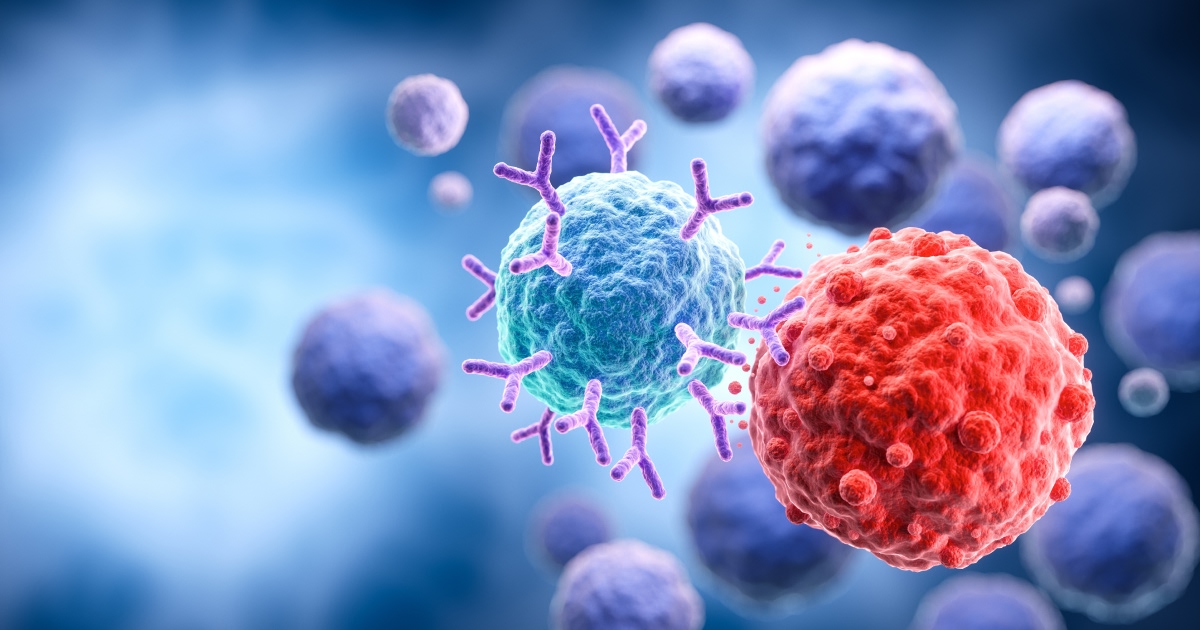
CAR T-cell therapy works by extracting a patient’s own T cells, engineering them in a laboratory to recognize a specific protein on the surface of cancer cells, and then infusing them back into the body to seek and destroy the tumor. In this case, researchers used the child’s own cells to create CAR T cells targeting glypican-3, or GPC3, a protein found on hepatoblastoma cells and several other solid tumors.
CAR T cells have produced remarkable results in some blood cancers, particularly leukemia and lymphoma. Solid tumors present a much harder challenge. Engineered T cells can struggle to penetrate the tumor and may become exhausted or disappear before they can eliminate the cancer. The CARE study was designed specifically to address that problem.
How the CARE study engineered a more durable cell
The CARE study (NCT04715191) is a first-in-human Phase 1 trial testing a modified form of CAR T-cell therapy. The cells are designed to recognize GPC3, a protein found on hepatoblastoma cells, but researchers also gave them an additional feature intended to help them survive and remain active longer.
To do that, the team engineered the CAR T cells to produce interleukin-15 and interleukin-21. These are signaling proteins that help regulate the activity and survival of immune cells. In simple terms, the researchers weren’t just giving the T cells instructions for finding the cancer. They were also trying to give them the support needed to keep fighting it.
After two infusions of these modified cells, the child’s cancer completely regressed and remained undetectable for at least 12 months.
The cells were produced at the Center for Cell and Gene Therapy, a collaboration involving Baylor College of Medicine, Texas Children’s Hospital, and Houston Methodist Hospital. Researchers used two genetic delivery systems to build the cells: one provided the instructions for recognizing GPC3, while the other added the interleukin signals and an important safety mechanism.
That safety mechanism is known as an inducible caspase 9 switch. If the engineered cells cause a dangerous reaction, clinicians can activate the switch to trigger their programmed death, providing a way to rapidly shut down the treatment.
A treatment course that defied expectations
The child initially presented with a large primary liver tumor and metastases in the lungs. Before enrollment in the CARE study, he was treated with three lines of chemotherapy and underwent complete resection of the primary liver tumor and two lung metastases. His cancer stopped responding to chemotherapy, and a new pulmonary metastasis developed following surgery – that is when he was enrolled in the trial.
The two infusions were given eight weeks apart, entirely in the outpatient setting – no hospital stay required. After the first infusion, imaging showed a partial response, meaning the tumors had shrunk but not disappeared. After the second, they were gone. No cytokine release syndrome – a potentially life-threatening immune overreaction that has historically been one of CAR T therapy’s most serious risks – or dose-limiting toxicities occurred, and remission persisted for one year.
What the research team said
Dr. David Steffin, assistant professor of pediatrics at Baylor College of Medicine and a member of the Center for Cell and Gene Therapy, was the study’s lead author. He also serves as associate director of the Bone Marrow Transplant Program at Texas Children’s. “This case demonstrates that a durable complete response in a chemotherapy-resistant solid tumor can be achieved entirely in the outpatient setting without systemic toxicity,” Steffin said.
The corresponding author, Dr. Andras Heczey, professor of pediatrics in hematology-oncology at the University of Washington School of Medicine, said the study “provides evidence that these novel CAR T cells may be a safe and effective modality for hepatoblastoma and highlights the need for further assessment in patients with GPC3+ solid tumors.” Heczey conducted the research while based at Baylor and Texas Children’s before moving to Seattle Children’s.
The collaboration spanning Baylor, Texas Children’s, and Seattle Children’s reflects how specialized and resource-intensive building this kind of therapy is. Each patient’s cells must be individually engineered, tested, and quality-checked before infusion, making manufacturing expertise as important as clinical skill.
Read More: Study finds cell therapy may improve survival in children with deadliest brain cancers
What this result shows and what it does not yet prove
This is a single patient – a case report within an early-phase trial, not a controlled study. Phase 1 trials are designed primarily to test safety and identify appropriate doses, not to demonstrate that a therapy works across a population. One child in remission is not proof that GPC3-targeted CAR T cells work for all children with hepatoblastoma. What the result does establish is that complete, durable regression in a chemotherapy-resistant solid tumor is achievable with this approach, without serious toxicity – a finding rare enough to be published in the New England Journal of Medicine.
The outpatient delivery model also matters beyond convenience. Hospitalizations for CAR T therapy typically involve intensive monitoring for cytokine release syndrome and other immune reactions, which adds cost, disrupts family life, and limits which patients can access treatment. An outpatient protocol with a strong safety record could, if confirmed in larger trials, significantly expand who can benefit.
The CARE trial targets GPC3, a protein that appears not just in hepatoblastoma but in several other pediatric solid tumors – which is why researchers at oncology centers that do not treat liver tumors specifically are also watching this data.
Promising, but still very early
As striking as this child’s response is, the result needs to be kept in perspective. This is one patient in an early-phase clinical trial, not evidence that the treatment will work for every child with hepatoblastoma. Phase 1 trials are primarily designed to evaluate safety and dosing, and much larger studies will be needed to determine how consistently these CAR T cells can produce lasting responses.
Still, the case provides an important proof of concept. A chemotherapy-resistant solid tumor that had continued to return after multiple treatments completely regressed following two infusions of engineered immune cells, with no cytokine release syndrome or dose-limiting toxicity reported. The remission had lasted at least 12 months when the case was published.
The fact that treatment was delivered entirely in an outpatient setting is also noteworthy. CAR T therapy can require intensive monitoring because of potentially serious immune reactions. If the safety and outpatient results seen here can be reproduced in more patients, the approach could eventually make this type of treatment easier to deliver.
For now, surgery and chemotherapy remain the standard treatments for hepatoblastoma. The CARE trial is continuing to study the experimental therapy in children and young adults with relapsed or treatment-resistant GPC3-positive solid tumors. Families interested in whether the study may be appropriate for their child can discuss it with their treating oncology team and review the eligibility requirements in the ClinicalTrials.gov listing.
One child’s remission cannot tell researchers how broadly this treatment will work. But after decades in which CAR T therapy has been far more successful against blood cancers than solid tumors, this case offers an encouraging indication that some of those barriers may be possible to overcome.
Disclaimer: This information is not intended to be a substitute for professional medical advice, diagnosis, or treatment and is for information only. Always seek the advice of your physician or another qualified health provider with any questions about your medical condition and/or current medication. Do not disregard professional medical advice or delay seeking advice or treatment because of something you have read here.
AI Disclaimer: This article was created with the assistance of AI tools and reviewed by a human editor.
Read More: Deadly Brain Tumor Disappears After Experimental Cancer Treatment