

About 330 people out of every 100,000 get dementia each year. That is among those who rarely or never drink caffeinated coffee. Among those who drink two to three cups daily, that figure drops to 141. Those aren’t numbers from a small pilot study or a lab model. They come from one of the longest-running nutritional investigations in medical history. It has been tracking more than 130,000 people across four decades.
What makes those figures more striking is what didn’t work. Switch the coffee to decaf, and the link disappears entirely. Drink more than three cups, and the extra protection doesn’t stack. The pattern points to the caffeinated cup as the variable that matters. It is not the ritual, not the warmth, and not the morning habit. And coffee is just one of five drinks on this list. Scientists have now tied these drinks, with real numbers, to dementia risk.
Most of the research here is a follow-up design. That means scientists tracked what people drank and what happened to their brains over time. That kind of data can reveal powerful links. But it can’t definitively prove that the drinks themselves caused the outcomes. What it can do is give you a clear, research-based picture. It can show which habits seem to work for the brain, and which ones don’t. That is especially true when studies are large enough and long enough.
1. Caffeinated coffee and coffee dementia risk: the strongest signal yet?

A prospective cohort study of 131,821 people from two cohorts followed people for up to 43 years. It recorded 11,033 dementia cases. It found that higher caffeinated coffee intake was clearly linked to lower risk of dementia. The study was published in JAMA in February 2026. It drew people from the Nurses’ Health Study and the Health Professionals Follow-Up Study.
People in the highest quartile of caffeinated coffee intake drank roughly two to three cups per day. They had an 18% lower risk of dementia. That is compared with those who reported little or no caffeinated coffee. Those same high-intake drinkers also showed a lower rate of subjective thinking decline. The rates were 7.8% versus 9.5% among those who drank the least. Subjective thinking decline refers to self-reported changes in memory or thinking. A person notices these changes before any formal diagnosis is made.
Lead author Yu Zhang is a Ph.D. student at Harvard Chan School and a research trainee at Mass General Brigham. She noted that the link held even when comparing people with different genetic predispositions to dementia. That includes those carrying the APOE4 gene, a known risk factor for Alzheimer’s. Two to three cups of caffeinated coffee daily appears to be the most consistent range. That range is the one most often linked to lower dementia risk in this dataset. More than that offers no added help based on current evidence.
Decaffeinated coffee intake was not clearly linked to dementia risk in the same analysis. That finding matters because it suggests caffeine itself, rather than coffee’s other compounds, may be the key driver. Scientists caution that the full picture likely involves multiple biological pathways. Medscape’s coverage of the study noted that coffee and tea contain caffeine. They also contain bioactive compounds such as polyphenols, catechins, and chlorogenic acid. Those compounds may reduce oxidative stress and neuroinflammation. Oxidative stress is essentially cellular damage caused by unstable molecules called free radicals. Neuroinflammation refers to chronic inflammation in the brain tissue.
Read More: New Study Finds Excess Sugar Intake Raises Dementia Risk by 43%.
2. Tea: a smaller but real benefit?

Tea drinkers in the same JAMA analysis also fared better than those who avoided caffeinated drinks altogether. Those who drank two to three cups of coffee or one to two cups of tea each day did best. They had the greatest benefits overall.
No benefits were recorded among those who consumed decaffeinated coffee. The same JAMA data showed a benefit for tea. Tea drinkers had a 14% lower risk of dementia compared with those who went without. That 14% figure is meaningful. It is smaller than coffee’s 18%. But it is consistent across a large population over a very long timeframe.
One caveat the scientists acknowledged: the study didn’t separate caffeinated from non-caffeinated tea in its analysis. That makes it harder to know whether the help comes mainly from caffeine. It could also come from the antioxidant compounds unique to tea, like catechins and flavonoids. Or it could come from some combination of both. Green tea in particular is rich in catechins, a class of antioxidant compounds. Black and oolong teas also contain chlorogenic acids and polyphenols that may support vessel and brain health. For anyone who already drinks tea, one to two caffeinated cups daily appears to help. That is the range linked to the clearest help for the brain.
3. Sugary drinks: six years of brain aging in a can?
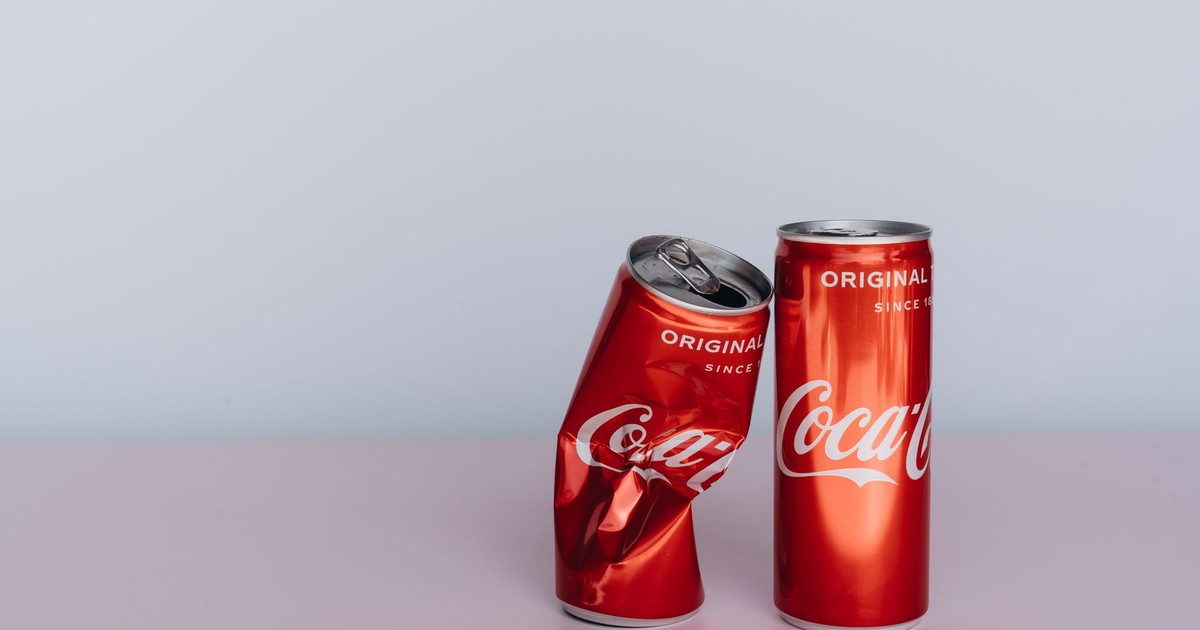
The dementia risk from sugary beverages isn’t subtle. Research covered by the Tufts Health and Nutrition Letter found a striking link. Consuming one or two sugary drinks a day was linked to memory scores equal to six years of brain aging. That comes from something most people consume without a second thought.
The pathway most scientists point to runs through metabolic health. High sugar intake drives elevated blood glucose and insulin resistance. That impairs the brain’s ability to use glucose as fuel. The hippocampus is the brain region most responsible for forming and storing memories. It appears especially sensitive to this kind of metabolic disruption. Regular sugar-sweetened beverage intake also promotes body-wide inflammation. That has its own independent effect on a drop in memory and thinking over time.
A 2025 cohort study published in JAMA Psychiatry tracked older adults for a mean of 10.7 years. It found no clear link between sugar-sweetened or artificially sweetened beverages and dementia risk in that cohort. The research on this topic isn’t unanimous. Group differences, follow-up length, and measurement methods all affect outcomes. The broader weight of evidence consistently points in the same direction. That is especially true of studies looking at younger populations over longer periods. If reducing one category of drink is a reasonable place to start, sugary beverages are the clearest candidate. That is based on current data. Swap even one daily soda for water, plain sparkling water, or unsweetened tea. That eliminates a meaningful source of added sugar. It doesn’t require any other dietary change.
4. Diet soda: a complicated picture?

Diet soda was supposed to be the safer option. The reality is messier. Research from the Northern Manhattan Study found a sharp link. Each additional diet soda per day was linked to a 34% increase in dementia risk. That figure emerged from data analyzed by investigators studying heart and brain outcomes in a diverse urban population.
A 2026 study published in the Journal of Alzheimer’s Disease added another layer. Diet soda was linked to higher dementia risk among non-Hispanic White and Black participants. That finding raises questions about whether the risk varies across populations. It also raises questions about other factors. Those include baseline diet quality, genetic variation, or gut microbiome composition, and whether they mediate the link.
The proposed idea of how diet soda affects the brain centers on artificial sweeteners, especially aspartame. It also centers on their influence on gut bacteria. The gut-brain axis is a two-way communication highway between the gut microbiome and the brain. It may transmit the metabolic disruptions caused by artificial sweeteners upward to brain function. This remains an active area of research rather than settled biology. The same JAMA Psychiatry cohort study cited above found no clear link. It saw no clear link between artificially sweetened beverages and dementia in older adults. For people who currently drink multiple diet sodas a day, the evidence is concerning enough. That includes evidence on both regular and diet soda. Reducing intake is a low-risk change with a plausible upside.
You can read more about how sugary and artificially sweetened drinks affect the brain. See The Hearty Soul’s coverage of sugar and dementia risk.
5. Alcohol: no safe level for the brain?

The idea that a glass of red wine each evening is good for the brain has been popular. That idea has lasted for decades. A major 2025 study has largely put that notion to rest. Research was led by the University of Oxford, Yale University, and the University of Cambridge. It was published in BMJ Evidence-Based Medicine. Through genetic analyses, it found a steadily rising trend of higher dementia risk with greater alcohol intake. There was no evidence that drinking alcohol may have a protective effect.
The findings showed a clear pattern. A doubled increase in a person’s genetically-predicted risk of alcohol use disorder was linked to a 16% higher risk of dementia. A threefold higher increase in weekly alcohol intake increased dementia risk by 15%. The genetic method used here is important. Earlier studies that found “protective” effects of moderate drinking were mixed up by a timing problem. People in the early stages of dementia often reduce their alcohol intake before diagnosis. That made light drinkers look healthier than they actually were. Scientists in this analysis argue those prior findings of benefits likely reflect “reverse causation”. In that pattern, early thinking decline causes people to cut back on drinking.
Lead author Doctor Anya Topiwala is a senior clinical researcher at Oxford. She works in the Nuffield Department of Population Health. She said the findings provide more support that “moderate drinking isn’t protective, despite what many patients believe”. She also said that “even quite small amounts of alcohol can potentially harm the brain and increase the risk of dementia”.
Follow-up data on red wine and brain health does show a modest link with lower dementia risk. Scientists at Queen’s University Belfast looked at flavonoid-rich foods including berries, tea, and red wine. Those foods were linked to up to 28% lower dementia risk. That was in a cohort of 120,000 adults from the UK Biobank. However, the 2025 Oxford/Yale/Cambridge genetic analysis is designed to separate correlation from causation. It found no evidence that alcohol itself is driving any protection. The flavonoids in red wine can be obtained from grapes, berries, and tea without the alcohol. For brain health, the cleaner reading of the current evidence is this. Any thinking benefit linked to wine drinking comes from the polyphenols, not the ethanol.
What should you take from this?

Two drink choices show the most consistent link with lower dementia risk. One is caffeinated coffee at two to three cups daily. The other is caffeinated tea at one to two cups daily. Those findings are backed by the largest and longest follow-up study on this topic to date. It covered 131,821 people over up to 43 years. Those links held regardless of people’s genetic risk for dementia, which is a meaningful detail. If you already drink coffee or tea, the data is reassuring. If you don’t, there’s no strong case to start purely to prevent dementia.
On the other side of the ledger, alcohol stands out. It is the drink with the clearest evidence of harm, even at low quantities. Sugary beverages carry meaningful risks for metabolic brain health. The evidence on diet soda, while mixed, is concerning enough to avoid daily high intake. None of this requires a complete lifestyle overhaul. Swap one sugary drink for water. Reduce how often you drink alcohol, rather than chasing a “safe” daily limit. Keep your coffee order in the two-to-three-cup range. Those are three concrete changes that align with what the current evidence actually supports.
Disclaimer: The author is not a licensed medical professional. The information provided is for general informational and educational purposes only and is based on research from publicly available, reputable sources. It is not intended to constitute, and should not be relied upon as, medical advice, diagnosis, or treatment. Always consult a licensed physician or other qualified healthcare provider regarding any medical condition, symptoms, or medications. Do not disregard, avoid, or delay seeking professional medical advice or treatment because of information contained herein.
AI Disclaimer: This article was created with the assistance of AI tools and reviewed by a human editor.