
Resistance training doesn’t do what most people assume it does for bone health. At least, not when it is measured against a blood marker that shows up within weeks. That finding came from a 2026 study at Semmelweis University in Budapest. It caught many scientists off guard. Weight training is recommended in professional guidelines specifically for skeletal health. So the expectation was that it would rank among the more effective options. It didn’t.
The study wasn’t a small trial. Scientists at Semmelweis pulled together 24 clinical studies covering 1,238 healthy adults. They looked at how different types of exercise affected osteocalcin. Osteocalcin is a protein released into the bloodstream by osteoblasts. Osteoblasts are the cells responsible for building new bone. It is a sensitive and specific marker of bone formation and osteoblast activity. Its levels can rise within weeks of starting a new exercise routine. That is much faster than changes in bone mineral density would appear. That speed makes it a useful early signal. And what it signaled here surprised even the scientists who ran the analysis.
The results were published in Sports Medicine Open in June 2026. They found that only one category of exercise produced a clear increase in osteocalcin. It wasn’t strength training. It wasn’t jogging. It wasn’t step aerobics or brisk walking. The activities that moved the needle were high-intensity sports built around explosive movement. That is the kind most adults over 45 stopped doing years ago.
Why does bone loss speed up after 45?
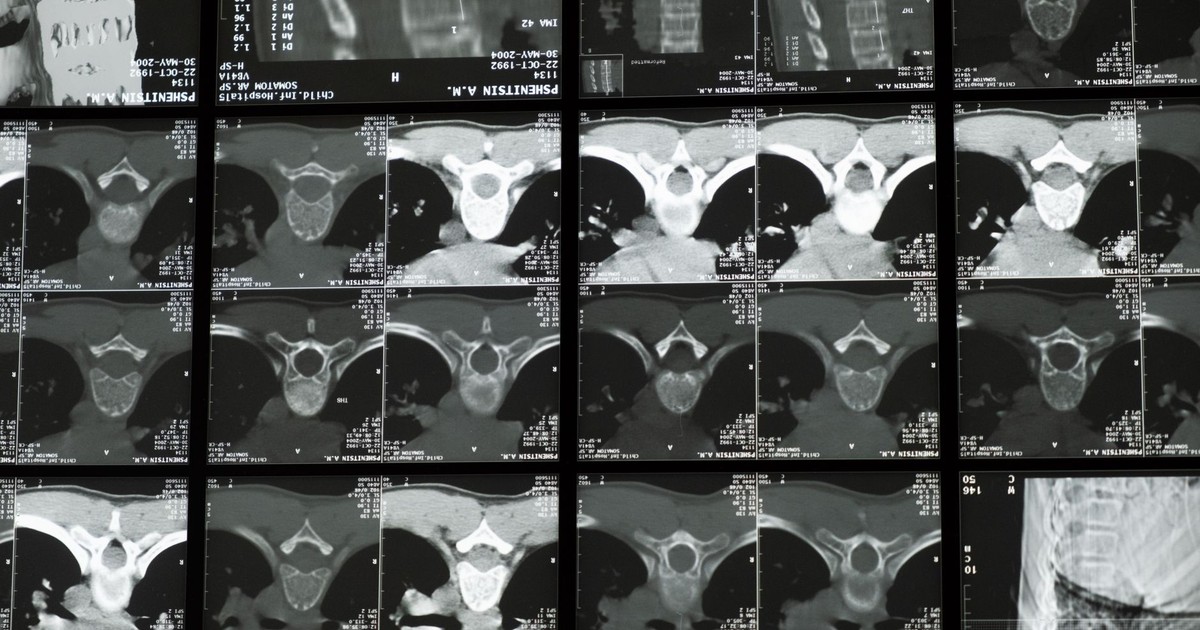
Bone density peaks in the late 20s and declines from that point forward. The rate of loss speeds up for women after menopause. According to the NIH, menopause typically occurs between ages 45 and 55. The average age is 51 in the United States. That means many women are entering the steepest part of that decline. It often happens right around the age they may be scaling back on intense exercise.
Estrogen plays a protective role in bone density. When it drops, the body may break down old bone faster. That rate can outpace the rate at which it creates new bone. According to the Bone Health and Osteoporosis Foundation, the risk is high. About one in two women over age 50 will break a bone because of osteoporosis. That’s a stark figure. It underlines why getting the exercise choice right matters. It matters as much as getting the exercise habit right.
Walking helps. It is weight-bearing, and it supports heart health. Studies show that going out for at least 30 minutes a day can slow the rate of bone loss. That is especially true in women past menopause. Actively stimulating new bone formation, though, requires a different biological signal entirely. The Semmelweis review of many studies found a consistent gap. Walking, jogging, and standard gym-based resistance training consistently fell short. They did not trigger the bone formation response that high-intensity, explosive movement produced.
What did the research actually find?

The review of 24 randomized controlled trials involved 1,238 healthy adults. It found that only high-intensity training produced a clear increase in osteocalcin. Endurance training showed no clear effect on osteocalcin levels. High- and low-intensity endurance training also had no clear effect. Power training showed no clear change either.
The most effective activities were high-intensity sports. They involved frequent explosive movements, rapid changes of direction, and turning. Recreational football and handball were linked to large increases in blood markers linked to bone formation. Those increases were up to 45 to 46 percent. In contrast, walking, step aerobics, and traditional gym-based resistance exercises were generally less effective.
One important caveat is worth stating. The study measured blood biomarkers of bone formation, not bone density itself, and not fracture rates. A rise in osteocalcin reflects biological activity in bone-building cells. It is an early signal, not a confirmed structural outcome. The scientists were careful to note this distinction. An exercise-induced rise in osteocalcin indicates bone tissue is responding and rebuilding. It does not necessarily mean bone is becoming measurably denser or structurally stronger.
Read More: The Simple Workout That Doctors Wish More Women Over 40 Were Doing for Stronger Bones.
What 6 bone strength exercises are worth adding?
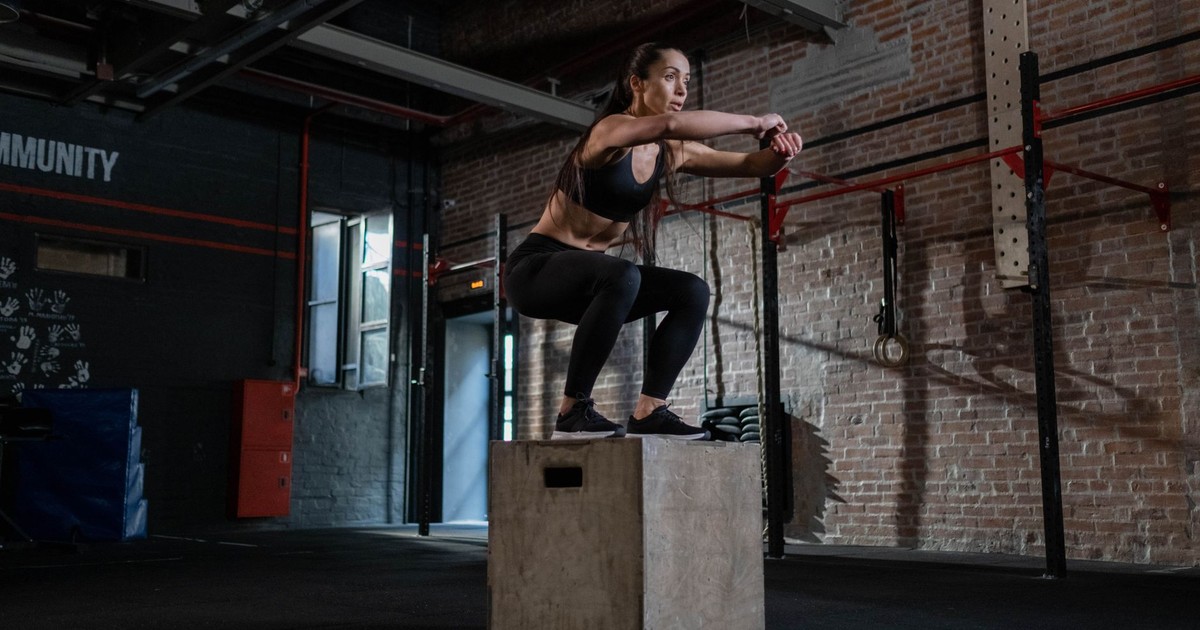
The key mechanism behind the strongest results was mechanical loading. In detail, it was the kind that comes from explosive, multidirectional movement. Activities that combine explosive movements, rapid direction changes, and high force production appear to help most. They appear to promote the highest levels of bone growth signals.
1. Box jumps?
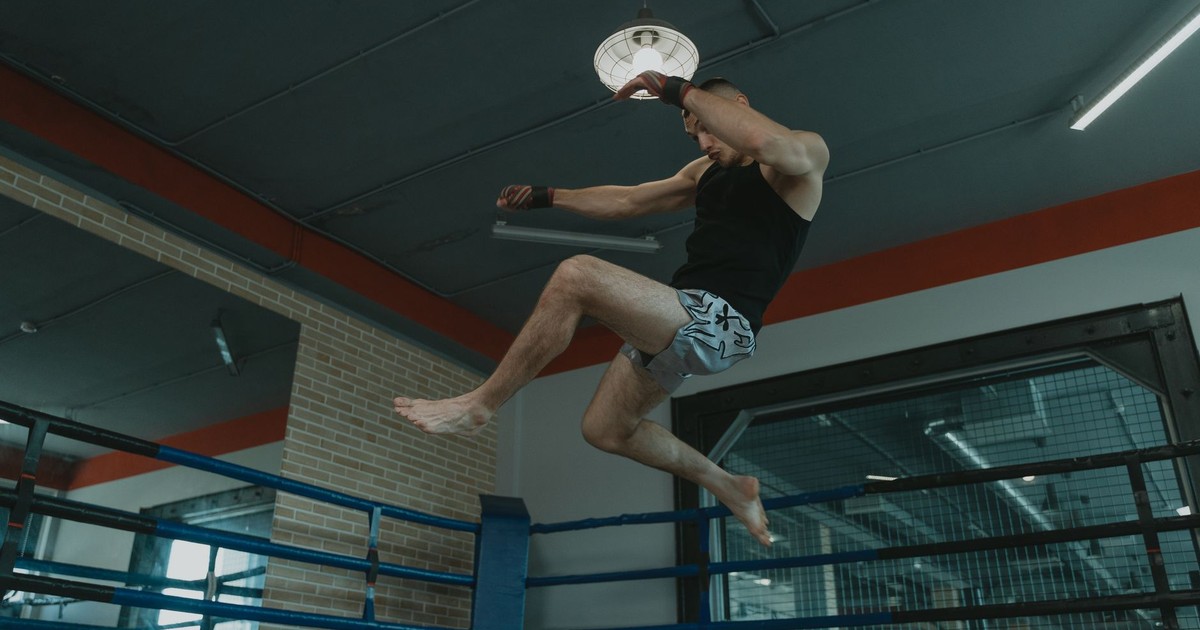
Box jumps are among the most direct ways to generate this kind of mechanical stress. That is the stress the bone-building literature points to. The jump itself loads the legs and hips on takeoff. The landing loads them on impact. The impact from leaping onto a box activates specialized cells in the body. Those cells trigger bone growth.
For older adults, the starting point matters. Jumping carries real impact risk. That is especially true for older, heavier, or deconditioned adults. So medical clearance is essential first if you have osteoporosis, osteopenia, or joint problems. Begin with step-ups onto a low, stable platform before progressing to small jumps. Step down rather than jumping down until your joints adapt.
A 2024 review in the Journal of Sports Sciences pooled 19 jump training trials. It found that femoral neck density rose about 1.5 percent overall. It rose about 1 percent in older adults. The femoral neck is the top of the thigh bone where hip fractures typically occur. Those numbers may sound modest. But adults typically lose 0.5 to 1 percent of bone density yearly after age 40. So a consistent training effect that reverses that path carries real long-term meaning.
2. Lateral bounds (side-to-side jumps)?

Side-to-side explosive movement targets the hips and outer thigh bones. Forward motion simply doesn’t do this in the same way. The lateral loading pattern places stress on bone surfaces that walking rarely reaches. Stand with feet hip-width apart, and push explosively off one foot. Land softly on the opposite foot. Absorb the impact with a slight knee bend, then repeat in the other direction.
Low-impact variations, including mini side hops, can offer similar bone-stimulating benefits with less risk. That makes them suitable for adults who need to ease into higher-impact movement. As strength and confidence build, the width of each bound can increase little by little. The goal is to generate enough lateral force to challenge the hip and femur. Those are the bones most vulnerable to age-related fracture.
The side-to-side nature of this move also trains balance and hip abductor strength. That matters for fall prevention. A 2019 Cochrane systematic review found a clear benefit. Exercise reduces the rate of falls in older adults by 23 percent. Lateral training contributes to that benefit beyond its effect on bone directly.
3. Jump squats?

The squat is already one of the best lower-body strengthening movements. Add an explosive jump at the top and it becomes a bone-loading exercise as well. The rapid loading through the knees, hips, and spine during the jump creates a strong mechanical stimulus. So does the deceleration force on landing. That is the kind the Semmelweis research identified as most effective.
Lower into a standard squat. Then drive through the heels and jump as high as controlled form allows. Land softly with knees tracking over the toes. Return immediately to the squat position, and repeat. Volume can start low, at six to eight reps. It can build over weeks as the joints adapt.
For anyone with existing knee pain or low bone density, a modified version can still help. Remove the jump but add a heel raise at the top of the squat. That still generates meaningful loading. Osteoporotic bones are more fragile and can fracture more easily. So the benefits of explosive moves must be weighed against the risks. Modified versions should be considered to maintain safety. Always check with a doctor or sports medicine specialist before adding jump squats. Do this if you have a diagnosed bone condition.
4. Recreational handball or soccer?
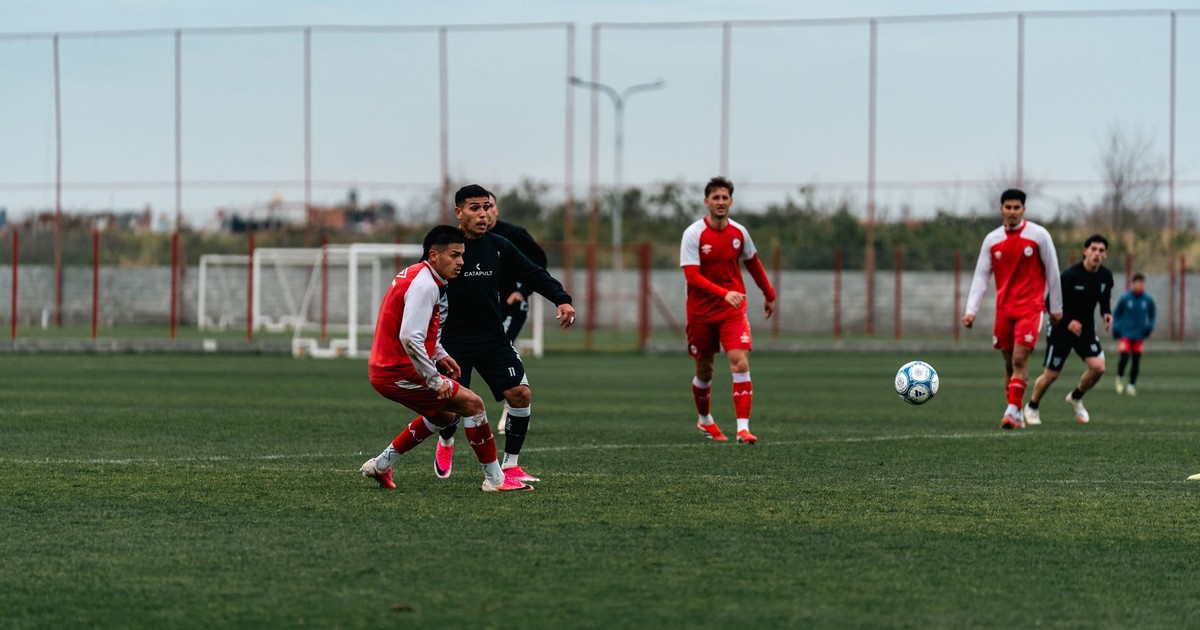
Two activities produced the largest increases in bone formation markers in the Sports Medicine Open review. They were handball and recreational football (soccer). The increases were up to 45 to 46 percent. These sports require constant acceleration, deceleration, sudden pivoting, and multidirectional sprinting. All of these generate high and varied mechanical loads on the skeleton.
The appeal beyond the physiology is real. Recreational leagues exist in most cities for adults of all fitness levels. The social component of team sport has its own health benefits. You don’t need to be competitive or particularly fast. The mechanical stimulus to bone comes from the movement pattern, not from scoring goals.
Adults with heart conditions, musculoskeletal problems, or osteoporosis should speak with their physician first. They can also talk with a sports medicine specialist before joining a rec league. The scientists from Semmelweis were explicit on this point. The intensity that makes these sports effective for bone also has a cost. It makes proper preparation and medical guidance required. That is true for anyone with pre-existing health problems.
5. Skipping (jump rope)?

Jump rope generates ground reaction forces several times body weight with each rotation. That makes it one of the most accessible high-impact, bone strength exercises available. The repetitive impact targets the tibia, femur, and hip. Those are bones where age-related fractures are most consequential. Unlike team sports, it requires little equipment. You need only a rope and a few square feet of space.
Research suggests moderate certainty of bone density gains at the femoral neck. That was seen when people performed around 50 jumps four times weekly. That volume fits comfortably into a session of five to ten minutes. Beginners can start with two feet together and slow rotations. They can progress toward a faster cadence or single-leg variations over several weeks.
The same caution applies here as with box jumps. Anyone with osteopenia or osteoporosis should get medical clearance before starting. So should anyone with a history of ankle or knee injury. When impact is too risky, use a bridge exercise. Marching in place with high knees can fill that role. That can help while you build the strength and stability to progress.
6. Stair climbing with explosive step-ups?
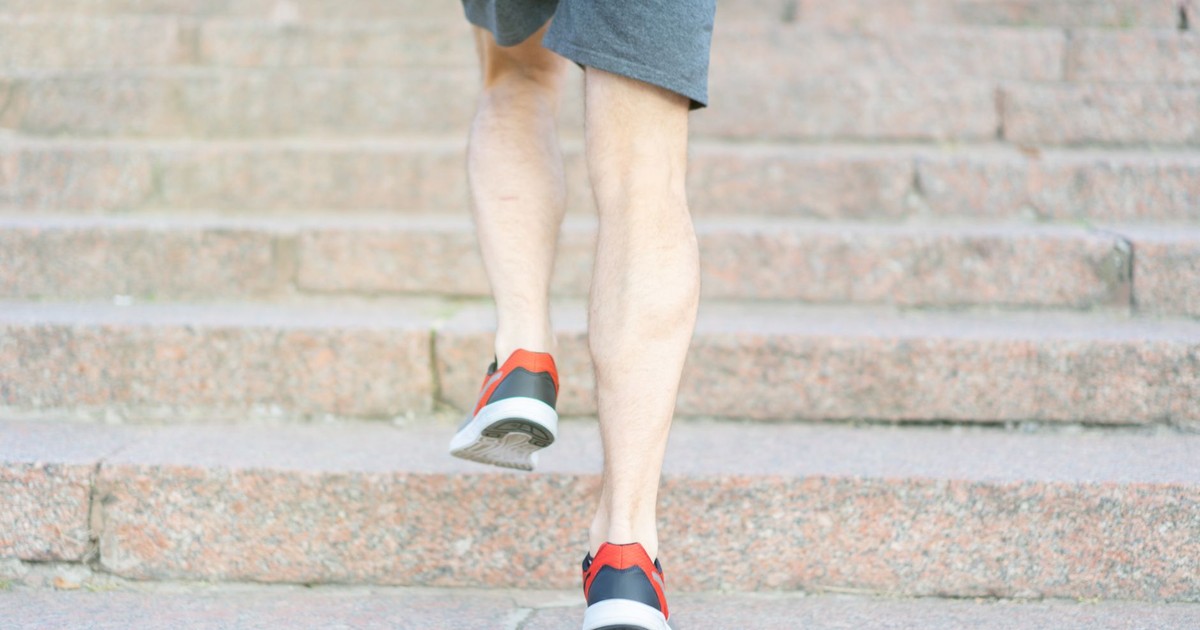
Stairs offer a bone-loading opportunity that most people walk past daily. Climbing stairs with intent can transform a routine movement into a bone strength exercise. Push explosively through each step, drive the knee up, and load the hip fully. You can also add single-leg step-ups onto a sturdy box or the bottom stair. Performed with control and power, they amplify the mechanical stimulus further.
Walking and jumping can both improve bone strength in the legs and hips. Studies show that at least 30 minutes of daily weight-bearing activity can slow bone loss. That is especially true in women past menopause. Explosive stair climbing builds on that foundation by increasing the load per step. It engages more muscle mass. And it creates the kind of rapid force generation that passive stair use doesn’t provide.
Two to three sets of 10 to 15 step-ups per leg is a reasonable starting point. Do this three times weekly. For anyone managing joint issues, a lower step height reduces the range of motion demand. It still preserves most of the bone-loading benefit.
What should you do with this information?
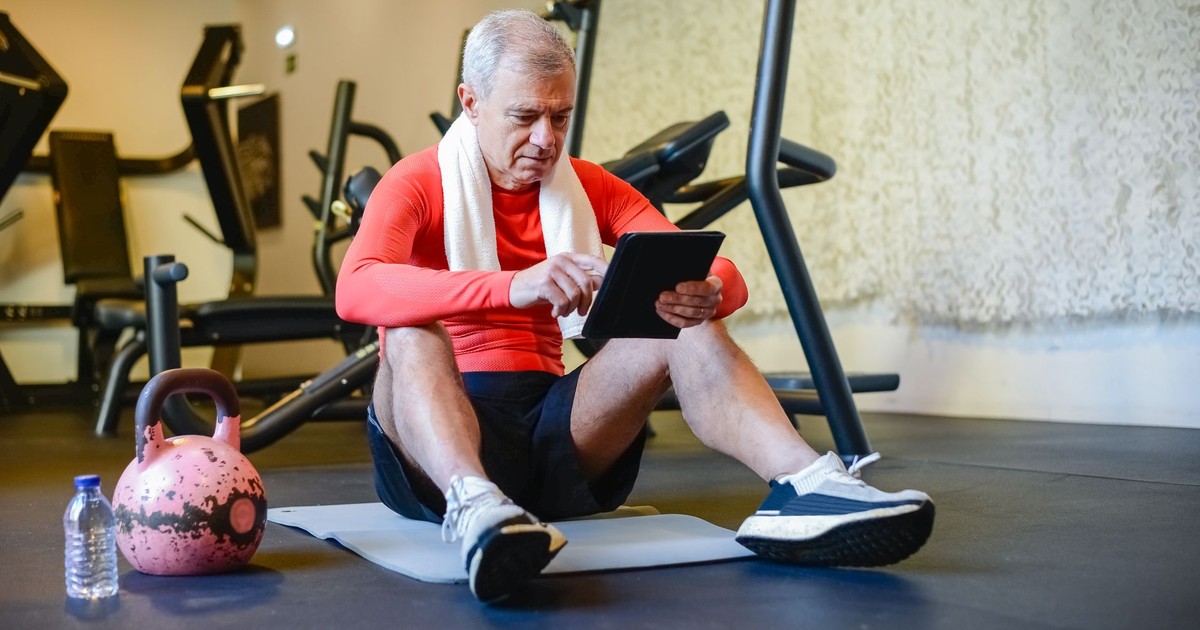
Walking remains worth doing. That is not in doubt. It supports heart health, blood sugar regulation, and balance. It also maintains some degree of bone density over time. The 2026 Semmelweis review of many studies doesn’t argue against it. It argues that walking alone sets the bar too low for bone formation specifically. The bone-building signal measured in this research required intensity, explosiveness, and multidirectional load. Those are qualities that daily walks don’t deliver.
The evidence points to adding two to three sessions per week. Those sessions should be something higher intensity. That could be a recreational sport or a jump training circuit. It could even be a structured set of box jumps and lateral bounds tacked onto a regular walk. The Journal of Sports Sciences review found a clear result. Jump training alone produced measurable femoral neck density gains in older adults. And research published in the Translational Journal of the American College of Sports Medicine found a similar result. Plyometrics can be as effective as traditional weight training for bone health. That suggests that layering movement types produces better results than relying on any single approach.
If you’re 45 or older and haven’t done high-impact movement in a while, start with a conversation with your doctor. Do not start with a jump onto a box. Joints need time to adapt. And the gains from explosive training accumulate over months, not sessions. The six exercises above represent a practical range. They go from low-barrier options like stair step-ups to higher-intensity sports like handball. So there’s an entry point regardless of current fitness level.
Disclaimer: The author is not a licensed medical professional. The information provided is for general informational and educational purposes only and is based on research from publicly available, reputable sources. It is not intended to constitute, and should not be relied upon as, medical advice, diagnosis, or treatment. Always consult a licensed physician or other qualified healthcare provider regarding any medical condition, symptoms, or medications. Do not disregard, avoid, or delay seeking professional medical advice or treatment because of information contained herein.
AI Disclaimer: This article was created with the assistance of AI tools and reviewed by a human editor.