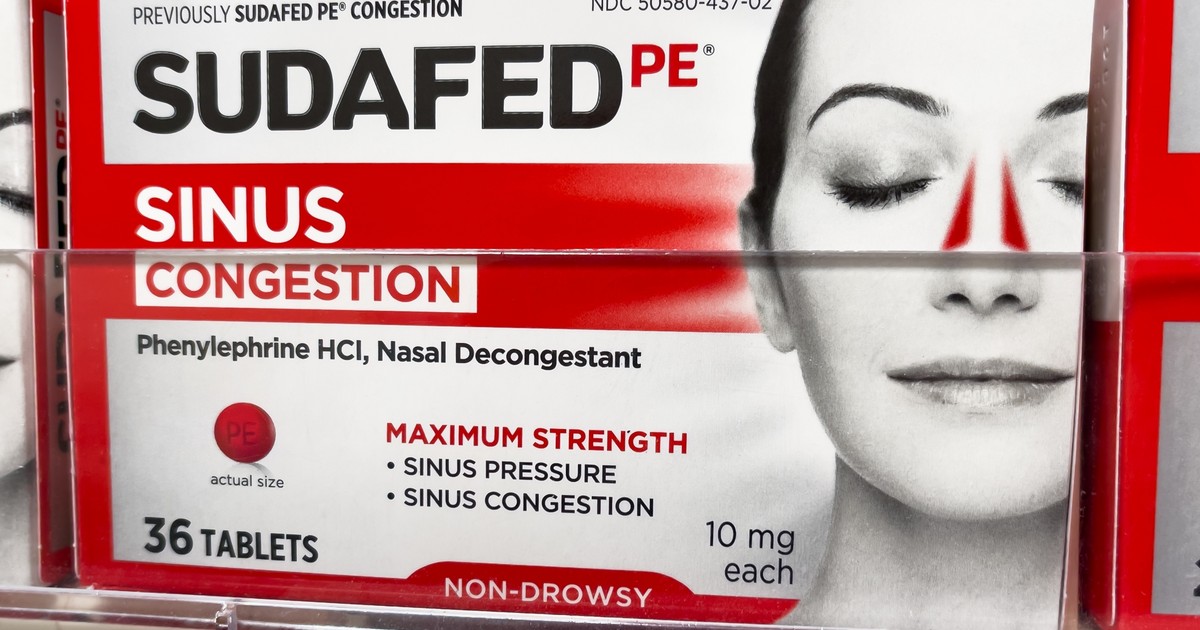

In November 2024, the FDA proposed taking oral phenylephrine out of cold and allergy medicines sold without a prescription. A long review found it does not work for a stuffed nose. If you’ve been reaching for products like Sudafed PE, the ingredient meant to clear your congestion may never have worked.
The proposal is about how well the drug works, not about safety. Products that contain oral phenylephrine can still be sold until the agency issues a final order. The public comment period on the proposed order closed in May 2025. The FDA still has not made that order final. Look at the Drug Facts label on your cold medicine before you buy it next time. That check can save you money and point you toward something that works.
1. The Oral Phenylephrine Effectiveness Problem Goes Back Decades
The FDA first accepted phenylephrine as a drug that works for a stuffed nose. That decision rested on studies from the 1960s and 1970s. Those studies were very small. They also used methods that are no longer seen as adequate.
A 2015 randomized, placebo-controlled trial tested oral phenylephrine hydrochloride, a salt form of the drug. It used doses of 10, 20, 30, and 40 mg. The trial enrolled 539 adults with seasonal allergic rhinitis, or hay fever that stuffs up the nose. Participants took these doses every four hours for seven days. At every dose, the drug was no better than a placebo at easing congestion.
New data on bioavailability, or how much of a drug reaches the blood, helped explain why. Less than 1% of oral phenylephrine reaches the blood in an active form. Older papers had put that share at 38%. That leaves almost none to narrow the blood vessels in the nose. A 2007 Schering-Plough study in 14 adults found the same result. Oral bioavailability was less than 1%. Almost all of the drug was broken down before it reached the blood.
2. The FDA Advisory Committee Vote Was Unanimous

In September 2023, the FDA’s Nonprescription Drug Advisory Committee reviewed the data. The committee voted unanimously. It said the evidence does not show that oral phenylephrine works for a stuffed nose at the doses sold in stores.
Read More: How Dangerous Are Interactions Between Herbal Medicines And Prescribed Drugs?
In November 2024, the FDA acted on that advice. The agency formally proposed removing oral phenylephrine from these products. Dr. Patrizia Cavazzoni, director of the FDA’s Center for Drug Evaluation and Research, spoke about the proposal at that time. She said the agency was proposing removal “because it is not effective as a nasal decongestant.”
3. These Products Are Still Legal and Still Being Sold

Because the proposal is about how well the drug works, not about harm, makers do not have to pull these products from shelves right away. Many stores still sell them.
CVS did take some of them off its shelves. In October 2023, after the advisory vote, the chain said it would remove some oral cough and cold products. Those were the ones in which phenylephrine is the only active ingredient. Products that mix phenylephrine with other ingredients can still be sold there.
Many cold products that treat more than one symptom include phenylephrine plus other ingredients. These include acetaminophen, which treats pain and fever, or dextromethorphan, which treats cough. Those products are still widely stocked. A product with acetaminophen and oral phenylephrine can still help a headache or fever. It just won’t clear your congestion. Check the Drug Facts label on the back of any cold medicine. It will show which active ingredients it contains and what each one is meant to treat.
4. Nasal Sprays With Phenylephrine Are a Different Story
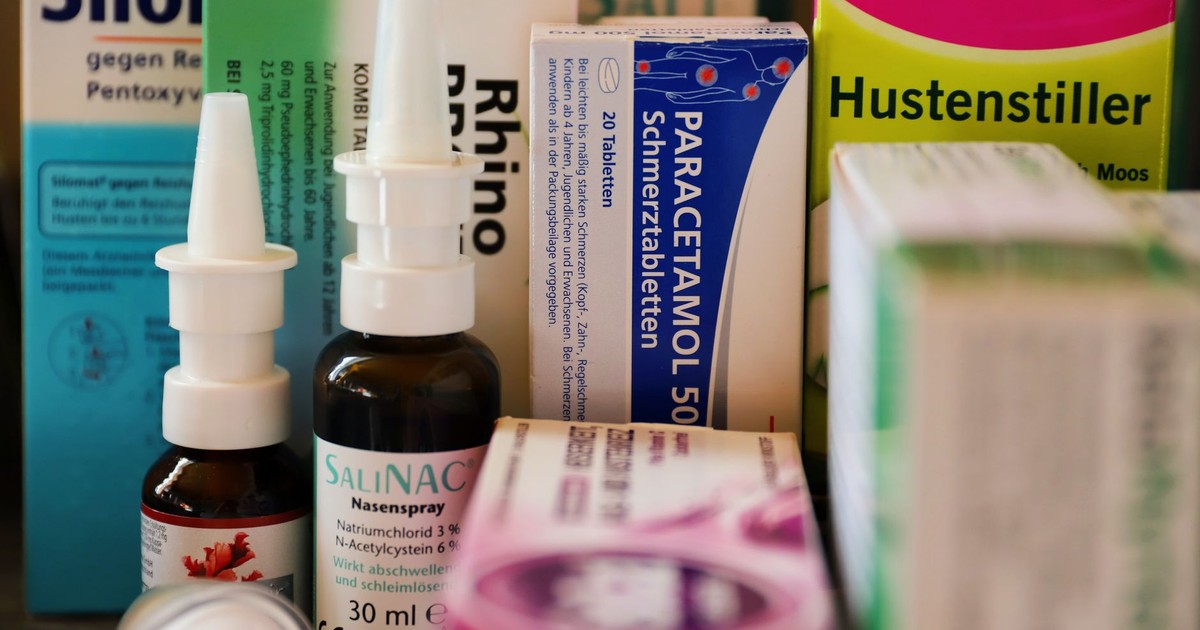
The FDA’s proposal applies only to products you swallow. It does not apply to nasal sprays. When phenylephrine is sprayed into the nose, it does not need to pass through the gut. It can act right where the swelling is.
Phenylephrine nasal sprays are still on the market. The FDA lists nasal sprays among the options for a stuffed nose. Ask a pharmacist which spray fits your symptoms and how long to use it.
5. Pseudoephedrine Is the Oral Decongestant That Actually Works
The FDA lists oral pseudoephedrine as an option for short-term relief of a stuffed nose. The agency also says other safe and effective treatments are still available.
Pseudoephedrine is sold behind the pharmacy counter, not on open shelves. That is not because the medicine is unsafe when used as directed. The drug can be used to make methamphetamine. Federal law requires it to be sold behind the counter and limits how much you can buy each month.
Ask a pharmacist about the right dose of pseudoephedrine for your age and any other drugs you take before you use it.
6. Non-Drug Options Can Also Relieve a Stuffed Nose

You don’t always need medicine for a stuffed nose. The FDA lists several options that do not use a drug, and they can help, especially for children. These include cool mist humidifiers, saline (saltwater) nose drops or sprays, and nasal suctioning with a bulb syringe.
Saline sprays and rinses thin mucus and help flush it from the nose. Cool mist humidifiers add moisture to dry indoor air. That can ease the dryness and swelling that make congestion feel worse.
If you are treating a young child, many cold products that mix several ingredients warn against use in that age group. A humidifier or saline spray is often the best first step. Always read the full Drug Facts label. Talk with a pediatrician or pharmacist before giving any cold medicine to a young child.
What to Do Now

Start by picking up your current cold medicine, turning it over, and reading the Drug Facts label. Look under Active Ingredients. If you see “phenylephrine” or “phenylephrine HCl” listed with the purpose “nasal decongestant,” that ingredient is not doing the job you are paying for, based on the FDA’s current review. Other active ingredients in the same product may still help with pain, fever, or cough.
For relief of a stuffed nose, ask your pharmacist about pseudoephedrine. It is sold behind the counter at most pharmacies. You could also ask about a phenylephrine nasal spray, or try saline rinses if you want to avoid medicine. If your congestion does not improve within seven days, or if it comes with a fever, see a doctor. The FDA has not issued a final order on oral phenylephrine, so nothing has been banned.
Disclaimer: The author is not a licensed medical professional. The information provided is for general informational and educational purposes only and is based on research from publicly available, reputable sources. It is not intended to constitute, and should not be relied upon as, medical advice, diagnosis, or treatment. Always consult a licensed physician or other qualified healthcare provider regarding any medical condition, symptoms, or medications. Do not disregard, avoid, or delay seeking professional medical advice or treatment because of information contained herein.
AI Disclaimer: This article was created with the assistance of AI tools and reviewed by a human editor.