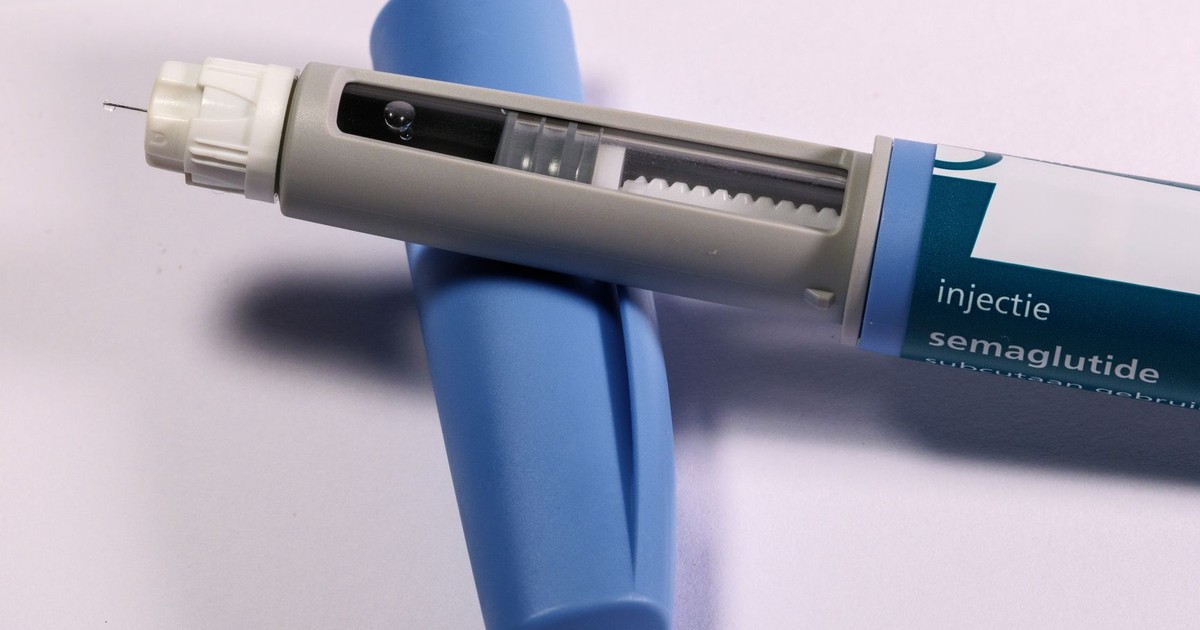

Two men developed severe mental health symptoms within weeks of stopping tirzepatide (Mounjaro, Zepbound). Tirzepatide is a GLP-1 class weight loss drug. One man had hallucinations and delusions. The other had a manic episode. Both men already had mental health histories. These are only two cases, and they do not prove the drug caused the symptoms. The authors of the case report say the pattern may be a risk that is easy to miss. They say it needs more study. Both cases involved tirzepatide, not Ozempic (semaglutide). Ozempic belongs to the same GLP-1 receptor agonist drug class. If you take any GLP-1 drug, talk to your doctor about side effects. Do this both while you are on the drug and after you stop it.
The reports were described in the Primary Care Companion for CNS Disorders and later covered by the New York Post. They are case reports, not proof that this happens to most people who stop a GLP-1 drug.
Semaglutide side effects are well-documented in labeling and clinical data. Doctors and patients have clear sources to review. They range from common gut problems to rare but serious risks. The two new mental health cases raise questions that the team is just starting to study.
What Happened When Two Men Stopped Tirzepatide
Two case reports were published in the Primary Care Companion for CNS Disorders. They describe what happened to two men after they stopped tirzepatide.
A 61-year-old man stopped tirzepatide in August 2025 because of nausea. Two months later, he was sent to the hospital for worsening confusion and erratic behavior. He had paranoia, hallucinations, and Cotard’s delusion. Hallucinations included both hearing and seeing things that were not there. Cotard’s delusion is a rare condition. In this condition, a person believes they are dead or do not exist. He met the criteria for a psychotic disorder. He had a prior history of depression. His condition had gotten much worse in the month before he went to the hospital. Brain scans came back normal. So did tests of the fluid around the brain. A brain-wave test (a test that measures electrical activity in the brain) also came back normal. Doctors started him on antipsychotic medications. He was later sent back to the hospital for depression with catatonic features. This means he could not move or respond normally. He needed hospital care. This included ECT.
The second case involved a 52-year-old who stopped tirzepatide all at once in September 2025. He had lost 100 pounds over six months. One month later, doctors admitted him for erratic behavior and mood swings. His symptoms met the criteria for a manic episode. His symptoms included fast, non-stop, incoherent speech. He also showed impulsivity, irritability, and grandiosity. Grandiosity means an inflated sense of one’s own power or importance. He had a prior history of anxiety. His lab work came back largely normal except for a low vitamin B12 level. Doctors gave him an antipsychotic and transferred him to a mental health hospital.
Both cases involved tirzepatide, not Ozempic specifically. Ozempic is in the same GLP-1 receptor agonist drug class. These particular cases did not involve semaglutide. The authors say sudden mood or psychotic symptoms after stopping a GLP-1 drug may be an overlooked side effect. They call for more research into how these drugs affect the brain. The cases do not prove causation. Two patients with pre-existing mental health conditions is a very small sample. It is not enough to draw firm conclusions.
Read More: 14 Semaglutide Side Effects You Should Know About
Why GLP-1 Drugs Affect the Brain at All
GLP-1 drugs act on more than the digestive system. They also reach deep into the brain. Research from the University of Virginia suggests these drugs affect a brain circuit. That circuit is linked to emotions and reward. The circuit controls how the brain uses dopamine in response to high-calorie food. Dopamine is the brain chemical tied to motivation, desire, and pleasure.
The case report authors suggest that stopping a GLP-1 drug could trigger swelling in the brain and spinal cord. GLP-1 drugs act on more than the digestive system. This could affect dopamine production. In people already at risk, it may contribute to psychotic symptoms. The idea that stopping a GLP-1 drug could cause swelling in the brain is still a guess. So is the idea that it could affect dopamine. It is not a proven cause. The authors note that both men had mental health histories. One had depression and the other had anxiety. This prior history may have played a role.
If you have a history of depression or anxiety and you take a GLP-1 drug, talk to your doctor first. Do this before changing your dose or schedule. Do not stop all at once on your own.
Semaglutide Side Effects: What the Label Says
The side effects of semaglutide (Ozempic, Wegovy) come from drug labels and large trials. The mental health case reports above are early-stage findings. The effects below have much stronger evidence behind them.
Gut effects are the most common. Constipation and stomach pain are also common. These side effects are more likely when starting the medication or increasing the dose. In clinical studies of Ozempic injection, about 16 to 20 percent of adults had nausea. Vomiting occurred in about 5 to 9 percent, as reported by drugs.com.
Stomach emptying and bowel complications. GLP-1 drugs including Ozempic have been linked to gastroparesis and intestinal blockages. Gastroparesis means stomach paralysis. These conditions involve the stomach or intestines slowing down so much that food cannot move through as it should. The FDA prescribing label notes that the drug is not recommended in patients with severe gastroparesis.
Pancreatitis. Ozempic may cause swelling of the pancreas. This is called pancreatitis. This is a serious event. Get medical help right away.
Kidney injury. Kidney damage can occur with Ozempic use. The risk is higher if you get dehydrated. Severe or ongoing nausea, vomiting, or diarrhea can cause that. This is one reason doctors advise staying well-hydrated. Contact your healthcare provider if gut side effects are severe or lasting.
Gallbladder problems. GLP-1 medicines may raise the risk of gallstones and gallbladder swelling. This risk may be higher with fast weight loss. Watch for severe upper abdominal pain or pain between the shoulder blades. Fever, nausea, or vomiting are also signs to act on. Drugs.com notes that semaglutide carries warnings for acute gallbladder disease and pancreatitis. Kidney injury and allergic reactions are also listed.
Eye changes. The Cleveland Clinic lists worsening of diabetes-related retinopathy as a serious risk of GLP-1 agonists. Retinopathy is a type of eye damage. It means damage to the blood vessels at the back of the eye. This risk appears to be linked to rapid drops in blood sugar. This risk is most relevant for people who already have diabetic retinopathy. If you have diabetes and existing eye disease, talk to your doctor before starting a GLP-1 drug. Ask about an eye exam schedule.
The Thyroid Warning You Should Know About
Semaglutide carries a top safety warning about the risk of thyroid C-cell tumors. In rodents, semaglutide caused thyroid C-cell tumors at doses similar to those in humans. It is not known whether semaglutide causes those tumors in humans. This includes medullary thyroid carcinoma (MTC). It is not known if this applies to people, per the FDA prescribing label. Rodent findings do not automatically apply to humans, but the warning is real. Before starting semaglutide, tell your doctor about any personal or family history of medullary thyroid cancer. Also mention MEN 2, which stands for multiple endocrine neoplasia type 2. Report any neck lump, hoarseness, or trouble swallowing to your doctor right away.
What Happens When You Stop
Weight often returns after stopping a GLP-1 drug. The drug suppresses appetite while you take it, and that effect reverses when you stop. Blood sugar can also change after stopping. This is especially true for people with diabetes. Stopping suddenly, without a plan from your doctor, may also carry extra risks. The case reports above suggest this, though the evidence is still very limited.
When you lose weight on these drugs, some of that loss can include lean muscle as well as fat. Muscle loss is a real concern for older adults. It can affect strength, balance, and how the body uses energy, even when body weight is going down. Strength training and eating enough protein during treatment can help protect muscle mass. How best to protect muscle during treatment is a talk that belongs with your doctor or a registered dietitian.
The two case reports involved men who had prior histories of depression and anxiety. One had depression. The other had anxiety. This may have played a role. Do not stop any medicine all at once without that conversation. These are two cases, not population-level data. The authors suggest that removing the drug may disrupt dopamine levels in the brain. This idea is a hypothesis that needs more study.
What to Do Now
Talk to your doctor before starting, stopping, or changing the dose of any GLP-1 drug. Do not stop abruptly on your own, particularly if you have a mental health history. The side effects listed above include gut problems and pancreatitis risk. Kidney injury from dehydration is also listed. They also include gallbladder disease, eye changes in people with retinopathy, and a thyroid warning. All of these can be managed when caught early. The mental health effects in these two case reports are early findings. They need more study. Tell your doctor right away if you notice mood changes or unusual thoughts. Do this if you are on a GLP-1 medicine or have recently stopped one.
The authors of the tirzepatide case reports urge doctors to watch for possible mental health effects. This is when patients stop GLP-1 treatment. Broader research into how these drugs interact with brain chemistry over time is still going on. Stay in touch with your prescriber. Tell them how you feel, both in body and mind. This matters while taking these medicines and after stopping them.
If you or someone you know is having thoughts of self-harm or suicide, call or text 988. That reaches the Suicide and Crisis Lifeline.
Editor’s note: The two mental health cases described in this article involved tirzepatide (Mounjaro, Zepbound), not Ozempic (semaglutide). Both are GLP-1 class drugs, but the article title’s reference to Ozempic users may mislead readers.
Disclaimer: The author is not a licensed medical professional. The information provided is for general informational and educational purposes only and is based on research from publicly available, reputable sources. It is not intended to constitute, and should not be relied upon as, medical advice, diagnosis, or treatment. Always consult a licensed physician or other qualified healthcare provider regarding any medical condition, symptoms, or medications. Do not disregard, avoid, or delay seeking professional medical advice or treatment because of information contained herein.
AI Disclaimer: This article was created with the assistance of AI tools and reviewed by a human editor.