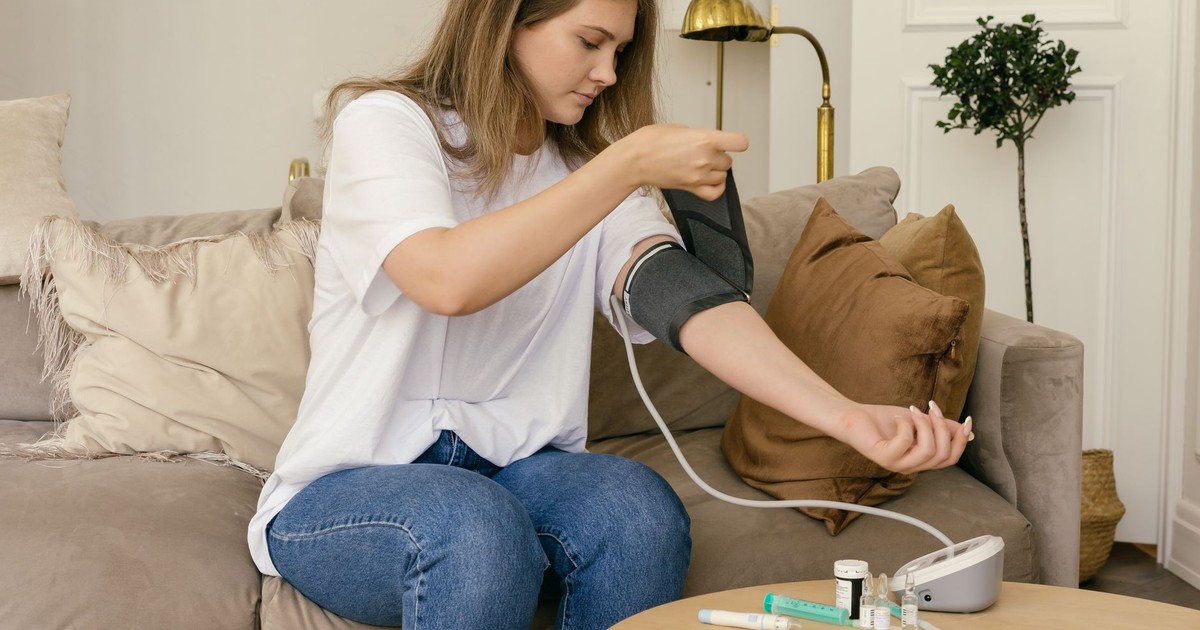

Using the wrong blood pressure cuff size is the number one mistake people make when checking their blood pressure at home. That is according to nurse practitioner Kieran Jones, in an EatingWell report published November 17, 2026. A cuff that is too small raises your systolic reading. One size too small pushes it up by 4.8 mm Hg. Two sizes too small pushes it up by 19.5 mm Hg. A cuff that is too large can pull the reading down by about 3.6 mm Hg. A difference of that size is large enough to change whether a clinician puts you on medication.
Blood pressure cuff size rarely comes up when people learn to use a home monitor. Jones notes that many people do not know cuffs come in different sizes at all. Most automated monitors ship with one cuff, and many people assume it fits them well enough. It frequently does not.
High blood pressure has no warning signs in most people. A reading inflated by a tight cuff could lead to medicine you do not need. A reading that is artificially deflated by a loose cuff could mask a real problem in people who have no warning signs. The fix for an inaccurate reading caused by a loose cuff is straightforward once you understand it.
Why Blood Pressure Cuff Size Changes Your Numbers.
The 2023 Cuff(SZ) trial tested what happens when you measure blood pressure with a cuff that does not fit. It was a randomized crossover study, meaning each person was tested under more than one condition. It included 195 adults living in the community, with an average age of 54 years. Some people need a small cuff. When they used a standard cuff instead, their systolic reading came in 3.6 mm Hg too low. Among those who needed a large cuff, the regular cuff overestimated systolic pressure by roughly 5 mm Hg. For participants requiring an extra-large cuff, that overestimation reached 19.5 mm Hg.
Read More: What’s Considered High Blood Pressure Changes With Age: Here’s What’s Normal For Each Age Group
According to McGill University’s Office for Science and Society, a 5 mm Hg difference is often enough to determine whether someone starts blood-pressure medication. A 19.5 mm Hg error is not a rounding problem. It is the gap between a reading that looks like a small concern and one that looks like a medical emergency.
Inside the cuff is an inflatable part called the bladder. It is designed to briefly squeeze the artery in your upper arm. By standard guidance, that bladder should wrap around 80% of the arm’s circumference. Adult cuffs come in four sizes: small, regular, large, and extra-large. When the bladder is too short for the arm, it has to press harder to squeeze the artery. That extra effort makes the monitor report a higher pressure than is actually there. When it is too long, it over-compresses and reads low.
How to Find the Right Cuff.
Measure your mid-upper arm circumference before you buy or rely on a home monitor. Guidelines say to place the cuff at the midpoint of your upper arm. That is usually the middle of the bicep. Keep your arm relaxed at your side. Use a soft measuring tape and record the number in centimeters.
Many automated monitors ship with only a single cuff, so check your monitor’s specifications and buy a separately sold cuff if needed.
The National Heart, Lung, and Blood Institute notes that using the correct cuff for your arm size is important for accurate readings. Using a validated upper-arm monitor is also advisable.
Other Errors That Skew Home Readings.
Cuff size is the biggest problem, but it is rarely the only one. Several preparation steps are easy to overlook.
Smoking, caffeine, and exercise all temporarily raise heart rate and blood pressure. Do not check right after making coffee or finishing a workout. CDC guidance on how to measure blood pressure covers this kind of prep. Those readings will not reflect your resting state.
Talking during a measurement is another common slip. Put the phone down and do not talk while the monitor is running. Wait until it beeps.
Arm position matters more than most people realize. Sit upright with your back supported and feet flat on the floor. Rest your arm on a flat surface at heart level. Letting your arm hang or rest in your lap changes the pressure in your blood vessels and skews the reading. Crossing your legs at the knees also nudges the reading upward.
Cuff placement over clothing is a problem as well. Even a thin shirt sleeve adds resistance that the monitor’s algorithm does not account for. Place the cuff directly against bare skin, with the lower edge about one inch above the bend of the elbow.
White coat syndrome is when blood pressure climbs because of the stress of being watched or measured. Home monitoring sidesteps that issue, but only if the technique is correct.
Why Getting This Right Matters.
High blood pressure is one of the most important and preventable risk factors for cardiovascular disease. This means disease of the heart and blood vessels. Treating it, through lifestyle changes or medication, reduces the risk of heart attack, stroke, and cardiovascular death. That chain of benefit depends on measuring it correctly in the first place.
Home readings taken over time give your care team a much clearer picture of your true blood pressure. One office visit cannot do that. Errors that push readings too high may lead to medication that is not needed. Errors that push readings too low may delay treatment that is needed.
What to Do Now.
Start by measuring your upper arm circumference. If you do not have a soft measuring tape, a piece of string and a ruler work fine. Compare the measurement against the size guide for your monitor. Check whether your arm fits within the range the included cuff covers. If it does not, order the right size before your next reading.
Sit quietly for five full minutes before taking any measurement. Take at least two readings, one to two minutes apart. Keep a log that you can share with your clinician. Note the time of day, which arm you used, and any changes from your usual routine.
Do your home readings often surprise you? If they seem higher or lower than you expect, bring your monitor and your log to your next appointment. Do not adjust anything on your own. Your clinician can check your technique, confirm your cuff size, and decide whether the numbers change your care plan. That conversation is far more useful than worrying about a single reading taken in a hurry before breakfast.
Disclaimer: The author is not a licensed medical professional. The information provided is for general informational and educational purposes only and is based on research from publicly available, reputable sources. It is not intended to constitute, and should not be relied upon as, medical advice, diagnosis, or treatment. Always consult a licensed physician or other qualified healthcare provider regarding any medical condition, symptoms, or medications. Do not disregard, avoid, or delay seeking professional medical advice or treatment because of information contained herein.
AI Disclaimer: This article was created with the assistance of AI tools and reviewed by a human editor.