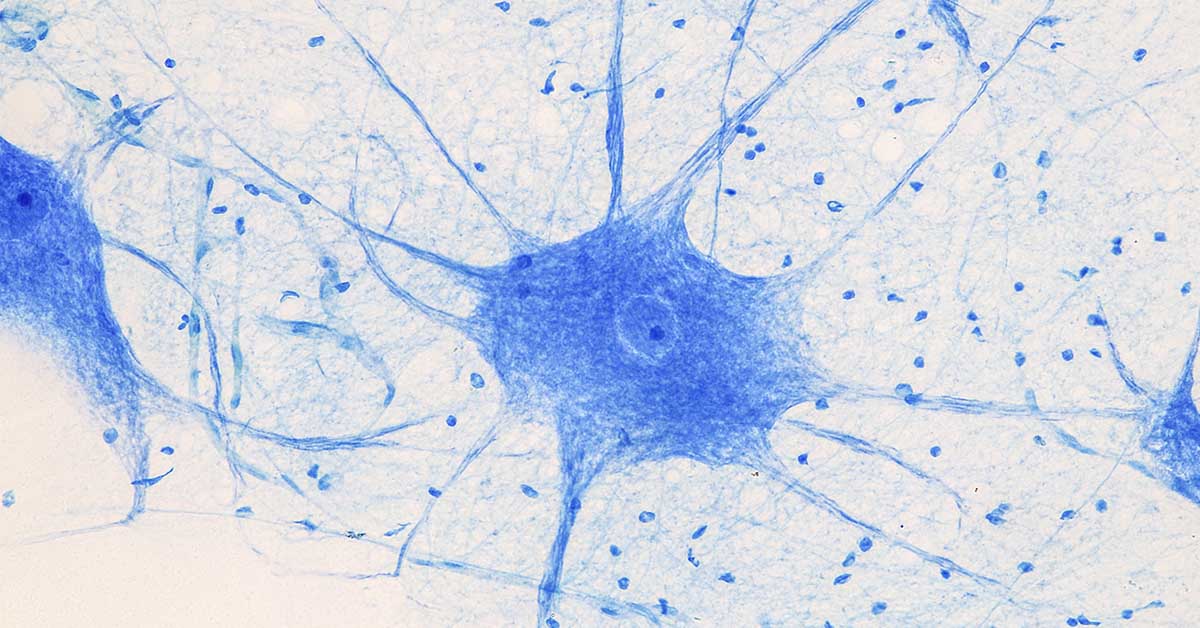

The question of whether adult brains grow new brain cells has been debated for more than 60 years. Known as “neurogenesis”, this process has been observed in the brain of other adult animals, yet its existence in human brains has until now been hypothetical. However, researchers have recently discovered new neurons in the brains of adult individuals as old as 78 years of age. Furthermore, they believe they have discovered the brain cells from which the neurons emerged.
The Study on How Adult Brains Grow New Brain Cells
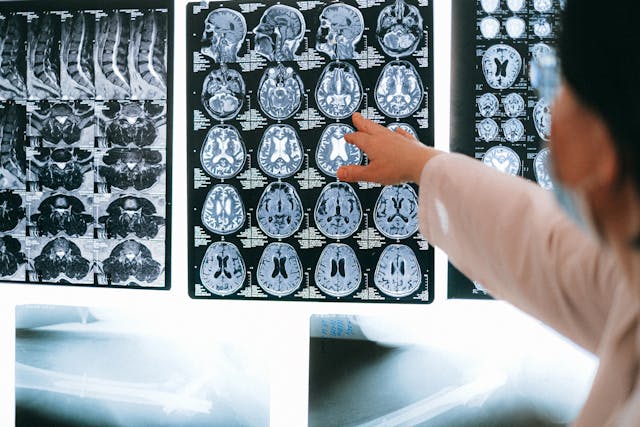
The study was the first to show that certain cells, called neural precursor cells, have the ability to turn into neurons in adult human brains. This provides strong evidence that the whole process can be observed in humans, from the precursor cells through to the immature neurons. During the gestation process, the human brain produces 100 billion neurons with which we begin life. Throughout our lifetimes, that number declines as we grow older. In the early 1960s, studies involving rats revealed that neurogenesis was an ongoing process throughout the rats’ lives.
Other studies further revealed that young neurons could be found in the brains of human adults. However, researchers were unsure whether these immature neurons were actually new or whether some simply slowly developed during adulthood. These studies made one thing clear, though. If neurogenesis did occur in humans, it likely happened in the part of the brain that plays a role in memory, the hippocampus. However, even in this deep-brain structure, the neuroscientists were not able to find the precursor cells that develop into new neurons.
Researchers at Sweden’s Karolinska Institute had found immature neurons in the human brain in their previous studies. For their latest study, the team set out to find out how these neurons came into existence. Using a combination of new techniques, the team examined neural precursor cells and immature neurons in the hippocampi of six deceased children whose brains had been donated to scientific research. The team then sequenced RNA using more than 100,000 cells, producing a molecular fingerprint that can reveal which stage of life a cell is in. According to the study’s lead author, Marta Paterlini, “It’s not a matter of one marker defining active neurogenesis; it’s the combination of many markers.”
Read More: Woman’s Inoperable Brain Tumor Responds Rapidly to New Cancer Treatment
The Results of the Study Were Fascinating
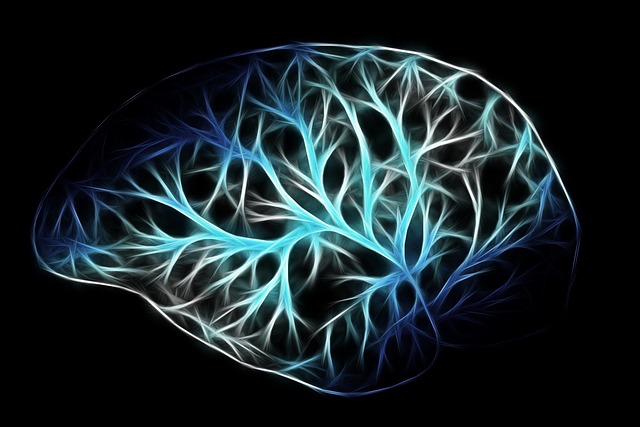
Once these markers were identified in the children’s brains, the researchers then looked for the same signatures in the brains of 19 deceased donors ranging from 13 to 78 years of age. Except for one individual, all of the brains examined contained immature neurons. Furthermore, neural precursor cells were discovered in all of the young brains and 12 of the 19 adolescent and adult brains. Two of the adult brains were noted for containing many more precursor cells and young neurons than the other brains. The abundance of neurogenesis in the younger of the two people could be connected to his epilepsy.
Mouse studies have previously revealed that seizures can be caused by high levels of neurogenesis. However, it is still unclear whether this connection exists in humans as well. The researchers suspect that this process occurs in other regions of the adult brain, too. While it is still unclear if the same is true for humans, new neurons can be found in mice’s olfactory bulbs. The team hopes to find out where neurogenesis may occur in the human adult brain next. Several mouse studies have indicated that a disruption of the neurogenesis process could be linked to depression and Alzheimer’s disease.
According to another co-author of the study, Ionut Dumitru, “Learning more about how neurogenesis happens – and whether the process can be altered – could prove helpful for understanding a range of disorders and diseases.” Now that it is clearer that neurogenesis occurs in the adult brain, researchers can start turning towards other questions. For example, how does neurogenesis contribute to brain function, and how does it affect various disorders?
The Bottom Line

In the early 1900s, brain cells were considered “fixed, ended, and immutable” after a baby was born. However, from the 1990s onwards, many studies revealed results that challenged these long-held assumptions. These new studies, however, have not only discovered these cells and neurons but have also begun to understand how they are formed. While their findings suggest that the new neural growth rate is slow in adults, it is still an encouraging finding. They now hope to learn how differences in the rate of neurogenesis may contribute to issues such as cognitive decline. This information could potentially help in the development of new therapies for conditions such as Alzheimer’s disease.
Read More: Ways Magnesium May Benefit Brain Health