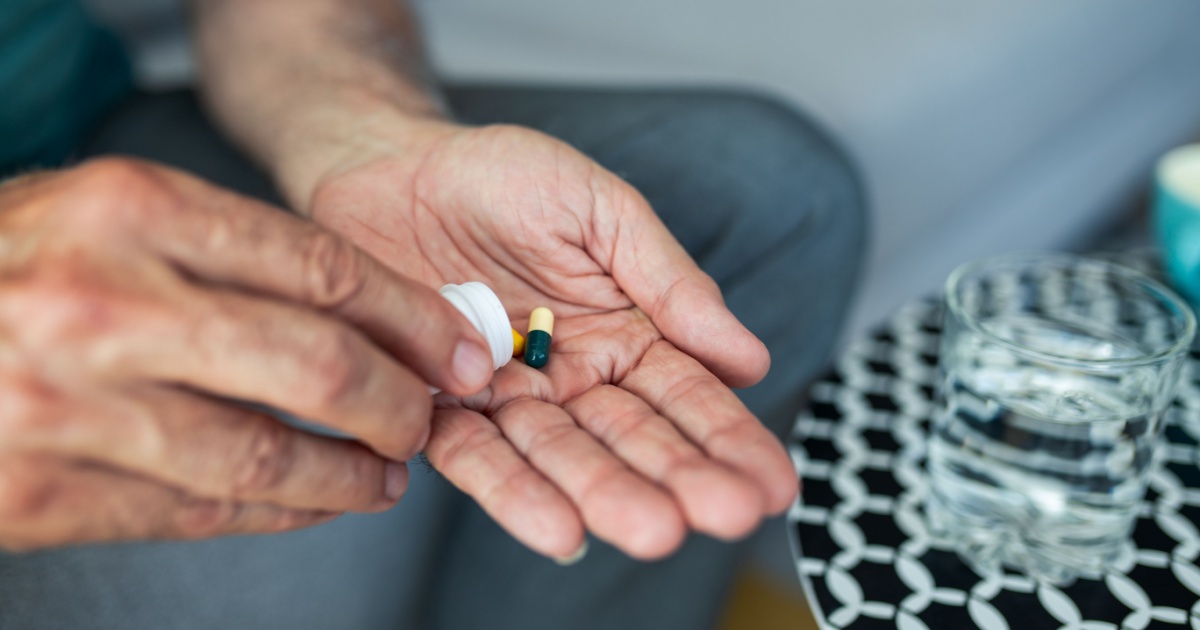

A pharmaceutical company has now pulled the same generic antidepressant from shelves for the fourteenth time since 2024, each time for the same reason: a chemical contaminant with links to cancer risk. Each of those fourteen actions involves the same drug, the same manufacturer, and the same class of impurity.
Breckenridge Pharmaceuticals is pulling both the 30mg and 60mg versions of duloxetine delayed-release capsules, a generic form of the brand-name drug Cymbalta, from shelves nationwide. At the center of the action is a chemical called N-nitroso-duloxetine, part of a family of compounds known as nitrosamines – the same class of contaminant that triggered major recalls of blood pressure medications and heartburn drugs in recent years. This latest pull affects close to 375,000 bottles distributed across the country.
Duloxetine is used to manage major depressive disorder, generalized anxiety disorder, fibromyalgia, diabetic peripheral neuropathy, and chronic musculoskeletal pain. It belongs to the class of drugs known as serotonin and norepinephrine reuptake inhibitors, or SNRIs – medications that work by boosting the levels of two key mood-regulating brain chemicals simultaneously. The drug has been prescribed in the United States since the FDA approved it in 2004, and prescription volumes have climbed steadily in the decades since. Antidepressant recall contamination of this kind is, for many patients managing serious conditions, genuinely alarming news – but the actual risk profile is more specific than the headlines suggest.
What the Antidepressant Recall Contamination Actually Involves
The recall was issued due to the presence of N-nitroso-duloxetine, an impurity found in the drug at levels that exceed the FDA’s recommended limit. That limit exists for a precise reason. The FDA defines an acceptable intake limit as a level that approximates an increased cancer risk of one additional case in 100,000 subjects, based on a conservative assumption of daily exposure to a mutagenic impurity over a lifetime of 70 years.
Nitrosamine impurities may increase the risk of cancer if people are exposed to them above acceptable levels and over long periods of time, but a person taking a drug that contains nitrosamines at or below the acceptable daily intake limits every day for 70 years is not expected to have an increased risk of cancer. The concern with the recalled duloxetine is precisely that it exceeded those limits – not that exposure has been proven harmful to anyone taking these particular pills.
While there is no specific evidence linking N-nitroso-duloxetine directly to cancer, it belongs to a class of compounds known as nitrosamines, some of which are considered probable human carcinogens. Nitrosamine compounds are classified as probable human carcinogens by the International Agency for Research on Cancer, and “N-nitroso” compounds are identified as a “cohort of concern” in internationally harmonized pharmaceutical guidance. The classification is chemical and precautionary – it’s based on the compound’s structural similarity to known carcinogens, not on documented cases of cancer caused by this specific impurity.
The Specific Lots and Who Is Affected
The pills were manufactured in Spain by Towa Pharmaceutical Europe and distributed by Breckenridge. The 30mg capsules – Lot 241180C, expiring April 2027 – were packaged in 1,000-capsule bottles, with about 14,729 bottles affected.
The 60mg capsules were packaged in both 90-count and 1,000-count bottles, with multiple lots affected and expiration dates ranging from November 2026 through May 2027. Approximately 359,676 bottles were affected. Together, the two strengths account for the near-375,000-bottle total being pulled from the market.
This Class II recall was initiated on April 21, 2026, by Breckenridge Pharmaceutical. The stated reason was CGMP deviations and the presence of N-nitroso-duloxetine impurity above the FDA recommended limit. According to the FDA’s enforcement database, the product was distributed nationwide, and the recall is currently ongoing.
A Class II recall means the situation is one in which use of or exposure to the product may cause temporary or medically reversible adverse health consequences, according to the FDA. In plain terms: this is a regulatory and quality violation, not an acute safety emergency. There have been no reported adverse effects connected with the recalled prescription medication.
A Pattern That Predates This Recall
This is Breckenridge’s fourteenth recall event for duloxetine due to nitrosamine impurities since 2024. The FDA’s enforcement database for this product’s NDC number lists more than a dozen separate recall actions going back through 2024 and 2025, each citing the same impurity and the same manufacturer.
By August 2025, manufacturers were required to ensure that any nitrosamine drug-related contaminants in their products adhered to the FDA’s approved acceptable intake level, according to FDA guidance on nitrosamine impurity acceptable intake limits. Many applicants submitted proposals, but the FDA acknowledged that full implementation timelines varied and that the original deadline was not achievable for all approved applications.
An earlier recall gives context to how long this issue has persisted. On October 23, 2024, the FDA announced a Class II recall of 7,107 bottles of 20mg duloxetine delayed-release capsules from lot #220128 due to the presence of N-nitroso-duloxetine. That recall was initiated on October 10. A 2024 report from Pharmacy Times documented that action in full. The current recall is far larger in scale, covering doses far more commonly prescribed.
Nitrosamine issues typically arise from synthesis and materials – solvents, catalysts, recycled streams, nitrites in excipients or packaging – not dosage-form formulation defects. Duloxetine’s secondary amine chemistry creates a plausible mechanistic susceptibility to nitrosamine formation. That chemistry doesn’t excuse recurring failures – it explains why rigorous root-cause controls are especially critical for this drug.
The FDA has been investigating the presence of nitrosamine impurities in drug products since June 2018, when the problem first emerged in blood pressure medications containing valsartan. Subsequent investigations revealed nitrosamines in other drug products, including antidiabetic medications, antacids, and smoking cessation products, leading to several drug recalls and heightened scrutiny from regulatory bodies. The heartburn drug Zantac – known generically as ranitidine – became the most high-profile casualty: the FDA requested its withdrawal from the market in April 2020 due to contamination with a different nitrosamine called NDMA. The duloxetine situation carries echoes of that episode but, so far, no comparable evidence of systemic cancer harm.
The Withdrawal Risk Patients Need to Know About
Stopping duloxetine abruptly carries its own health risk, and it’s more immediate than any cancer risk from the contamination. Patients who have been prescribed duloxetine should not stop taking their medication without first consulting their doctor, as abruptly discontinuing the drug can cause withdrawal symptoms.
Those symptoms are real and sometimes severe. Research published in The Lancet Psychiatry in 2024 found that roughly 15% of people who stop antidepressants abruptly experience discontinuation symptoms – dizziness, nausea, irritability, and flu-like sensations – and for some that experience is intense. The risk of those symptoms from stopping cold is, in the immediate term, far more certain than any cancer risk from the contamination itself.
Patients taking prescription medications with potential nitrosamine impurities should talk to their healthcare professional about concerns and any other treatment options. That advice applies to anyone who relies on this medication daily to manage depression, chronic pain, or anxiety.
The Refund Program and What to Do Now
As part of a class action settlement, Breckenridge established the Breckenridge Future Refund Program, which reimburses consumers for out-of-pocket costs related to unused or returned Breckenridge duloxetine that is recalled after May 22, 2025. If you purchased one of the recalled lots and paid out of pocket, you can seek reimbursement through that program directly with the company.
Healthcare providers and pharmacists are encouraged to check their inventory for the affected lot numbers and follow FDA guidance on returning or disposing of recalled product. If you fill a prescription for generic duloxetine – particularly the 30mg or 60mg delayed-release capsules – check the lot number printed on your bottle against those listed in the recall. The 30mg recall covers Lot 241180C; the 60mg recall covers multiple lots with expiration dates between November 2026 and May 2027.
Patients who are uncertain should contact their pharmacist first. A pharmacist can confirm whether a specific bottle falls under the recall scope and help coordinate a replacement prescription with a different lot or manufacturer if needed. Duloxetine is available from multiple generic manufacturers, and switching to a non-recalled lot is a straightforward option for most people.
Read More: One of the Most Popular Anxiety Drugs Has Been Recalled Nationwide
Moving Forward
Fourteen recall actions since 2024 involving the same drug, the same manufacturer, and the same contaminant class point to a systemic manufacturing control problem rather than a one-off quality failure. Uncertainty about the presence and acceptable amounts of nitrosamines in drug products has raised regulatory challenges and has led to some drug applicants and manufacturers conducting additional studies or discontinuing drug products from the market – in some cases resulting in drug shortages.
For patients currently taking duloxetine 30mg or 60mg, the practical steps are clear: check your bottle’s lot number against the FDA recall information, and call your pharmacist before making any decisions about your medication. If your lot is affected, ask for a replacement from a different lot or manufacturer. Asking your pharmacist which manufacturer your generic comes from – and whether that manufacturer has had prior contamination findings – is a reasonable question for anyone taking a medication that requires long-term daily use. If cost is a barrier to switching, contact Breckenridge directly about the Future Refund Program. The recall is an inconvenience. Stopping an SNRI without guidance from a doctor is not.
Disclaimer: The information provided here is for educational and informational purposes only and is not a substitute for professional psychological, psychiatric, or mental health advice, diagnosis, or treatment. Always seek the guidance of a licensed mental health professional, therapist, psychologist, or psychiatrist with any questions or concerns about your emotional well-being or mental health conditions. Never ignore professional advice or delay seeking support because of something you have read here.
AI Disclaimer: This article was created with the assistance of AI tools and reviewed by a human editor.
Read More: 8 Drug Interactions You Should Know About Before Taking Vitamin D