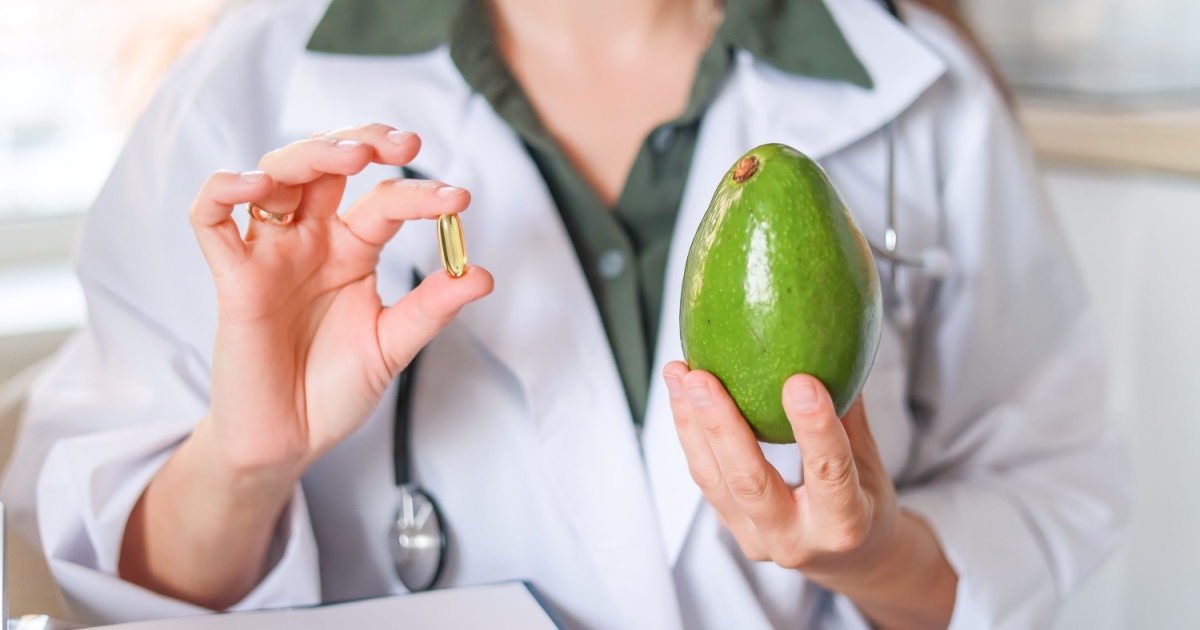

Most people know to steer clear of grapefruit when they’re on certain medications. What gets far less attention is a food sitting in far more kitchens – one that’s green, creamy, and almost universally considered healthy. Avocados have earned a reputation as one of the most nutritious foods you can eat, and for good reason. But if you’re managing a health condition that requires daily medication, that reputation may be giving you a false sense of security.
The relationship between avocado and certain drugs isn’t simple. It isn’t one ingredient doing one thing. Avocados are rich in vitamin K, potassium, and in some cases a compound called tyramine – and each of these can interfere with different medications in meaningfully different ways. The result is a web of potential avocado drug interactions that most patients are never told about.
None of this means avocados are dangerous for everyone. For people not on the medications covered here, a daily avocado habit is likely just fine. But if you take any of the following drugs, it’s worth reading carefully before your next trip to the grocery store.
1. Warfarin (Coumadin)
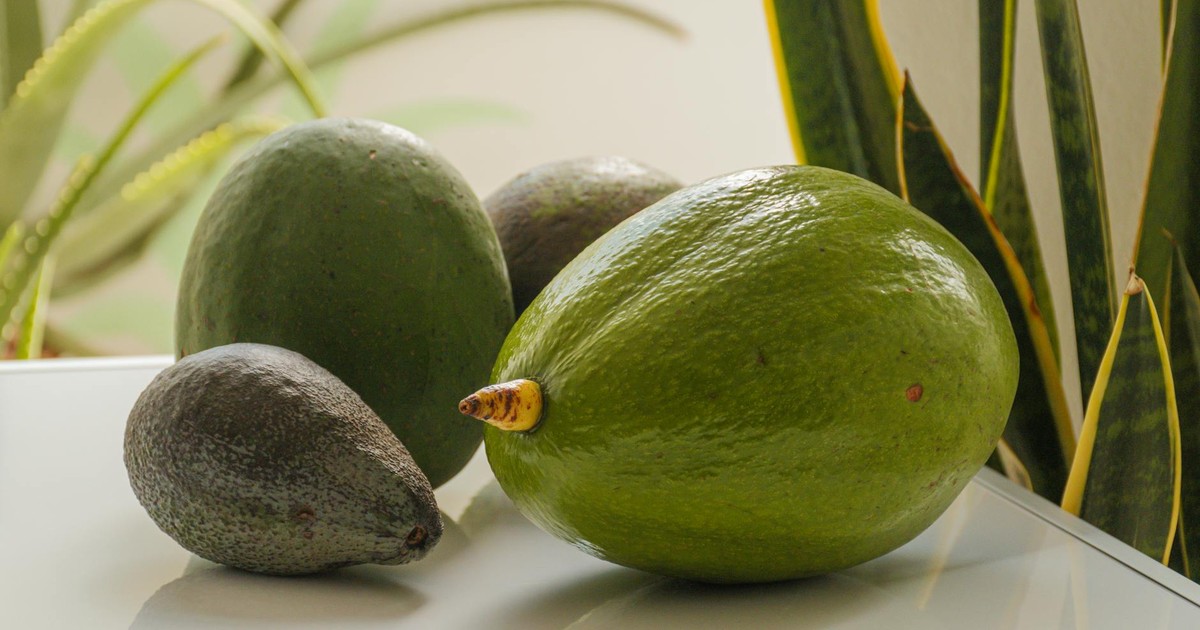
Warfarin is one of the most commonly prescribed blood thinners in the world, and it’s also one of the most sensitive to dietary changes. The drug works by blocking vitamin K’s ability to activate clotting factors in the liver. When you eat more vitamin K, you’re essentially pushing back against the medication’s purpose.
Avocado has a lower vitamin K content (around 20 mcg per 100g), and its warfarin-antagonizing effect may involve an alternate mechanism beyond vitamin K alone. That said, avocado is rich in vitamin K and can reduce the therapeutic efficacy of warfarin. The INR – the blood test used to measure how well warfarin is working – can shift meaningfully when vitamin K intake changes suddenly. A lower INR means the blood is clotting more readily, which defeats the point of taking the drug.
The key principle is consistency rather than complete avoidance. Sudden large increases in avocado consumption could lower INR values, while abruptly stopping regular avocado intake might raise INR unexpectedly. Half a medium avocado contains approximately 10 to 11 micrograms of vitamin K. The real danger is in erratic eating habits, not the food itself.
Until further information is available, clinicians may want to inquire about recent avocado consumption when assessing possible causes for INR instability. Patients taking warfarin should maintain regular INR monitoring and inform their anticoagulation clinic of any significant dietary changes, including avocado intake patterns. If you already eat half an avocado a few times a week and your INR is stable, you don’t necessarily need to stop. The key word is consistency. Talk to your prescribing doctor before changing your habits in either direction.
2. ACE Inhibitors (Lisinopril, Captopril, Enalapril)
ACE inhibitors are a class of blood pressure medication that work by relaxing blood vessels. They’re among the most widely prescribed drugs in the US. What many patients don’t realize is that these medications also cause the kidneys to retain potassium rather than excrete it.
Hyperkalemia from ACE inhibitors directly results from their mechanism of action. The blockade of angiotensin II prevents the downstream secretion of aldosterone. Aldosterone causes reabsorption of sodium and, subsequently, water. Without potassium secretion through aldosterone, potassium can easily increase in patients on ACE inhibitors. That means eating potassium-rich foods like avocados can push blood potassium into a dangerous range – a condition called hyperkalemia.
Hyperkalemia is the medical term for dangerously high potassium in the bloodstream. It sounds benign, but the consequences aren’t. Severe cases can cause life-threatening cardiac arrhythmias, including ventricular fibrillation and cardiac arrest. Co-morbidities that decrease kidney function or medications that cause potassium retention can increase the risk of hyperkalemia. A single avocado adds a significant potassium load to a body that’s already struggling to clear it efficiently.
If you’re on an ACE inhibitor, checking in with your healthcare provider about your avocado intake is a practical step worth taking. Ask your doctor whether your potassium levels are being monitored and what portion size, if any, would be safe for you specifically. The answer will vary depending on your kidney function and what other medications you’re taking.
3. ARBs – Angiotensin Receptor Blockers (Losartan, Valsartan)
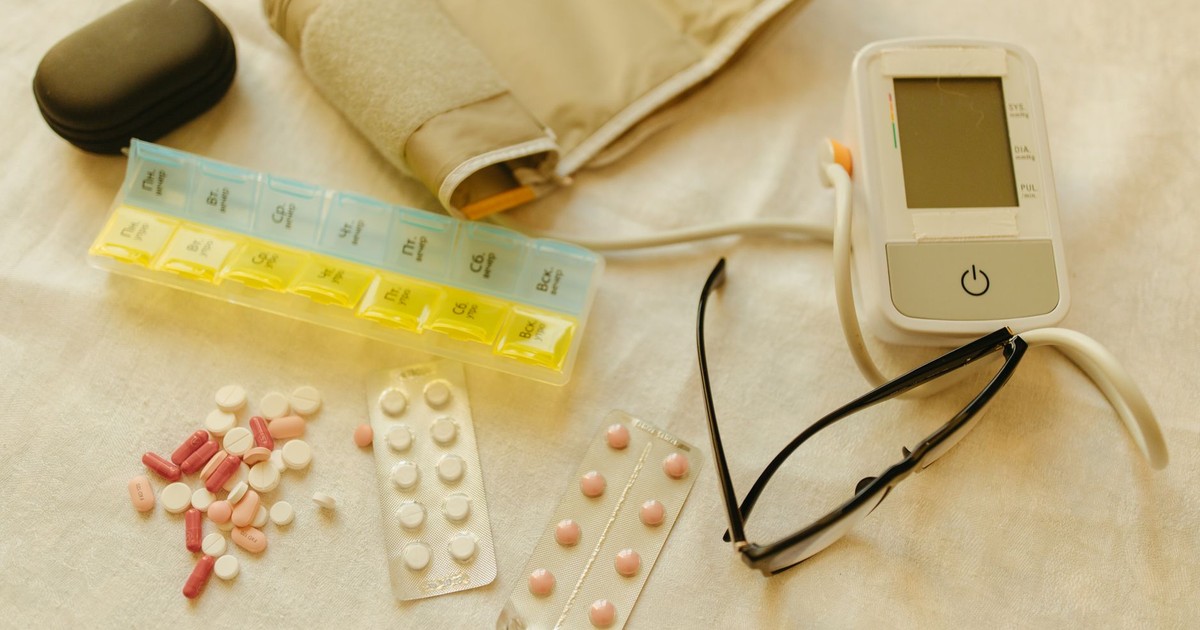
ARBs work differently from ACE inhibitors at the molecular level, but they share one important consequence: they raise potassium levels in the blood. Losartan and Valsartan are two of the most frequently prescribed examples.
Losartan works by blocking the angiotensin II type 1 (AT1) receptors, which play a crucial role in regulating blood pressure and electrolyte balance. By inhibiting these receptors, losartan reduces vasoconstriction and aldosterone secretion, leading to decreased sodium reabsorption and increased potassium retention in the kidneys. Combining that with regular consumption of a high-potassium food like avocado can push levels higher than intended.
In post-hoc analyses of the RENAAL study, hyperkalemia was reported in 24.3% of losartan-treated patients versus 12.3% of controls. The risk compounds further when additional medications are involved. The risk of hyperkalemia may be enhanced in patients receiving a RAAS blocker alongside potassium-sparing diuretics, potassium supplements, beta-blockers, or NSAIDs taken simultaneously.
If your ARB is managing well and your labs look normal, a small amount of avocado may be fine. The key factors are your individual risk profile – including kidney function, baseline potassium, and other medications – along with appropriate lab monitoring. It is crucial to monitor serum potassium levels regularly in patients taking losartan, especially those with chronic kidney disease or diabetes.
4. Potassium-Sparing Diuretics (Spironolactone, Triamterene, Amiloride)
Diuretics are medications that help the body shed excess fluid, often prescribed for heart failure, high blood pressure, or edema (fluid retention). Most diuretics flush potassium out of the body along with the fluid. Potassium-sparing diuretics, as the name suggests, do the opposite – they hold onto potassium.
Potassium-sparing diuretics include aldosterone receptor antagonists such as spironolactone and eplerenone, and epithelial sodium channel blockers such as amiloride and triamterene. For patients on any of these, adding a generous serving of avocado to the daily diet can push blood potassium into a range that becomes medically concerning.
In one study of heart failure patients, 7.2% required discontinuation of spironolactone due to hyperkalemia or renal failure. The occurrence of hyperkalemia in patients administered spironolactone is influenced by dose, but when used alongside ACE inhibitors or ARBs, the occurrence of hyperkalemia exceeding 5.5 mEq/L may increase even if the spironolactone dose is as low as 25 mg.
This risk is especially pronounced for people who also have kidney problems. The most common cause of hyperkalemia is renal insufficiency, and a number of different commonly used drugs can cause hyperkalemia, including ACE inhibitors, ARBs, and potassium-sparing diuretics such as amiloride and spironolactone. Avocado is simply one of the highest-potassium foods commonly eaten, making it one of the most important items to discuss with your doctor. For a deeper look at how certain foods interact with common medications, this guide on food and drug interactions covers several overlapping concerns worth knowing.
5. Beta-Blockers (Atenolol, Metoprolol, Propranolol, Carvedilol)
Beta-blockers are prescribed for high blood pressure, heart failure, and certain arrhythmias. They slow the heart rate and reduce the force of the heart’s contractions. They’re also the medication class that most surprises patients when paired with avocados.
Antihypertensive medications that most commonly influence serum potassium levels include beta-blockers and potassium-wasting and potassium-sparing diuretics, as well as ACE inhibitors and angiotensin receptor blockers. The mechanism behind beta-blockers specifically relates to how they affect potassium movement between cells and the bloodstream. Adrenergic agents normally decrease serum potassium by driving it into cells via the Na-K pump. Beta-blockers blunt this effect, meaning potassium stays in the bloodstream rather than moving into cells.
A published case report describes asymptomatic hyperkalemia induced by metoprolol in an 81-year-old man with type II diabetes and stage III renal insufficiency, where potassium rose to 5.6 – 5.7 mEq/L on metoprolol and normalized when the agent was discontinued. The increment in serum potassium from beta-blocker therapy is of minor importance except in patients with significantly reduced renal function. So while this interaction may not affect everyone equally, patients with kidney impairment on beta-blockers should be aware of their overall dietary potassium load, which avocados contribute to meaningfully. A large health system study found beta-blockers were associated with a 13% increased risk for potassium exceeding 5 mEq/L compared to patients not on the drug.
If you’re on atenolol, metoprolol, or carvedilol and eating avocado regularly, mention it to your cardiologist or prescribing physician. Ask whether your potassium is being monitored in routine bloodwork.
Read More: 8 Drug Interactions You Should Know About Before Taking Vitamin D
6. MAOI Antidepressants (Phenelzine, Tranylcypromine, Isocarboxazid)
This is the interaction most people have never heard of, and it may be the one with the most dramatic potential consequences. MAOIs, or monoamine oxidase inhibitors, are an older class of antidepressant still used for treatment-resistant depression and certain anxiety conditions.
Avocados can contain tyramine – the same compound found in aged cheese or cured meats – which can cause a dangerous spike in blood pressure when you’re on an MAOI. A hypertensive episode precipitated by avocados in a patient on tranylcypromine is documented in the medical literature. The patient complained of severe throbbing headache, chest pain, and diaphoresis upon visiting the emergency room. Intravenous phentolamine was administered repeatedly to treat the elevated blood pressure, and approximately four and a half hours later, the patient’s blood pressure stabilized. This is the first documented case of avocado-induced hypertensive crisis.
The most common MAOI toxicity involves the interaction with tyramine-containing foods. When MAO found in the gut and liver is inhibited, dietary tyramine indirectly causes an amplification of adrenergic activity. Foods rich in tyramine include aged cheeses, aged, pickled, or smoked meats, beer, wine, yeast extracts, sauerkraut, and avocado. Phenelzine and tranylcypromine, being nonselective and irreversible inhibitors, increase the risk of hypertensive crisis when ingested with tyramine-rich foods.
The reassuring part is that not all avocados carry the same risk. Research suggests that fresh avocado pulp contains little or no tyramine. The danger lies specifically in overripe avocados. If you’re taking an MAOI, avocado may not be safe depending on ripeness and quantity. Tranylcypromine’s boxed warning explicitly includes the risk of hypertensive crisis associated with ingestion of significant amounts of dietary tyramine.
If you’re on any MAOI, the standard dietary advice is to avoid aged, fermented, or overripe foods as a category. Fresh avocados are lower risk, but overripe ones should be avoided entirely. This is a non-negotiable conversation to have with the prescribing psychiatrist before eating them.
Read More: Herbal Medicine and Drug Interactions: What You Need to Know
What to Do With This Information

None of the six drug classes above mean you can never touch an avocado again. For most patients, the concern isn’t the occasional slice on a salad – it’s the daily habit of large portions that goes undisclosed to the prescribing doctor. The problem compounds when multiple medications are involved, or when kidney function is less than optimal.
Over 60% of US adults take at least one prescription medication, yet food-drug conversations rarely happen at the pharmacy counter or during a 10-minute clinic visit. That gap is where problems develop. The practical takeaway is straightforward: if you take warfarin, an ACE inhibitor, an ARB, a potassium-sparing diuretic, a beta-blocker, or an MAOI, tell your doctor how often you eat avocados and ask whether your current lab monitoring accounts for it. For warfarin patients specifically, direct oral anticoagulants such as apixaban, rivaroxaban, dabigatran, and edoxaban do not interact with dietary vitamin K – these medications work through different mechanisms and their efficacy is unaffected by vitamin K intake. So if you’ve switched to a newer blood thinner, this particular concern likely doesn’t apply.
Avocados are genuinely nutritious. The point isn’t to create fear around a whole food. The point is that “healthy” and “interacts with your medication” are not mutually exclusive, and the only way to know where you stand is to ask.
Disclaimer: The author is not a licensed medical professional. The information provided is for general informational and educational purposes only and is based on research from publicly available, reputable sources. It is not intended to constitute, and should not be relied upon as, medical advice, diagnosis, or treatment. Always consult a licensed physician or other qualified healthcare provider regarding any medical condition, symptoms, or medications. Do not disregard, avoid, or delay seeking professional medical advice or treatment because of information contained herein.
AI Disclaimer: This article was created with the assistance of AI tools and reviewed by a human editor.
Read More: Why Your Avocado Has Those Stringy Fibers — And What They Actually Mean