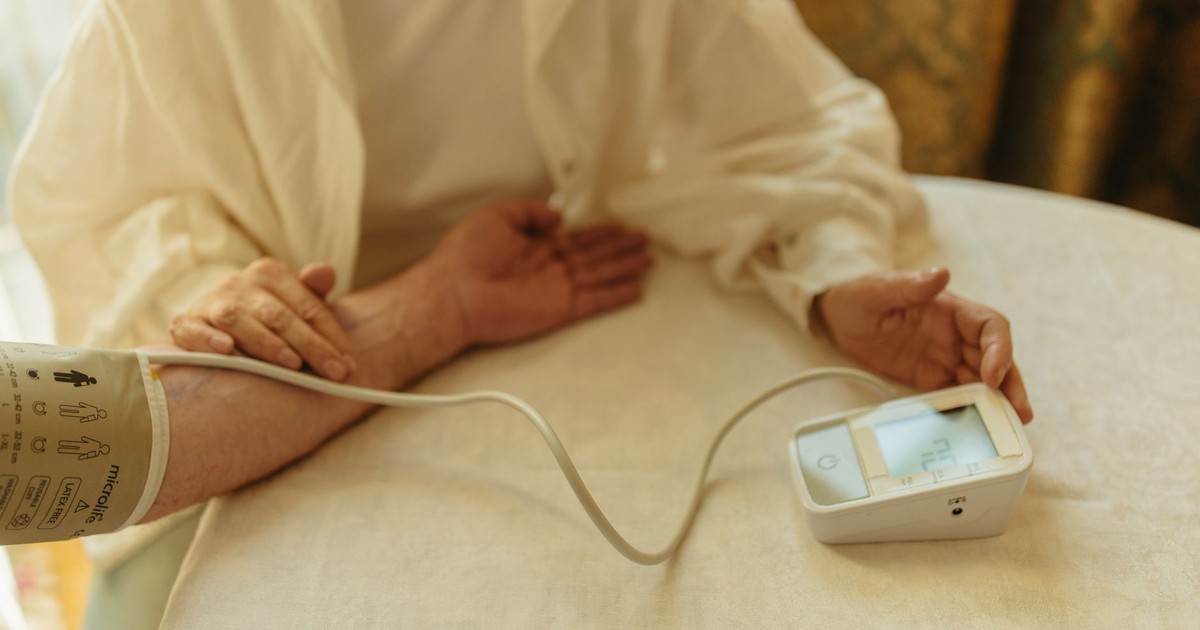

Your blood pressure can look surprisingly different depending on when you check it. A reading first thing in the morning may be noticeably different from one taken after lunch, during a stressful afternoon, or before bed. That doesn’t necessarily mean something is wrong.
Blood pressure is supposed to change throughout the day.
While you sleep, it typically falls. Around the time you wake, the sympathetic nervous system becomes more active and hormones such as cortisol help prepare the body for the day, contributing to a natural morning rise in blood pressure. Exercise, stress, caffeine, meals, medications, sleep quality, and even the position of your arm when taking a reading can push the numbers higher or lower from there.
That’s why one unexpected reading rarely tells the whole story.
Researchers have also long observed that heart attacks, strokes, and other cardiovascular events occur more frequently during the morning hours. But the concern isn’t simply that blood pressure rises after waking. What matters is how high it rises, whether it dropped normally overnight, and what the overall pattern looks like across the day.
Understanding that daily rhythm can make blood pressure readings much more useful, and help explain why a number that looks concerning in isolation may look very different when viewed in context.
The Body’s Built-In Blood Pressure Clock
Blood pressure follows a daily pattern, with a peak in the early morning hours. The morning surge begins roughly one hour before waking and is driven by sympathetic nervous system activity. A typical daily pattern includes a morning pressure surge, relatively stable pressures across daytime waking hours, and a drop during sleep.
Blood pressure is generally lower during sleep, and research indicates that nighttime blood pressure is a meaningful predictor of cardiovascular risk. People whose blood pressure doesn’t fall adequately during sleep — a pattern called “non-dipping” — carry higher cardiovascular risk even when their daytime readings appear normal. Elevated nighttime blood pressure is associated with higher risks of cardiovascular disease and organ damage.
For most healthy adults, systolic blood pressure — the top number in a reading — shifts throughout the day in response to routine activities. That variability reflects a responsive cardiovascular system doing exactly what it should.
What Pushes Blood Pressure Up During the Day
Exercise is one of the most predictable short-term drivers. Blood pressure rises when the heart needs to work harder, such as during physical activity, and falls when the body is resting. The sympathetic nervous system plays the central role in moment-to-moment variation.
Stress works through a similar pathway. When anxiety or stress is triggered, hormones like adrenaline and cortisol spike, temporarily increasing heart rate and blood pressure. According to the Mayo Clinic, anxiety can cause dramatic, temporary increases in blood pressure. Modern stressors — work pressure, financial worry, chronic conflict — can keep that system activated for extended periods.
Caffeine can cause a brief rise in blood pressure even in people without high blood pressure, and that effect can persist for several hours. Smoking temporarily raises blood pressure as well. Food consumption, dietary sodium, and bathing also contribute to how blood pressure shifts throughout the day.
Posture and arm position during a reading directly affect the result. Joint guidance from the American College of Cardiology specifies that the arm must be positioned at heart level and supported on a desk or table for accurate measurement. When the arm hangs at the side, readings run measurably higher — not because blood pressure changed, but because the measurement conditions did.
You can also explore how specific physical routines affect your numbers over time by reading this piece on exercises that lower blood pressure.
The Doctor’s Office Problem
The clinical setting can distort readings in two opposite directions, and both create real risks if unrecognized.
White coat hypertension is the temporary blood pressure spike that occurs in medical settings due to anxiety during a doctor’s visit. It can result in unnecessary medication if not identified through monitoring outside the clinical environment.
Masked hypertension is the reverse: blood pressure is normal in the office but elevated at home. Because the reading looks fine on paper, masked hypertension can go undetected for years while contributing to cardiovascular damage.
The American Medical Association confirms that home blood pressure monitoring helps identify both white coat hypertension and masked hypertension that office visits miss. Taking readings across multiple days at consistent times gives a clinician far more to work with than any single clinical measurement.
Getting those home readings right matters as much as taking them consistently. Appropriate cuff size is critical for accurate blood pressure measurement. Sitting quietly for about five minutes before measurement, keeping feet flat on the floor, and supporting the arm at approximately heart level all improve reliability. Talking, crossing the legs, or watching a video during the reading can shift numbers enough to matter.
When Blood Pressure Swings During Sleep
Sleep is not a passive state for the cardiovascular system. Obstructive sleep apnea (OSA) repeatedly interrupts breathing during sleep, triggering a stress response each time: heart rate accelerates, blood vessels tighten, and blood pressure surges. Over many such episodes per night, this is linked to elevated nighttime and daytime blood pressure patterns.
People with untreated sleep apnea may never achieve the nighttime blood pressure dip that a healthy cardiovascular pattern requires. Sleep apnea is frequently undiagnosed, particularly in women, who often present with less obvious symptoms than the classic pattern of loud snoring and gasping. If home blood pressure readings consistently run higher in the morning than in the evening — with no obvious explanation from caffeine, exercise, or medications — sleep quality is worth raising with a doctor.
Rare Causes Worth Knowing
Most blood pressure fluctuations trace back to ordinary daily drivers: movement, stress, food, sleep quality, caffeine. For a small number of people, unusually large or unpredictable swings point to something less routine.
Pheochromocytoma is a rare tumor that produces and releases excessive levels of hormones, causing sudden episodes of high blood pressure without any obvious trigger. These episodes may be accompanied by headaches, sweating, and a racing heartbeat. Physicians take note when blood pressure spikes seem disproportionate and don’t follow any recognizable pattern tied to activity or stress.
Hormonal and nervous system conditions more broadly can disrupt the body’s usual blood pressure regulation. Large, unexplained swings — particularly episodes of very high readings followed by normal ones with no behavioral explanation — warrant clinical investigation.
Read More: 20 Best Foods To Help Lower Blood Pressure Without Medication
Medications and Timing
Once-daily blood pressure-lowering medications can generally be taken at whichever time best suits the patient. Current evidence does not show that morning versus evening dosing produces meaningfully different outcomes for most people. Consistency matters more — taking medication at the same time each day maintains steadier coverage across the 24-hour cycle.
Some other medications, including certain decongestants, nonsteroidal anti-inflammatory drugs, and stimulant medications, can raise blood pressure as a side effect. If blood pressure readings change after starting a new medication — for any condition, not just cardiovascular ones — that connection is worth flagging with a prescribing physician.
What Your Blood Pressure Pattern Can Tell You
Seeing your blood pressure jump from one reading to another can be unsettling, but some variation is exactly what the cardiovascular system is designed to produce. Blood pressure responds continuously to sleep, movement, stress, meals, caffeine, medications, and countless other demands placed on the body.
The pattern is usually more informative than one isolated number.
That’s also why home monitoring can be so useful. Taking readings under similar conditions, using the correct cuff size, sitting quietly beforehand, and keeping your arm supported at heart level makes it easier to see whether your blood pressure is consistently elevated or simply responding to normal daily circumstances.
Patterns can sometimes reveal things a doctor’s office reading won’t. Blood pressure that remains elevated at home despite appearing normal in the clinic may point to masked hypertension. Consistently high morning readings can prompt a closer look at overall blood pressure control, medication timing, sleep quality, or conditions such as sleep apnea.
That doesn’t mean every unusual reading requires investigation. But repeated high or low readings, major unexplained changes, or symptoms such as chest pain, severe shortness of breath, fainting, or sudden weakness shouldn’t be dismissed as normal fluctuation.
The goal isn’t to make your blood pressure stay at exactly the same number all day. It’s to understand what your normal pattern looks like and recognize when that pattern starts behaving differently.
Disclaimer: This information is not intended to be a substitute for professional medical advice, diagnosis, or treatment and is for information only. Always seek the advice of your physician or another qualified health provider with any questions about your medical condition and/or current medication. Do not disregard professional medical advice or delay seeking advice or treatment because of something you have read here.
AI Disclaimer: This article was created with the assistance of AI tools and reviewed by a human editor.
Read More: This Experimental Drug Did Something Blood Pressure Meds Can’t