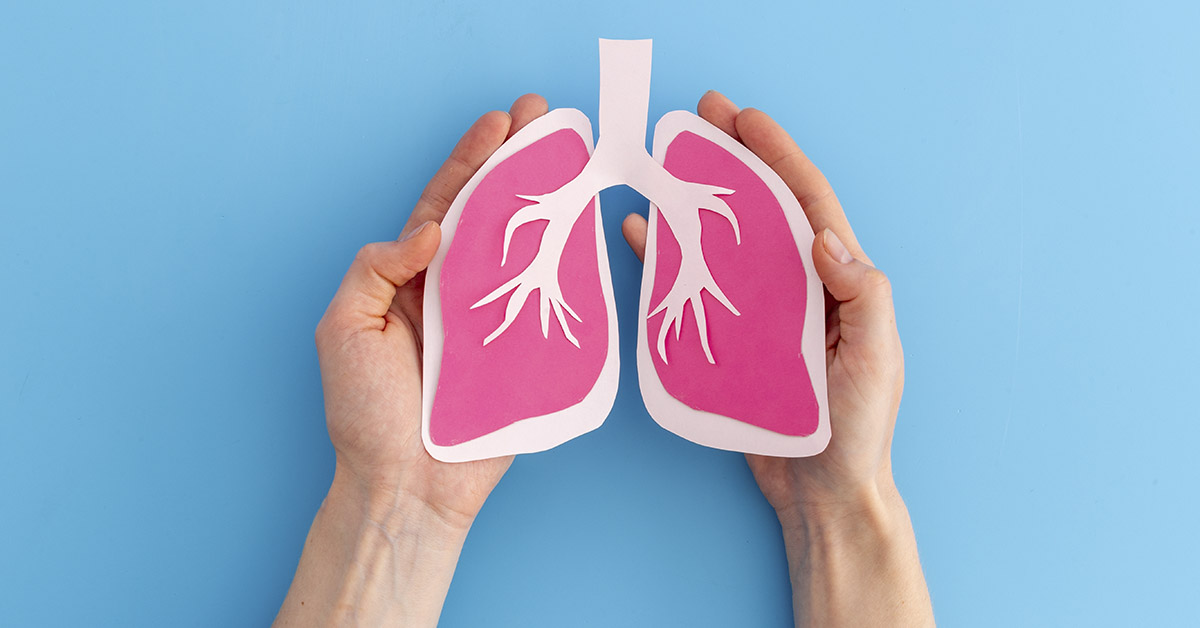

Lung cancer is currently ranked as the biggest cancer killer worldwide, affecting families and health systems everywhere. The illness often develops quietly for years before any symptoms eventually appear and treatment starts. That makes prevention and early detection incredibly important when it comes to trying to save lives. Smoking is still considered the main cause, yet diet influences many chronic diseases in significant ways. Ultra-processed foods, or UPFs, now make up a large share of modern diets in many countries across the globe. These products are typically convenient, cheap, and aggressively marketed, which helps explain their popularity, especially among younger people. Researchers have linked high UPF intake to obesity, diabetes, heart disease, and overall mortality in previous observational studies. The question here is whether UPFs also relate to lung cancer risk, including common subtypes.
To find out, scientists used data from a large United States trial, called the Prostate, Lung, Colorectal and Ovarian Cancer Screening Trial. Participants completed detailed diet questionnaires that captured usual intake over the previous year. Foods were grouped by the NOVA system, which classifies items by processing level. They then followed people for more than a decade to track any new lung cancer diagnoses. The team examined overall lung cancer and the two major subtypes. They also adjusted for many factors, such as age, sex, smoking, and overall diet quality. Their goal was to isolate the association between UPF intake and lung cancer risk as much as possible. The findings deserve careful attention because they touch daily choices many people make.
What Is Ultra-Processed Food?
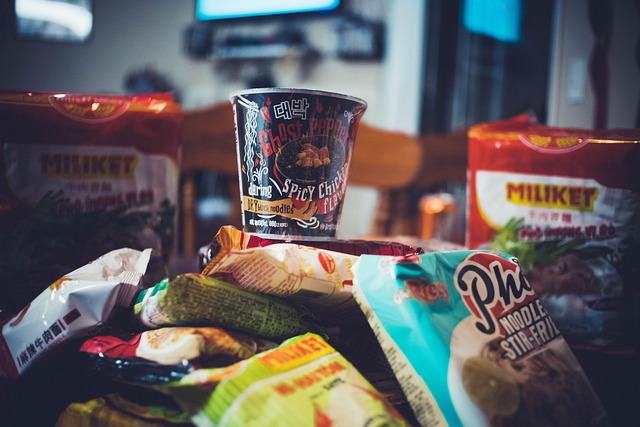
Ultra-processed foods are industrial formulations that mostly contain ingredients extracted or synthesized from foods. Think refined starches, added sugars, fats, protein isolates, and a long list of additives. These products include sweetened drinks, packaged snacks, instant noodles, reconstituted meats, and many ready-to-heat meals. So yeah, pretty much the average meal in many Western countries at present. The defining features of ultra-processed foods are heavy processing, aggressive flavor engineering, and long shelf life. Processing can remove protective nutrients and bioactive compounds while adding sugar, sodium, and modified fats. It can also change the physical structure of food in ways that affect digestion and absorption. Many items are hyper-palatable, cheap to produce, and sold with bright, persuasive packaging.
That combination pushes them into lunchboxes, cafeterias, and late-night cupboards with little resistance. In the Thorax study, the largest UPF contributors included lunch meats, diet soft drinks, and white bread or rolls. Those items reflect routine choices rather than rare indulgences, which makes the question especially relevant. Convenience matters because modern work and family schedules are relentless and demanding. Marketing also matters because brand loyalty and value messaging shape repeated purchases. None of this means every packaged item is harmful in the same way or degree. However, the overall dietary pattern created by frequent UPF intake can be problematic. People often displace minimally processed staples, fiber-rich plants, and home-cooked meals. That shift may increase energy density and reduce nutrients known to protect metabolic health. The study asks whether that same pattern might encourage lung cancer over time.
The Study on Common Foods Linked to Cancer
For their study, the research team analyzed 101,732 adults aged 55 to 74 at enrollment. Participants came from ten screening centers across the United States, providing geographic diversity. At baseline, everyone completed a detailed Diet History Questionnaire that captured frequency and portion sizes. Researchers calculated diet quality using the Healthy Eating Index-2015 to account for overall patterns. They classified every food and drink into one of four NOVA categories by processing level. The team focused on the most processed category to estimate daily UPF servings. They adjusted UPF consumption for total energy intake using the residual method to reduce confounding. Participants reported new cancer diagnoses annually, and medical records confirmed lung cancer cases. The team grouped cancers using standard morphology codes into non-small cell and small cell categories.
Follow-up averaged 12.2 years, which allowed enough time for many incident cases. Over that period, 1,706 lung cancers occurred, including 1,473 non-small cell and 233 small cell cancers. The main analyses used Cox proportional hazards models to estimate relative risks. Model adjustments included age, sex, race, body mass index, smoking, alcohol, physical activity, marital status, education, diet quality, hypertension, and diabetes. Researchers also performed subgroup analyses by age, sex, smoking status, body size, and family history. They tested for nonlinear dose–response using restricted cubic splines to explore thresholds or curves. Finally, they presented adjusted Kaplan-Meier curves to visualize risk differences over time. This robust design strengthens confidence while acknowledging observational limits that prevent causal claims. The approach represents state-of-the-art nutritional epidemiology using a respected cohort.
The Results of the Study
People who ate the most ultra-processed food had a higher lung cancer risk than those who ate the least. Compared with the lowest quarter of intake, the highest quarter showed a forty-one percent higher risk. That translates to a hazard ratio of 1.41, with a confidence interval from 1.22 to 1.60. The association persisted after adjusting for age, sex, smoking, and many other variables. These estimates suggest more than a small signal and warrant public health attention. The same pattern appeared when the researchers looked at cancer subtypes separately. For non-small cell disease, risk increased by 37 percent in the highest quarter. That effect size had a confidence interval from 1.20 to 1.58, indicating statistical precision.
For small cell disease, risk increased by 44 percent in the highest quarter. The small cell estimate’s confidence interval ranged from 1.03 to 2.10, reflecting fewer cases. Altogether, the findings point consistently in one direction across outcomes and analyses. The study also notes a clear gradient across quarters, supporting a dose-response relationship. These details are important because gradients help distinguish true patterns from random noise. The results echo growing literature connecting UPF with cardiometabolic disease and mortality. They also align with earlier reports linking Western-style diets to lung cancer risk. The magnitude here is notable given that smoking dominates lung cancer causation worldwide. It suggests diet quality may add risk on top of smoking patterns in meaningful ways. Readers should remember that observational science cannot prove cause and effect definitively. However, the size, duration, and coherence of these results demand thoughtful consideration.
Adjusting for Smoking
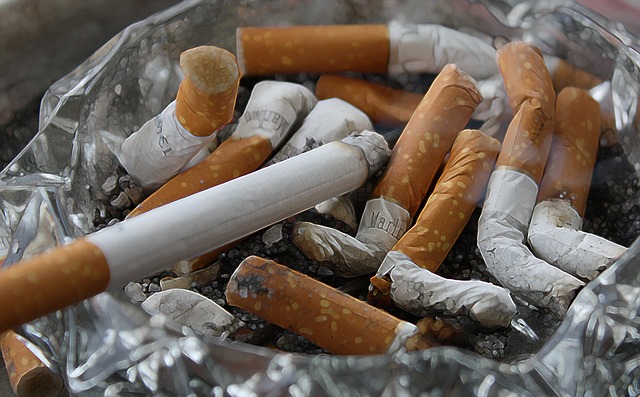
Any study about lung cancer must wrestle carefully with smoking as a potential confounder. The researchers adjusted for smoking by categorizing participants as current or former smokers versus non-smokers. They also adjusted for multiple lifestyle and health variables to further reduce any confounding risk. Even after these adjustments, high UPF intake remained associated with higher lung cancer risk. The pattern held for both non-small cell and small cell disease in adjusted models. Additionally, associations were observed among never smokers as well. This is important information because many people often assume that any actual risk begins and ends with cigarettes. However, an independent statistician warned that the smoking adjustment was relatively crude. He noted that two categories cannot capture intensity, duration, or potential misreporting of smoking.
He advised interpreting the results with care while acknowledging the statistical significance. This balanced view respects both the strength and the limitations of the evidence. Ultimately, the study cannot fully exclude residual confounding from detailed smoking histories. Still, the consistency across outcomes and sensitivity analyses adds weight to the signal. You can hold two truths at once without contradiction. Smoking remains the decisive risk factor, and diet may contribute to additional risk. That combination argues for comprehensive prevention that tackles both behaviors. It also argues for better future datasets with granular smoking metrics. Until then, these results provide meaningful guidance for individuals and policymakers.
Why Ultra-Processed Foods Increase Lung Cancer Risk

Image Credit: Pexels
The study was not designed to identify specific mechanisms, but rather plausible pathways exist. Many UPFs are energy-dense, leading to weight gain and metabolic dysfunction over time. Excess adiposity increases chronic inflammation and hormonal changes that can influence cancer development. Additives, emulsifiers, and advanced glycation end products may also disrupt gut and systemic physiology. Processing can alter food structure, speeding digestion and spiking postprandial glucose and lipids. Repeated spikes can harm the vascular and immune systems that help surveil cancer cells. Some UPFs contain nitrites and nitrosamines, particularly in processed meats, which are potential carcinogens. Artificial sweeteners and intense flavors may condition preferences for sweeter, saltier, richer foods. That cycle can displace fiber-rich plants that feed a protective gut microbiome. Lower fiber intake reduces the production of short-chain fatty acids with anti-inflammatory effects.
Packaging chemicals can migrate into foods, adding another layer of potential exposure. None of these explanations alone must carry the entire effect. Rather, the cumulative impact of frequent UPF intake likely matters most. Mechanistic complexity fits the broad disease links seen in prior UPF research. It also explains why swapping toward minimally processed staples often improves multiple outcomes. Future studies should measure biomarkers of inflammation, insulin resistance, and microbiome changes. Trials testing whole-diet shifts can then evaluate intermediate risk pathways with objective endpoints. Observational gradients suggest a real signal that deserves mechanistic follow-through. For individuals, the practical takeaway is simple, even if biology is complex. Move your diet toward recognizable ingredients and away from routine industrial formulations.
The Strengths and Limitations of the Study
Large, long studies offer more stability, and this analysis had both of these important features. The cohort included over 100,000 adults followed for more than a decade. Diet was measured using a validated instrument compared with multiple 24-hour recalls. Foods were carefully coded into NOVA categories by trained dietitians using a standardized approach. The models adjusted for many confounders, including overall diet quality and physical activity. Researchers analyzed subtypes and tested dose–response, adding depth to the results. However, no observational study can eliminate confounding or recall errors entirely. Diet questionnaires capture typical patterns, but people forget details and portion sizes.
When people record their diet incorrectly, it often makes links between food and disease seem weaker, but if the mistakes follow a pattern, they can sometimes creates a false perception. Smoking measurement was another limitation, as noted by independent experts. Two broad categories cannot capture pack-years, quitting recency, or under-reporting. The study cannot prove causation, which the authors clearly acknowledge in their paper. Associations could reflect unmeasured behaviors that accompany UPF heavy eating. Nevertheless, the direction, size, and consistency across outcomes make chance unlikely. Press summaries by medical outlets reported similar effect sizes and conclusions. Those independent reports help readers gauge whether the paper’s message holds together. Replication in other cohorts and with better smoking data would strengthen confidence. Meanwhile, the precautionary principle supports limiting UPFs while evidence accumulates. People can act now without waiting for perfect certainty because swaps are straightforward.
Read More: 7 Ultra Processed Foods That Aren’t as Unhealthy As You Think
Cancer Prevention Diet Tips

Change works when it feels realistic, affordable, and satisfying in busy lives. Start by identifying your most frequent UPF items rather than rare treats. Many people begin with sodas, packaged snacks, sweet breakfast cereals, and lunch meats. Replace sweet drinks with water, seltzer, unsweetened tea, or diluted fruit juice. Swap snack cakes for fruit, nuts, yogurt, or popcorn popped from kernels. Choose oats, eggs, or plain yogurt for breakfast instead of sugary cereal. Build lunches around beans, lentils, tinned fish, eggs, or leftover roast chicken. Use whole-grain breads with short ingredient lists rather than spongy packaged loaves. Assemble quick dinners with frozen vegetables, prewashed greens, and simple proteins.
A jar of tomato puree, olive oil, onion, and herbs makes a fast pasta sauce. Keep instant noodles for emergencies while learning speedy alternatives you actually enjoy. Batch cook staples on weekends, like beans, grains, and roasted vegetables. Stock your freezer with homemade soups and stews for effortless weeknights. Read labels to spot long ingredient lists and unfamiliar additives as quick flags. Aim for mostly single-ingredient foods that look like their original source. Perfection is unnecessary, and flexibility helps changes stick for the long term. If your budget is tight, favor seasonal produce, store brands, and dry staples. Every swap matters because risk often changes gradually with sustained patterns. These habits support heart, metabolic, and possibly even cancer outcomes simultaneously.
The Bottom Line on Common Food Linked to Cancer
Image Credit: Pexels
The Thorax analysis links higher ultra-processed food intake with higher lung cancer risk. The association was observed for overall lung cancer, non-small cell, and small cell disease. Effect sizes were meaningful and persisted after multivariable adjustment, including smoking. The results do not prove causation, and residual confounding remains possible. Nonetheless, the pattern is consistent with broader evidence on UPFs and chronic disease. People can reduce reliance on UPFs by favoring minimally processed staples and home cooking. Health systems can help by supporting community cooking programs and nutrition education. Policymakers can consider procurement standards, marketing limits, and clearer labeling for consumers.
Food manufacturers can reformulate products while investing in healthier convenience options. Researchers should replicate these findings with granular smoking histories and biomarkers. They should also test diet shifts in trials that measure relevant intermediate pathways. Progress will likely come from combining personal changes with systemic supports for healthier eating. Meanwhile, this study offers a straightforward message for everyday life. Smoking cessation remains the single most powerful step for lung cancer prevention. Dietary improvement can accompany quitting to support broader health and possibly lower risk further. Small, consistent changes compound into meaningful differences across years, not weeks. That patient approach aligns with what the evidence suggests here. It makes sense to treat UPFs as occasional extras rather than daily anchors.
Disclaimer: This information is not intended to be a substitute for professional medical advice, diagnosis or treatment and is for information only. Always seek the advice of your physician or another qualified health provider with any questions about your medical condition and/or current medication. Do not disregard professional medical advice or delay seeking advice or treatment because of something you have read here.
AI Disclaimer: This article was created with AI assistance and edited by a human for accuracy and clarity.
Read More: He Never Smoked, But Still Got Lung Cancer at 45. Here’s the One Symptom He Noticed