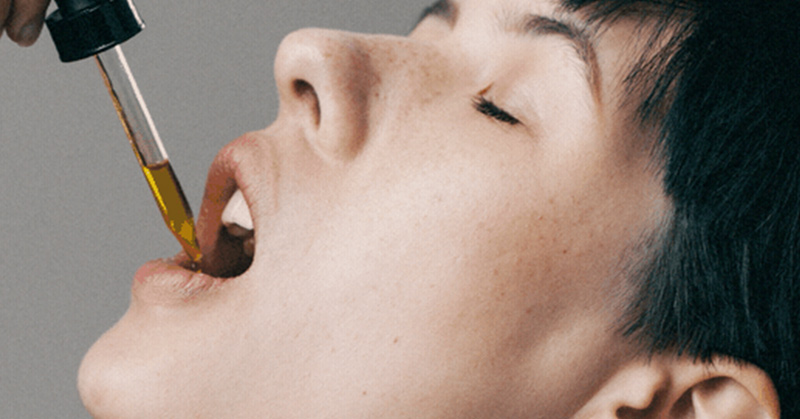

CBD has earned a reputation as one of the most broadly trusted wellness products of the past decade. You’ll find it in gummies, oils, capsules, and face creams at pharmacies, grocery stores, and online retailers. People reach for it to ease anxiety, manage pain, improve sleep, and reduce inflammation. The marketing is warm and reassuring. The word “natural” appears frequently. And because it doesn’t get you high, the assumption for many users is that it’s essentially risk-free.
That assumption is now being seriously tested.
A body of peer-reviewed research, including a rigorous government-run clinical trial published in 2025, has uncovered a side effect that most CBD users have never heard about. It doesn’t make headlines the way opioid risks or antidepressant warnings do. There are no dramatic symptoms to trigger alarm. For many people who experience it, there’s no sign at all – which is precisely what makes it so easy to miss and so clinically significant.
The Side Effect Nobody Mentions at the Point of Sale
The side effect in question is liver enzyme elevation, a sign that the liver is under stress. Liver enzymes – primarily ALT (alanine aminotransferase) and AST (aspartate aminotransferase) – are proteins that help the liver carry out its functions. When the liver is irritated or damaged, these enzymes leak into the bloodstream. Elevated levels on a blood test are often the first sign that something is wrong, sometimes long before a person feels any symptoms.
The FDA-approved prescription CBD product Epidiolex, used to treat seizures associated with Lennox-Gastaut syndrome, Dravet syndrome, or tuberous sclerosis complex, carries a known risk of liver enzyme elevation at its labeled doses. Liver safety data are limited for lower CBD doses and inconsistent regarding the occurrence and severity of liver enzyme elevations at 200 to 400 mg a day – the range most commonly reported by consumers.
Regulators at the FDA decided to close that data gap. What they found deserves wide attention.
What the FDA’s Clinical Trial Actually Found
In a randomized, double-blind, placebo-controlled trial, 201 healthy adults were monitored over four weeks while receiving approximately 5 mg of CBD per kilogram of body weight daily – a dose comparable to many commercial products – or a placebo. Among those who received CBD, eight participants (5.6%) developed elevated liver enzymes. No participants in the placebo arm exhibited elevations meeting this threshold.
Participants did not experience clinical symptoms related to liver function during the 28-day study, and hepatic enzymes returned to normal within one to two weeks following discontinuation. Enzyme elevations did not result in clinically significant liver function changes.
This liver damage signal is notable because enzyme levels rose without symptoms, meaning many users may not feel the harm occurring. In practice, this means someone could be taking a daily CBD supplement, feel perfectly fine, and still have a liver under measurable stress. The only way to know is a blood test.
The FDA trial’s findings don’t stand alone. A systematic review and meta-analysis published in PubMed, analyzing 28 clinical trials involving 1,533 participants, found a pooled liver enzyme elevation rate of approximately 7.4% and a drug-induced liver injury rate of around 3% among CBD users. These findings raised serious concerns about liver safety.
The Dose Question Is More Complicated Than It Looks
High-dose CBD use is a significant risk factor for liver enzyme elevations and drug-induced liver injury. Research from the same meta-analysis showed that the majority of liver enzyme elevation cases and nearly all drug-induced liver injury cases occurred in individuals receiving oral CBD doses of more than 1,000 mg per day. However, the risk does not appear to be entirely dose-dependent.
That last detail matters. The common assumption is that only people taking very high doses – far above what a typical gummy or tincture contains – are at risk. But the FDA trial was specifically designed to test doses within the range of ordinary consumer use, and it still produced clinically measurable liver stress in a meaningful percentage of participants.
All documented cases of CBD-associated drug-induced liver injury in the current literature involved individuals using oral CBD oil. Research on other delivery routes remains sparse. Because ingested CBD is metabolized directly by the liver, while inhaled CBD is absorbed through the respiratory tract – bypassing first-pass hepatic metabolism – inhalation may carry a lower hepatotoxicity risk, though more research is needed.
This gives context to the route of administration. The oils, tinctures, capsules, and edibles that dominate the consumer market are precisely the formats most associated with liver stress.
The Drug Interaction Problem
Liver enzyme elevation is not the only understudied risk. CBD’s potential to interfere with other medications is a second, separate concern – one that is especially relevant for the millions of people who take prescription drugs alongside their CBD supplements.
The mechanism involves the cytochrome P450 (CYP) enzyme system, a network of enzymes in the liver responsible for breaking down the majority of prescription medications. CBD and its metabolites interact with key CYP isoforms, particularly CYP3A4 and CYP2C19. CBD also affects several other CYP enzymes and drug transporters involved in metabolite clearance, most potently CYP2C9 and CYP2D6.
In plain terms: when CBD inhibits these enzymes, it slows the liver’s ability to break down other medications. The result is that those drugs accumulate in the bloodstream at higher concentrations than intended – raising the risk of side effects, toxicity, or dosing errors.
A 2024 systematic review identified 31 reports of CBD drug interactions involving 16 narrow therapeutic index medications. One controlled study found that a CBD-dominant extract increased omeprazole exposure by 207% through CYP enzyme inhibition. Omeprazole is a widely used heartburn medication. A 207% increase in its blood concentration is far beyond a therapeutic dose.
Out of 20 drug classes examined in the literature, all were identified as having interactions with medicinal cannabis. The cannabis-drug interactions were assessed and classified according to their probability and severity, with antiepileptics showing the most evidence of interaction, followed by clobazam, warfarin, and tacrolimus.
Antiepileptics and Immunosuppressants: Narrow Margins, High Stakes
CBD has clear interactions with multiple anti-epileptic drugs, including clobazam, stiripentol, and valproate. CBD increases exposure of clobazam’s active metabolite N-clobazam by 300% on average, necessitating monitoring when these medications are used simultaneously.
For patients on immunosuppressant therapy, the stakes are even higher. Co-administering CBD with tacrolimus – a drug used to prevent organ rejection in transplant patients – has been found to significantly elevate drug levels, indicating potential tacrolimus toxicity, which could lead to severe outcomes.
These are not obscure edge cases. Warfarin is one of the most commonly prescribed drugs in the United States. Antidepressants, proton pump inhibitors like omeprazole, and anti-seizure medications are all taken by tens of millions of people. Consumers who use CBD products may not be aware of these potential negative drug interactions, partly because CBD’s image as a benign supplement discourages people from mentioning it to their physicians. A 2024 review in the Journal of Gastroenterology and Hepatology put it bluntly: these potential adverse events are unknown to many clinicians and may be overlooked. The increasing use of CBD for both medical and non-medical purposes makes clear clinical direction urgently necessary.
Male Reproductive Health: An Emerging Area of Concern
A third line of research is exploring CBD’s effects on the male reproductive system. This work is still early, and the findings are not yet definitive in humans – but they are worth understanding.
Experimental and clinical studies demonstrate that cannabinoids interact with CB1 and CB2 receptors expressed in the testes, epididymis, and spermatozoa, thereby modulating testosterone synthesis, sperm motility, morphology, and capacitation. CBD is no exception to this receptor activity, though its specific effects appear to differ meaningfully from those of THC.
Both THC and CBD have shown inhibitory effects on testosterone production in laboratory cell studies, acting primarily on the late steps of hormone synthesis. This was a cell study, not a human trial, so direct extrapolation to everyday CBD use requires caution. Although CBD exhibits anti-inflammatory and antioxidant properties, its long-term impact on reproductive function remains uncertain.
For now, the most scientifically defensible position is that the reproductive effects of CBD in humans warrant more investigation – particularly for men of reproductive age who use CBD regularly or at higher doses.
Read More: Herbal Supplements That Could Cause Liver Damage
Why This Isn’t on the Label
As of recent estimates, tens of millions of American adults use CBD regularly, with usage especially high among older adults. That scale of adoption, combined with minimal regulatory requirements for over-the-counter CBD products, means that a supplement with genuine, documented risks is being sold without meaningful safety disclosures on the label.
The global CBD market was valued at billions of dollars as of 2024 and is growing rapidly. The commercial incentives to emphasize benefits and minimize safety caveats are substantial.
This disconnect emerged directly from the Agriculture Improvement Act of 2018 – commonly known as the 2018 Farm Bill – which carved hemp out of the definition of marijuana under the Controlled Substances Act. After its passage, hemp and its derivatives, including CBD products containing no more than 0.3% delta-9 THC, were no longer controlled substances. That change allowed CBD to proliferate in consumer products without the same pre-market safety review required for pharmaceuticals.
On December 18, 2025, President Trump issued an executive order directing the Attorney General to take all necessary steps to expeditiously move marijuana from Schedule I to Schedule III. The December 2025 executive order also advocates for changes in the regulation of certain cannabis-derived products, noting that some full-spectrum CBD products will once again be controlled as marijuana once a new hemp definition amendment goes into effect, and directs executive branch officials to work with Congress to update the statutory definition of hemp-derived cannabinoid products.
Regulatory reform, when it arrives, will help. In the meantime, the burden of awareness falls on the consumer.
Read More: Brazilian Study Finds Low-Dose THC + CBD May Keep Memory Steady in Alzheimer’s Patients
What to Do Now
The evidence reviewed here is not an argument against CBD. For individuals with treatment-resistant epilepsy, there is strong, validated evidence supporting its use in the prescription form Epidiolex. For some people using CBD for anxiety or sleep, real-world benefits may outweigh the risks – particularly at low doses and without concurrent prescription medication use.
But the evidence does demand a more honest conversation than the wellness industry has generally allowed.
First, if you take any prescription medication – especially warfarin, antidepressants, anti-seizure drugs, proton pump inhibitors, or immunosuppressants – speak with your doctor before using CBD. The drug interaction data is too consistent to ignore. A blood level that works perfectly without CBD may become dangerously elevated with it. Your doctor cannot help you manage that risk if they don’t know you’re taking it.
Second, if you use oral CBD regularly and haven’t had liver enzyme levels checked in the past year, a routine blood panel is a reasonable precaution. Since CBD users may not notice asymptomatic liver changes on their own, the research reveals safety risks that consumers may otherwise be unaware of and highlights the need for caution and potentially routine monitoring in CBD users. Enzyme levels normalize after discontinuation – but only if the problem is caught. A basic metabolic panel ordered through your primary care physician will show ALT and AST levels and takes minutes to review.
Third, treat dose as a variable worth controlling. The data consistently shows that higher oral doses carry greater hepatotoxicity risk, and the FDA trial demonstrated measurable liver stress at consumer-range doses over just four weeks. Less is a reasonable starting position until a clearer dose-safety threshold is established.
The Bottom Line
CBD is a pharmacologically active compound, not an inert supplement. It engages real enzyme systems, real receptors, and real organ function. CBD has the potential to harm you, and harm can happen even before you become aware of it. CBD can cause liver injury. CBD can affect how other drugs you are taking work, potentially causing serious side effects.
None of that makes it categorically unsafe. But it does make transparency essential. The science has moved well beyond the point where “it’s just a plant” is an adequate safety framework. What’s needed now is honest labeling, informed conversations with healthcare providers, and routine monitoring for the millions of people who use CBD daily – particularly those who take it alongside prescription medications or have any underlying liver concerns. The research has done its job. The rest falls to patients, clinicians, and eventually, regulators.
Disclaimer: The author is not a licensed medical professional. The information provided is for general informational and educational purposes only and is based on research from publicly available, reputable sources. It is not intended to constitute, and should not be relied upon as, medical advice, diagnosis, or treatment. Always consult a licensed physician or other qualified healthcare provider regarding any medical condition, symptoms, or medications. Do not disregard, avoid, or delay seeking professional medical advice or treatment because of information contained herein.
AI Disclaimer: This article was created with the assistance of AI tools and reviewed by a human editor.
Read More: Free CBD Through Medicare? Here’s What Seniors Need to Know