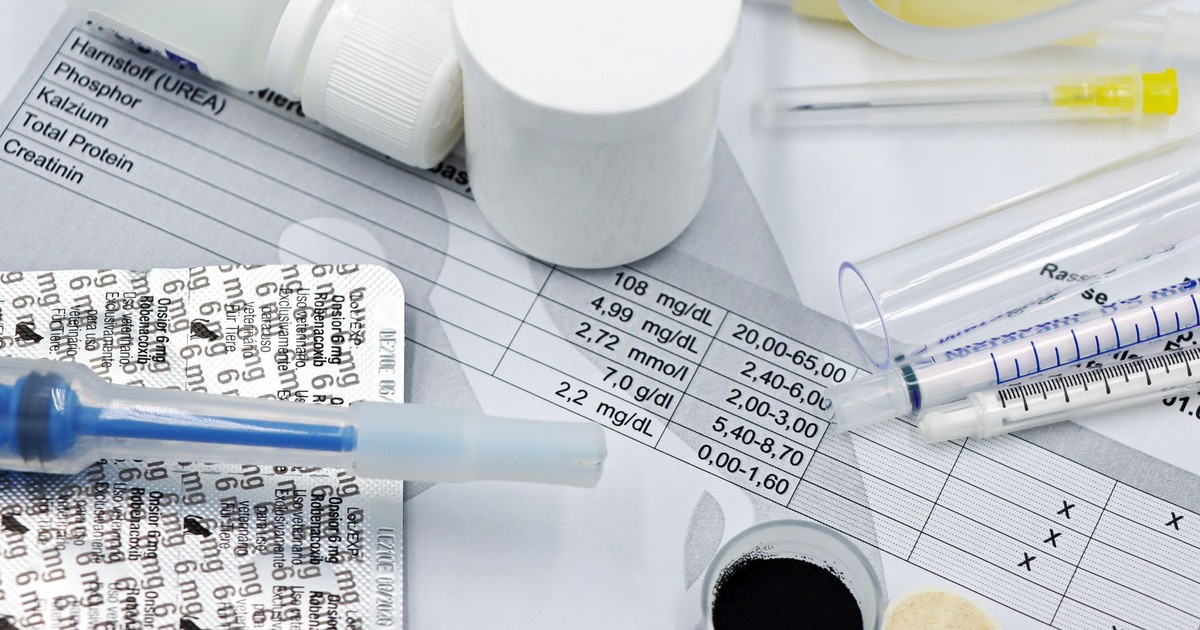

A constipation drug called lubiprostone just showed, for the first time in a clinical trial, that it can slow the loss of kidney function in people with chronic kidney disease. Nobody designed lubiprostone for kidneys. It was built to treat constipation. That a drug aimed at the gut is now producing measurable kidney benefits points to something researchers have increasingly suspected: what happens in the intestines doesn’t stay there.
Chronic kidney disease treatment has, for most of medical history, been a holding action. Doctors could manage symptoms, slow progression modestly, and eventually offer dialysis or a transplant when the kidneys finally stopped working. The idea of actively protecting or preserving kidney function with a targeted drug was aspirational rather than clinical reality. That is starting to change, and the pace of change in 2025 and 2026 has been faster than most specialists anticipated.
Around 35.5 million people in the US have CKD, representing roughly 10% of the global population. Yet most of them don’t know it – the disease erodes kidney function silently for years before symptoms appear. CKD is expected to become the fifth leading cause of death worldwide by 2040, and projections suggest the burden will only grow. The treatment pipeline that has emerged in response is now one of the most active in medicine.
The Gut-Kidney Discovery That Nobody Saw Coming
Professor Takaaki Abe of Tohoku University Graduate School of Medicine led the research group that repurposed lubiprostone for CKD patients, making this the first time the drug was shown to prevent decline in kidney function. The logic behind investigating it was straightforward once you understand the gut-kidney axis – the biological relationship between intestinal health and renal function.
“We noticed that constipation is a symptom that often accompanies CKD,” Abe explained, “and constipation disrupts the intestinal microbiota, which worsens kidney function. Working backward, we hypothesized that we could improve kidney function by treating constipation.”
The team evaluated lubiprostone, a selective chloride channel activator, in a phase 2, randomized, double-blind, placebo-controlled trial across nine centers in Japan, enrolling 150 patients with stage IIIb – IV CKD who received lubiprostone at 8 or 16 micrograms, or a placebo, for 24 weeks. Lubiprostone improved or preserved estimated glomerular filtration rate (eGFR – the standard measure of how well the kidneys are filtering blood) in the 16-microgram group. The mechanism, researchers found, runs through the gut microbiome: administering lubiprostone alters gut bacteria, leading to improved mitochondrial function and suppression of inflammation, which improved renal function by increasing levels of specific protective compounds.
This is a phase 2 trial, meaning it establishes proof of concept rather than clinical practice – larger trials are needed before lubiprostone could be prescribed for kidney disease specifically. But the finding published in Science Advances matters because it targets a pathway no existing kidney drug addresses.
Finerenone Expands to Patients Without Diabetes
The most consequential chronic kidney disease treatment development of mid-2026 came from a drug already approved for diabetic kidney disease. Three major international studies published in the New England Journal of Medicine and presented at the 2026 European Renal Association Congress in Glasgow found that finerenone does not just help people with diabetic kidney disease – it also significantly slows kidney disease progression and reduces the risk of heart failure, cardiovascular death, and overall mortality in patients who do not have diabetes.
The international study was led by clinical pharmacologist Hiddo Lambers Heerspink of the University Medical Center Groningen, and suggests that, for the first time, finerenone is effective in a large group of kidney patients who previously had almost no proven treatment options. The FIND-CKD study followed 1,584 adults with chronic kidney disease for an average of just over three years.
Finerenone works by blocking a hormone receptor in the kidneys and heart called the mineralocorticoid receptor, which, when overactivated, drives inflammation and scarring in both organs. This mechanism makes it distinct from older kidney drugs. Prior drugs primarily targeted blood pressure or blood sugar – finerenone goes after the inflammatory and fibrotic process that physically destroys kidney tissue over time. The safety profile was consistent with previous studies, with no new safety signals. Elevated potassium – known as hyperkalemia – was more frequent in the finerenone group, though few cases resulted in treatment discontinuation or hospitalization.
For the roughly half of all CKD patients who don’t have diabetes, the FIND-CKD results represent the first genuinely disease-modifying therapy to demonstrate this kind of benefit in a rigorous phase 3 trial.
A Wave of FDA Approvals Reshaping CKD Care
The lubiprostone finding and the FIND-CKD results are arriving on top of a remarkable run of regulatory approvals that began in 2025 and has continued through 2026. Taken together, they represent a fundamental shift in what chronic kidney disease treatment can actually do.
Bayer’s finerenone (Kerendia) had already been shown in Phase III trials, including FIDELIO-DKD and FIGARO-DKD, to slow CKD progression and reduce cardiovascular complications in patients with type 2 diabetes and CKD. The FDA’s January 2025 approval of semaglutide – sold under the brand name Ozempic – extended treatment options further. Chronic kidney disease affects an estimated 800 million people worldwide and is one of the leading causes of kidney failure, cardiovascular complications, and premature death, yet for many patients who do not have diabetes, treatment options remain limited. For those who do have diabetes alongside their kidney disease, semaglutide’s kidney-specific approval was significant: researchers found that finerenone, a drug previously shown to benefit people with diabetic kidney disease, could also slow kidney function decline in patients without diabetes – findings published in the New England Journal of Medicine that could expand treatment to a much larger population.
The FLOW trial provided the clinical foundation for semaglutide’s kidney approval. According to research published in Kidney Medicine Journal, clinical trials including SUSTAIN-6, REWIND, and FLOW provided evidence of GLP-1 receptor agonists reducing albuminuria (excess protein in urine, a marker of kidney damage) and slowing eGFR decline. The FLOW data were particularly striking: semaglutide 1.0 mg reduced the primary trial endpoint by 24% compared to placebo for kidney disease progression.
SGLT2 inhibitors – a class of drugs originally developed for type 2 diabetes – have become another pillar of CKD treatment. Dapagliflozin, approved by the FDA for CKD, works by blocking a protein in the kidneys that reabsorbs glucose. The kidney disease space continues to expand rapidly, with novel therapies designed to intervene at the mechanisms driving disease progression rather than merely manage symptoms. You can read more about how these mechanisms intersect with everyday habits in this guide to factors that influence kidney disease progression.
New Approvals for Rarer Kidney Conditions
Not all chronic kidney disease stems from diabetes or high blood pressure. IgA nephropathy – an autoimmune condition in which immune deposits build up in the kidney’s filtering units – affects millions of people and has historically had limited treatment options. That changed substantially in 2025.
In November 2025, sibeprenlimab received FDA accelerated approval to reduce proteinuria in adults with primary IgA nephropathy. The VISIONARY trial results were compelling: the largest phase 3 IgAN study demonstrated a 54.3% placebo-adjusted reduction in 24-hour urine protein-to-creatinine ratio after 12 months. Atrasentan, an oral endothelin A receptor antagonist, received its own FDA accelerated approval in April 2025 for the same condition. In October 2025, obinutuzumab (Gazyva) became the first anti-CD20 monoclonal antibody to demonstrate a complete renal response benefit in lupus nephritis – a form of kidney damage caused by lupus.
These targeted biologics address kidney disease at the molecular level, something that was not possible just a few years ago. The approvals signal that the FDA is moving quickly in a space where patients have had few options.
Xenotransplantation: A New Path for Kidney Failure Patients
For the estimated over 90,000 people in the US waiting for a kidney transplant, the transplant list is a years-long waiting game, and many patients die before a donor organ becomes available. Genetically modified pig kidneys are now in human clinical trials as a potential solution.
In 2025, after decades of research, the FDA approved the first human clinical trials for genetically modified pig kidney transplants. United Therapeutics received FDA approval for UKidney, sourced from a 10-gene-edited pig, while eGenesis uses a 69-gene-edited pig, with initial trials enrolling up to 50 patients. The gene editing is designed to remove pig proteins that trigger immune rejection and to add human proteins that help the body accept the organ. Whether these trials confirm long-term safety and function remains to be seen, but the regulatory clearance itself represents a milestone that researchers in the field spent decades working toward.
Read More: 8 Early Warning Signs You May Be Suffering From Chronic Kidney Disease
What This Means for You
The shift now underway in chronic kidney disease treatment is real and clinically significant. Several drugs that were unavailable or untested five years ago are now FDA-approved or in late-stage trials – and most of them work through entirely different biological mechanisms. That means they can potentially be combined, targeting the disease from multiple directions at once.
Major 2026 studies show finerenone slows kidney disease and cuts heart failure risk even in patients without diabetes, expanding its benefit to millions. If you have been diagnosed with CKD and are not currently on a disease-modifying therapy beyond blood pressure medication, that conversation with your nephrologist (kidney specialist) is worth having now. The evidence base has expanded substantially, and treatment decisions made even 18 months ago may no longer reflect what’s available.
For patients without a diagnosis, the detection problem remains urgent. CKD prevalence is projected to rise to 436.6 million cases by 2027, with approximately 80% of cases undiagnosed. A standard annual blood panel includes creatinine levels and eGFR, which together can reveal early-stage kidney function decline before any symptoms appear. If you have diabetes, hypertension, or a family history of kidney disease, ask your doctor specifically to assess your kidney function – and to review whether any of the newer approved therapies apply to your case.
Disclaimer: This information is not intended to be a substitute for professional medical advice, diagnosis, or treatment and is for information only. Always seek the advice of your physician or another qualified health provider with any questions about your medical condition and/or current medication. Do not disregard professional medical advice or delay seeking advice or treatment because of something you have read here.
AI Disclaimer: This article was created with the assistance of AI tools and reviewed by a human editor.
Read More: The Kidney Drug That Could Help Millions More Patients Than We Thought