

Decaffeinated coffee can trigger the urge to have a bowel movement almost as reliably as the regular kind. That single fact complicates the assumption many people make about their morning cup: that caffeine is responsible for most of what coffee does inside the body.
Coffee is a chemically complex drink containing hundreds of bioactive compounds. Its polyphenols, diterpenes, melanoidins formed during roasting, and other compounds can interact with digestion, gut bacteria, medications, nutrients, and cardiovascular markers. Some of these effects occur with decaf too, suggesting caffeine isn’t always the main player.
From sending some people to the bathroom within minutes to changing how certain medications are absorbed, an ordinary cup of coffee can have some surprisingly complicated effects. Here are seven worth knowing about.
1. Coffee can trigger a bowel movement, even without the caffeine
About 29% of healthy volunteers in a 1990 study published in Gut reported that coffee induced a desire to defecate. That finding alone is notable. What makes it stranger is that researchers found an increase in rectosigmoid motility within four minutes of drinking either regular or decaffeinated coffee in participants who said coffee normally made them want to go. Hot water produced no comparable response.
Coffee can also stimulate gastrin, a hormone involved in digestive activity, and caffeine doesn’t appear to explain the entire effect. Other research has found stronger colonic motor activity after caffeinated coffee than after decaf or water, suggesting caffeine may amplify the response while other components of coffee also contribute.
The morning timing matters too. The colon is naturally more active after waking, which may help explain why a morning cup can have a particularly noticeable effect. What you add to coffee can matter as well: milk may cause digestive symptoms in people who don’t tolerate lactose, while some sugar alcohols used in sugar-free sweeteners can have laxative effects.
2. It has a complicated relationship with reflux, eye pressure, migraines, and one unusual ear condition

Coffee’s relationship with acid reflux is more complicated than simply saying it causes heartburn. A 2026 systematic review and meta-analysis involving more than 120,000 people found a small association between coffee consumption and GERD overall, but the clinical importance of the difference was unclear. When researchers looked specifically at typical reflux symptoms, the association was not statistically significant. Some controlled studies have found that coffee can temporarily increase acid exposure and reflux events, but the evidence does not support telling everyone with reflux to automatically give up coffee.
Caffeine may also matter for eye pressure in certain people. A 2021 UK Biobank study involving more than 120,000 participants found no overall association between high caffeine intake and glaucoma, but researchers identified an interaction among people with a strong genetic predisposition to elevated intraocular pressure. In that high-risk group, greater caffeine consumption was associated with higher eye pressure and glaucoma prevalence.
There is also a lesser-known ear condition called patulous Eustachian tube dysfunction, in which the tube connecting the middle ear to the back of the nose stays abnormally open. People with this condition can hear their own voice resonating inside their head or become acutely aware of their own breathing. Caffeine and dehydration are sometimes discussed as potential symptom aggravators, but direct evidence linking coffee itself to the condition remains limited.
Caffeine’s relationship with migraine runs in two directions: it can be part of some headache treatments but may also act as a trigger for some people. In a prospective study of 98 adults with episodic migraine, one or two servings of caffeinated beverages were not associated with higher odds of headache that day, while three or more servings showed evidence of an association. Sudden caffeine withdrawal can also trigger headaches in regular users.
3. Coffee can change how some medications behave in your body
Evidence shows that drinking coffee around the same time as some formulations of levothyroxine, a standard treatment for hypothyroidism, can reduce how much of the medication is absorbed. In a small human absorption study, taking levothyroxine tablets with coffee reduced several measures of T4 absorption compared with taking the medication with water. When coffee was consumed 60 minutes later, the same reduction was not observed.
The osteoporosis medication alendronate presents a similar practical issue because it needs to be taken on an empty stomach with plain water, with patients instructed to wait before consuming other food or beverages.
Other interactions involve caffeine itself. Caffeine and the antipsychotic medication clozapine are both affected by the liver enzyme CYP1A2. In a small randomized crossover study, high caffeine intake increased participants’ exposure to clozapine and reduced its clearance. Another clinical study found higher clozapine concentrations when hospitalized patients drank caffeinated rather than decaffeinated coffee, although researchers concluded that the effect was relatively small for most participants.
The antibiotic ciprofloxacin can inhibit CYP1A2, slowing the metabolism of caffeine and potentially making its effects last longer. These interactions don’t mean people should change their medication timing or dosage themselves. Anyone taking a medication known to interact with coffee or caffeine should follow its prescribing instructions or ask a pharmacist or healthcare provider about it.
Read More: 7 Common Medications You Shouldn’t Take With Your Morning Coffee
4. Two compounds in coffee can push your cholesterol up
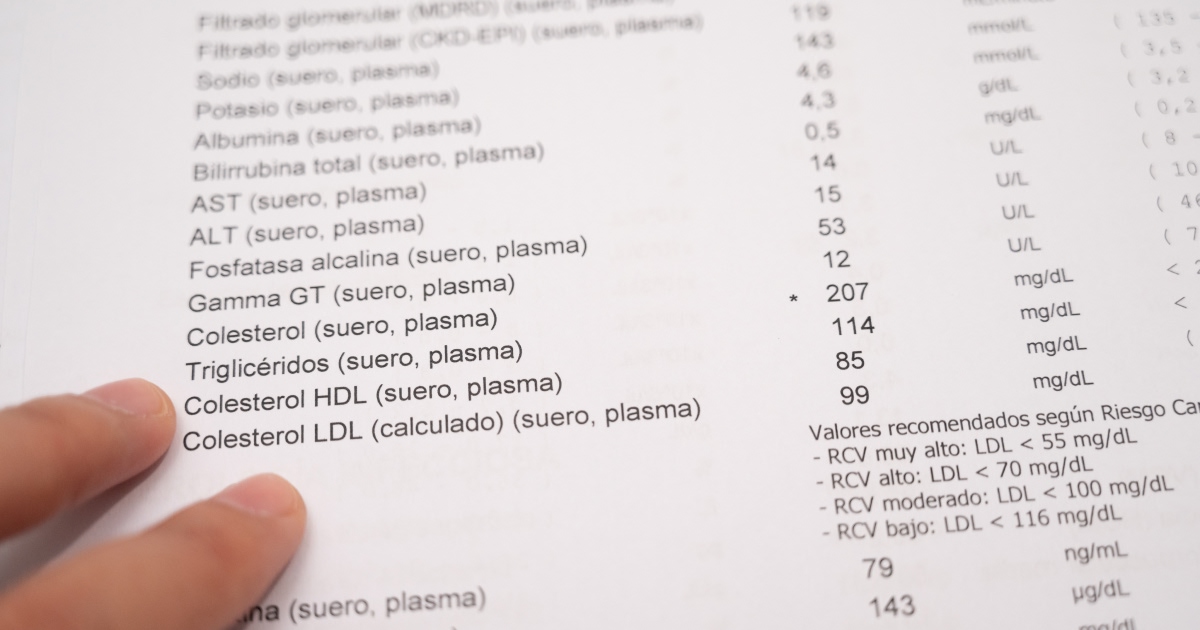
Diterpenes are compounds produced by plants that can have a variety of effects in the body. Two found in coffee, cafestol and kahweol, have been linked to increased LDL cholesterol, and how much ends up in your cup depends heavily on how the coffee is brewed.
That makes brewing method surprisingly relevant. A 2025 study published in Nutrition, Metabolism and Cardiovascular Diseases measured cafestol and kahweol in workplace coffee machines and several conventional brewing methods. Workplace brewing-machine coffee contained substantially more of the compounds than home-brewed paper-filtered coffee, although concentrations varied widely between machines.
Boiled coffee contained among the highest concentrations measured, at about 939 mg/L of cafestol, while passing it through a fabric filter reduced the concentration to about 28 mg/L. Paper-filtered home-brewed coffee contained much less, at a median of around 12 mg/L. French press and percolator coffee fell somewhere in between.
Using established estimates of how cafestol affects cholesterol, the researchers calculated that replacing three cups of brewing-machine coffee with paper-filtered coffee five days per week could theoretically reduce LDL cholesterol by about 0.58 mmol/L. Importantly, that was a modeled estimate based on diterpene concentrations, not an intervention in which researchers actually switched people’s coffee and measured their LDL afterward.
5. Coffee feeds your gut bacteria, but calling it a prebiotic is premature
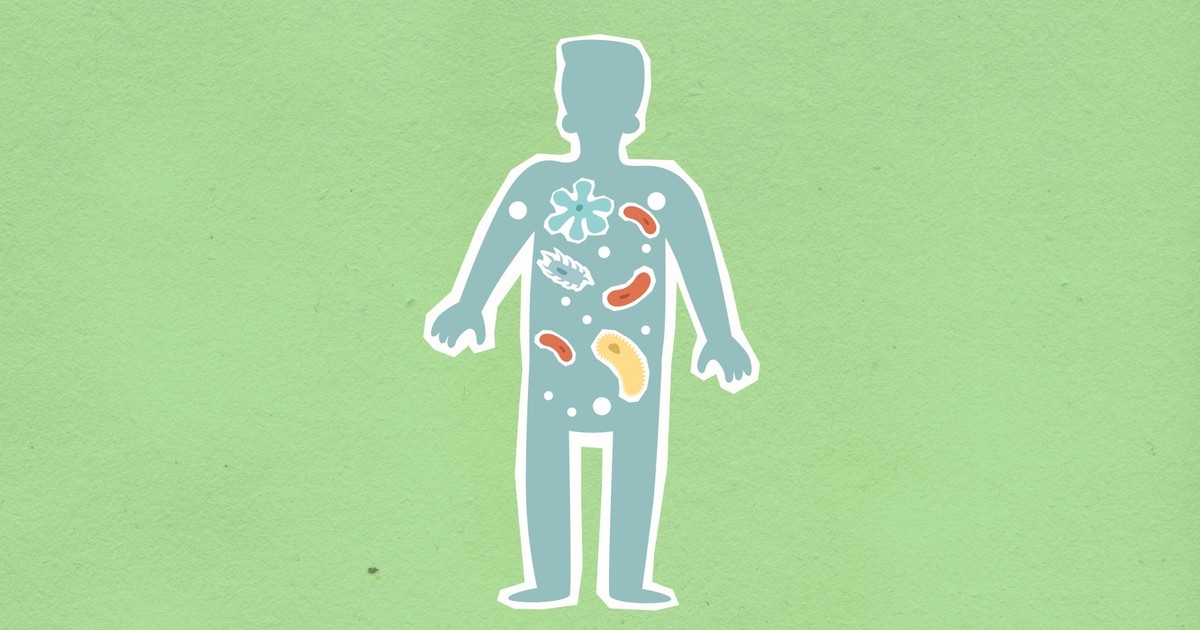
The polyphenols in coffee, particularly chlorogenic acid derivatives, reach the colon where intestinal bacteria can metabolize them into other compounds. Melanoidins produced during roasting may also interact with the gut microbiome.
A large 2024 study published in Nature Microbiology, drawing on detailed dietary data from more than 22,000 participants and incorporating microbiome data from more than 54,000 people across multiple cohorts, identified a particularly strong association between coffee consumption and a bacterium called Lawsonibacter asaccharolyticus. Laboratory experiments also found that coffee stimulated the bacterium’s growth.
A 2024 review published in Nutrients found that studies have also linked moderate coffee consumption with changes including greater abundance of Bifidobacterium and lower abundance of some Enterobacteria. However, the authors emphasized that findings across gastrointestinal studies remain inconsistent and that more research is needed.
These findings make the coffee-microbiome relationship intriguing, but they don’t establish coffee as a prebiotic in the clinical sense. Much of the human evidence is observational, and researchers are still working out whether particular microbial changes actually translate into meaningful health effects.
6. Drinking coffee with a plant-based meal can reduce iron absorption

Non-heme iron, the form found in plant foods such as lentils, beans, and spinach, is particularly susceptible to compounds in coffee that can interfere with its absorption.
In a controlled human study published in The American Journal of Clinical Nutrition, drinking a cup of coffee with a hamburger meal reduced non-heme iron absorption by 39%. In another test meal, absorption fell from 5.88% without coffee to 1.64% with drip coffee and 0.97% with instant coffee. Stronger coffee produced an even larger effect.
Timing mattered too. Drinking coffee one hour before the meal did not reduce iron absorption in that experiment, while drinking it with the meal or one hour afterward did.
This is primarily related to coffee’s polyphenols rather than caffeine itself. For most people eating a varied diet, this doesn’t mean coffee needs to be kept away from every meal. It may matter more for people with low iron stores or diets that depend heavily on non-heme iron. Someone being treated for iron deficiency should follow the timing instructions provided for their iron supplement and discuss persistent concerns with a healthcare professional.
7. Coffee wakes up your digestive system even when there’s nothing to digest

Coffee’s effects on digestion don’t end with the colon. Research suggests it can stimulate other parts of the digestive system even when someone hasn’t eaten.
One particularly interesting human study measured pancreatic trypsin secretion, gastric acid and gastrin in 16 people after they received water, caffeine, decaffeinated coffee or caffeinated coffee while fasting. Both caffeinated and decaffeinated coffee increased pancreatic trypsin secretion, suggesting that compounds other than caffeine contribute to the effect. Caffeine itself also produced an effect.
More recent laboratory research has added another piece to the puzzle. A 2022 study found that both regular and decaffeinated coffee directly caused contractions in isolated rat ileal and colonic muscle, apparently through a muscarinic receptor-dependent mechanism. However, the same study did not find a significant effect on gut motility or smooth-muscle contractility when coffee was given to the animals for three days.
That distinction matters. The laboratory findings help researchers investigate how coffee might interact with the digestive tract, but they shouldn’t be treated as proof that the same mechanism produces a particular effect in people.
Overall, coffee appears capable of activating several digestive processes independently of a meal, and caffeine isn’t responsible for all of them. Exactly which compounds are responsible, and how important these effects are in everyday coffee drinkers, is still being worked out.
Read More: Coffee May Affect More Than Your Energy: Study Finds Links to Body Fat, Muscle, and Hormones
What this means for you

Coffee is much more than a caffeine delivery system. Its diterpenes, polyphenols and other compounds can interact with digestion, gut microbes, nutrients and medications, and some of those effects still occur when the caffeine is removed.
That doesn’t make coffee inherently good or bad, nor does every effect matter equally to every coffee drinker. Brew method can dramatically change exposure to cholesterol-raising diterpenes. Timing can matter for certain medications and iron absorption. And individual responses to coffee, from reflux and migraines to that sudden morning trip to the bathroom, can vary considerably.
What makes coffee interesting is just how much biological activity can be packed into such an ordinary drink. Caffeine may get most of the attention, but hundreds of other compounds come along for the ride, and researchers are still figuring out exactly what many of them do.
Disclaimer: This information is not intended to be a substitute for professional medical advice, diagnosis, or treatment and is for information only. Always seek the advice of your physician or another qualified health provider with any questions about your medical condition and/or current medication. Do not disregard professional medical advice or delay seeking advice or treatment because of something you have read here.
AI Disclaimer: This article was created with the assistance of AI tools and reviewed by a human editor.
Read More: You Were Told to Limit Coffee for Your Heart. The American Heart Association Now Says Otherwise