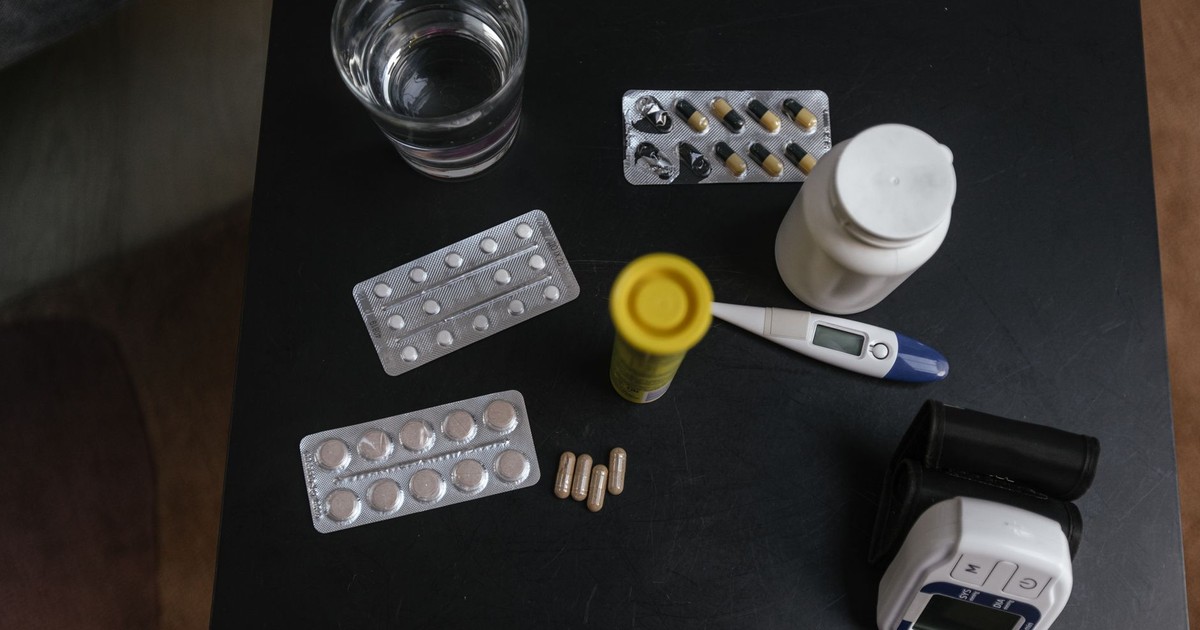

Most people don’t think twice about washing down a morning pill with a sip of coffee. The pill goes in, the coffee follows, and the day begins. But for certain common medications, that seemingly harmless habit can quietly undermine the drug’s effectiveness, amplify its side effects, or in a handful of cases, trigger a serious reaction. The interaction isn’t always obvious because it doesn’t always feel like anything at all.
According to the drug interaction database at drugs.com, 121 medications are known to interact with caffeine, including 5 classified as major interactions, 101 moderate, and 15 minor. Coffee is the primary way most adults consume caffeine – typically two or more cups before 9 a.m., right when many people also take their prescriptions. Understanding medications coffee interactions before they become a problem is straightforward once you know which drugs are affected and why.
Pharmacists are often the first to catch these conflicts, yet patients rarely think to ask. The seven medications below cover some of the most commonly prescribed drugs in the United States, and each one has a documented, clinically relevant reason to keep your mug at a distance.
1. Levothyroxine (Synthroid)

Levothyroxine is a synthetic thyroid hormone taken by millions of Americans with hypothyroidism – a condition where the thyroid gland doesn’t produce enough hormone on its own. Timing is everything with it. Coffee and medications can interact in several ways, with caffeine able to increase or decrease the effectiveness of the drug involved.
Levothyroxine needs a very specific environment in the stomach to absorb properly, and coffee contains compounds that can bind to the medicine or change how quickly it moves through the digestive system, preventing it from entering the bloodstream effectively. The result isn’t dramatic or immediate – it’s a slow, steady erosion of the drug’s effectiveness that can leave thyroid levels unstable for weeks.
According to patient.info, food, milk, and coffee may prevent levothyroxine from being absorbed properly, requiring a 30-to-60-minute wait between taking the pill and having your first cup. There is one important exception: a systematic review on levothyroxine interactions published in Pharmaceuticals and research from the Endocrine Society confirmed that the liquid formulation of levothyroxine sodium oral solution is not affected by coffee. If you take the tablet form, set a timer before your first sip.
2. Antidepressants (SSRIs and TCAs)
Caffeine can increase the effects of several antidepressants, including amitriptyline, fluvoxamine, and clomipramine, according to Medical News Today, reviewed by clinicians and updated in December 2024. For some drugs and some patients, that amplification creates more problems than it solves.
Fluvoxamine is a particularly sharp example. A 2025 review published in the European Journal of Drug Metabolism and Pharmacokinetics found that the interaction between fluvoxamine and caffeine resulted in increased concentrations of caffeine in the bloodstream and also reduced renal clearance of fluvoxamine itself – meaning both compounds stick around longer than intended. For people who are caffeine-sensitive, this can mean pronounced jitteriness, insomnia, and anxiety that looks like worsening symptoms rather than a drug interaction.
The same 2025 review, indexed on PubMed, found that fluoxetine and escitalopram had augmented antidepressant effects when co-administered with caffeine. Augmented effects without adjusted dosing can tip a therapeutic response into side effects. Discuss any regular coffee habit with the prescribing doctor, especially when starting a new antidepressant or adjusting the dose.
3. ADHD Stimulant Medications (Adderall and Similar)
Adderall and other amphetamine-based ADHD medications already stimulate the central nervous system as part of how they work. Adding caffeine on top creates what pharmacologists call a synergistic effect. When caffeine and amphetamine medications combine, according to Healthline, they cause synergy through additive mechanisms of action – the combined effect is more powerful than either substance alone.
Combining Adderall and caffeine can raise the risk of side effects including headaches, tremors, increased blood pressure, and elevated heart rate, according to GoodRx. These aren’t trivial concerns. Some people taking stimulant medications already have cardiovascular monitoring requirements, and adding daily high-dose caffeine intake can make it harder for their prescriber to accurately assess how the medication is actually performing.
Taking caffeine with stimulant drugs can cause increased heart rate and blood pressure, according to WebMD’s caffeine supplement review. For anyone drinking more than one cup a day while on an ADHD stimulant, the conversation with a prescriber is worth having.
4. Ciprofloxacin and Fluoroquinolone Antibiotics

Most people expect to finish a course of antibiotics and feel better. What they don’t expect is for that antibiotic to make their morning coffee hit twice as hard. Ciprofloxacin increased the area under the curve (a measure of total drug exposure) and the elimination half-life of caffeine by 50% to over 100%, according to drug interaction data at drugs.com, and reduced caffeine clearance by 30 – 50%. One standard cup of coffee while taking cipro can produce caffeine exposure equivalent to two or three cups.
Research published on PubMed confirms that fluoroquinolone antibiotics enoxacin and ciprofloxacin impair hepatic metabolism – the liver’s processing – of both caffeine and theophylline. The CYP1A2 enzyme that normally breaks caffeine down is blocked by these drugs, so caffeine accumulates in the bloodstream rather than clearing at its usual rate.
Racing heart, severe insomnia, anxiety, and headaches can follow – symptoms patients sometimes chalk up to the infection itself. If you’re on a fluoroquinolone, cutting caffeine intake significantly, or cutting it out entirely for the duration of the course, is the simplest way to avoid the problem.
5. Blood Pressure Medications
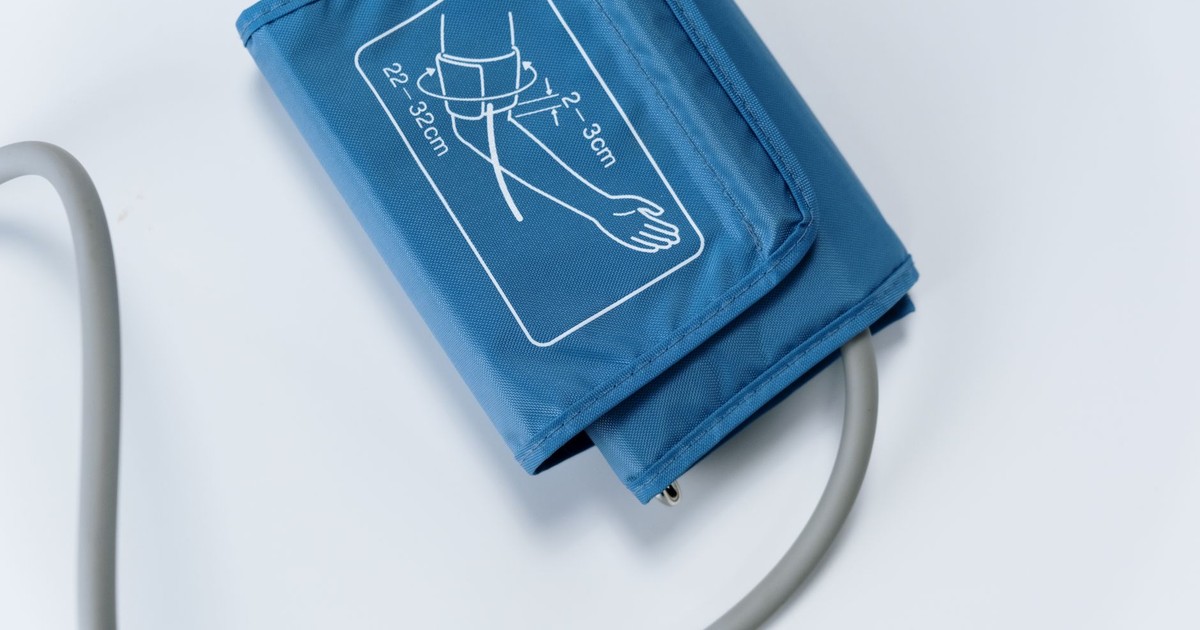
Coffee raises blood pressure acutely in most people, even habitual drinkers. Ingestion of two to three cups of coffee increases systolic blood pressure by 3 – 14 mmHg and diastolic blood pressure by 4 – 13 mmHg, according to a 2021 study published in PMC. For someone on antihypertensive medication to control dangerously high blood pressure, that temporary spike works directly against what the drug is trying to do.
Drinking coffee at the same time as certain blood pressure medications, including the calcium-channel blocker verapamil, can temporarily hamper their ability to relax blood vessels, according to Harvard Health. The interaction goes beyond absorption timing. Propranolol, a common beta-blocker, can double caffeine’s half-life, prolonging any blood pressure spikes caffeine causes – a meaningful concern for anyone whose morning routine involves a large coffee followed immediately by a blood pressure pill.
Drinking coffee around the same time as taking certain blood pressure medications may cause the body to absorb less of the medication, and caffeinated coffee may also increase blood pressure levels, making it harder for medications to work effectively, according to Flushing Hospital Medical Center. Spacing your coffee at least an hour away from your blood pressure medication is a reasonable first step – but your prescriber should know your caffeine habits.
6. Bisphosphonates (Osteoporosis Medications)
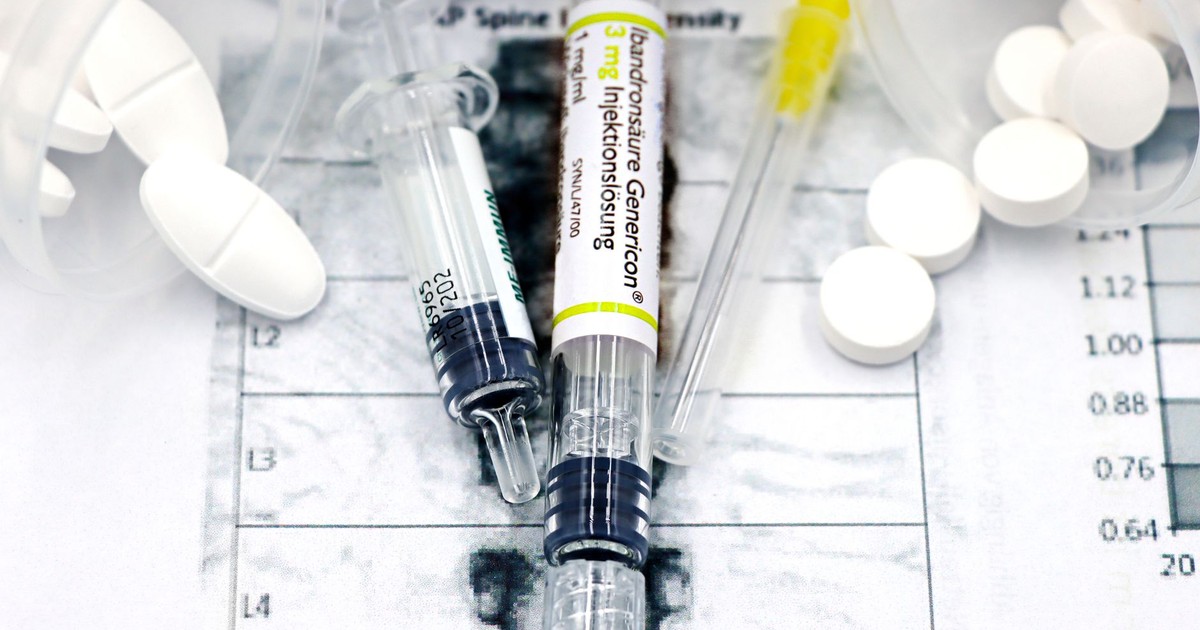
Bisphosphonates – drugs like alendronate (Fosamax) and risedronate (Actonel) used to prevent and treat osteoporosis – have notoriously strict administration requirements. They’re taken on an empty stomach, first thing in the morning, with a full glass of water, followed by remaining upright for at least 30 minutes. Coffee is not on the approved list. According to the National Library of Medicine, milk and milk products, coffee, and orange juice may decrease the absorption of oral bisphosphonates.
A study published in PMC found that coffee showed a deleterious effect on the bioavailability of oral bisphosphonates, meaning the amount of drug that actually reached the bloodstream was significantly reduced. Bisphosphonates already have notoriously low bioavailability under ideal conditions – around 1% or less. Any further reduction from coffee tips the medication into near-ineffectiveness for that dose.
Bisphosphonate treatment works cumulatively over months and years. Missing full absorption day after day adds up to a significantly weakened treatment response – and a higher fracture risk for the patient relying on the drug to protect bone density. Take your dose with plain water only, and wait at least 30 – 60 minutes before having coffee.
You might also be interested in how common supplements interact with medications for a broader look at what else might be competing with your prescriptions.
7. Tizanidine (Zanaflex)

Tizanidine is a muscle relaxant prescribed for spasticity – muscle stiffness and spasms associated with conditions like multiple sclerosis or spinal cord injury. Most people taking it have never been warned about coffee. They should be. According to the drug interaction database at drugs.com, a major drug interaction exists between caffeine and tizanidine – this is the highest tier of interaction classification, meaning clinically significant and potentially serious.
Medical News Today reports that people should not use caffeine alongside tizanidine because drinking caffeinated beverages at the same time can elevate levels of this drug in the blood, potentially leading to adverse effects. Like ciprofloxacin, tizanidine is metabolized by the CYP1A2 liver enzyme, and caffeine competes for that same pathway.
Caffeine may significantly increase blood levels and the effects of tizanidine, according to drugs.com’s food interaction page, which can lead to pronounced drops in blood pressure, dizziness, and excessive sedation. For someone driving or operating machinery, those effects aren’t just uncomfortable – they’re dangerous. This is one interaction where the guidance is clear: avoid caffeine entirely while taking tizanidine.
What to Do Now

The most consistent practical rule across all seven of these medications coffee interactions is time. Spacing your coffee and your medication by at least 30 to 60 minutes eliminates the majority of absorption-related conflicts. For drugs like tizanidine or stimulant medications, the guidance is stronger – limiting or avoiding caffeine during the course of treatment is the safer approach.
Research published in the Journal of Food Quality found that concomitant coffee consumption significantly affects the absorption, distribution, metabolism, and excretion of many drugs, and these effects can lead to enhanced therapeutic responses, therapeutic failure, or toxic reactions. Your pharmacist is the right first call. They have access to your full medication list and can flag any interactions a prescriber may not have raised at the appointment. Most pharmacies offer medication reviews at no cost – a 10-minute conversation that could make every pill you take work the way it’s supposed to.
If you take any of the drugs listed here, bring it up at your next pharmacy visit. Ask specifically about caffeine – not just food. The window between taking your pill and pouring your coffee may be the simplest, lowest-cost change you can make to your daily health routine.
Disclaimer: The author is not a licensed medical professional. The information provided is for general informational and educational purposes only and is based on research from publicly available, reputable sources. It is not intended to constitute, and should not be relied upon as, medical advice, diagnosis, or treatment. Always consult a licensed physician or other qualified healthcare provider regarding any medical condition, symptoms, or medications. Do not disregard, avoid, or delay seeking professional medical advice or treatment because of information contained herein.
AI Disclaimer: This article was created with the assistance of AI tools and reviewed by a human editor.
Read More: 12 Common Medications That May Cause Problems If Taken Long-Term