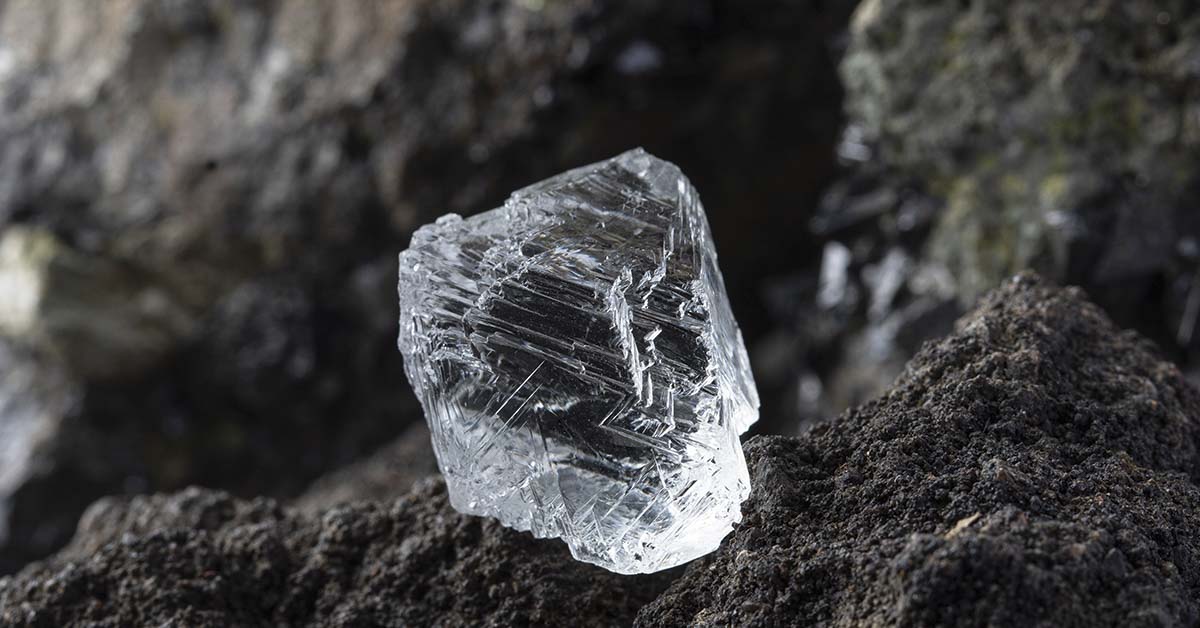

Most people assume diamond hunting requires industrial machinery, deep shafts, and corporate backing. But tucked away in the rolling hills of Arkansas sits a unique exception. At Crater of Diamonds State Park in Murfreesboro, visitors can walk into a field with nothing but a shovel and walk out with genuine diamonds in their pockets.
America’s Only Public Diamond Mine
Crater of Diamonds State Park operates on two simple words. Finders keepers. Any diamond you find becomes yours to keep, no questions asked. It’s the only place in the world where normal civilians can search for real diamonds in their original volcanic source and then take them home.
Most diamonds form hundreds of miles underground, but Arkansas has different geology. A volcanic eruption 100 million years ago blasted diamonds up from more than 93 miles deep. The blast left behind a volcanic pipe filled with diamond-bearing rock. Weather and plowing exposed the gems over millions of years, creating the world’s only public diamond mine.
Your Chances Are Better Than You’d Think
Since 1906, more than 75,000 diamonds have emerged from this 37.5-acre field, though more than 35,000 of these discoveries happened after it became a state park in 1972. Park visitors find more than 600 diamonds each year. The 40.23-carat Uncle Sam remains the largest diamond found in America. The 16.37-carat Amarillo Starlight and 15.33-carat Star of Arkansas followed. This January, a visitor from France found a 7.46-carat diamond.

Most people find much smaller stones. Visitors average two diamonds per day, with roughly 1 in 10 people finding something. Most discoveries only measure fractions of a carat, though they remain genuine diamonds. The volcanic soil also contains amethyst, garnet, jasper, agate, and quartz, so even people who don’t find any diamonds will still usually leave with other interesting rocks.
Searchers use different approaches depending on conditions. Surface searching works best after rain washes soil away and exposes stones. When the field stays dry, people sift dirt to concentrate heavy minerals like diamonds and garnets. The park staff teach both techniques and identify suspected finds free of charge. They plow the search area when the weather permits to loosen soil and expose fresh stones.
The diamonds come in white, brown, and sometimes yellow. The field shifts from dry powder to sticky mud depending on the weather, making sifting tough work. There’s no shade anywhere. But you could walk into this field with a shovel and walk out with some genuine diamonds.
What You Need to Know Before You Dig
Before heading to the digging field, visitors pass through the Diamond Discovery Center. This interpretive center features exhibits and instructional videos showing the three most popular search methods. There are uncut diamonds on display here to help visitors understand what they’re looking for.
Daily entrance fees are $8 for ages 13 and up and $5 for children aged 6-12, with children 5 and under free. This makes it surprisingly affordable for families. You can bring your own mining equipment, though battery-operated or motor-driven tools aren’t allowed. The park rents a basic diamond hunting kit for $10 with a $35 deposit that you get back when you return it.
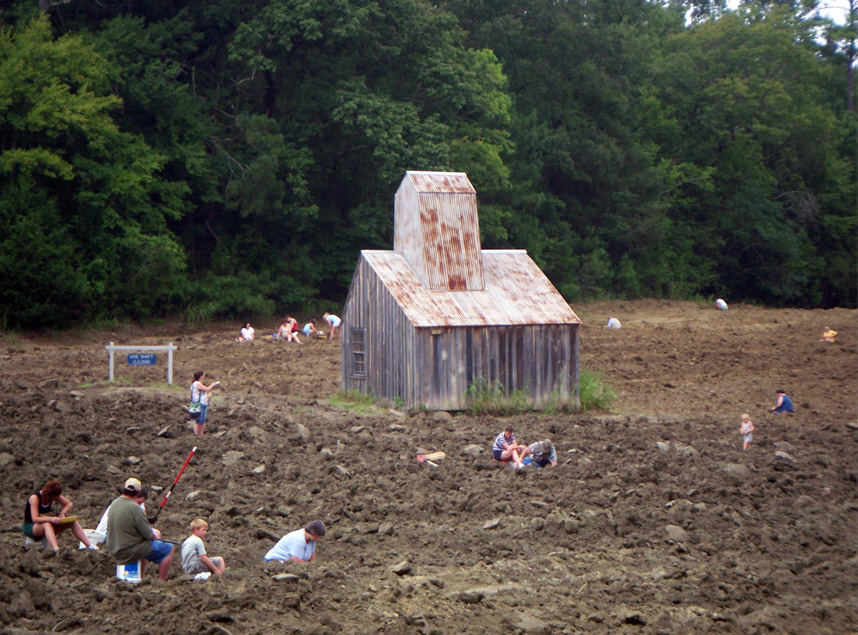
The physical reality differs from romantic expectations. As mentioned before, the dirt varies from dry and powdery to wet and clumpy, making it tough to sift through. There is also no shade in the digging area, so summer visitors need to prepare for heat and sun exposure. Most people will leave with interesting finds, new knowledge, and an urgent need for a long shower.
More Than Diamonds
The park offers more than just diamond hunting. Walking trails, picnic sites, 47 campsites, and a seasonal water park transform this into a full family destination. Many visitors make it a weekend trip, camping near the Little Missouri River.
Researchers continue studying the crater’s unique volcanic composition. Scientists at the University of Arkansas have published work on the lamproite formations, confirming the site as a rare geological window into Earth’s mantle processes. But for most visitors, the appeal remains simpler.
The idea that you could walk into a field with a shovel and walk out with a diamond captures something fundamental about the American dream. Most valuable experiences today require a substantial investment or special access.
Read More: In a California Forest, a 5,000-Year-Old Tree Remains a Protected Secret
Can’t Make It to Arkansas?
While the Crater of Diamonds remains the only place for real diamond hunting, treasure seekers in other parts of the country have an alternative. New York’s Herkimer County offers the chance to mine for “Herkimer Diamonds,” though these aren’t actual diamonds at all.
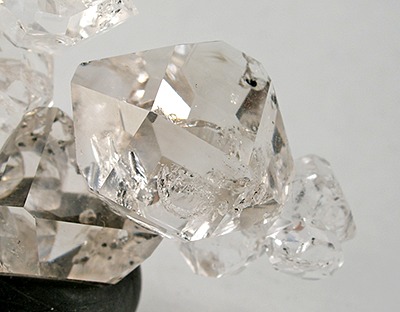
Herkimer Diamonds are double-terminated quartz crystals that formed over 500 million years ago. They earned their diamond nickname because of their exceptional clarity and natural 18-sided faceted appearance. Unlike true diamonds, which must be cut and polished, these quartz crystals emerge from the ground already sparkling.
Several mines in Herkimer County allow public digging, like the Herkimer Diamond Mines and Crystal Grove Diamond Mine. Adult admission runs around $15, and you keep everything you find. The mining involves breaking open dolostone rock with hammers and chisels to find crystals hidden in small cavities called vugs.
The experience differs from Arkansas diamond hunting. Instead of sifting through dirt, you’re cracking rocks. The crystals range from grain-sized to several inches long. While they’re not diamonds, Herkimer crystals make beautiful jewelry and have genuine value to collectors.
Ordinary Places, Extraordinary Chances
Whether you uncover the next record-breaking diamond or collect interesting rocks as souvenirs, both experiences connect you to geological wonder and the persistent human dream of finding treasure. Arkansas offers the thrill of actual diamonds, while New York provides stunning crystal hunting closer to the East Coast. Both prove that sometimes the most extraordinary opportunities hide in the most ordinary places.
Read More: Yes, The IRS Will Tax The Man Who Found A 9-Carat Diamond