

The pursuit of pleasure is fundamentally human, and the orgasm stands as the ultimate peak of sexual experience. Often thought of as a single, uniform event, research and anecdotal evidence suggest that the climax can be triggered by a vast array of stimuli, manifesting in diverse ways throughout the body. Experts now acknowledge there are numerous routes to achieving a blissful release, underscoring the intimate connection between the brain, the body, and the sense of self. This exploration of the different types of orgasms reveals the complexity and potential diversity of human sexual response.
What is an Orgasm?

Image credit: Shutterstock
An orgasm is the culmination of sexual excitement, characterized by a sudden, intense feeling of pleasure and release. It is accompanied by involuntary muscle contractions, particularly in the pelvic floor. It is a neurological event, with the brain being the central player. Most researchers believe there is essentially only one kind of orgasm, but it can be triggered by stimulating many different parts of the body. This includes the genitals, breasts, and more.
Differences Between Men and Women
While the fundamental neurological response of an orgasm is similar for all genders, there are key physiological differences:
- Refractory period: After male orgasm, there is typically a refractory period – a span of time during which the male cannot be aroused or achieve another erection or climax. Women, however, who have vulvas generally do not experience a refractory period and can often achieve multiple orgasms with success.
- Stimulation required: For many women, direct or indirect clitoral stimulation is necessary for climax. In fact, the clitoris serves no function other than to provide pleasure. For most men, orgasm typically occurs as a direct result of penile stimulation, usually culminating in ejaculation.
- Anatomy: The anatomy of women features erectile tissue spread throughout the clitoris and vestibular bulbs of the labia minora, offering numerous erogenous zones and pathways to climax.
The 9 Types of Orgasm

Image credit: Shutterstock
The different ‘types’ of orgasms are primarily defined by the specific zone of the body or mind used to evoke the sensation. Everyone is different and what helps them reach climax will be unique to them. Consider trying some of these different methods to get yourself there, either alone or with a partner.
1. Clitoral Orgasm
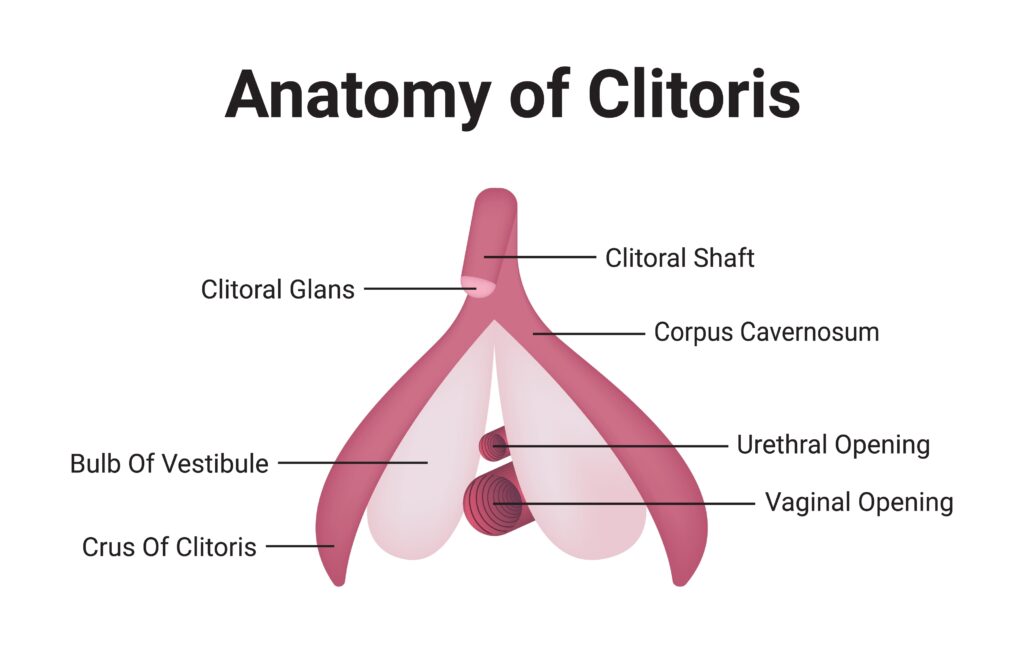
The clitoris is a nerve-dense structure located at the top of the vaginal opening, dedicated solely to sexual pleasure. Clitoral orgasms result from stimulating this area, either directly (touching the glans) or indirectly (through the labia and clitoral hood). For those new to orgasm, starting with clitoral stimulation is often recommended as the most direct route to climax. What’s more, is that clitoral satisfaction is easily achieved by oneself.
2. G-Spot Orgasm
The G-spot is a hypothesized highly erogenous area on the anterior (front) vaginal wall, within the urethral sponge. While its exact existence, location, and nature remain scientifically debated, many people report feeling intense pleasure and orgasm when this area is stimulated through deep pressure. Many people say that the pressure using the “come-hither” motion is what works best. This stimulation can sometimes lead to a sensation similar to the need to urinate and even female ejaculation.
3. Blended Orgasm
A blended orgasm is the result of combining clitoral stimulation with some other form of arousal. The most common combination involves simultaneously stimulating the clitoris and the G-spot. However, any combination of erogenous zone stimulation – such as the clitoris and the nipples – can create a powerful blended experience. For many, involving the clitoris is the easiest way to increase the odds of achieving this type of climax.
4. Anal Orgasm
An anal orgasm is achieved through stimulation of the anus and rectum. For women, this is possible because of the shared nerves from the anterior wall of the rectum to the vagina, and because the internal parts of the clitoris (the crura, or “legs”) stretch toward the anus. When stimulating the anal canal, pushing up toward the belly button can target this central nerve area, creating sexual arousal and possible climax.
5. Cervical Orgasm
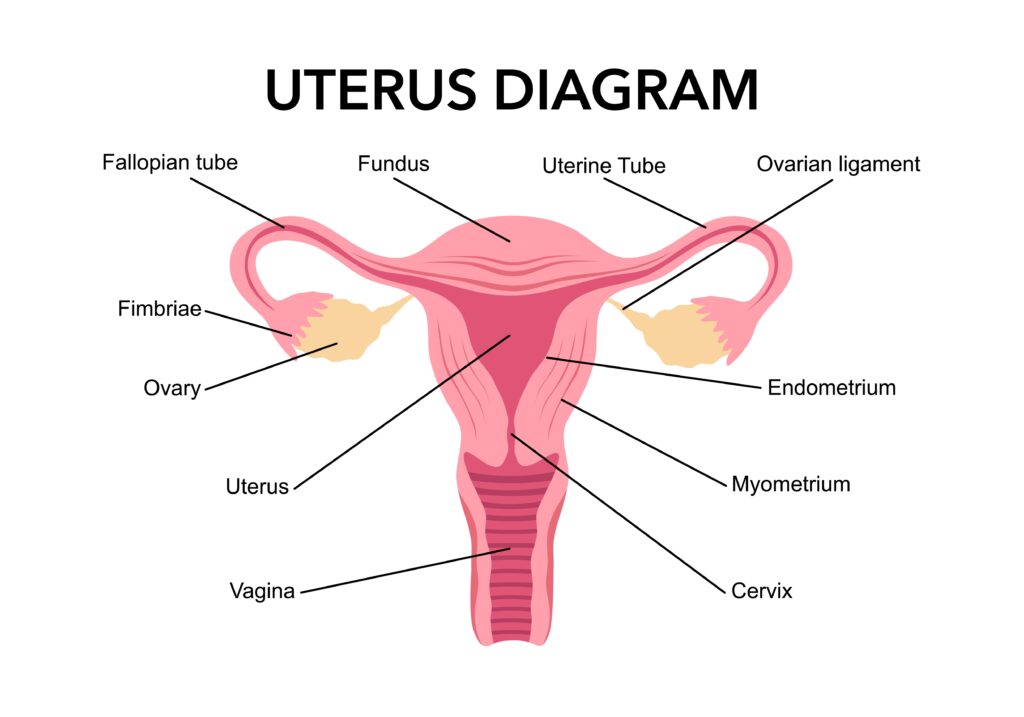
Image credit: Shutterstock
The cervical orgasm involves nerve endings located in the cervix (often called the C-spot) and around the uterus. It is typically achieved through deep penetration from a partner or a toy hitting the cervix when the person is highly aroused. Because the cervix is sensitive, high arousal is key to ensure the sensation is pleasurable rather than painful.
6. Nipple Orgasm
A nipple orgasm is a pleasurable release of sexual arousal centered solely on nipple stimulation, without direct genital contact. The nipples are erogenous zones with thousands of nerve endings. Stimulation of the nipples sends messages to the same sensory cortex in the brain that is activated by genital stimulation, allowing some individuals to climax through touch, licking, or sucking on the breasts and nipples alone.
7. Coregasm
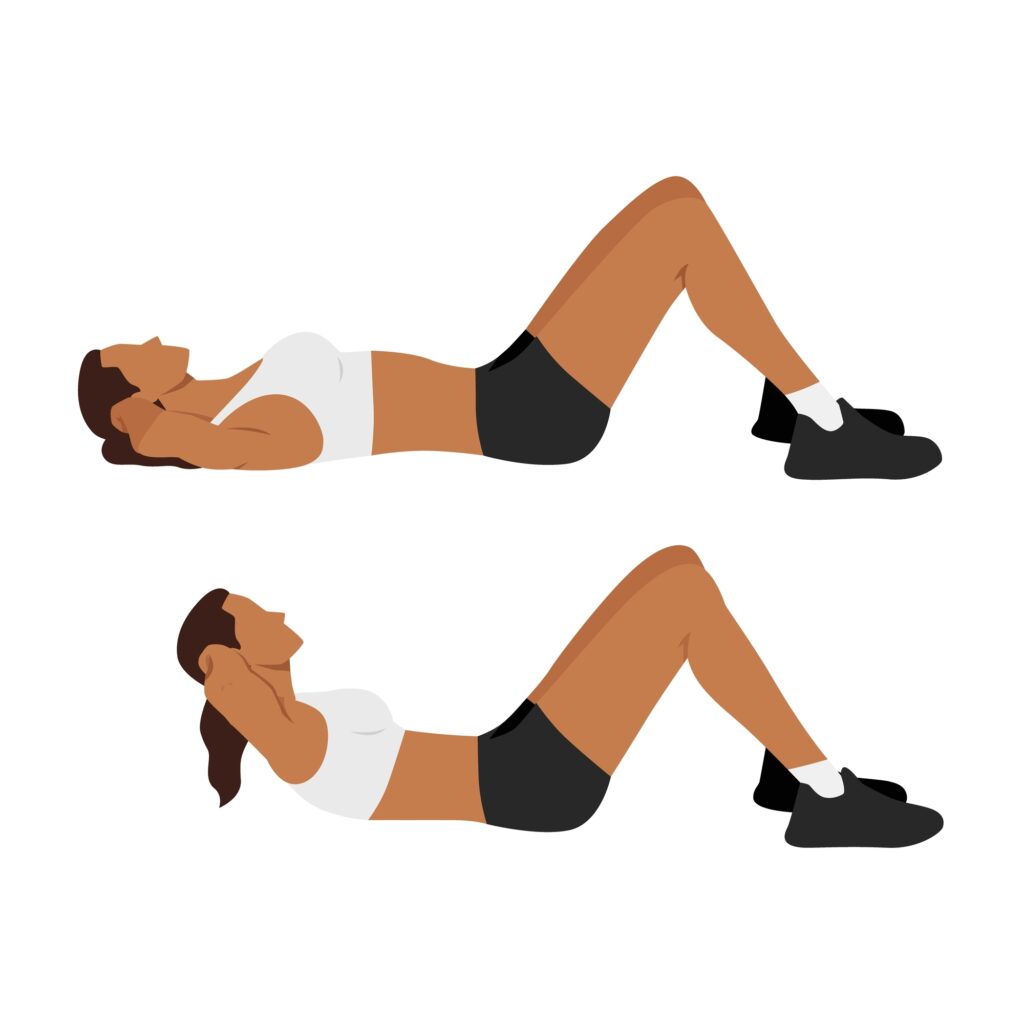
A coregasm is a type of spontaneous orgasm triggered solely by physical activity, usually during a workout. This phenomenon is often experienced while performing exercises that heavily engage the abdominal muscles, such as sit-ups, or during exercises where the inner thighs rub together, providing indirect clitoral stimulation. Many who experience coregasms find it occurs naturally and is not something that can be trained.
Read More: Women Who Have Infrequent Sex May Face Certain Health Risks
8. Skin Orgasm

A skin orgasm, also known as frisson, is a tingly sensation that runs through the body, sometimes accompanied by goosebumps, that is similar in feeling to sexual climax. However, it is most often triggered by non-sexual, emotionally evocative stimuli. Research shows that frisson is most commonly sparked by listening to emotionally affecting music, though profound or moving scenes in movies, or even art, can also trigger this deep physical response.
9. Breath Orgasm
The concept of a breath orgasm focuses on using controlled breathing and mental focus to achieve climax. Since the hottest sexual experiences happen between our ears, utilizing the breath can enhance the mind’s ability to interpret sensations and enter a state conducive to pleasure. Techniques involve deep, slow, diaphragmatic breathing combined with visualization. Many people report that deep, slow breathing intensifies orgasms and can even result in multiple climaxes by enhancing the mind-body connection.
The Bottom Line
The vast spectrum of orgasms – from those triggered by direct physical contact to those initiated purely by breath or music – underscores the powerful role of the brain in sexual response. Instead of thinking of climax as a singular, genital-focused event, understanding these nine pathways invites a broader appreciation for the body’s entire map of pleasure. Whether seeking a coregasm through exercise or achieving a blended O through combined stimulation, the journey to climax is ultimately a personal exploration of the mind and body.
Read More: Why Hands-Free Masturbation Could Be Good for Your Health, According to a Sex Expert