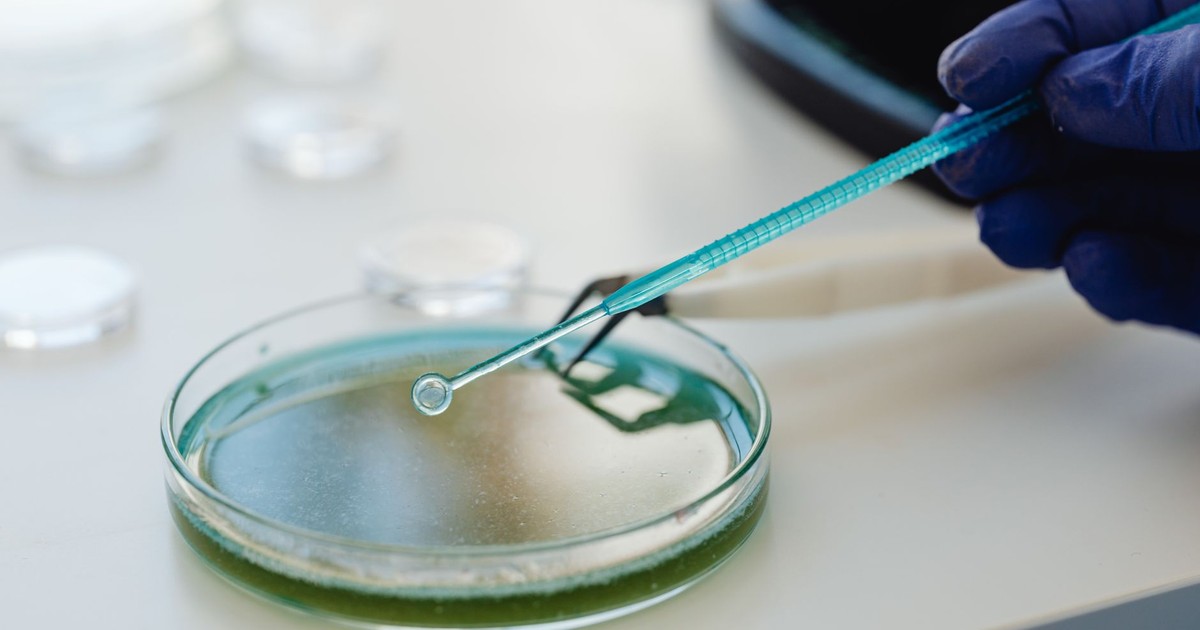

Researchers from Stony Brook University confirmed Vibrio vulnificus hotspots across multiple Long Island water bodies in April 2026, identifying the bacterium commonly called “flesh-eating bacteria” in locations where it had rarely appeared before. For years it was considered largely a Gulf Coast problem. That geography is shifting, and the timing of its northward creep coincides with something else: a systematic dismantling of the public health infrastructure built to track it.
Florida recorded eight cases of Vibrio vulnificus so far in 2026, already outpacing the five cases recorded at the same point last year. The bacteria don’t stay put. Vibrio vulnificus is naturally found in warm brackish and salt waters, especially around the Gulf Coast and Eastern Seaboard, but warming ocean temperatures are pushing those boundaries steadily northward.
Both the disease threats and health budget cuts driving concern among public health officials are unfolding at the same time, and the connections between them are concrete enough to name.
A Bacteria That Kills Within 48 Hours
About 150 to 200 V. vulnificus infections are reported to the CDC each year, and about one in five people with this infection die, sometimes within one to two days of becoming ill. That fatality rate makes it one of the most lethal bacterial threats tied to ordinary activities – swimming, eating raw shellfish, or wading through floodwater with a cut on a leg.
The bacterium can invade the bloodstream, causing a severe and life-threatening illness with symptoms like fever, chills, decreased blood pressure (septic shock) and blistering skin lesions. Health officials say some people with the infection require intensive care or limb amputations. People with weakened immune systems or chronic liver disease face the sharpest risk, though healthy adults are not immune to serious outcomes.
The Florida Department of Health reported 33 confirmed Vibrio vulnificus cases and five deaths statewide in 2025. In 2024, the state reported 82 cases and 19 deaths – a number inflated by Hurricane Helene pushing warm, contaminated coastal water inland. The trend line over a longer horizon is just as striking. According to a 2025 study in the journal StatPearls, climate change is actively expanding the geographic range where Vibrio vulnificus and related pathogens can survive and thrive. A 2026 Euronews analysis found that Vibrio infections have risen by more than 84% since the early 2000s.
A 2026 study in the NIH’s open-access database identified rising ocean temperatures and salinity fluctuations driven by climate change as key drivers reshaping marine microbial communities, enabling bacteria like Vibrio to colonize waters and seasons where they were previously absent. That same study helps explain why infections once confined to the warm months of the Gulf South are now surfacing in New York, New England, and beyond.
The Screwworm Returns After 60 Years
Vibrio isn’t the only pathogen making a comeback under conditions the U.S. is less equipped to handle. After nearly 60 years without a confirmed domestic case, the USDA confirmed the first U.S. detection of New World screwworm in South Texas on June 3, 2026. The affected animal was a 3-week-old calf, with larvae identified in its umbilical area.
New World screwworm (Cochliomyia hominivorax) is a parasitic fly whose larvae burrow into the living flesh of warm-blooded animals, including, in rare cases, humans. The larvae cause serious damage to livestock and significant economic losses. The parasite was eradicated from the United States in the 1960s through a landmark sterile insect campaign. That victory held for decades, until the pest began spreading again.
The pest reemerged in Chiapas, Mexico, in November 2024 and has since spread northward. Additional cases have been confirmed in Zavala, La Salle, and Gillespie counties in Texas, as well as Lea County, New Mexico. All countries in Central America and Mexico where screwworm was previously controlled have since identified cases in animals, including livestock, pets, wildlife, and in people.
The country’s worst outbreak happened in 1972, when the USDA estimated there were 90,000 cases, and another outbreak of that magnitude could cost the Southwest alone more than $3 billion, according to the Federal Reserve Bank of Dallas. Few livestock producers working today have the institutional knowledge or firsthand experience to identify an infestation – the parasite had been absent from U.S. soil for nearly six decades before this year’s detection. Diminishing awareness and experience among livestock producers was, in fact, a documented factor behind the severity of that 1972 outbreak itself.
The USDA’s response strategy includes the release of sterile flies, animal movement controls and surveillance, and outreach and education in affected areas. Sterile fly supply remains a key constraint, with current production insufficient for the expanding outbreak.
What the Budget Cuts Actually Mean on the Ground
Both of these disease threats emerged against the backdrop of what former CDC Director Tom Frieden, in a CBS News interview in June 2026, called a systematic weakening of American defenses: “We are letting down defenses that were necessary to protect against microbial threats.”
The numbers behind that statement are substantial. According to a Congressional Research Service report from May 2026, HHS had terminated 444 CDC grants totaling $5.78 billion in unliquidated obligations – meaning funds that had been allocated but not yet spent on ongoing public health programs. Those programs included disease surveillance, outbreak response, laboratory capacity, and state-level infectious disease tracking.
Some of those terminated grants covered infectious disease prevention and surveillance, as well as flu and RSV vaccination education outreach, and had recently been extended by the CDC until 2026 and 2027. Among the programs affected was core Los Angeles County public health funding that supported disease surveillance, public health lab services, outbreak investigations, infection control activities at healthcare facilities, and data transparency.
The CDC’s budget would be reduced by 53% if the administration’s proposed FY 2026 budget is adopted, according to a 2025 analysis by Trust for America’s Health, a nonprofit that tracks public health funding annually. The proposed budget would cut the CDC’s overall budget from $9.2 billion in FY 2024 to about $4.2 billion in FY 2026.
The Department of Agriculture, which oversees food safety, animal disease, and agricultural health, has also seen deep staffing reductions. The USDA lost 18% of its workforce in the first six months of 2025, according to a report from the USDA’s Office of Inspector General. Detecting and containing a parasitic pest that hadn’t appeared in the country in six decades requires experienced personnel in the field, not just protocols on paper.
According to Oregon Public Broadcasting’s 2026 reporting, the NSF announced plans to dismantle most of its ocean sensor network, pulling instruments from waters off Oregon, Washington, Alaska, and North Carolina. That network – a grid of more than 900 ocean sensors built at a cost of $386 million and designed to operate for 25 to 30 years – continuously collects real-time temperature and salinity data. Those measurements are precisely the variables scientists use to predict where Vibrio bacteria will concentrate and when. Removing them doesn’t just interrupt climate science. It removes the early-warning layer that helps public health officials anticipate bacterial bloom conditions before people get sick.
Read More: Is Hantavirus the Next COVID? A Complete 2026 Guide
Malaria Funding Cuts and the Global Feedback Loop
The disease threats and health budget story extends well beyond U.S. borders, with consequences that loop back home. The United States has historically been the single largest funder of global malaria control. Between 2010 and 2023, the USA contributed an average of 37% of global malaria financing through both bilateral and multilateral channels, according to the World Health Organization.
That funding – channeled primarily through the President’s Malaria Initiative (PMI), a bipartisan program launched by George W. Bush in 2005 – is now severely curtailed. An internal USAID memo estimated that an additional 12.5 to 17.9 million malaria cases and 71,000 to 166,000 deaths could occur annually if PMI was halted permanently, according to KFF’s 2025 analysis of the program’s status under the current administration.
In early April 2025, almost 30% of planned insecticide-treated net distribution campaigns were off-track or at risk of being delayed due to funding shortages. A rapid assessment survey of 108 WHO country offices found that more than half of the 64 malaria-endemic countries surveyed reported moderate or severe disruptions to malaria services, including medicines and health products, due to the U.S. foreign aid freeze.
Modeling studies from the Malaria Atlas Project estimated that a halt of PMI-funded programs for 90 days would result in 1.7 million additional cases and 17,000 additional deaths. A freeze for one year would result in 14.9 million additional cases and 107,000 additional deaths. Malaria is already re-emerging in parts of the United States, with locally acquired cases reported in recent summers. A weakened global surveillance and suppression system means more of the disease circulating in more places – including regions where U.S. travelers go and return from.
As Janeen Madan Keller, deputy director of the Global Health Policy Program at the Center for Global Development, noted: “From our own experience with epidemics and pandemics, we know that infectious diseases do not respect borders.”
What This Means for You
For Vibrio vulnificus specifically: health officials recommend avoiding warm coastal waters if you have an open wound, keeping wounds covered, and thoroughly cooking shellfish before eating. Raw oysters carry the highest risk. Anyone who develops a rapidly worsening wound infection after ocean exposure – especially with redness, swelling, and blistering – needs emergency care that same day. Time to treatment is directly linked to survival.
For the broader disease picture: the systemic reduction in surveillance capacity means that some outbreaks will be detected later and responded to more slowly than they would have been five years ago. Cutting programs that detect, track, and contain pathogens produces exactly that outcome. Staying current on local health alerts, knowing your county health department’s contact information, and having a primary care provider who takes a travel history seriously are practical steps that cost nothing. If you live in or near coastal areas, the Florida Department of Health’s Vibrio tracking page updates case counts in real time.
The screwworm cases in Texas, the Vibrio detections in New York, and the disrupted malaria net distribution campaigns in Africa are each, individually, manageable crises. The question public health officials are raising – whether the capacity to manage them simultaneously, quickly, and with adequate resources still exists – depends on decisions being made right now about what the federal government funds and who it employs.
Disclaimer: This information is not intended to be a substitute for professional medical advice, diagnosis, or treatment and is for information only. Always seek the advice of your physician or another qualified health provider with any questions about your medical condition and/or current medication. Do not disregard professional medical advice or delay seeking advice or treatment because of something you have read here.
AI Disclaimer: This article was created with the assistance of AI tools and reviewed by a human editor.