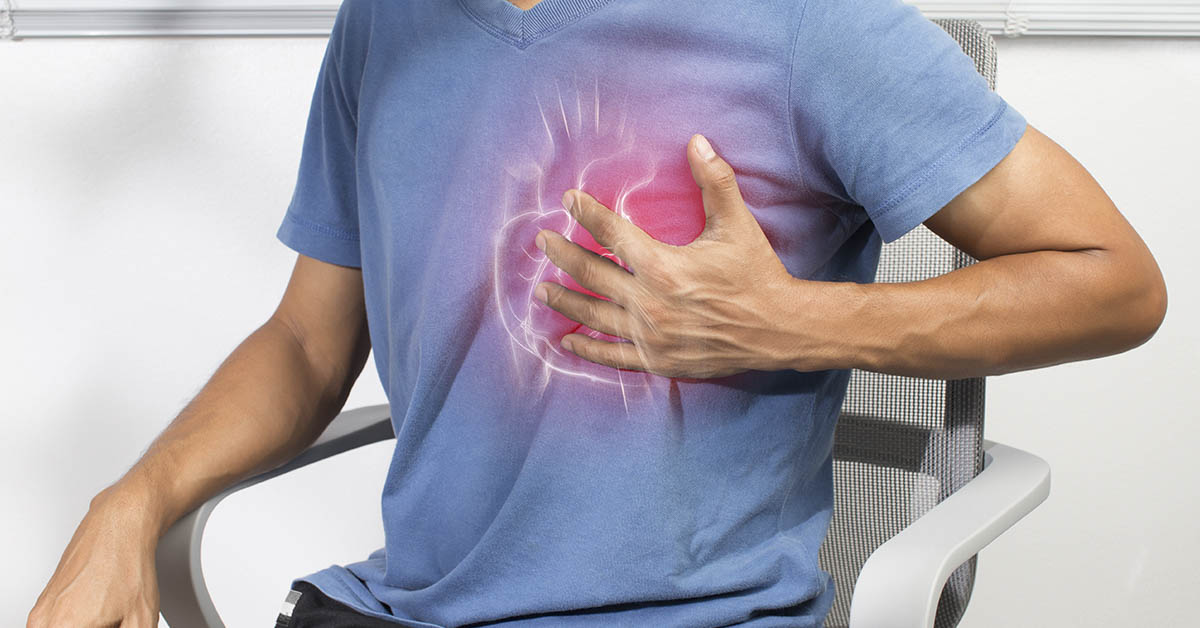

Heart disease is the leading cause of death in America and in the world. According to the World Health Organization, ischaemic heart disease showed the largest increase in deaths since 2000, when the death toll was 2.7 million. By 2021, that toll rose to 9.1 million. Ischaemic heart disease is one of many cardiovascular disorders, all of which can lead to premature deaths. There are many causes of heart failure, mainly unhealthy lifestyles. Unfortunately, there are typically no symptoms of cardiovascular disease, so people may engage in unhealthy habits while unaware of the toll on their bodies. Their first warning sign may be a stroke or heart attack. Therefore, it’s always better to avoid potential causes of heart failure, even if you’re feeling fine. Eliminating these poor habits won’t just help your heart; it can improve your overall quality of life.
Habit 1: Excessive Alcohol Consumption

Staying healthy all week and partying on the weekends isn’t a good balance, no matter its popularity. According to Dr. Dmitry Yaranov, a heart transplant cardiologist, even young people with exercise routines, balanced diets, and overall sobriety can suffer from binge-drinking on the weekends. “This one day of heavy alcohol use, it’s not going to go unnoticed,” Yaranov said to Business Insider. In fact, excessive drinking can cause multiple heart issues, such as abnormal rhythms, heightened blood pressure, and dilated cardiomyopathy.
How to Safely Consume Alcohol

Let’s face it: The safest way to consume alcohol is by not doing it. Even drinking in moderation can come with health risks, including heart disease, according to the CDC. Knowing that, excessive drinking is undeniably harmful. As of now, a standard drink in the U.S. has 0.6 ounces (14 grams) of pure alcohol. (That’s about the equivalent to a 12-ounce beer with 5% alcohol or 5 ounces of wine with 12% alcohol.) If you still choose to drink, CDC and many other health organizations believe that a healthy limit on alcohol consumption is no more than two drinks a day for a man, or one drink a day for a woman. Additionally, there is no healthy way to binge-drink, which is defined as 4+ drinks for women or 5+ for men.
Habit 2: Excessive Salt Intake

Image credit: Unsplash
A diet with excess sodium is linked with high blood pressure. Over time, high blood pressure can over-extend or injure blood vessel walls and exacerbate plaque buildup. That is why high blood pressure is known as the “silent killer” because the symptoms often go unnoticed. Eating less salt can reduce the risk of heart attack and heart failure, even in people who don’t have high blood pressure and other causes. Remember to check labels because you may be surprised how much sodium is in “non-salty” foods. Avoid or limit foods that are high in salt, such as:
- Processed meats like deli and hot dogs
- Pre-packaged breads and cereals
- Soups, stocks, and sauces
- Canned goods
- Snack foods like chips and crackers
- Fast food like burgers and pizza
Eat Less Salt

“Cardiovascular disease is real, and it is the number one cause of morbidity and mortality worldwide according to the World Health Organization,” said researcher Elsie Kodjoe, MD, MPH, to the American College of Cardiology. “Adhering to sodium guidelines is one of the easier strategies individuals could readily adopt to reduce hospitalizations, health care costs, morbidity and mortality associated with cardiovascular disease.” The Dietary Guidelines for Americans recommends adults limit sodium intake to less than 2,300 mg per day, which is roughly 1 teaspoon of table salt. The FDA provides several recommendations for reducing sodium intake:
- Make food from scratch instead of using packaged goods.
- Add herbs and spices for flavor instead of salt.
- Rinse canned goods to remove some of the sodium.
- Choose snacks labeled “low-sodium” or “no-salt”.
- Limit or avoid condiments and sauces (since they tend to be very high in sodium).
- Overall, pick fresh food over processed or packaged.
Habit 3: Poor Sleep

Image credit: Unsplash
Sleep is important for maintaining good health, but that doesn’t stop people trying to survive without it. In fact, the CDC estimates that about 37% of adults sleep less than seven hours a night. Irritability and low energy levels are obvious side effects of a poor night’s sleep, but it actually does much more damage, especially when it comes to heart health. A lack of sleep increases the risk for high blood pressure, elevated heart rate, and elevated stress hormone levels. “Those same hormones can reduce our tissues’ sensitivity to insulin, leading to higher blood sugar levels and higher cholesterol numbers,” says Elizabeth Klodas, M.D., to Eating Well. They can also contribute to uncontrolled hypertension. All of these factors can cause heart disease and failure over time. Therefore, the American Heart Association recommends adults get 7–9 hours of sleep a night for optimal cardiovascular health.
Habit 4: Sedentary Lifestyle

It’s time to rethink your sitting habits. Unfortunately, many people’s routines involve little exercise. They get up, drive to work, labor at a desk all day, drive back home, and relax on the couch with their phones, TVs, books, etc. A 2022 study made a startling discovery about how this schedule affects people’s health. In an international survey with over 100,000 participants, researchers found that those who sat for 6–8 hours a day had a 12–13% increased risk of mortality and heart disease. The risk for those who sat 8+ hours a day increased to 20%. This is because prolonged sitting reduces blood flow and promotes the buildup of plaque in the arteries. At the same time, it can raise blood pressure, worsen cholesterol profiles, and lead to obesity, according to the Cleveland Clinic. All of these are contributors to heart disease and, over time, potential causes of heart failure.
Create an Active Lifestyle
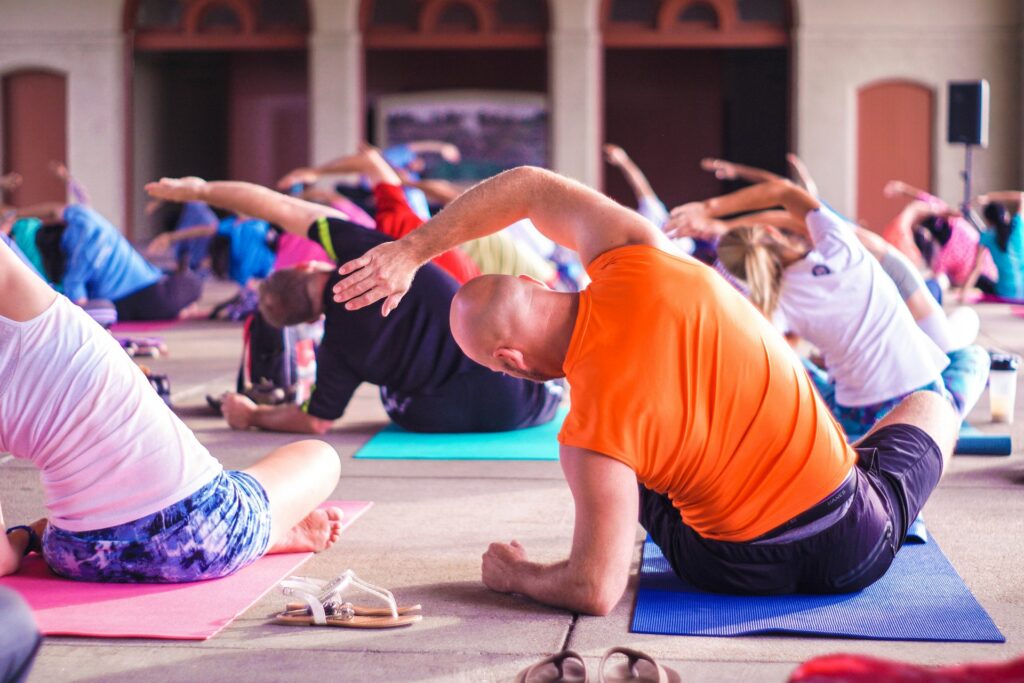
“Moderate exercise for a half-hour three to five times a week will protect your heart,” says Nicholas Ruthmann, MD, staff cardiologist with the Cleveland Clinic, to Everyday Health. “It’s a muscle like any other muscle; if you don’t work it, it will get weak. It also helps to control your weight, as obesity is another big risk factor for a heart attack.” Fortunately, you don’t need a gym membership to do “moderate exercise” on a regular basis (although it might help). Find an activity you like and stick to it, such as:
- Brisk walking
- Swimming
- Cycling
- Yoga
- Aerobics
- Dancing
- Hiking
- Intensive yard work or gardening
Just Move It

Keep in mind that every step counts, even if they are spread out throughout the day. In fact, breaking up workouts into smaller sessions can make exercise routines more doable. So take the stairs instead of the elevator. Park your car farther away from the supermarket so you can walk a little longer. Stroll through every aisle once you are inside. Take the bus to work instead of driving; not only is it better for the environment, but it would also force you to walk to the stop and back. Pace or walk outside while you’re on a phone call. Step away from the desk and do jumping jacks and lunges when you finish tasks. Find opportunities in your day where you can move, and use them.
Read More: Heart Failure Could Be Reversed as the Human Heart May Have Self-Healing Abilities