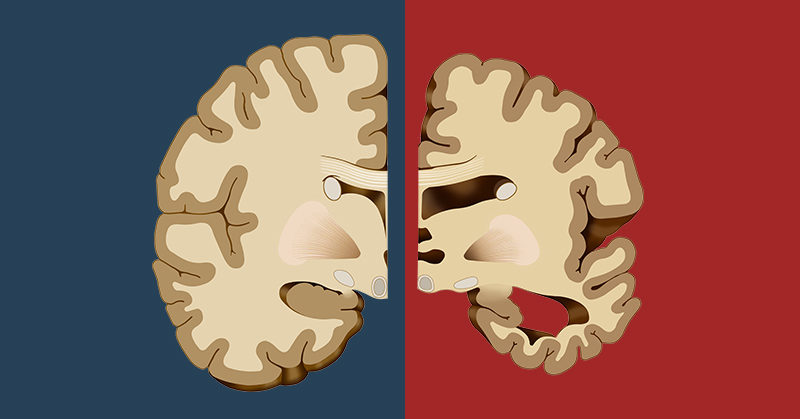

Dementia often starts with small changes that are easy to brush off. A parent misses a bill for the first time, or loses a common word in the middle of a story. Slips like these happen to everyone now and then. When they pile up and start to get in the way of daily life, it is time to talk to a doctor.
Dementia is very common. The World Health Organization says 57 million people around the world were living with it in 2021. There are nearly 10 million new cases every year. Alzheimer’s disease is the most common type. It may be behind 60 to 70% of cases.
What is dementia?
Dementia is not one disease. It is a broad term for brain conditions that get worse over time. They cause a loss of the ability to think, remember and reason that affects daily life, according to Alzheimers.gov, a site run by the National Institute on Aging. Some people also have a hard time controlling their emotions, and their personality may change.
Some memory loss is normal as you age. You might forget a name and remember it later. Dementia is different. People have trouble keeping up with their routines, learning new things and doing tasks they have done for years, the Alzheimer Society of Canada explains.
Age is the biggest risk factor. About one in three people age 85 or older may have some form of dementia. Still, it is not a normal part of aging, and in rare cases it starts in midlife. When it begins before age 65, doctors call it young onset dementia.
Why does catching it early matter more now?
For years, an early diagnosis mostly helped families plan. That has started to change. In 2023, the U.S. Food and Drug Administration gave full approval to lecanemab (Leqembi). In 2024, it approved donanemab (Kisunla). Both drugs are only for people in the early stage of Alzheimer’s, with mild memory or thinking problems and a buildup of a protein called amyloid in the brain. They do not cure the disease.
Testing is getting easier too. In May 2025, the FDA cleared the first blood test to help diagnose Alzheimer’s. It is for adults 55 and older who already have symptoms. It measures two proteins in the blood that are linked to amyloid plaques in the brain. Before this, doctors often needed a PET scan or a spinal tap to check for those plaques. The blood test does not give a diagnosis on its own, so doctors still use it alongside other exams.
Read More: Doing this one thing After 70 May Cut Dementia Risk by Nearly 40%
12 early warning signs of dementia
Early signs can be mild and hard to spot. If you notice several of these in yourself or someone you love, ask a doctor for a checkup.
1. Short-term memory loss

Everyone forgets things. In early dementia, it happens more often and is harder to shake off. One of the most common early signs is forgetting something you just learned, says the Alzheimer’s Association. People may forget important dates, ask the same questions over and over, or lean more on notes and family to remember things they used to handle on their own.
Things may end up in odd places too. A person may put items where they don’t belong and not be able to retrace their steps to find them. As the disease moves along, some people accuse others of stealing.
New memories tend to suffer first. In Alzheimer’s, damage often starts in the hippocampus, a part of the brain that helps form new memories, the National Institute on Aging says.
2. Trouble with familiar tasks

Daily jobs can start to feel hard. A person may have trouble driving to a place they know well, making a grocery list or remembering the rules of a favorite game. Simple tasks may also take longer than they used to.
3. Problems with words

A person may struggle to find the right word or name a common object. They may use the wrong name for something, like calling a watch a “hand-clock,” the Alzheimer’s Association notes. Changes in reading and writing can show up as well.
4. Mood changes

Mood can change in ways that seem out of character. A person may become confused, suspicious, depressed, fearful or anxious. They may get upset easily at home, with friends or anywhere outside their comfort zone.
It can be hard to notice these shifts in yourself. If the people closest to you mention them, take it seriously.
5. Confusion about time or place

People with dementia can lose track of dates, seasons and the passing of time. They may forget where they are or how they got there. Getting lost in a familiar neighborhood is another sign listed by Alzheimers.gov. This can be a safety risk when a person drives or walks alone.
6. Trouble following a conversation

Keeping up with a talk can get harder, especially in a group. A person may stop in the middle of a sentence and not know how to go on.
Some people also start to miss sarcasm. In research presented in 2011, a team at the University of California, San Francisco found that people with frontotemporal dementia had a hard time telling sarcasm and lies from the truth, Live Science reported. Frontotemporal dementia is a less common type that tends to start before age 60.
7. Repeating things

A person may say the same thing or ask the same question several times in one conversation. They may repeat an activity, or undo something they just finished. The person may not remember that they just asked or did it, the Alzheimer’s Association says. Sometimes they are looking for comfort, or trying to share a worry they can’t put into words.
8. Losing interest in things

Apathy means losing interest or drive. A person may drop hobbies they used to love or stop caring about events that once excited them. Alzheimers.gov lists loss of interest in normal daily activities as a symptom of dementia.
9. Trouble with numbers and planning

Working with numbers can become hard. A person may struggle to follow a familiar recipe or keep track of monthly bills. Making and sticking to a plan may take much longer than before.
10. Poor judgment
Choices may start to seem odd. A person may make poor decisions with money or stop paying attention to grooming and keeping clean. Alzheimers.gov also lists acting on impulse as a possible symptom.
11. Pulling away from people

Because conversations get harder, a person may pull back from hobbies, social plans and other activities. They may lose track of a sports team they used to follow closely.
Being cut off from others can feed the problem. The 2024 Lancet Commission on dementia lists social isolation as one of 14 risk factors that people can change.
12. Personality changes

Personality shifts a little over a lifetime. In dementia, the change can feel more sudden. An easygoing person may become suspicious or easily upset. A study in The Journals of Gerontology found that personality changes can appear before a person is diagnosed with Alzheimer’s.
How is it different from normal aging?
The Alzheimer’s Association compares common signs of dementia with typical age-related changes:
- Making poor decisions often vs. making a bad decision once in a while
- Not being able to manage a budget vs. missing a monthly payment
- Losing track of the date or season vs. forgetting the day and remembering it later
- Having trouble holding a conversation vs. sometimes forgetting which word to use
- Losing things and not being able to retrace your steps vs. misplacing things now and then
Can you lower your risk?
Some risks, like age and genes, are out of your hands. Many others are not. The 2024 Lancet Commission found that about 45% of dementia cases could be prevented or delayed by dealing with 14 risk factors over a lifetime.
Two of them were new in 2024. One is high LDL (“bad”) cholesterol in midlife. The other is untreated vision loss later in life. The rest of the list includes high blood pressure, hearing loss, smoking, diabetes, obesity, depression, lack of exercise, heavy drinking, head injury, air pollution, less education and social isolation. The Commission says hearing aids and eye tests should be easy for everyone to get.
When should you see a doctor?
Memory slips do not always mean dementia. Some causes of dementia-like symptoms can be treated and sometimes reversed. These include side effects of some medicines, stress or depression, some vitamin shortages, and thyroid, kidney or liver problems, Alzheimers.gov says. Vitamin B12 is one nutrient doctors often check. Ask your doctor about a blood test before you start a supplement such as B12 lozenges.
If you or someone you love has several of these signs and they don’t go away, book a visit. A primary care doctor is often the first step. They may send you to a neurologist, a doctor who treats the brain and nerves. Tests may include a memory check, blood work and brain scans.
Seeing a doctor early gives you more time to plan. It also means you can look into treatments while they still have the best chance to help.
Setting the record straight
Not everyone gets all 12 of these signs. Memory slips can be a normal part of aging, the Alzheimer Society of Canada explains. They can also come from problems that can be treated, Alzheimers.gov says. If you are worried, see a doctor.
– The Hearty Soul has an affiliate relationship with The Health Shop, and we may earn from purchases made through links on this page. –
Disclaimer: The author is not a licensed medical professional. The information provided is for general informational and educational purposes only and is based on research from publicly available, reputable sources. It is not intended to constitute, and should not be relied upon as, medical advice, diagnosis, or treatment. Always consult a licensed physician or other qualified healthcare provider regarding any medical condition, symptoms, or medications. Do not disregard, avoid, or delay seeking professional medical advice or treatment because of information contained herein.
AI Disclaimer: This article was created with the assistance of AI tools and reviewed by a human editor.