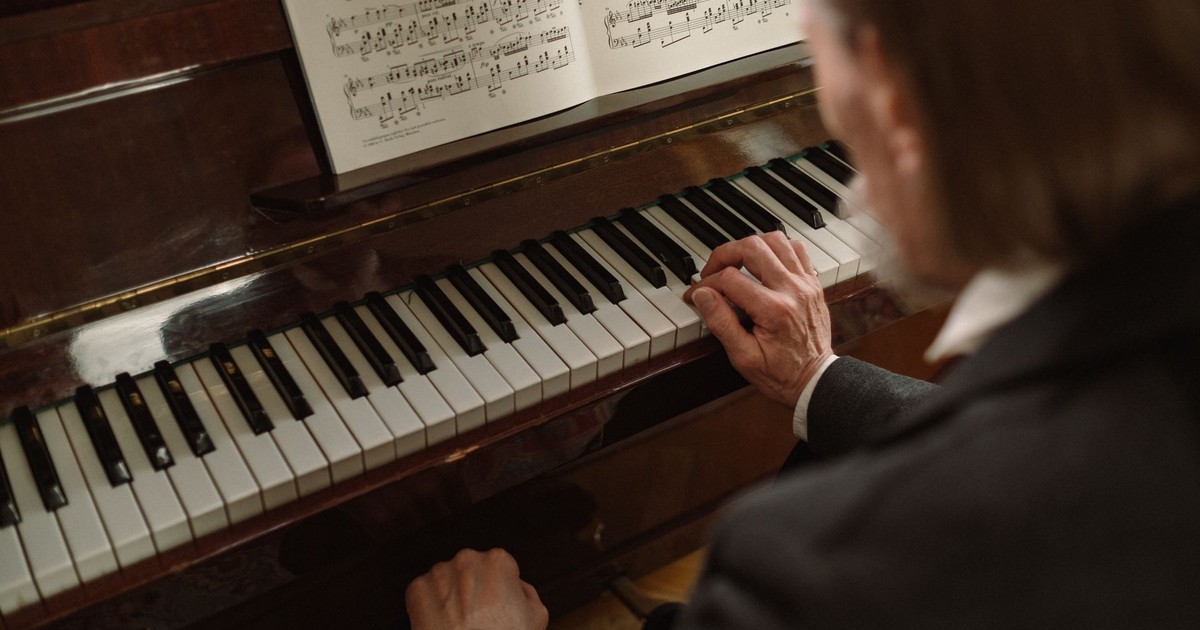

A large study of older adults in Australia linked a simple daily habit to a much lower rate of dementia. Researchers followed 10,893 people age 70 and older who did not have dementia at the start. Those who always listened to music had a 39% lower rate of dementia than people who never, rarely, or only sometimes listened.
The habit cost nothing and needed no prescription. For many people in the study, music was already part of daily life. The work was led by researchers at Monash University. The link still held after they accounted for age, gender, and education.
What did the study find about music and dementia risk?
The paper came out in October 2025 in the International Journal of Geriatric Psychiatry. Monash honours student Emma Jaffa and Professor Joanne Ryan led the work. The team used data from two long-running studies: the ASPirin in Reducing Events in the Elderly trial, known as ASPREE, and a related project called the ASPREE Longitudinal Study of Older Persons, or ALSOP.
All 10,893 adults lived in the community in Australia. All were 70 or older and free of dementia when they joined. That size makes this one of the largest studies of music and dementia risk in this age group.
People who always listened to music had a 39% lower incidence of dementia than those who never, rarely, or only sometimes listened. That same group also scored better on overall thinking tests and on episodic memory. Episodic memory is the kind you use to recall everyday events, including when and where they happened. Dementia often wears that kind of memory down first.
Playing a musical instrument often or always was linked to a 35% lower risk of dementia. People who both listened and played regularly had a 33% lower incidence of dementia. They also had a 22% lower incidence of cognitive impairment no dementia, or CIND. CIND means thinking problems that go beyond normal aging but are not severe enough to be called dementia.
Always listening to music, on its own, had the strongest link to a lower dementia rate, at 39%. Always listening was also linked to a 17% lower incidence of CIND. Playing an instrument was linked to lower dementia risk, but not to a lower CIND risk.
Read More: How Different Types of Dementia Respond to Your Favorite Music
Why did listening look more helpful than playing?
Many people would expect playing an instrument to do more for the brain than listening. Playing asks you to read music, move your fingers, and keep time. In this study, though, listening had the stronger link to a lower dementia rate.
Listening to music lights up several parts of the brain. Those include the temporal and frontal lobes, plus networks used for memory, emotion, and focus. Sound has also been linked to changes in dopamine signaling, a chemical message system in the brain. It has been linked to stronger connections in the default mode network as well. Both of those systems are involved in how the brain ages.
The default mode network helps with directed thought and episodic memory. Its connections often weaken with age and in conditions such as Alzheimer’s disease. Music uses many of the same brain areas that support higher thinking. Scientists are still studying how music habits might lead to changes in thinking over time.
For older adults who do not play an instrument, and may never have, the finding is a practical one. Putting on music often appeared to matter.
Where does this fit with other dementia research?
There is still no cure for dementia. That is why research on prevention gets so much attention. World Health Organization guidance estimates that up to 45% of dementia cases may be delayed or prevented by working on risk factors people can change. A regular music habit would fall into that lifestyle group.
Sleep, diet, physical activity, social connection, and blood pressure control already have evidence behind them. Music would be a low-barrier option on that same list. It does not require a gym membership, a new diet, or a prescription.
What can this study tell us, and what can it not?
Jaffa was careful about what the results can show. When the findings were released, she said “music activities may be an accessible strategy for maintaining cognitive health in older adults, though causation cannot be established.”
This was an observational cohort study, not a randomized trial. In a randomized trial, some people would be assigned to listen to music and others would not. Researchers would then follow both groups for years under set conditions. This study did not do that.
The link is real and statistically meaningful. It cannot prove that music caused the lower dementia rates. People who are already thinking more clearly may also be more likely to keep listening to music as they age. That is called reverse causation. The team adjusted for education, age, and gender. Other unmeasured factors may still play a role.
The study also relied on self-reported music habits. People described their own listening and playing, rather than having those habits measured for them. That is a common limit in large studies of this type. It should be kept in mind when looking at how large the links appear.
Even so, a study of nearly 11,000 people, followed over time, with results adjusted for key factors, is useful evidence. It can help shape public health advice while randomized trials are still being planned.
What is cognitive reserve, and how might music fit?
Cognitive reserve is the brain’s ability to keep working well even as it ages or takes on damage. The idea is that a lifetime of mental activity can build that resilience. Decades of brain research support the concept.
Listening to music or playing an instrument uses attention, memory, emotion, and pattern recognition at the same time. Doing that regularly over time may help build or keep reserve. That could leave the brain with more capacity as it ages.
A 2025 study in Imaging Neuroscience followed 53 healthy older adults for four years after a musical instrument training program. People who kept practicing showed less age-related decline in verbal working memory. They also kept more grey matter in brain areas tied to memory and movement. Those benefits did not show up in people who stopped playing.
The ASPREE and ALSOP data covered adults who were already 70 and older when they enrolled. The links were seen in this age group. They were not limited to people who had spent decades as trained musicians.
What does this mean for you?
Among adults 70 and older, always listening to music had the largest link to a lower dementia rate in this study. The survey word “always” mattered. It set apart people who made music a regular part of life from people who only listened sometimes.
You do not have to play an instrument. Listening to music you enjoy, every day, is the simplest version of the habit the data support. If you used to play and have stopped, this study and related research suggest that picking it up again, even now, may still help.
Professor Ryan, the study’s senior author, has said that brain aging is not set only by age and genes. Everyday choices play a role too. Music is one of the easiest of those choices. Most people already have a way to play songs they like. There are no known side effects, and most people enjoy it, which helps with sticking to the habit.
Talk to your doctor if you have concerns about memory or changes in thinking. For adults without current symptoms who want simple, evidence-backed ways to support brain health, daily music listening is one option this research supports. This study does not prove that music prevents dementia. It shows a link, and that is a starting point, not a prescription.
Editor’s note: The headline says listening to music after 70 “may cut” dementia risk by nearly 40%. The Monash study found a 39% lower incidence among people who always listened, compared with people who listened less often. It was an observational study, so it shows a link, not proof that music itself lowers risk.
Disclaimer: The author is not a licensed medical professional. The information provided is for general informational and educational purposes only and is based on research from publicly available, reputable sources. It is not intended to constitute, and should not be relied upon as, medical advice, diagnosis, or treatment. Always consult a licensed physician or other qualified healthcare provider regarding any medical condition, symptoms, or medications. Do not disregard, avoid, or delay seeking professional medical advice or treatment because of information contained herein.
AI Disclaimer: This article was created with the assistance of AI tools and reviewed by a human editor.