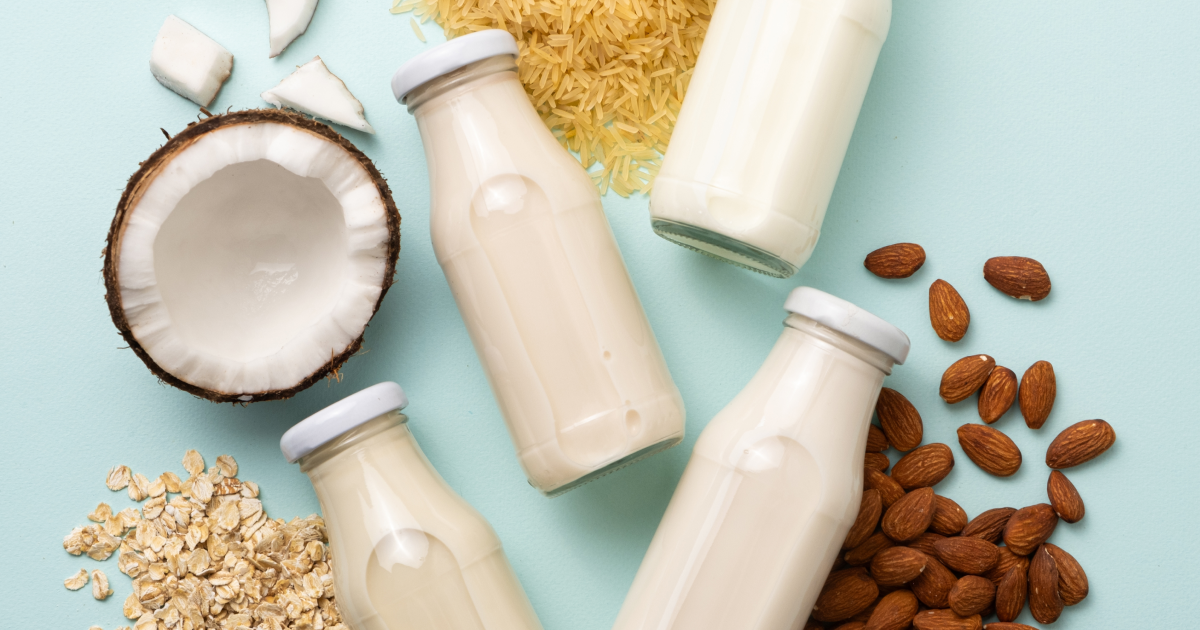

An elimination diet aims to identify food sensitivities by removing potential allergens and gradually reintroducing them. Starting an elimination diet can be frustrating, as it often requires you to rethink familiar meals and ingredients. It may seem like your food choices are suddenly much more limited, but there are still plenty of ways to create flavorful and satisfying meals.
The key is finding simple substitutions for some of the foods you regularly eat. Whether you are swapping out dairy, gluten, eggs, or other foods, choosing suitable alternatives can make it easier to continue enjoying a variety of meals while following your dietary needs.
The following substitutions can help you adapt some common foods and ingredients:
| When you want this | Eat this |
| Milk (for cereal or shakes), yogurt, cheese | Milk substitutes: unsweetened rice, oat, hemp, almond, sunflower, hazelnut, and coconut milk; unsweetened coconut yogurt or kefir; read labels to ensure substitute is lactose/casein-free |
| Hot cereal | Oatmeal or steel-cut oats, rice cereal, quinoa flakes |
| Cold cereal | Puffed rice and millet, crispy brown rice, amaranth cereals; all labeled gluten-free (note that there tends to be corn in foods labeled gluten-free) |
| Bread, crackers & pasta | Gluten-free breads, crackers, or pasta made with brown rice, oats, teff, millet, quinoa, amaranth, tapioca, buckwheat, sorghum, potato flour, and garbanzo bean flour; cellophane noodles from bean threads; check labels for gluten-free with acceptable sweeteners |
| Breading | Grind any allowable rice crackers or bread, or use almond meal (any nut meal), ground chia seeds, coconut, or coconut flour |
| Eggs | Store-bought egg replacer, or blend 1 Tbsp. flax meal or chia seeds in a blender with ¼ cup water and allow to thicken for a few minutes |
| Peanut butter | Nut butters made from almonds, cashews, macadamias, walnuts, hazelnuts or pumpkin and sesame seeds (tahini) |
| Ice cream | Various brands of rice or coconut-based frozen desserts; real labels carefully for approved sweeteners |
| Soft drinks | Sparkling or mineral water, mixed with a squeeze of lemon or lime, or with a small amount of your favourite juice (¾ water, ¼ juice); filtered or purified water with slices of lemon or lime; unsweetened coconut water |
| Coffee/tea | Herbal teas |
| Butter or margarine | Coconut oil or ghee (clarified butter) |
| Sugar & sweeteners | Unsweetened apple butter, brown rice syrup, blackstrap molasses, pure maple syrup, raw honey, coconut sugar, agave nectar, lo han, stevia, monk fruit extract |
| Condiments | All types of vinegar, all spices, including salt, pepper, basil, carob, cinnamon, cumin, dill, garlic, ginger, mustard, oregano, parsley, rosemary, tarragon, thyme, turmeric, etc. Read labels! Mustard, for example, sometimes contains wheat. |
| Vinegar | Lemon or lime juice, vitamin C crystals |
Simple swaps can make it easier to enjoy flavorful meals on an elimination diet.

As you can see, many familiar foods have alternatives that can be used in everyday meals. Experimenting with different ingredients can also help you discover new combinations and recipes that work well with your dietary needs.
When choosing packaged alternatives, read labels carefully. Ingredients can vary between products, and foods such as breads, crackers, cereals, condiments, and dairy substitutes may contain ingredients you are trying to avoid.
With a little planning and some creativity, making substitutions doesn’t have to mean giving up the foods and flavors you enjoy.
About Dr. James Yoon
Dr. James Yoon is a top-rated naturopathic doctor practicing in downtown Toronto, with a clinical focus on digestive health, hormonal health, metabolic concerns, and complex chronic conditions. With over a decade of clinical experience, he combines evidence-informed naturopathic medicine with a functional medicine approach to better understand the underlying factors contributing to each patient’s health concerns.
Explore more of Dr. Yoon’s work at DrJamesYoon.com.
Read More: The Best Foods to Eat for More Soluble Fiber – By Dr. James Yoon, ND
Sources
- (2021) Dietitians of Canada: Food Sources of Soluble Fibre.
- (2020) Registered Dietitians of the University Health Network – Improving Your Health with Soluble Fibre.
Disclaimer: This information is not intended to be a substitute for professional medical advice, diagnosis or treatment and is for information only. Always seek the advice of your physician or another qualified health provider with any questions about your medical condition and/or current medication. Do not disregard professional medical advice or delay seeking advice or treatment because of something you have read here.