

Most households own a fire extinguisher, a flashlight, and at least a few days’ worth of bottled water. Far fewer own the one thing that can determine whether they get medical treatment, access their bank account, or even prove who they are after a disaster: a complete set of emergency documents.
Natural disasters can destroy devices and written records where passwords are stored, making it hard to access critical accounts. When a wildfire or flood forces a rapid evacuation, there’s rarely time to hunt through drawers. The paperwork you have on hand at that moment determines how quickly you can access emergency funds, file an insurance claim, or authorize medical care for a family member who can’t speak for themselves.
A solid emergency documents checklist doesn’t need to be complicated, but it does need to cover five specific categories. The records below are the ones that consistently make the difference between a manageable crisis and an overwhelming one.
1. Government-Issued Identification Documents
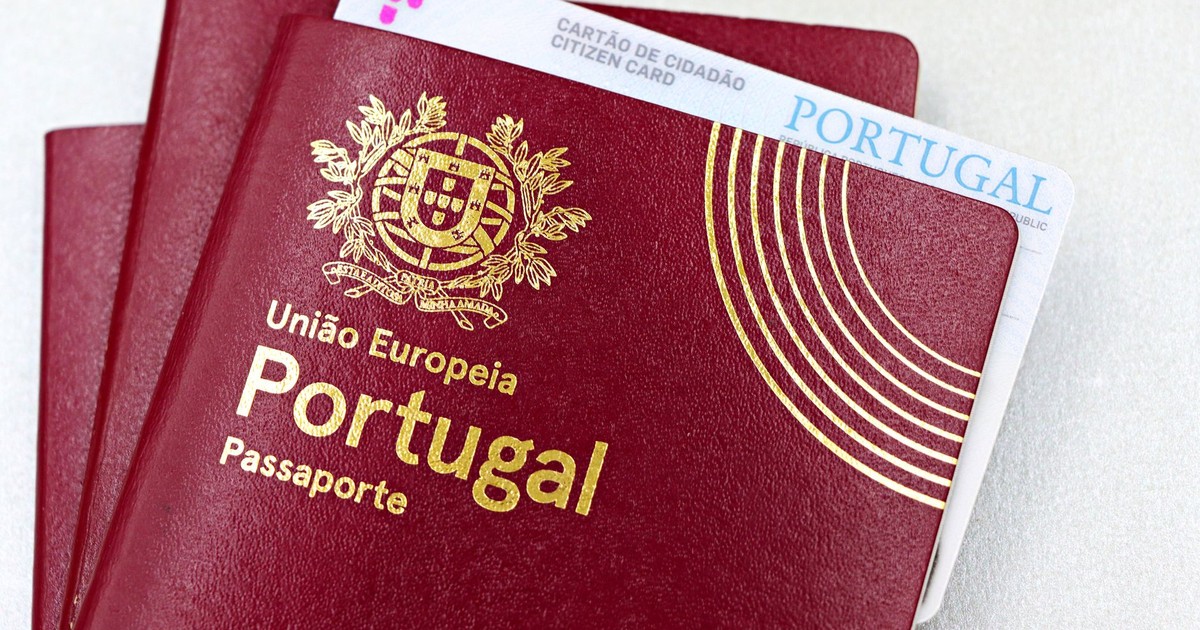
An emergency kit should include Social Security cards, copies of important financial and family records such as deeds, titles, wills, birth and adoption certificates, marriage certificates, passports, and military records. These are the foundational documents that prove who you are, and without them, almost every other recovery step grinds to a halt.
Consider what getting a replacement Social Security card actually requires: proof of identity, proof of citizenship or immigration status, and often an in-person visit to a Social Security Administration office. Getting a new copy of your Social Security card takes time and may not be straightforward if your area is devastated by a natural disaster. Passports, driver’s licenses, and birth certificates all carry similar replacement burdens. Having copies readily available doesn’t just save time. In many disaster scenarios, it’s the difference between accessing federal aid the week of a crisis versus months later.
FEMA’s Ready.gov recommends keeping important family documents, including copies of insurance policies, identification, and bank account records, saved electronically or in a waterproof, portable container. A laminated copy of each ID kept in a waterproof bag inside your go-kit is a cheap, practical starting point. Digitize these as well and store them in an encrypted cloud folder only you can access, so even if the physical copies are destroyed, your identification records survive.
2. Insurance Policies and Financial Records
Financial documentation includes key information that can help you manage your bank accounts and other finances during an emergency, such as insurance information for your home and vehicles, tax information that can prove your income, and current bank account information and statements. These records are also what disaster relief agencies want to see before they approve any aid.
FEMA specifically lists copies of insurance policies, identification, and bank account records as essential emergency kit items. Insurance documentation is particularly time-sensitive. Don’t forget printed copies of contact information for medical, home, life, and auto insurance, including earthquake or flood coverage. This printed information should contain policy numbers and contact information, while full policies and property inventories should be stored as digital copies.
Beyond the insurance cards themselves, keep a home inventory. Creating a home inventory list of personal property, including a description and estimated value of each item, is valuable information your insurer can use to help settle any claims related to loss or damage. Photograph every room in your home and store those images in cloud storage. If you ever need to file a claim after a fire or flood, that visual record is worth far more than a vague list written from memory.
3. Medical and Health Records
A house fire can destroy a decade of medical history in minutes. For anyone managing a chronic condition, taking daily medications, or caring for a child with complex health needs, that loss can directly compromise their treatment during the emergency itself.
Medical documents help show medical history and share with healthcare providers how to best assist you during an emergency. These include copies of policy numbers and insurance cards, crucial medical records that detail pre-existing conditions, a list of prescribed medications for each family member, immunization records, allergy information, and physician names and phone numbers. When paramedics or emergency room staff are treating someone who cannot communicate, these documents aren’t just helpful. They can prevent serious medication errors.
According to Ready.gov, about half of all Americans take a prescription medicine every day, and an emergency can make it difficult to refill a prescription or find an open pharmacy. In many states, pharmacists can provide a 72-hour emergency supply of most non-controlled medications without a doctor’s approval when someone has documented proof of their prescription. Keeping a written medication list, with drug names, doses, and prescribing physicians, in your emergency kit is a simple precaution that could prevent a serious gap in care.
The CDC recommends updating medical and personal records at least once per year, and checking expiration dates on all emergency supplies at least twice per year. Set a calendar reminder for both. January and July are natural checkpoints that many preparedness planners use.
4. Legal Documents and Advance Directives

Legal paperwork is the part of an emergency documents checklist that most people keep putting off. The reasoning is understandable but flawed: people tend to assume that documents like living wills and powers of attorney are only relevant near the end of life. Even if you have other legal papers about your care, you can’t anticipate all situations ahead of time, such as emergencies and illnesses, and in some situations, someone will need to decide about your likely care wishes.
Advance directives are legal documents that outline an individual’s preferences regarding major medical decisions, specifying the healthcare options that an individual desires or rejects, currently and in the future. A healthcare power of attorney, also called a healthcare proxy, is a related document that designates a specific person to make medical decisions if you become unable to communicate. A healthcare surrogate is an individual authorized to make medical decisions on behalf of an incapacitated patient who is unable to communicate their wishes. Best practice suggests that patients should engage in discussions about their wishes with their designated surrogate well in advance of any potential emergencies.
These aren’t documents only relevant to older adults. A car accident, an unexpected surgery, or a sudden illness can create a situation where someone else must make urgent decisions on your behalf regardless of your age. People often create directives during major life transitions such as births, new diagnoses, or major surgeries, but the best time to prepare these documents is well before an emergency. They protect you when accidents or sudden illnesses leave you unable to communicate. Store copies with your emergency kit, leave one with your designated healthcare proxy, and share one with your primary care physician.
Read More: Fallout Shelter Locations Near You: A Nuclear Emergency Guide
5. Emergency Contact List

Smartphones have made most people better at calling people and worse at knowing any phone numbers. When a phone is lost, stolen, damaged, or simply dead with no way to charge it, the average person can recall two or three numbers from memory, and that’s a generous estimate.
Keep copies of important names, addresses, phone numbers, and emails in your emergency kits in case of emergency. Contact info should include family members, work, school, evacuation sites, an out-of-state contact with phone, address, and email, and also include doctor, dentist, fire, police, and ambulance contacts, both emergency and non-emergency, as well as a veterinarian, pharmacist, and utility contacts. An out-of-state contact is particularly important because local communication networks often become congested or go down entirely during regional disasters. It’s frequently easier to reach someone in a different state than a neighbor three blocks away.
Ask yourself: if something happened tomorrow, who would your loved ones need to call first? The list should include emergency contacts such as family and close friends, professional service providers like lawyers, accountants, and financial advisors, home service contacts such as a plumber and electrician, work or employment contacts, and healthcare contacts, including doctors, dentists, specialists, and pharmacies. Print this list, not just a screenshot on your phone, and laminate it. Keep one copy in your emergency binder, one in your car’s glove compartment, and one at your workplace.
The Federal Trade Commission also recommends including an online password manager backup or written list of critical account logins, stored securely, so trusted family members can access bank accounts, insurance portals, and utilities if you’re incapacitated.
What to Do Now
Gathering all critical documents can be time-consuming, so the practical approach is to start with the essentials and keep them in a secure, accessible folder, then work through the rest category by category. The five areas on this emergency documents checklist – identification, insurance and financial records, medical records, legal documents, and an emergency contact list – form a complete picture of who you are, what you own, what care you need, and who can speak for you if you can’t.
Copies of important documents should be updated every six months or as they change. Physical storage in a fireproof and waterproof safe is the first line of defense; encrypted cloud backup is the second. FEMA’s preparedness guidance identifies three core storage practices: using a fireproof and waterproof safe to protect physical documents, digitizing records and storing them in secure, password-protected locations, and reviewing and updating your binder regularly, especially after major life changes. None of the five document categories are difficult to gather. The only version of this that goes wrong is the one where you wait.
AI Disclaimer: This article was created with the assistance of AI tools and reviewed by a human editor.
Read More: 20 Emergency Signs of Serious Health Problems (and How to Respond)