
Your fingernails grow about one millimeter every six to ten days, and every disruption to that process gets recorded as a physical mark on the nail plate. The depth of a transverse depression reflects the extent of the underlying damage, and the duration of whatever caused it can be estimated by the width of the groove. That means a doctor looking at your bare nails isn’t just seeing what’s happening now. In some cases, they’re reading a timeline of the past several months of your internal health.
Most people assume fingernail lines are cosmetic – a sign of too much hand-washing, a rough summer, or just getting older. Some of them are exactly that. Others are the body’s quiet signal that something more serious is going on inside, from kidney failure to heart disease to nutritional deficiencies that haven’t yet shown up on a blood test. Transverse linear lesions in nails can result from interruption of nail matrix growth or changes in the color of the nail itself, and in a patient with no history of drug exposure, such changes may be important diagnostic clues to an underlying systemic illness.
The tricky part is that different fingernail lines and shapes may signal different things. A groove running from side to side tells a completely different story than one running from cuticle to tip – and the color, texture, and location on the nail all add further detail. Here’s what each major type of fingernail line actually indicates, and when you should mention it to your doctor.
1. Beau’s Lines: Horizontal Grooves That Mark a Body Under Stress
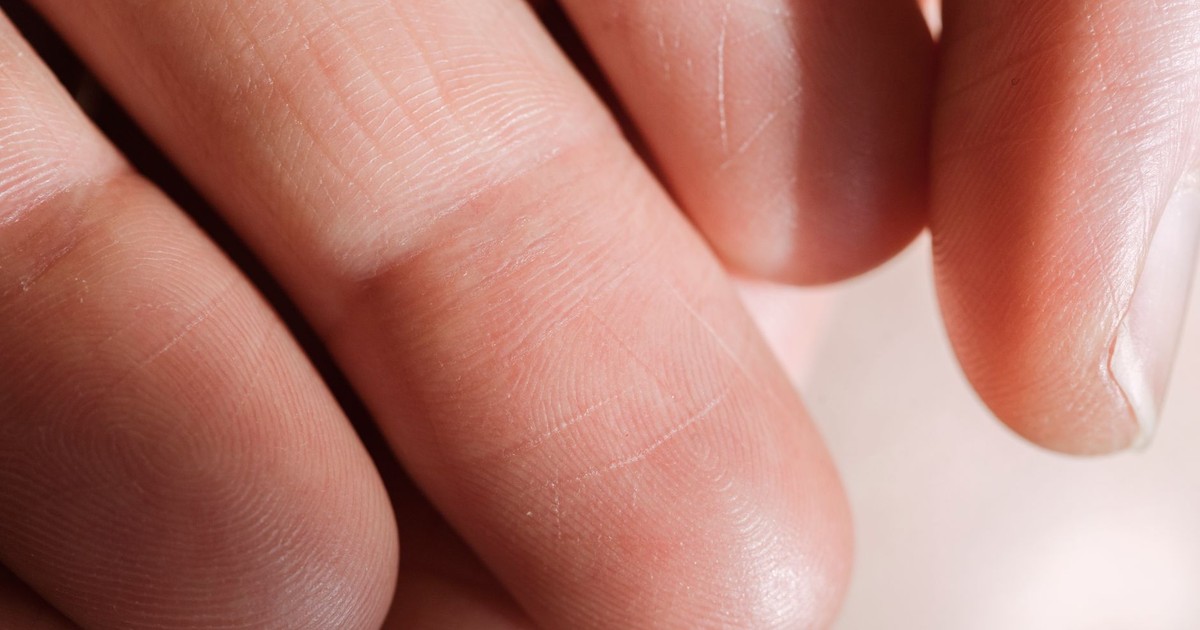
Beau’s lines are transverse grooves in the nail plate that result from transient interruption of the growth of the proximal nail matrix after severe disease. The triggering event may be local trauma, chemotherapeutic agents that interrupt cell division, or the abrupt onset of systemic disease. When you run a fingertip across a nail with Beau’s lines, you can feel the groove – it’s a physical dip in the nail surface, not just a color change.
A 2024 systematic review published in the journal Dermatology found that Beau’s lines appearing across multiple nails simultaneously are associated with several systemic conditions, including chemotherapy, diabetes, nutritional deficiencies, serious infections, and renal failure. One of the more striking aspects of these lines is their utility as a retrospective marker: a clinician can estimate the date of the stressful event by measuring the distance from the cuticle to where the Beau’s line sits on the nail.
Nail changes are common in patients receiving chemotherapy, with the incidence of nail toxicity associated with taxanes – a class of drugs used to treat breast, lung, and ovarian cancers – varying up to 44%. If you notice a single groove on one nail, it was likely caused by local injury. Multiple parallel grooves across several nails at once, especially appearing every few weeks, warrant a conversation with your doctor. Zinc deficiency can also cause Beau’s lines and white spots on nails, making nutritional status another useful avenue to explore.
2. Vertical Ridges: Usually Harmless, Sometimes Not

Vertical nail ridges – fine lines running from the base of the nail to the tip – are the most common nail line most people will ever see. With age, vertical nail ridges may become more numerous or prominent because of changes in cell turnover within the nail. According to the Mayo Clinic, in most adults over 40, some degree of vertical ridging is entirely normal and not a cause for concern.
That said, iron deficiency can cause vertical nail ridges and koilonychia (spoon nails). If your vertical ridges have appeared suddenly, are worsening quickly, or come alongside other symptoms like fatigue, cold intolerance, or brittle hair, an iron panel is a reasonable first step. Thyroid dysfunction can also affect nail texture and growth rate, causing ridging alongside other changes to hair and skin, according to the Cleveland Clinic.
The practical rule of thumb: gradual, symmetrical vertical ridging that develops slowly over years is almost always age-related. Ridges that appear quickly, are accompanied by nail brittleness, or coincide with other physical changes deserve a lab workup. Mention them during your next annual physical rather than making a separate appointment – unless other symptoms are pressing.
3. Mees’ Lines: White Bands That Signal Acute Systemic Stress

Mees’ lines look similar to Beau’s lines in location – they run horizontally across the nail – but the key difference is texture and color. Mees’ lines are transverse, nonblanching white bands that run parallel to the lunula around the entire nail bed. Unlike Beau’s lines, they can’t be felt as a groove; they’re a color change within the nail plate itself.
Transverse white nail lines, or Mees’ lines, have been associated with acute systemic stress, according to a review in the Cleveland Clinic Journal of Medicine, such as from acute renal failure, heart failure, and serious infection. Historically, Mees’ lines were associated with arsenic poisoning – they were used as forensic evidence in poisoning cases in the early 20th century. Today, they’re more commonly seen in clinical settings following severe illness or chemotherapy.
The spacing between the lines is consistent with nail growth over the three- to five-week chemotherapy cycles. That same logic applies to other acute stressors: each line represents a distinct event that interrupted normal nail matrix function. If you notice multiple white bands across your nails after a serious illness, hospitalization, or course of chemotherapy, they’re recording what your body went through. They typically grow out and resolve without treatment once the underlying stress has passed.
4. Muehrcke’s Lines: Paired White Bands Linked to Low Protein

Muehrcke’s lines are often confused with Mees’ lines, but they behave differently. Muehrcke’s lines are smooth white bands that run parallel to the lunula across the width of the nail, and they occur in patients with hypoalbuminemic states – meaning low blood protein – and disappear when the protein level normalizes. That last detail is clinically important: press on the nail and the lines temporarily fade, unlike Mees’ lines, which don’t blanch.
Muehrcke’s lines are pairs of white lines that appear across the nail and may indicate liver or kidney problems, according to the Mayo Clinic. Low albumin – the protein that’s reduced in these conditions – reflects the liver’s diminished ability to produce proteins or the kidneys’ failure to retain them. Cirrhosis, nephrotic syndrome (a kidney disorder that causes the body to lose protein through urine), and severe malnutrition are among the most common underlying causes.
Unlike most nail changes, Muehrcke’s lines are considered a marker of current physiological status rather than a historical record of past illness. If they disappear after treatment, that’s a sign the underlying condition is responding. If you notice paired white horizontal bands on multiple nails that aren’t associated with any recent illness or injury, a blood protein panel and kidney or liver function tests are appropriate follow-ups.
5. Terry’s Nails: Mostly White With a Dark Tip

Terry’s nails look almost as if the nail has been painted white from the base, leaving only a narrow dark band near the free edge. According to the Mayo Clinic, Terry’s nails may be a symptom of a serious medical condition, such as liver problems, congestive heart failure, or diabetes. The white appearance results from changes in the nail bed’s vascular supply, reducing the normal pink color that comes from blood flow beneath the nail.
Terry’s nails affect the majority of the nail – typically the surface appears opaque white – making them visually distinct from other pale nail conditions. They’re most often seen in people with advanced liver disease, and their presence in a patient with known liver disease is a well-recognized clinical finding. The pattern tends to affect multiple nails at the same time rather than just one.
If you notice your nails have taken on a predominantly white, ground-glass appearance with a reddish or brown stripe near the tip, and you haven’t had any recent nail trauma or used artificial nails recently, it’s worth raising with a doctor. Terry’s nails are rarely the only sign of the conditions associated with them – fatigue, swelling, and other systemic symptoms are usually also present.
6. Lindsay’s Nails (Half-and-Half Nails): A Kidney Disease Marker

Lindsay’s nails, also known as half-and-half nails, are a hallmark sign of chronic kidney disease. They are characterized by red, pink, or brownish discoloration of the distal 20 to 60% of the nail, with a dull, whitish, ground-glass appearance of the remaining nail. The color boundary is sharp and well-defined, which distinguishes it from other nail discolorations that tend to fade gradually.
The mechanism behind Lindsay’s nails isn’t fully understood, but it’s thought to involve changes in melanin deposition and vascular supply to the nail bed driven by the hormonal and metabolic disruptions that accompany kidney dysfunction. The finding was first reported by Bean in 1964 in patients with azotemia and later described and named “half-and-half nails” by Philip G. Lindsay in 1967 in a series of 1,500 patients with chronic kidney disease.
Lindsay’s nails are seen in 20% to 50% of patients with chronic kidney disease, according to a case report and literature review published in Clinical Case Reports. If you have a known kidney condition and notice this sharply divided coloring across several nails, mention it at your next nephrology appointment. If you don’t have a known kidney diagnosis but notice this pattern, a basic kidney function test (creatinine and GFR) is a reasonable starting point.
7. Nail Pitting: Small Dents Linked to Autoimmune Skin Conditions
Nail pitting isn’t a line in the traditional sense – it’s a pattern of small depressions or dents scattered across the nail surface, caused by defects in the nail plate as it forms at the matrix. According to the Cleveland Clinic, nail pitting is usually a sign of psoriasis, but other conditions cause it too. The dents vary in size, depth, and distribution and can look like the nail has been tapped with a fine pin repeatedly.
Nail psoriasis is a common disorder, affecting more than half of all psoriasis patients – and nearly 86% of those who develop psoriatic arthritis, according to Cleveland Clinic data. For many people, nail changes are the first visible sign that psoriasis is affecting more than just the skin. Alopecia areata (an autoimmune condition that causes hair loss) and eczema can also produce nail pitting, so the pattern alone doesn’t confirm a diagnosis.
If you have a known psoriasis diagnosis and notice increasing nail pitting alongside joint pain or stiffness in your fingers, it’s worth flagging – nail psoriasis and psoriatic arthritis often travel together. Treatment of the underlying condition typically improves nail appearance over time, though nails are slow to reflect changes, often taking six months or more to visibly respond.
8. Yellow Nail Syndrome and Nail Clubbing: Signals From the Lungs

Two nail changes – yellow nails and clubbing – share a connection to the respiratory system that makes them worth covering together. Yellow nail syndrome produces nails that grow slowly, thicken, lose their cuticles, and take on a yellow-green tint. Yellow nail syndrome is characterized by a yellow discoloration of the nails, respiratory symptoms, and lymphedema. The classic triad of yellow nail syndrome includes deformed yellow nails, primary lymphedema, and recurrent pleural effusion – fluid buildup in the tissue surrounding the lungs. All three symptoms of the triad are present in only one-third of cases.
Nail clubbing is a different change altogether. Rather than affecting the surface of the nail, clubbing changes the shape of the fingertip itself – the pad of soft tissue beneath the nail enlarges, and the nail curves downward over it, creating a rounded, bulbous appearance. Nail clubbing is most often associated with diseases of the heart and lungs, according to the Cleveland Clinic, including lung cancer, lung infections, and interstitial lung disease. One simple check is the Schamroth window test: press two fingers together at the first joint so that the nails are facing each other – fingers without clubbing form a small, diamond-shaped space near the base of the nails. If that gap is absent, it’s worth mentioning to a doctor, according to the Cleveland Clinic.
Neither yellow nails nor clubbing should be assumed to be harmless cosmetic changes, especially if they appear alongside shortness of breath, a chronic cough, or unexplained fatigue. Both warrant prompt medical evaluation.
9. Spoon Nails: When Iron Is the Missing Piece
Spoon nails – medically called koilonychia – are nails that have become soft, thin, and concave, curving upward at the edges so that the nail bed looks hollowed out. According to the Cleveland Clinic, spoon nails are often a symptom of iron deficiency anemia. The condition can develop gradually, often progressing from brittle nails to flat nails before the full spoon shape appears.
The mechanism appears to be related to poor oxygenation and reduced nutrient delivery to the nail bed when iron levels are chronically low – iron is essential for red blood cell production, and without adequate iron, every tissue that depends on oxygen delivery starts to show the strain. Iron deficiency can cause vertical nail ridges and koilonychia together, meaning the two changes sometimes appear side by side.
The good news is that spoon nails can reverse with treatment. Research cited by the Cleveland Clinic shows that in patients whose nails showed spoon-shaped changes due to iron deficiency, the nails returned to normal after oral iron therapy, though the process takes several months given the slow pace of nail growth. If you notice a spoon-like curvature developing in multiple nails, especially alongside fatigue, paleness, or shortness of breath, ask your doctor for a complete iron panel – not just hemoglobin, but ferritin and serum iron levels, which can reveal deficiency before anemia fully develops.
Read More: 7 Fingernail Conditions That Could Signal Health Issues
What to Do With This Information
Nail changes are most useful as confirmatory signals – they prompt you to take other symptoms seriously enough to get checked out, rather than standing alone as a diagnosis. A single groove on one nail after an injury is not the same as multiple deep horizontal grooves appearing across all ten fingers. Faint vertical ridging on a 55-year-old is not the same as rapidly worsening ridging accompanied by hair thinning and fatigue.
A practical starting point: show your doctor any nail change that affects multiple nails simultaneously, appeared without an obvious external cause, or is accompanied by other unexplained symptoms. You can also take a photo over time to track whether a groove or band is growing out (which suggests a past, resolved event) or staying fixed in place (which suggests an ongoing process). Nails grow slowly – roughly three to four millimeters per month – which means whatever they’re recording took time to develop. Reading that record sooner, rather than dismissing it as cosmetic, is usually the better bet.
Disclaimer: This information is not intended to be a substitute for professional medical advice, diagnosis, or treatment and is for information only. Always seek the advice of your physician or another qualified health provider with any questions about your medical condition and/or current medication. Do not disregard professional medical advice or delay seeking advice or treatment because of something you have read here.
AI Disclaimer: This article was created with the assistance of AI tools and reviewed by a human editor.
Read More: 9 Warning Signs Your Liver May Be Failing